

Commentary
In the discussions made possible by the State Duma election campaign, one question is being asked more and more loudly. “What next?”
Andrey Pertsev
{
  "authors": [
    "Richard Youngs",
    "Elene Panchulidze"
  ],
  "type": "other",
  "centerAffiliationAll": "dc",
  "centers": [
    "Carnegie Endowment for International Peace",
    "Carnegie Europe"
  ],
  "collections": [
    "Coronavirus"
  ],
  "englishNewsletterAll": "democracy",
  "nonEnglishNewsletterAll": "",
  "primaryCenter": "Carnegie Europe",
  "programAffiliation": "DCG",
  "programs": [
    "Democracy, Conflict, and Governance"
  ],
  "projects": [],
  "regions": [],
  "topics": [
    "Foreign Policy",
    "Democracy",
    "Political Reform"
  ]
}
Source: Getty
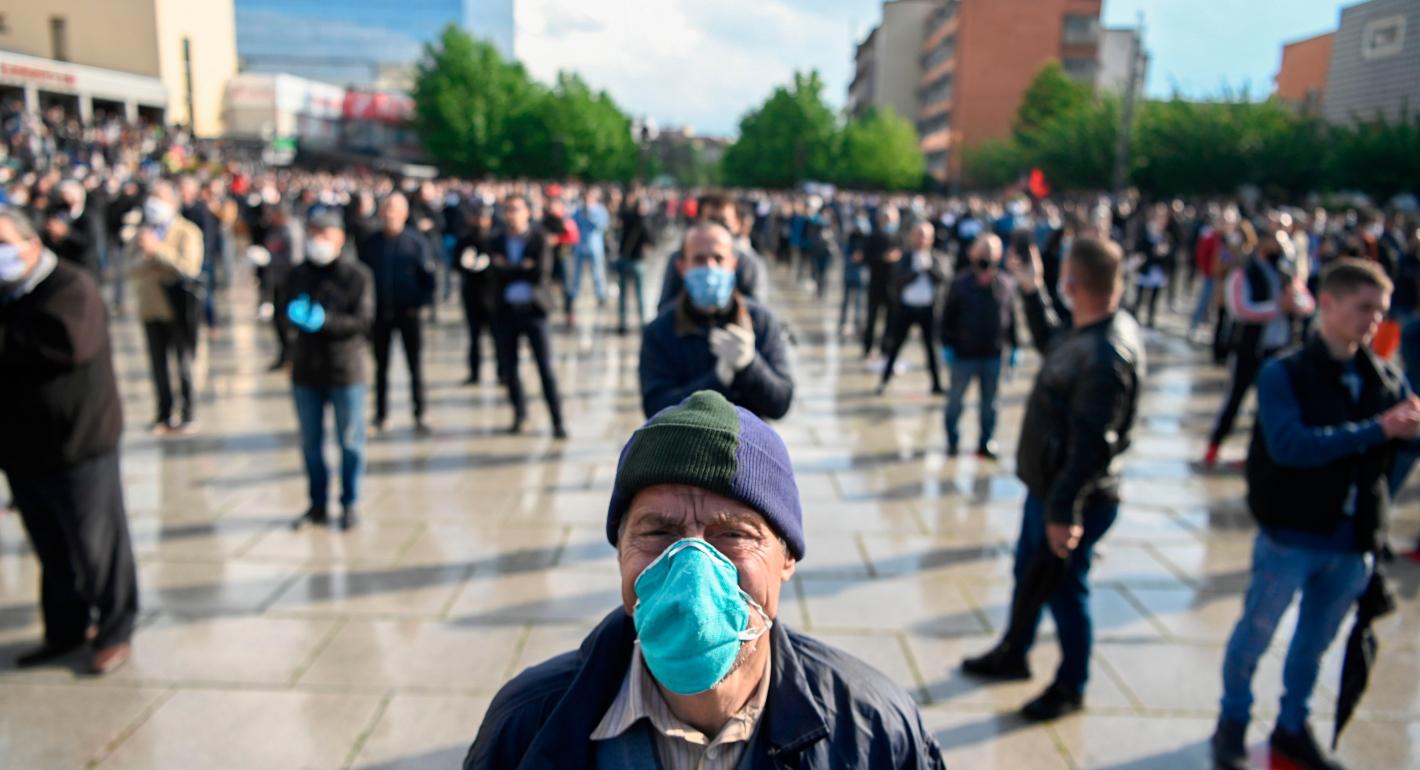
The pandemic is having distinctive political implications across different types of regime. Policy responses need to be tailored to these contrasting outcomes and risks in the way they seek to advance and uphold democratic rights.
Source: European Endowment for Democracy
This report assesses the impact that Covid-19 is having on democracy around the world. It examines how international democracy support organisations and donors are responding to the challenges related to the pandemic and calls for a stronger and reformulated international democracy support both now and into the longer-term future. Rather than getting immersed in inconclusive debates about which kind of political system is set to deal best with Covid-19, the report calls for a more practical policy effort to ensure that democratic norms are defended and work in a way that is tightly relevant to the pandemic. While democratic systems may have several potential advantages in fighting pandemics and their aftermath, these need to be proactively fostered. The report demonstrates that the pandemic is having distinctive political implications across different types of regime. Policy responses need to be tailored to these contrasting outcomes and risks in the way they seek to advance and uphold democratic rights.
Aligning with the statement - ‘A Call to Defend Democracy’- based on an assessment of crisis-related democratic trends, the report offers five concrete recommendations for how governments and international organisations concerned with supporting democracy globally should respond to the Covid-19 crisis. It advocates: a global monitoring of Covid-19 related democratic infringements; new ways of including democracy efforts into Covid-19 emergency and recovery aid; an enhanced support of democratic civic activism that has emerged during the pandemic; a new multilateral initiative to learn lessons from how democracies have coped with the crisis; and an effort to explore the growth in new types of democratic practice that have proliferated under Covid-19. Through these recommendations, the report offers guidance to democracy organisations and donors as they endeavour to keep democracy on the international agenda during the global health crisis, as well as for civil society organisations adjusting their strategies to the altered context. These issues are also of broader relevance to governments and citizens around the world given the challenge of sustaining Covid-19 measures over the longer-term that do not trample on basic democratic practices.

Senior Fellow, Democracy, Conflict, and Governance Program
Richard Youngs is a senior fellow in the Democracy, Conflict, and Governance Program, based at Carnegie Europe. He works on EU foreign policy and on issues of international democracy.
Elene Panchulidze
Head of Research, European Partnership for Democracy
Elene Panchulidze is head of research at the European Partnership for Democracy.
Carnegie does not take institutional positions on public policy issues; the views represented herein are those of the author(s) and do not necessarily reflect the views of Carnegie, its staff, or its trustees.

In the discussions made possible by the State Duma election campaign, one question is being asked more and more loudly. “What next?”

Andrey Pertsev

When faced with fuel shortages in the past, Central Asian governments could always count on additional supplies from Moscow. That safety net no longer exists.

Galiya Ibragimova

Two divergent trends—Putin’s hardline vision of how to prosecute the war in Ukraine, and a growing desire for change in Russia—could tear the regime apart.

Tatiana Stanovaya

Ultimately, Zelensky sided neither with the reform camp nor with the military establishment as such, but with political control.

Balázs Jarábik
Tokayev’s predecessor, Nursultan Nazarbayev, outlined arrangements for a power transition too soon and in too much detail, ultimately losing control over the process. Tokayev is determined not to meet the same fate.

Temur Umarov