

Commentary
With the growth in points of friction between the great powers, organizations like the SCO will continue to play a role in the strategic adaptation of the smaller powers caught between them.
Temur Umarov
{
  "authors": [
    "Aaron David Miller",
    "Richard Sokolsky"
  ],
  "type": "legacyinthemedia",
  "centerAffiliationAll": "",
  "centers": [
    "Carnegie Endowment for International Peace"
  ],
  "collections": [
    "Foreign Policy Strategy"
  ],
  "englishNewsletterAll": "",
  "nonEnglishNewsletterAll": "",
  "primaryCenter": "Carnegie Endowment for International Peace",
  "programAffiliation": "",
  "programs": [],
  "projects": [],
  "regions": [
    "North America",
    "United States"
  ],
  "topics": [
    "Foreign Policy"
  ]
}
Source: Getty
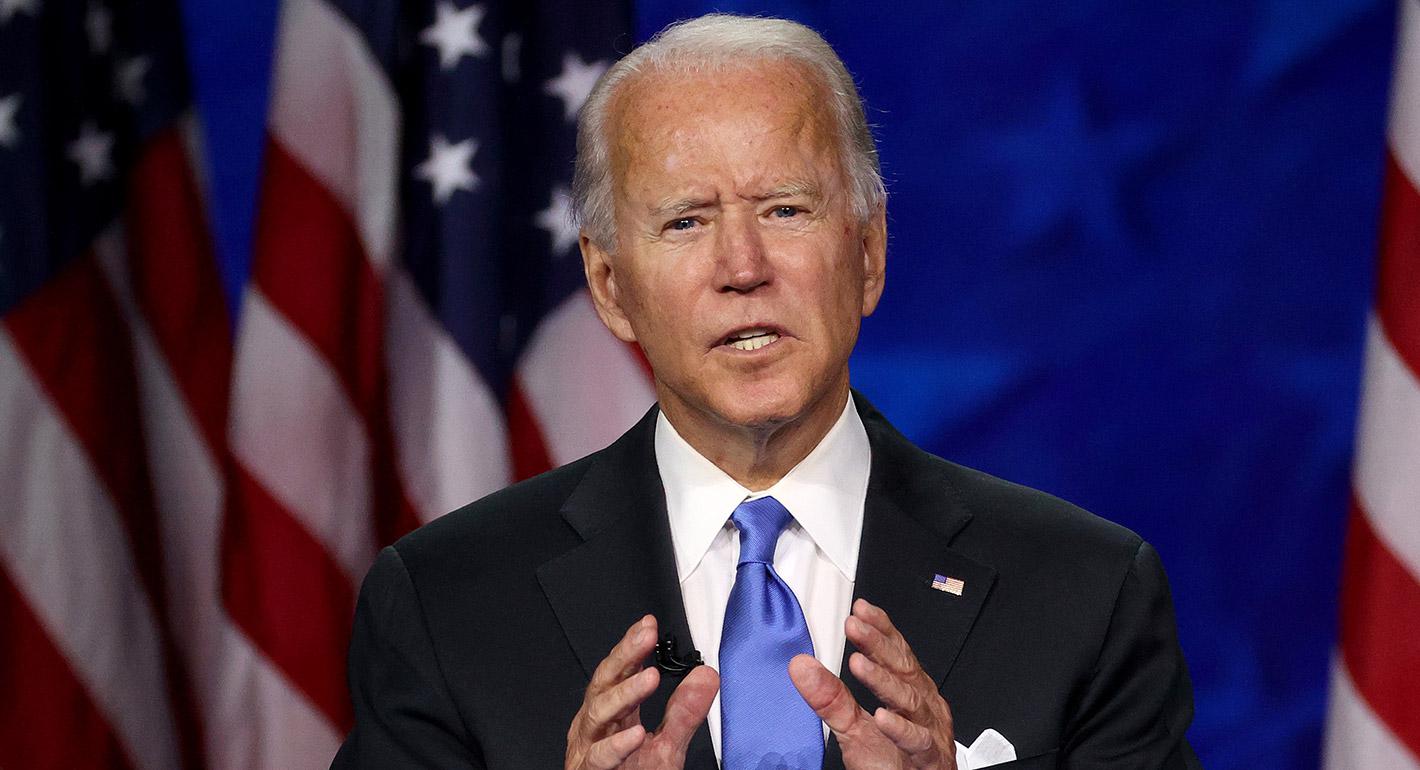
The world Biden will inherit is a far cry from the one he occupied when he was the vice-president and during the 1990s when he chaired the Senate Foreign Relations Committee. America’s unipolar moment has long been relegated to the dustbin of history.
Source: Politico
And Joe Biden means it, tethered as he is to a romanticized view of America as the world’s greatest power destined to lead and to do good. The new president will have much going for him. He’s the anti-Trump. And after four years of norm-busting disruption, expectations for Biden are so low that Europeans might be inclined to give him a Nobel Peace Prize for just showing up.
But the world Biden will inherit is a far cry from the one he occupied when he was the vice-president and during the 1990s when he chaired the Senate Foreign Relations Committee. America’s unipolar moment has long been relegated to the dustbin of history. China, in the Pentagon’s parlance, is a peer competitor. Other powers, both large and small, including Russia, Iran and North Korea, can easily frustrate U.S. ambitions. Rarely has the environment for international cooperation seemed more challenging.
The president-elect has said repeatedly that his primary goal abroad is to put American back at “the head of the table” because “the world won’t organize itself.” But the shape of that table has changed profoundly. A global pandemic has laid bare the limits of globalization and multilateral diplomacy and accelerated the demise of the liberal international order that America created and that sustained its primacy; it has also exacerbated preexisting trends toward renewed geopolitical competition and heightened sensitivities about national sovereignty on issues from border security to the economy and health care. A powerful China and a declining yet still determined Russia have conspired successfully to oppose Pax Americana.
So how can Biden create a foreign policy that is both effective and designed to meet the new world realities he’ll confront? The new administration should focus on three objectives.

Senior Fellow, American Statecraft Program
Aaron David Miller is a senior fellow at the Carnegie Endowment for International Peace, focusing on U.S. foreign policy.

Nonresident Senior Fellow, Russia and Eurasia Program
Richard Sokolsky is a nonresident senior fellow in Carnegie’s Russia and Eurasia Program. His work focuses on U.S. policy toward Russia in the wake of the Ukraine crisis.
Carnegie does not take institutional positions on public policy issues; the views represented herein are those of the author(s) and do not necessarily reflect the views of Carnegie, its staff, or its trustees.

With the growth in points of friction between the great powers, organizations like the SCO will continue to play a role in the strategic adaptation of the smaller powers caught between them.

Temur Umarov

When faced with fuel shortages in the past, Central Asian governments could always count on additional supplies from Moscow. That safety net no longer exists.

Galiya Ibragimova

Despite unhappiness on the ground, Moscow is determined to use both carrot and stick to ensure there is record support for United Russia in occupied Ukraine.

Konstantin Skorkin
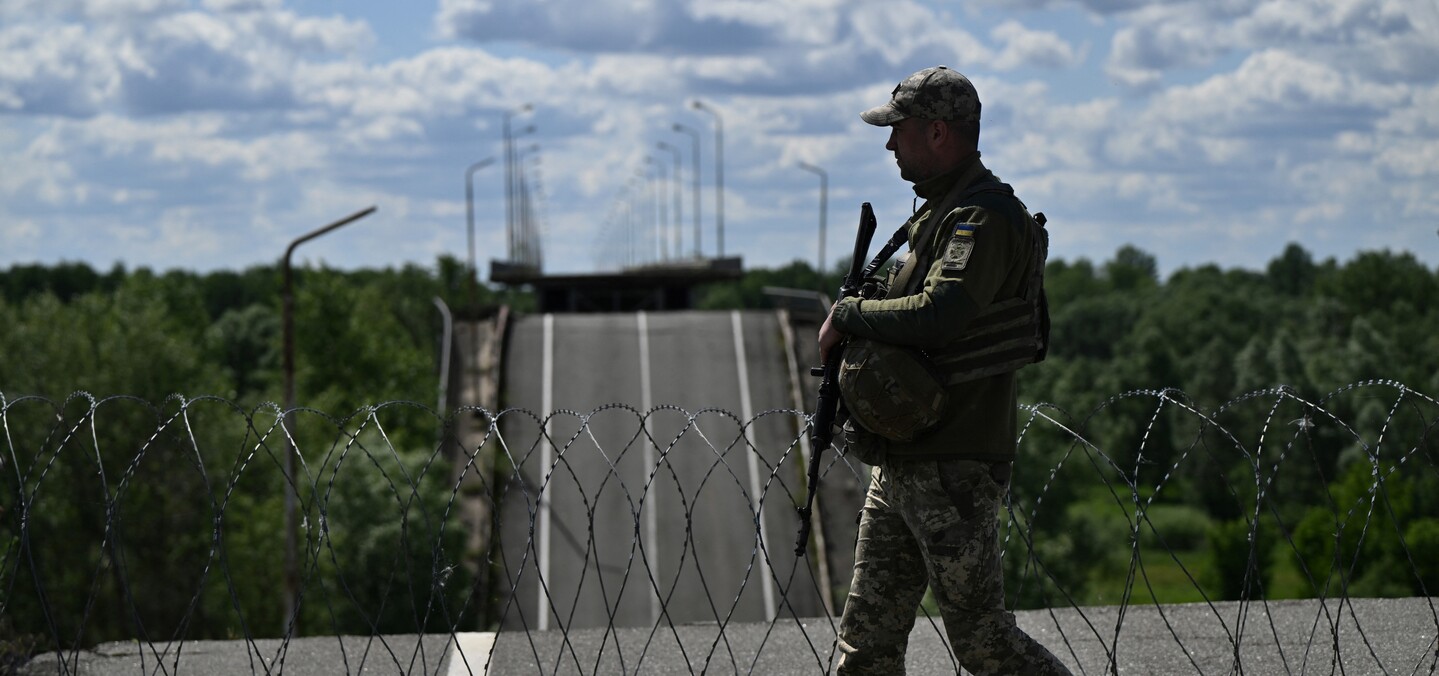
The recent damage inflicted by Ukrainian drones and missiles on Russia has made Belarus aware of its own vulnerabilities—and surprisingly amenable to Kyiv’s demands.

Artyom Shraibman
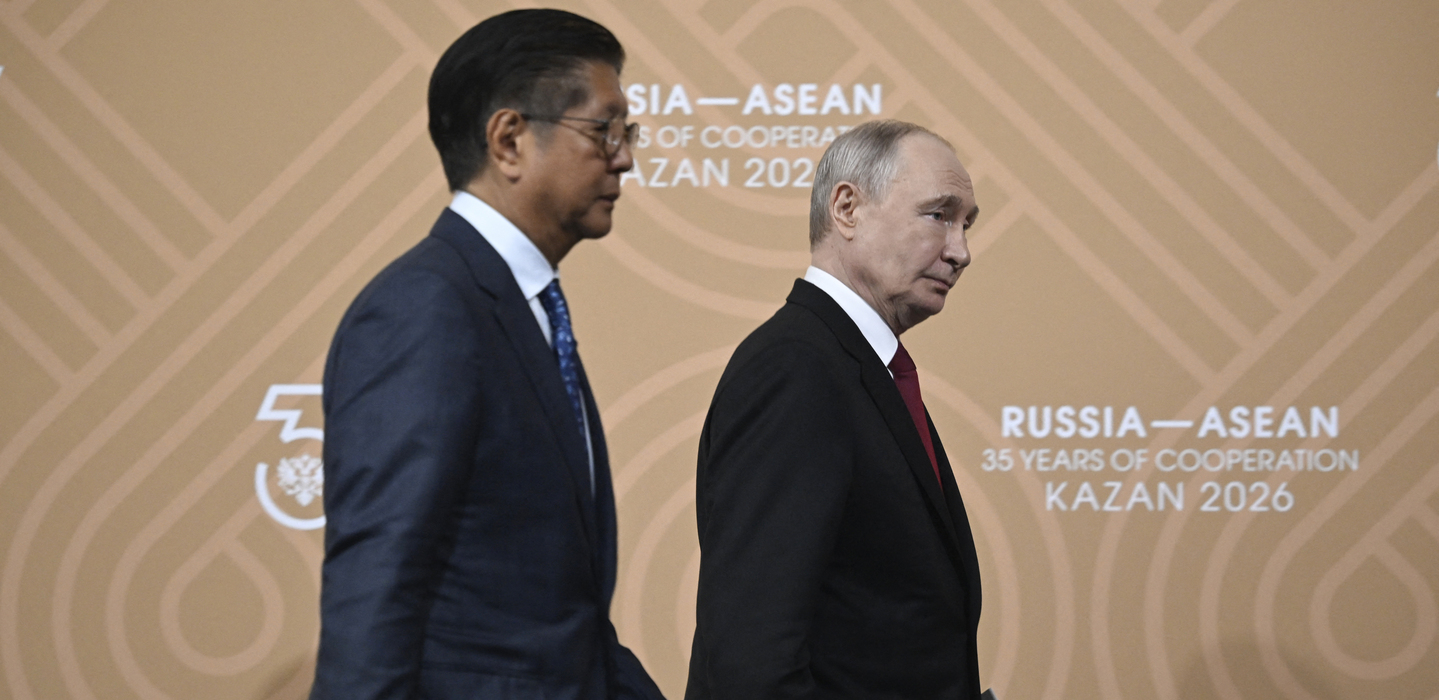
Russia looks set to reap economic benefits from closer ties with Southeast Asian countries that are keen to find reliable energy suppliers and diversify trade ties.

Alexander Gabuev