

Commentary
Reestablishing a dialogue with Moscow is not a goal in its own right. The goal is to guarantee the independence of Ukraine and the peace and security of Europe.
Arkady Moshes
{
  "authors": [
    "Tim Maurer",
    "Arthur Nelson"
  ],
  "type": "legacyinthemedia",
  "centerAffiliationAll": "dc",
  "centers": [
    "Carnegie Endowment for International Peace"
  ],
  "collections": [],
  "englishNewsletterAll": "ctw",
  "nonEnglishNewsletterAll": "",
  "primaryCenter": "Carnegie Endowment for International Peace",
  "programAffiliation": "TIA",
  "programs": [
    "Technology and International Affairs"
  ],
  "projects": [
    "Protecting Financial Stability"
  ],
  "regions": [
    "Iran"
  ],
  "topics": [
    "Security",
    "Technology"
  ]
}
REQUIRED IMAGE
Without dedicated action, the global financial system will only become more vulnerable as innovation, competition, and the pandemic further fuel the digital revolution.
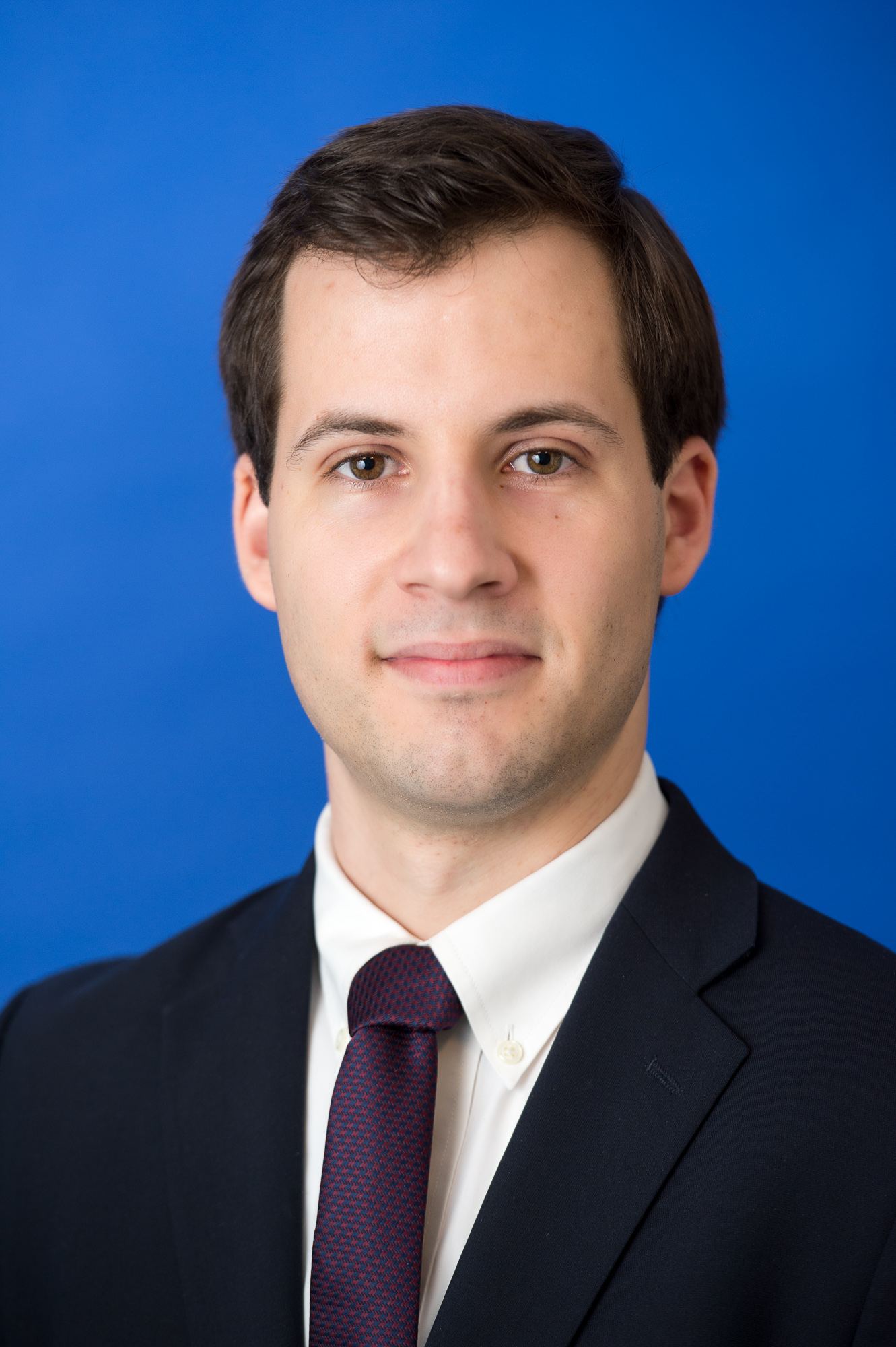
Tim Maurer
Former Senior Fellow, Technology and International Affairs Program
Dr. Tim Maurer was a senior fellow in Carnegie’s Technology and International Affairs program.

Co-Director, Technology and International Affairs Program
Arthur Nelson is co-director of Carnegie’s Technology and International Affairs Program.
Carnegie does not take institutional positions on public policy issues; the views represented herein are those of the author(s) and do not necessarily reflect the views of Carnegie, its staff, or its trustees.
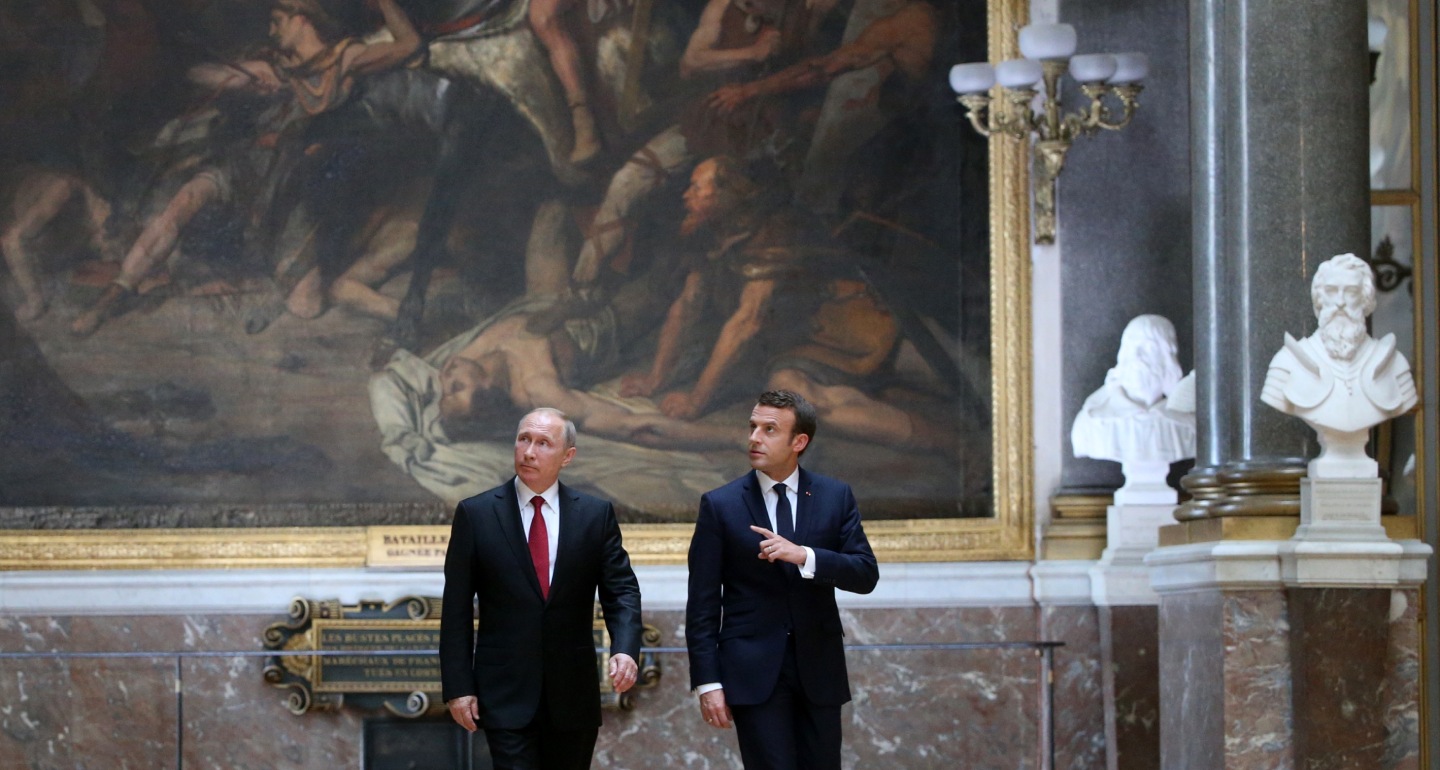
Reestablishing a dialogue with Moscow is not a goal in its own right. The goal is to guarantee the independence of Ukraine and the peace and security of Europe.
Arkady Moshes
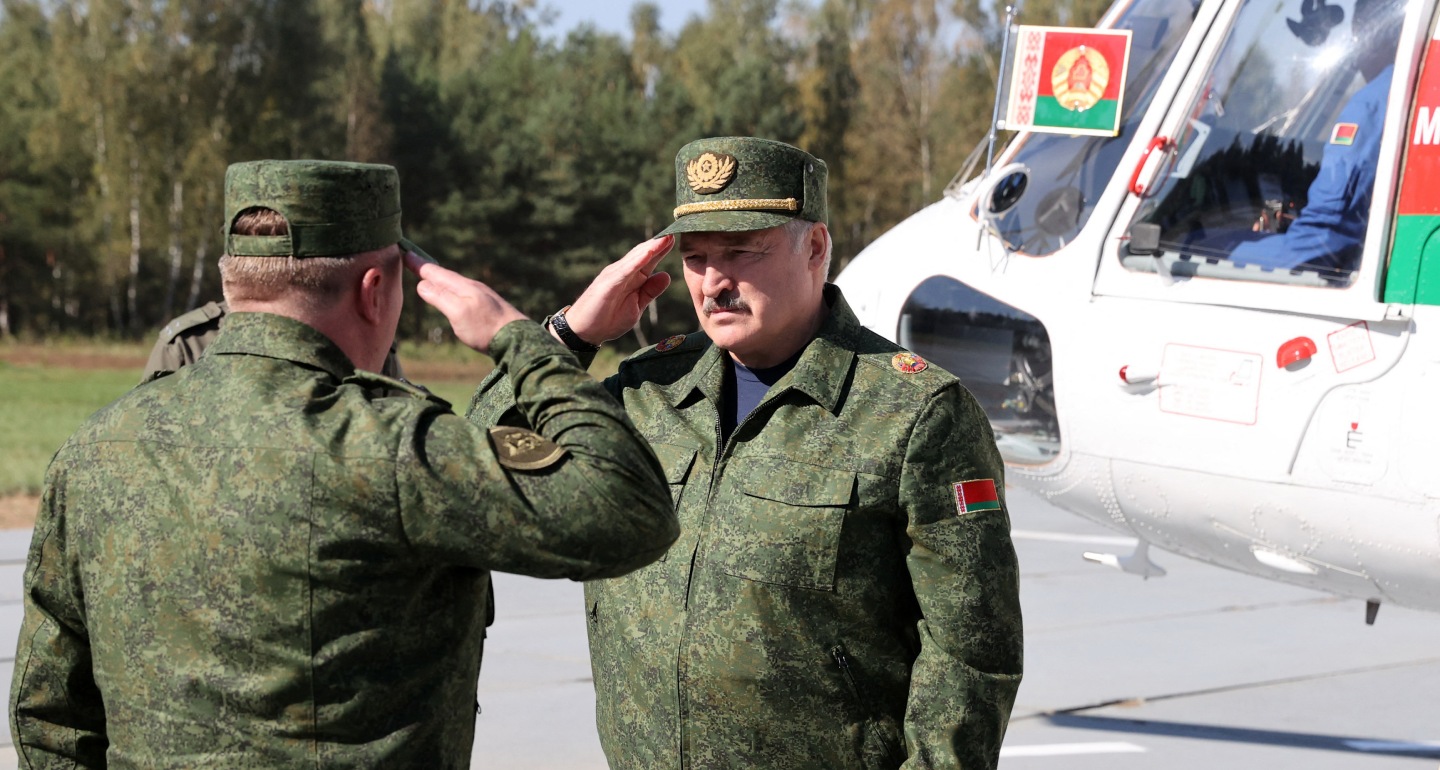
Ukraine’s increasingly confrontational posture on Belarus reflects Kyiv’s effort to shape the emerging regional order in Eastern Europe. Kyiv wants to limit European normalization with Minsk—and any future rapprochement with Russia.

Balázs Jarábik

A much-discussed disagreement over internet restrictions in Russia was never an existential threat for Putin: It was about elite groups protecting their interests.

Alexandra Prokopenko
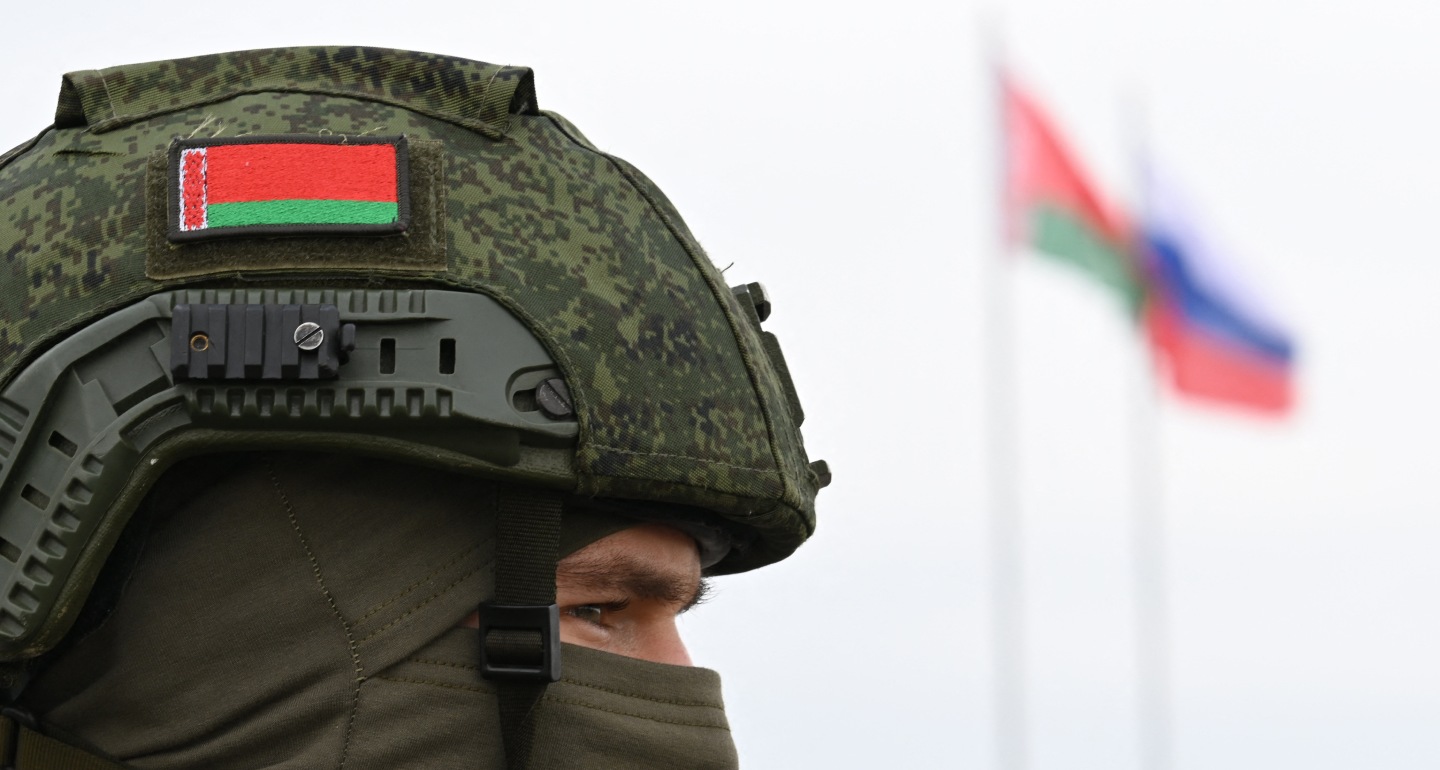
By reminding the world that Lukashenko is a threat to NATO and Ukraine, Kyiv is trying to return the focus to why the Belarusian regime needs to be contained rather than rewarded.

Artyom Shraibman
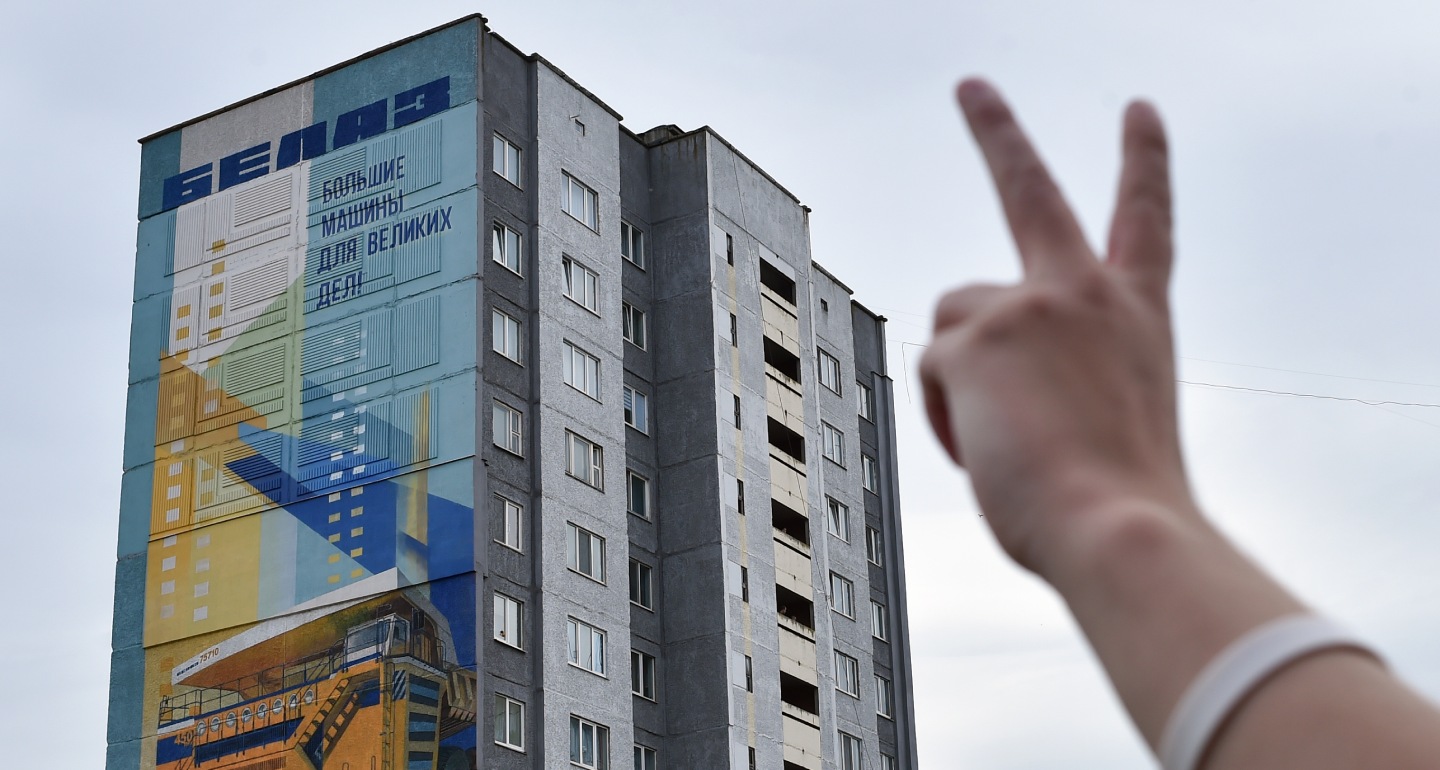
Minsk’s faith in the future of its larger neighbor’s economy is fading as Belarusian firms in Russia see record losses.

Olga Loiko