

Commentary
Governments in Estonia, Latvia, and Lithuania want to ensure that a U.S. military withdrawal would not leave them dangerously exposed to a Russian attack.
Sergejs Potapkins
{
  "authors": [
    "Richard Youngs",
    "Elene Panchulidze"
  ],
  "type": "legacyinthemedia",
  "centerAffiliationAll": "dc",
  "centers": [
    "Carnegie Endowment for International Peace",
    "Carnegie Europe"
  ],
  "collections": [
    "Europe’s Eastern Neighborhood"
  ],
  "englishNewsletterAll": "ctw",
  "nonEnglishNewsletterAll": "",
  "primaryCenter": "Carnegie Europe",
  "programAffiliation": "EP",
  "programs": [
    "Europe"
  ],
  "projects": [],
  "regions": [
    "Eastern Europe",
    "Western Europe",
    "Iran"
  ],
  "topics": []
}
REQUIRED IMAGE
European governments need full-spectrum geopolitical engagement and commitment to the eastern region, not merely the kind of Eastern Partnership incrementalism seen at the summit.

Senior Fellow, Democracy, Conflict, and Governance Program
Richard Youngs is a senior fellow in the Democracy, Conflict, and Governance Program, based at Carnegie Europe. He works on EU foreign policy and on issues of international democracy.

Elene Panchulidze
Head of Research, European Partnership for Democracy
Elene Panchulidze is head of research at the European Partnership for Democracy.
Carnegie does not take institutional positions on public policy issues; the views represented herein are those of the author(s) and do not necessarily reflect the views of Carnegie, its staff, or its trustees.
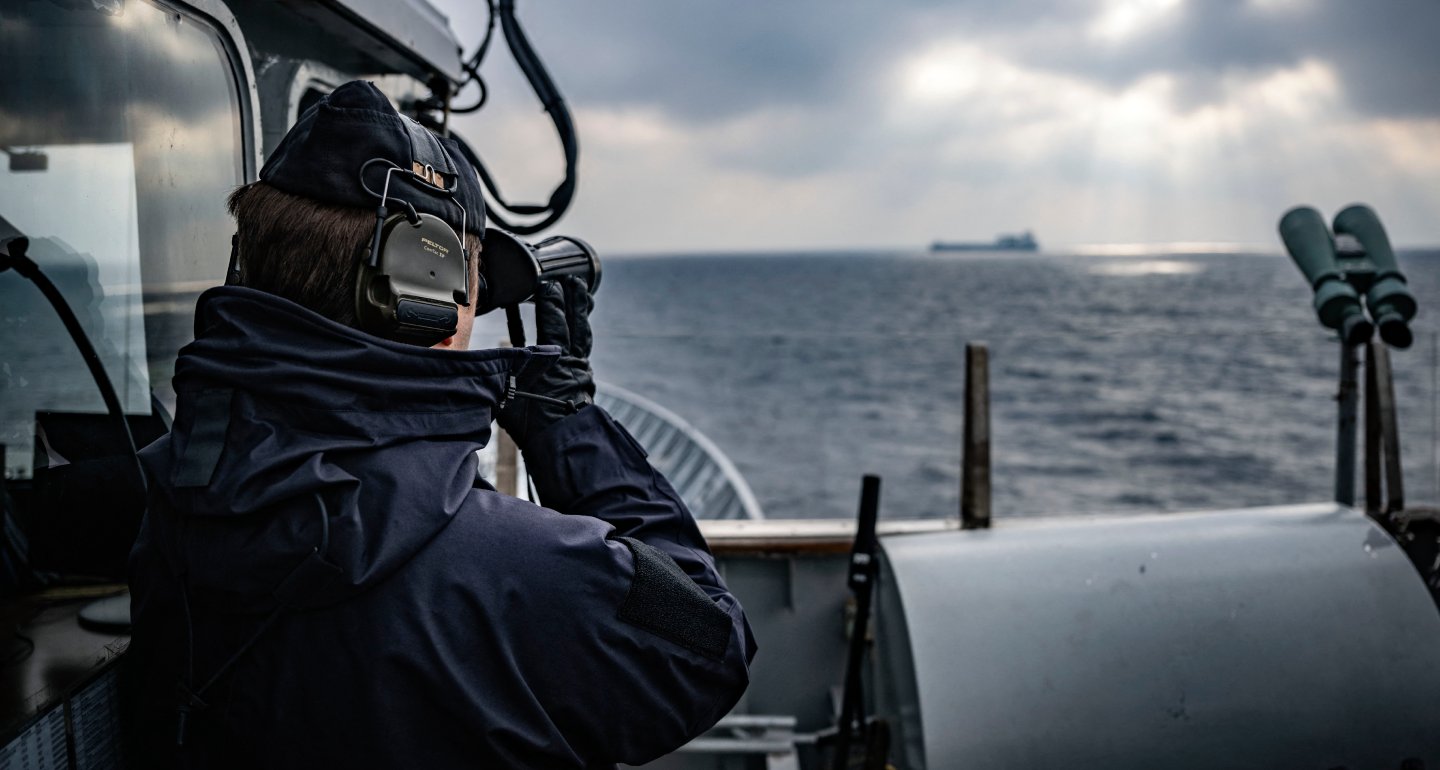
Governments in Estonia, Latvia, and Lithuania want to ensure that a U.S. military withdrawal would not leave them dangerously exposed to a Russian attack.

Sergejs Potapkins
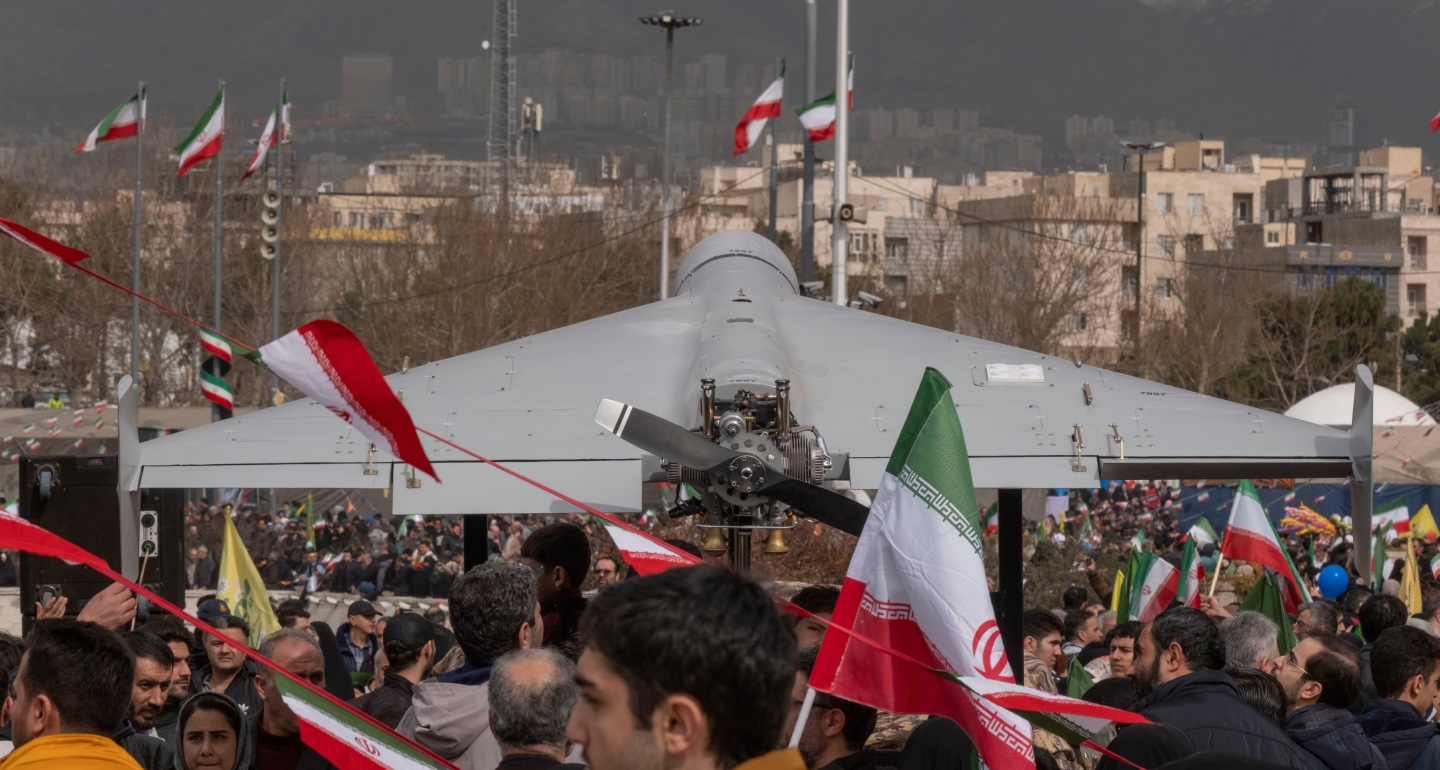
The Russian leadership wants to avoid a dangerous precedent in which it is squeezed out of Iran by the United States and Israel—and left powerless to respond in any meaningful way.

Nikita Smagin
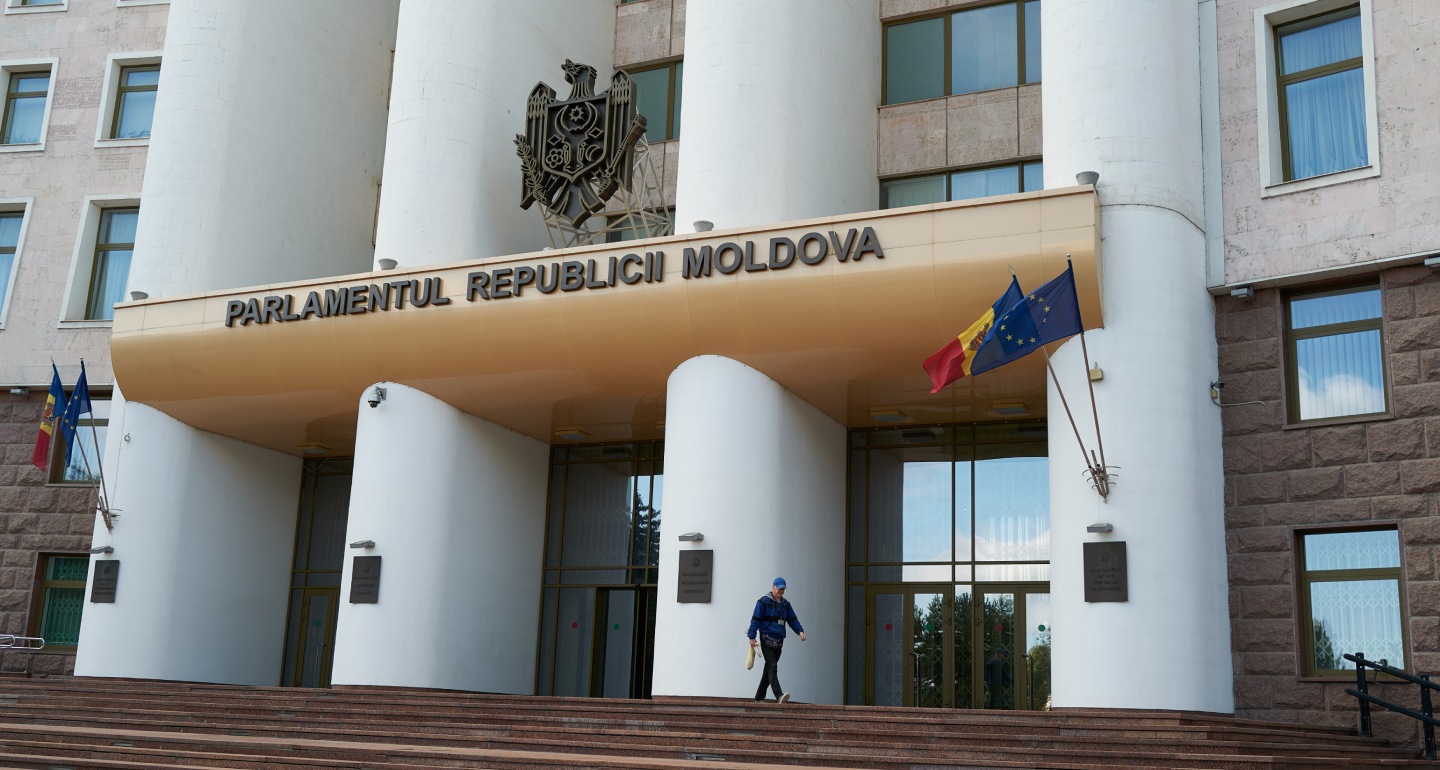
Moldova’s reintegration plan was drawn up to demonstrate to Brussels that Chișinău is serious about the Transnistria issue—and to get the West to react.

Vladimir Solovyov
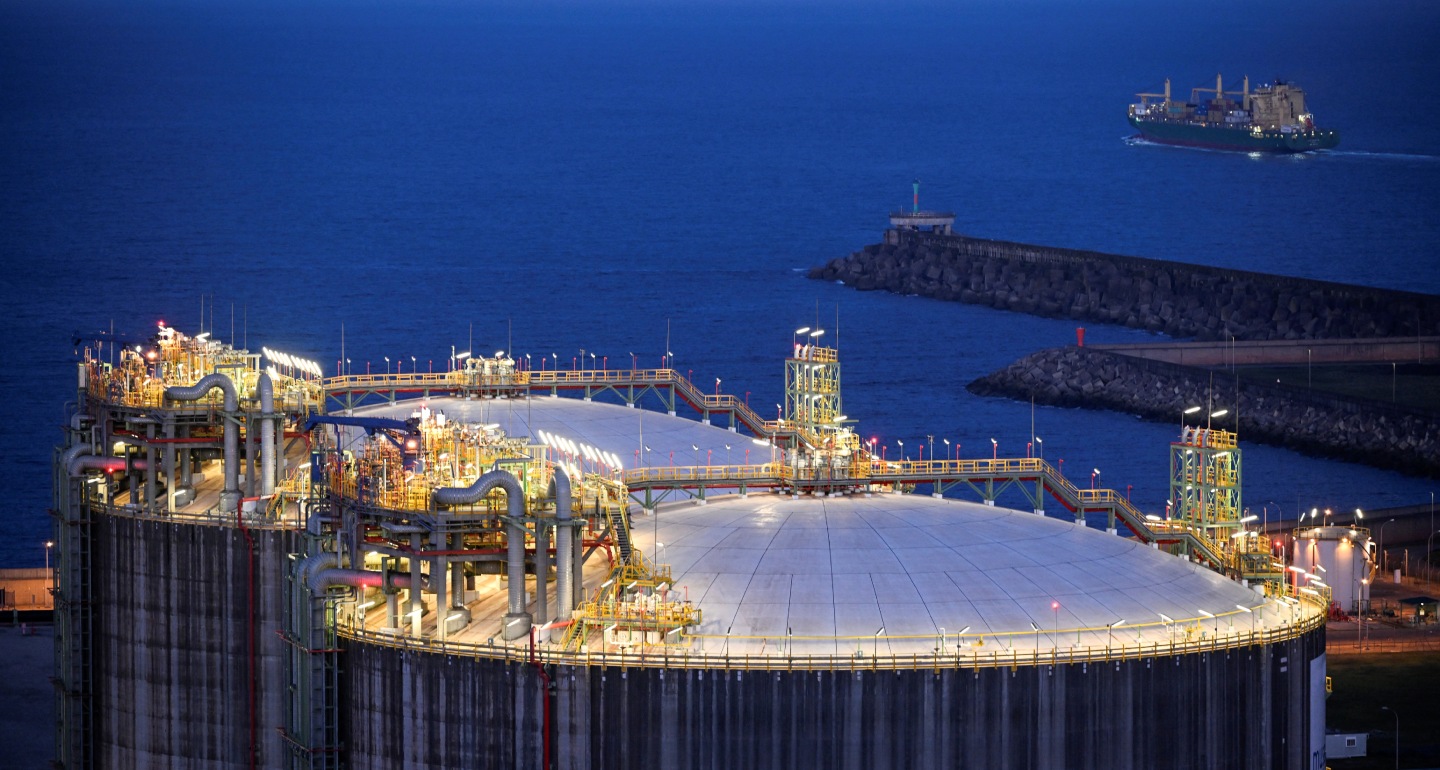
The future trajectory of the U.S.-Iran war remains uncertain, but its impact on global energy trade flows and ties will be far-reaching. Moscow is likely to become a key beneficiary of these changes; the crisis in the Gulf also strengthens Russia’s hand in its relationships with China and India, where advantages might prove more durable.

Sergey Vakulenko
The Kremlin expects to not only profit from rising fertilizer prices but also exact revenge for the collapse of the 2023 grain deal.

Alexandra Prokopenko