

Commentary
The Russian leadership wants to avoid a dangerous precedent in which it is squeezed out of Iran by the United States and Israel—and left powerless to respond in any meaningful way.
Nikita Smagin
{
  "authors": [
    "Ariel (Eli) Levite",
    "Monica Pellerano",
    "Vishnu Kannan",
    "Robert Taj Moore",
    "Sam Barnett",
    "Gaurav Kalwani"
  ],
  "type": "other",
  "centerAffiliationAll": "dc",
  "centers": [
    "Carnegie Endowment for International Peace"
  ],
  "collections": [],
  "englishNewsletterAll": "ctw",
  "nonEnglishNewsletterAll": "",
  "primaryCenter": "Carnegie Endowment for International Peace",
  "programAffiliation": "TIA",
  "programs": [
    "Technology and International Affairs"
  ],
  "projects": [],
  "regions": [
    "Iran"
  ],
  "topics": []
}
Source: Getty
Carnegie’s Cloud Governance Project offers a holistic, first-of-its-kind framework for understanding and addressing a wide range of interrelated cloud policy issues across a number of strategic areas.
Senior Fellow, Nuclear Policy Program, Technology and International Affairs Program
Levite was the principal deputy director general for policy at the Israeli Atomic Energy Commission from 2002 to 2007.
Monica Pellerano
Former Research Analyst, Cyber Policy Initiative
Monica Pellerano is a research analyst in the Cyber Policy Initiative.
Vishnu Kannan
Former Advisor to the President, Carnegie Endowment for International Peace
Vishnu Kannan is a J.D. candidate at Stanford Law School. He was previously the advisor to the president at the Carnegie Endowment for International Peace, where he led executive office strategic initiatives and the president’s research team.
Former Fellow, Technology and International Affairs Program
R. Taj Moore is a lawyer and fellow in the Technology and International Affairs Program
Sam Barnett
Former Nonresident Research Analyst
Sam Barnett was a nonresident research analyst.
Gaurav Kalwani
Former Research Assistant, Nuclear Policy Program
Gaurav Kalwani was a research assistant with the Nuclear Policy Program.
Carnegie does not take institutional positions on public policy issues; the views represented herein are those of the author(s) and do not necessarily reflect the views of Carnegie, its staff, or its trustees.
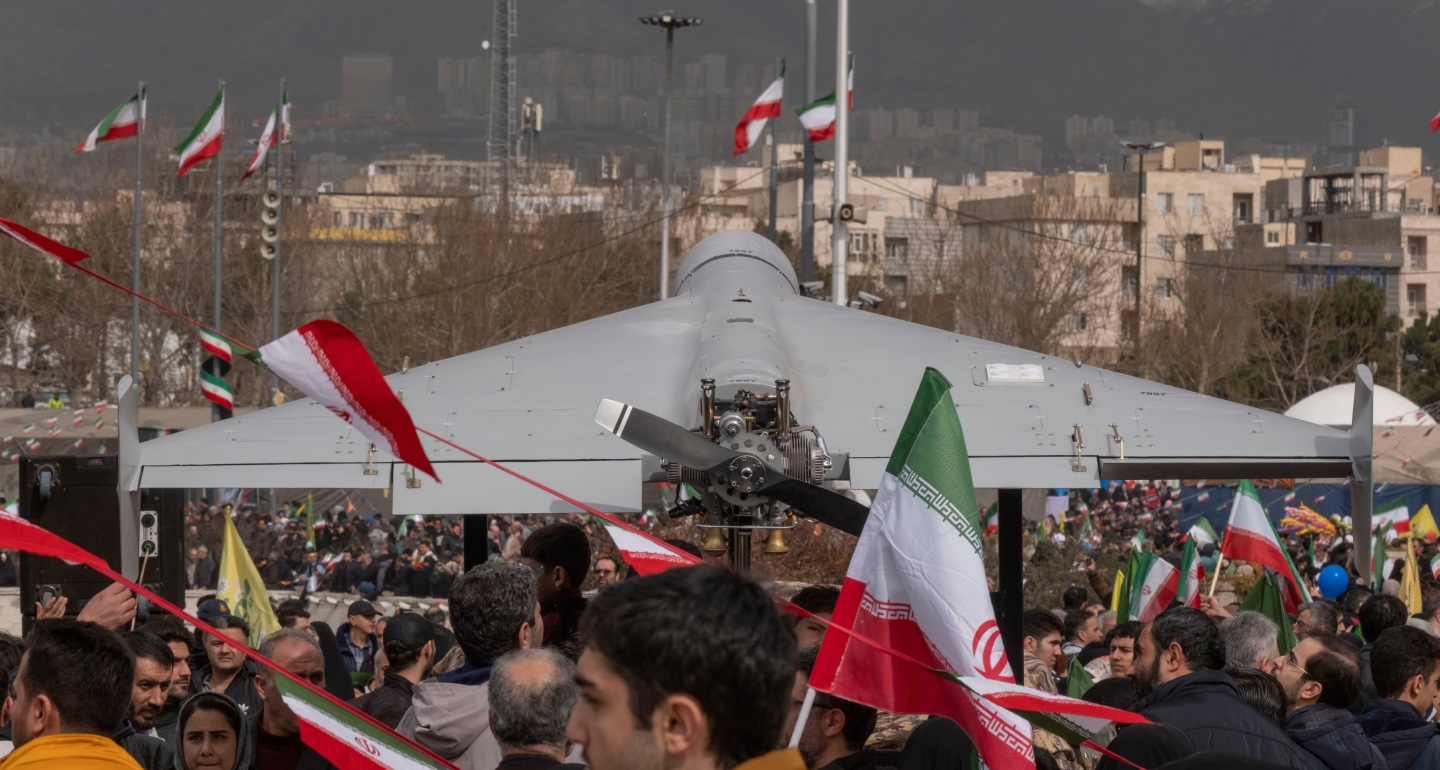
The Russian leadership wants to avoid a dangerous precedent in which it is squeezed out of Iran by the United States and Israel—and left powerless to respond in any meaningful way.

Nikita Smagin
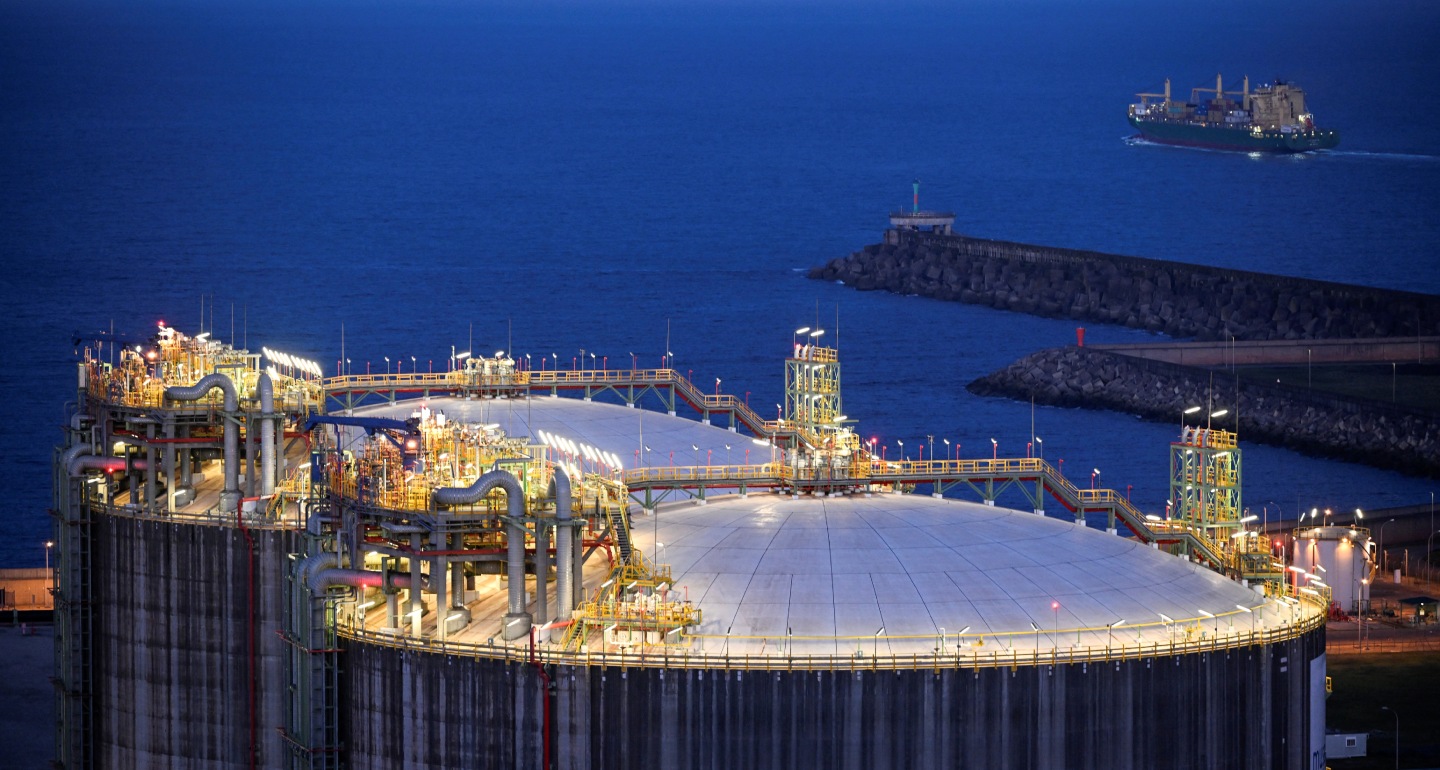
The future trajectory of the U.S.-Iran war remains uncertain, but its impact on global energy trade flows and ties will be far-reaching. Moscow is likely to become a key beneficiary of these changes; the crisis in the Gulf also strengthens Russia’s hand in its relationships with China and India, where advantages might prove more durable.

Sergey Vakulenko
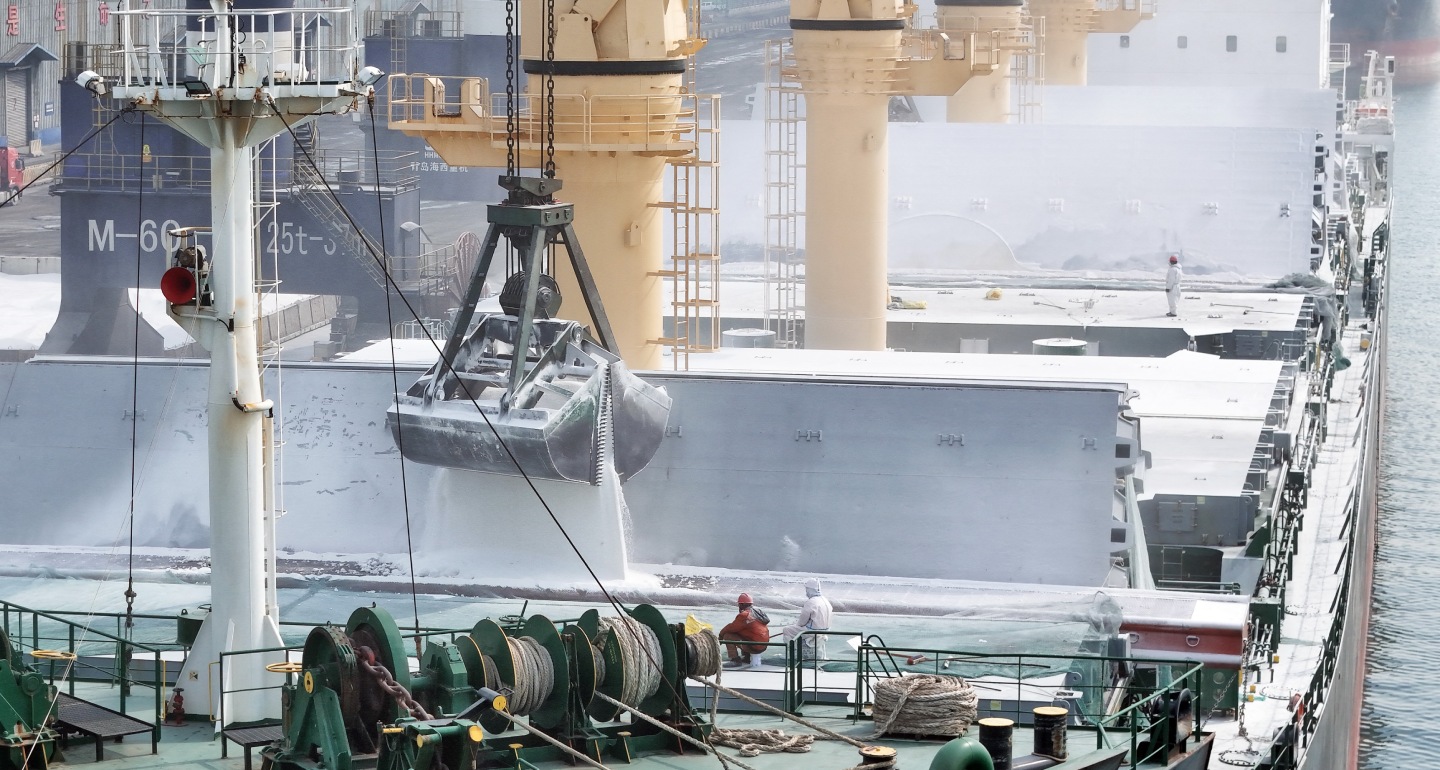
The Kremlin expects to not only profit from rising fertilizer prices but also exact revenge for the collapse of the 2023 grain deal.

Alexandra Prokopenko
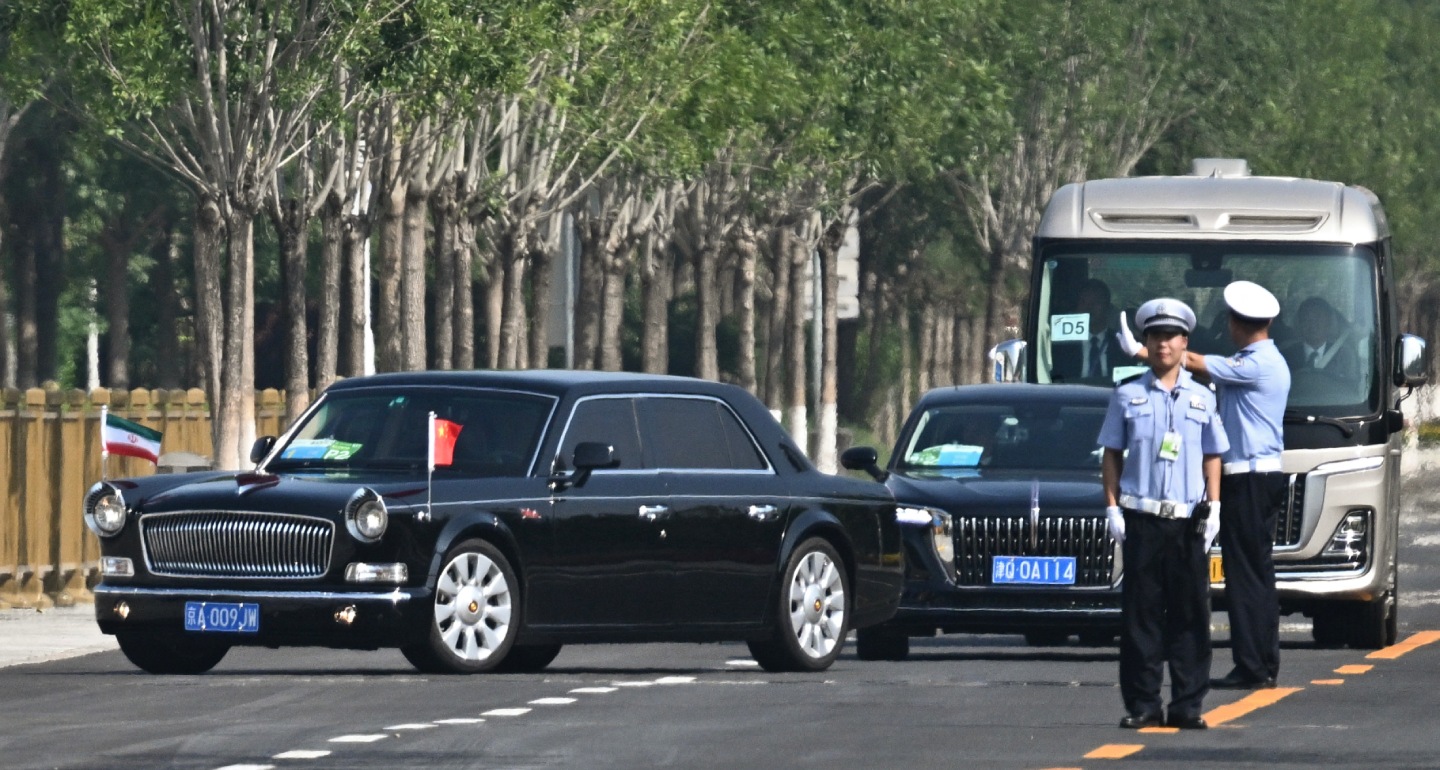
Most of Moscow’s military resources are tied up in Ukraine, while Beijing’s foreign policy prioritizes economic ties and avoids direct conflict.


Alexander Gabuev, Temur Umarov
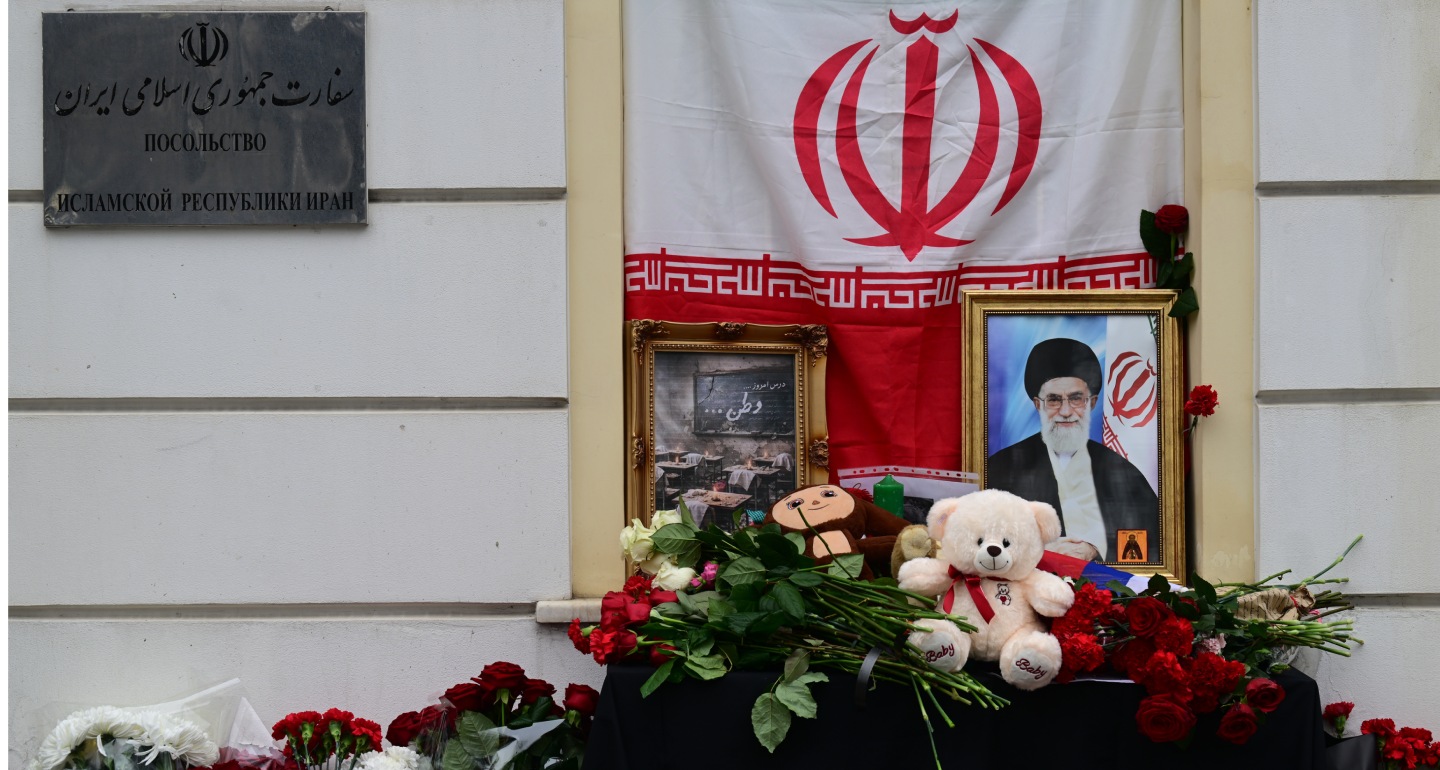
If the regime in Tehran survives, it could be obliged to hand Moscow significant political influence in exchange for supplies of weapons and humanitarian aid.
Nikita Smagin