

Research
Steve Feldstein, Shreya Joshi
{
  "authors": [
    "Steve Feldstein"
  ],
  "type": "legacyinthemedia",
  "centerAffiliationAll": "dc",
  "centers": [
    "Carnegie Endowment for International Peace"
  ],
  "collections": [
    "Global Democracy"
  ],
  "englishNewsletterAll": "democracy",
  "nonEnglishNewsletterAll": "",
  "primaryCenter": "Carnegie Endowment for International Peace",
  "programAffiliation": "DCG",
  "programs": [
    "Democracy, Conflict, and Governance"
  ],
  "projects": [],
  "regions": [],
  "topics": [
    "Democracy",
    "Technology"
  ]
}
REQUIRED IMAGE
In the context of global democratic backsliding, unregulated AI surveillance threatens to widen gaps in the rule of law and tilt the playing field toward illiberal governments in settings where checks and balances are already weakened.

Director and Senior Fellow, Democracy, Conflict, and Governance Program
Steve Feldstein is a senior fellow and director of the Democracy, Conflict, and Governance Program at the Carnegie Endowment for International Peace. His research focuses on technology, national security, the global context for democracy, and U.S. foreign policy.
Recent Work
Steve Feldstein, Shreya Joshi
Steve Feldstein
Carnegie does not take institutional positions on public policy issues; the views represented herein are those of the author(s) and do not necessarily reflect the views of Carnegie, its staff, or its trustees.
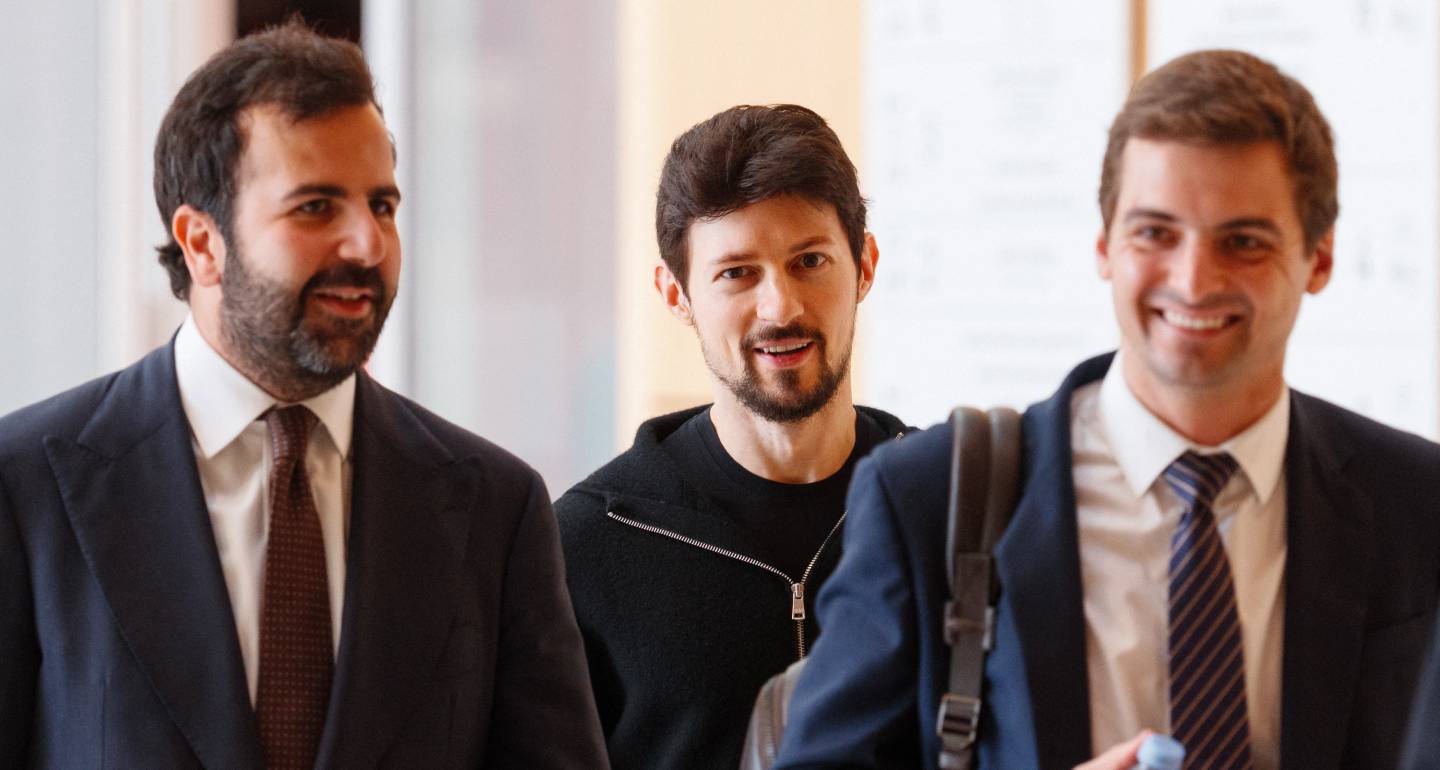
While France and Australia are seeking to establish the legal obligations of messaging apps like Telegram, Russia wants total subordination.

Maria Kolomychenko

The war in Ukraine and a change in ownership led VK to neglect its commercial ventures in favor of implementing the Kremlin’s online agenda. Now it’s been sanctioned by the EU.
Maria Kolomychenko

When political power is concentrated in the hands of a small circle of people, a country invariably ends up with technological stagnation.
Aleksei Kiselev
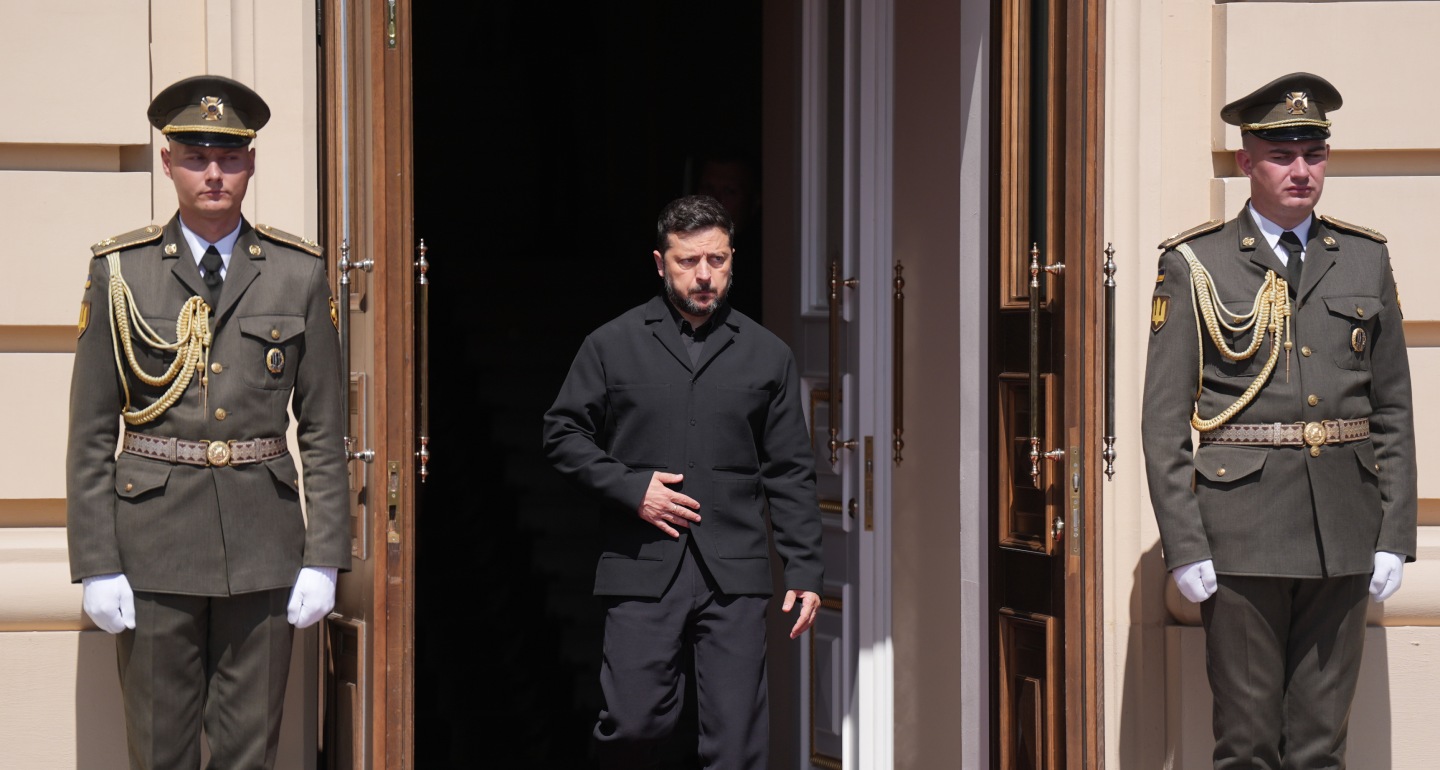
Ultimately, Zelensky sided neither with the reform camp nor with the military establishment as such, but with political control.

Balázs Jarábik

With its scattershot approach to enforcing internet censorship, the Russian regime risks losing a battle against the many Russians who have learned to evade online restrictions.
Maria Kolomychenko