

Article
Zainab Usman
{
  "authors": [
    "Zainab Usman"
  ],
  "type": "legacyinthemedia",
  "centerAffiliationAll": "dc",
  "centers": [
    "Carnegie Endowment for International Peace"
  ],
  "collections": [],
  "englishNewsletterAll": "africa",
  "nonEnglishNewsletterAll": "",
  "primaryCenter": "Carnegie Endowment for International Peace",
  "programAffiliation": "AFP",
  "programs": [
    "Africa"
  ],
  "projects": [],
  "regions": [
    "Southern, Eastern, and Western Africa"
  ],
  "topics": [
    "Economy"
  ]
}
REQUIRED IMAGE
Nigeria’s future will be determined by how well the country achieves sustained economic growth, diversification and transformation to become an industrialized and high-productivity economy.
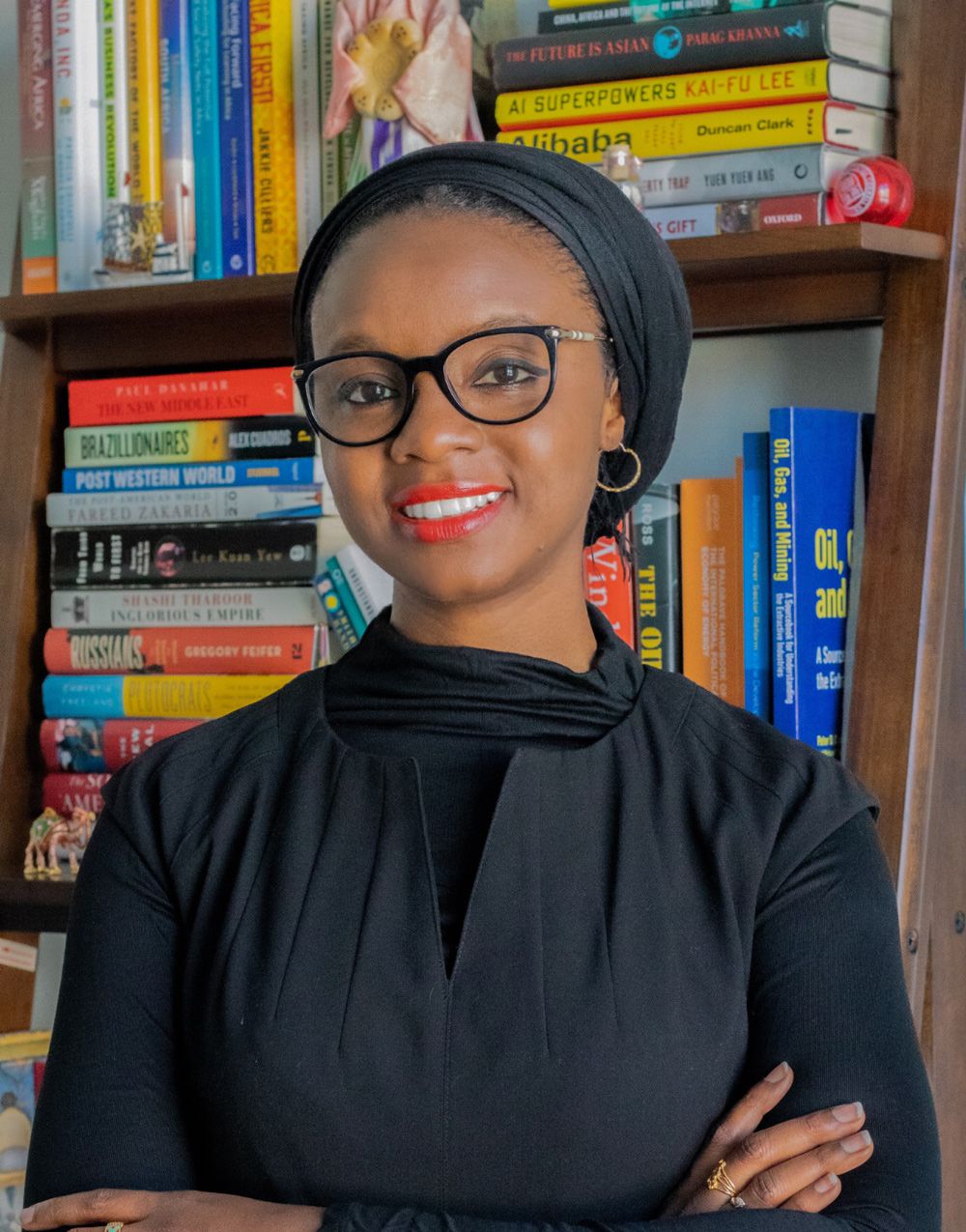
Former Director, Africa Program
Zainab Usman was a senior fellow and the inaugural director of the Africa Program at the Carnegie Endowment for International Peace.
Recent Work
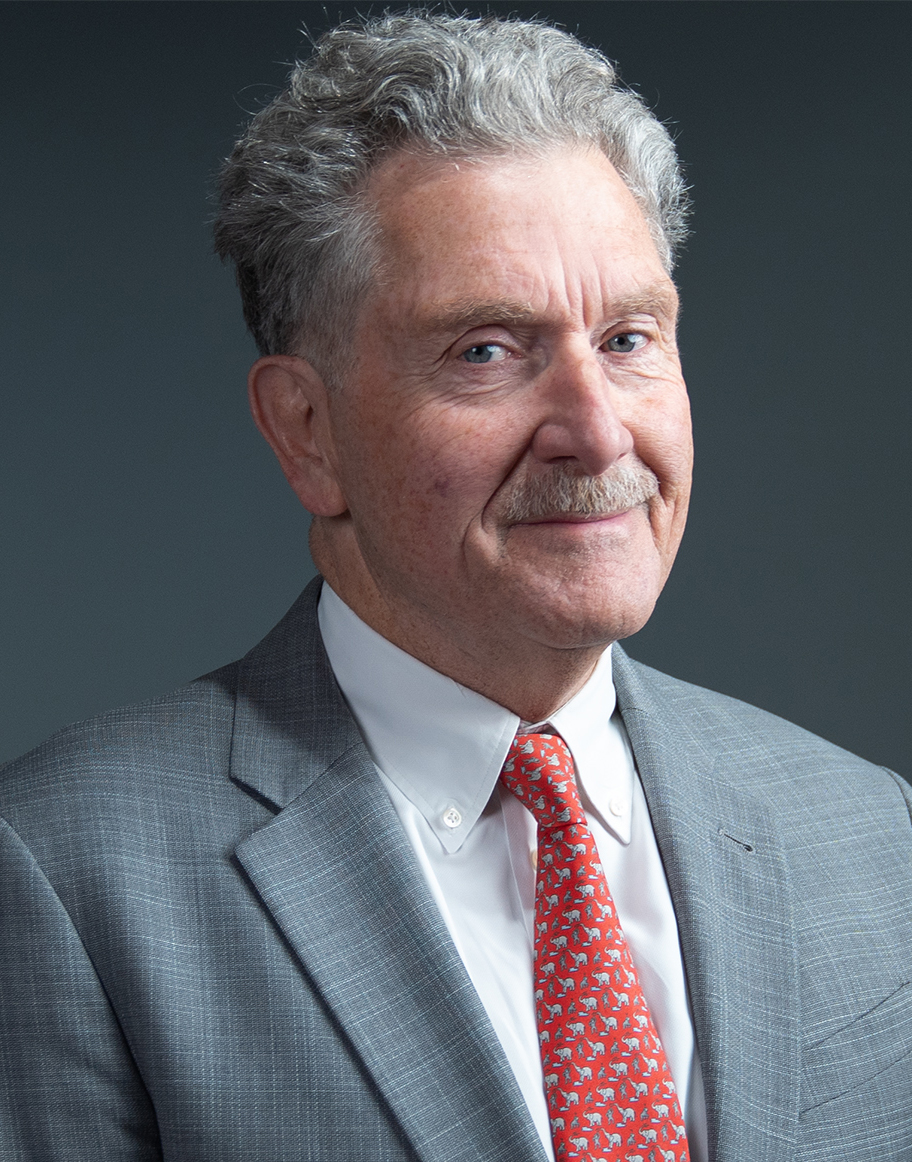
Zainab Usman, Anthony Carroll
Carnegie does not take institutional positions on public policy issues; the views represented herein are those of the author(s) and do not necessarily reflect the views of Carnegie, its staff, or its trustees.

Russian strikes are weakening the economy sustaining Ukraine’s war effort. Closing the growing funding gap will require more European support and politically contentious reforms in Kyiv.

Balázs Jarábik

For every ruble allocated to social policy, health, and education in 2027, double that amount is earmarked for the army, the police, and the security services.

Alexandra Prokopenko

Depleted financial reserves and a shrinking tax base mean it is no longer possible to simultaneously deliver high defense spending, price stability, and economic growth.
Alexandra Prokopenko

A much-discussed disagreement over internet restrictions in Russia was never an existential threat for Putin: It was about elite groups protecting their interests.
Alexandra Prokopenko

The demands of the Kremlin’s war in Ukraine, demographic problems, and public hostility toward Central Asians mean Russia does not have enough workers.
Salavat Abylkalikov