

Commentary
Ultimately, Zelensky sided neither with the reform camp nor with the military establishment as such, but with political control.
Balázs Jarábik
{
  "authors": [
    "Layla Gantus"
  ],
  "type": "questionAnswer",
  "centerAffiliationAll": "dc",
  "centers": [
    "Carnegie Endowment for International Peace"
  ],
  "collections": [
    "Palestine/Israel Projects"
  ],
  "englishNewsletterAll": "menaTransitions",
  "nonEnglishNewsletterAll": "",
  "primaryCenter": "Carnegie Endowment for International Peace",
  "programAffiliation": "MEP",
  "programs": [
    "Middle East"
  ],
  "projects": [
    "Shrinking Civic Spaces for Palestine/Israel Discourse"
  ],
  "regions": [
    "Middle East",
    "Israel",
    "Palestine"
  ],
  "topics": [
    "Democracy"
  ]
}
Source: Getty
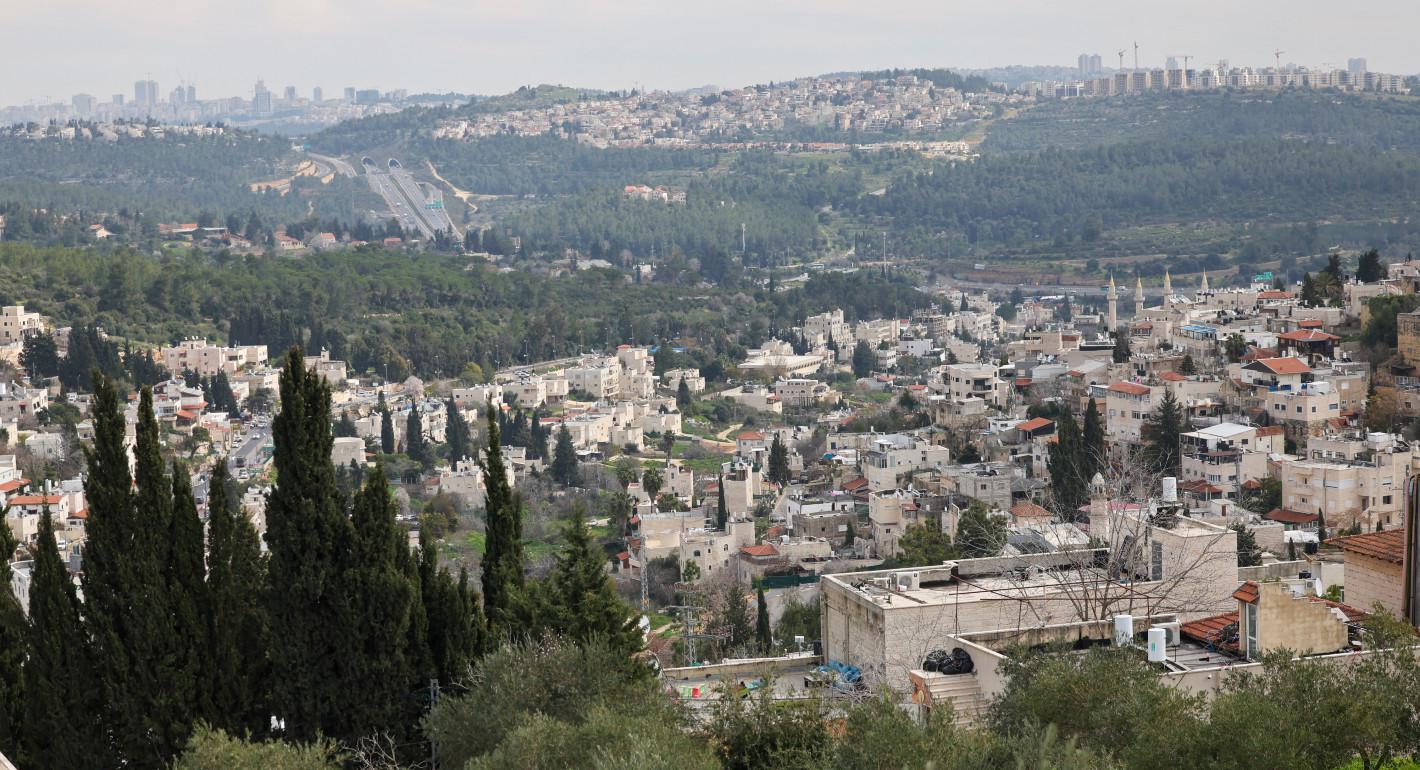
PCIs, who are among Israel’s most marginalized minorities, have experienced even more violence and racism after the October 7 Hamas attacks.
Despite the intense global focus on Gaza, the troubling situation of Palestinian citizens of Israel (PCIs) has received scant attention. Since the events of October 7, the nearly 2 million PCIs—also known as Arab Israelis, though many reject that label—have faced increasing discrimination from state and local authorities as well as from their Jewish counterparts, with little recourse available to them. Whether this becomes a lasting trend is yet to be seen.
Though three-quarters of Palestinians were forced out of lands that became Israel in 1948, 150,000 were allowed to remain and were granted citizenship. They now account for approximately 20 percent of Israel’s population. A majority live in villages and cities segregated from Jewish society, while only about 8 percent live in mixed, Jewish-Palestinian cities.
PCIs are among Israel’s most marginalized minorities. Israel does not have a constitution that guarantees equality for all before the law. Instead, important privileges and rights are conferred based on nationality. For example, an Israeli law passed in 2018 declared that only Jewish people have a right to self-determination and that Arabic is not an official language, despite its indigeneity. Even discussing the Palestinian history of displacement and dispossession in public entities, including schools, risks the loss of state funding under legislation popularly known as the Nakba law.
PCIs also hold different identification documents than their Jewish counterparts. The IDs are labeled with race and religion—markers that restrict where Arabs can reside. Though most PCIs are allowed to vote (since they hold Israeli passports, which differentiates them from East Jerusalemites, who do not), they face organized suppression and intimidation efforts. In elections conducted in 2019, authorities mounted cameras in polling stations where PCIs vote, and those living in the Naqab (Negev) had to travel 50 kilometers (31 miles) to the closest polling station. It wasn’t until 2021 that a Palestinian political party was able to join an Israeli governing coalition for the first time. The experience was short-lived, however, and it was succeeded by the most extreme, right-wing government in Israel’s history.
Even though they face civic, social, and economic differential treatment and discrimination, PCIs were largely absent from the almost nine months of protests in Israel challenging the government’s plan to limit judicial review of state law and policies. Most Palestinians viewed the protests as an effort to maintain a status quo rather than a movement for progressive social change that might address the racism they face.
Hamas’s attack on October 7 killed twenty-one PCIs. Six PCIs were taken hostage, two of whom have since been released during prisoner exchangers, and one was killed by the Israeli army while trying to escape in mid-December. In addition, PCIs who live mainly in unrecognized, sparsely populated herding and agricultural communities near the Gaza border have not benefited from Israeli state security to protect them. They have been unable to seek alternative shelter during the Gaza war, and as a result, at least seven have been killed by Hamas missiles, including six children.
Though 53 percent of the population of Israel’s Northern District are PCIs, around half do not have access to bomb shelters to protect them from Hezbollah artillery or rockets. Moreover, some PCIs who were inside Gaza living or visiting family on October 7 have been able to leave, but they were unable to take their non-Israeli family members with them.
PCIs have been hesitant to express themselves either in public or in private conversations since the attacks. A poll conducted in December showed that 70 percent of PCIs did not feel comfortable sharing their opinions of the war on social media. Social media posts or other public statements about Gaza have been the basis for actions against PCIs, resulting in job losses, expulsion from school, or even arrest. According to the Emergency Coalition of Arab Society, a Palestinian civil rights organization in Israel, 108 students have faced repercussions from their colleges for their speech, and twenty-seven have been expelled. More than a hundred PCIs have been fired from their jobs, and 221 have been arrested—most due to social media posts. Media personalities and influencers have been targeted for arrest, likely to discourage other PCIs from speaking out. Even those PCIs expressing patriotic or pro-Israel sentiments have been targeted.
Police have also cracked down on protests inside PCIs’ towns using intimidation tactics on the basis that demonstrations might “endanger the public well-being.” Though the Israeli Supreme Court found that authorities had no right to decree sweeping prohibitions on preapproved demonstrations, it rejected a petition to allow antiwar protests in two of the largest Palestinian towns in Israel, Sakhnin and Umm al-Fahm. In early February, prominent PCI lawyer Ahmad Khalefa was released to home confinement after spending 110 days in prison for organizing an anti-war march in October, for which he was charged with “incitement to terrorism” and “identifying with a terrorist organization.” He faces up to eight years in prison for what his colleagues say are unsubstantiated charges.
Access to certain reading material is also being restricted. On November 8, the Knesset enacted a new law to restrict the “persistent consumption” of “terrorist materials,” punishable by up to a year in prison. Which materials might be deemed terroristic is not defined. To implement the law, the police have started confiscating phones from PCIs and scrolling through their social media accounts and chat groups for evidence of violations of the law. Those arrested may be held in prison without bail until their hearings.
Have They Faced Violence or Other Threats?
As vitriol from Israeli media stations and politicians against PCIs has increased, so have incidents of violence and racism. For example, on October 28, a mob surrounded a dormitory for Palestinian students at Netanya College and chanted “death to Arabs.” Though the police and some PCI community leaders prevented the mob from entering the building, the students were forced to return to their villages because their safety could not be ensured. PCIs have also shown up to work to see racist, offensive graffiti targeting them and have been physically threatened by patrons. Some PCIs employed in Jewish or mixed localities have stopped working because of this.
What Does This Mean for the Status of PCIs?
Many PCIs identified with their Jewish counterparts in the first weeks of the war. According to an Israel Democracy Institute poll conducted a month after the attacks, more than 70 percent of PCIs felt more a part of Israel and its issues—an all-time high, as this number has hovered around 40 percent since 2015. However, subsequent polling conducted between November 27 and December 4 showed a 5 percent drop, perhaps because PCIs realized they were not being protected by authorities in the same way as Jewish Israelis and as they faced restrictions on their speech and right to protest. In the same poll, 46 percent of PCIs responded that they felt uncomfortable speaking Arabic around Jewish Israelis, and 54 percent said they felt uncomfortable entering Jewish or mixed localities for work or errands. This is an alarming development for the integration of society, and there is no guarantee that it will be mended after the war ends.
Layla Gantus
Former Research Assistant, Middle East Program
Layla Gantus was a research assistant in the Carnegie Middle East Program.
Carnegie does not take institutional positions on public policy issues; the views represented herein are those of the author(s) and do not necessarily reflect the views of Carnegie, its staff, or its trustees.
Ultimately, Zelensky sided neither with the reform camp nor with the military establishment as such, but with political control.

Balázs Jarábik

This year’s wars have made alternative routes to transit through Russia no less risky for Central Asian countries.

Galiya Ibragimova
Not only does the fighting jeopardize regional security, it undermines Russian attempts to promote alternatives to the Western-dominated world order.
Ruslan Suleymanov
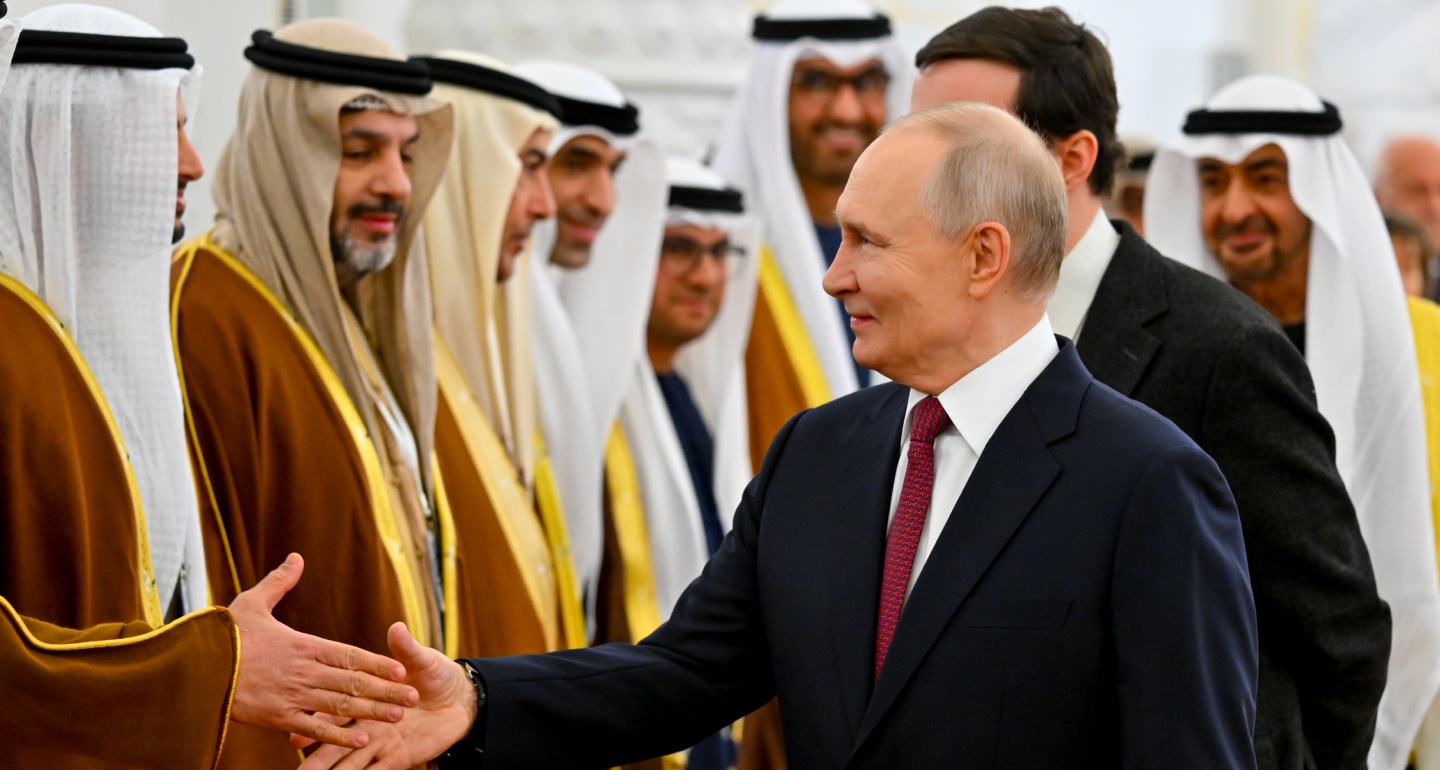
Disillusioned with the West over Gaza, Arab countries are not only trading more with Russia; they are also more willing to criticize Kyiv.
Ruslan Suleymanov

Baku may allow radical nationalists to publicly discuss “reunification” with Azeri Iranians, but the president and key officials prefer not to comment publicly on the protests in Iran.

Bashir Kitachaev