

Commentary
Cargo traffic through Russia’s Northern Sea Route has increased because of the disruption caused by the conflict in the Middle East, the Ukraine war, and U.S.-China tensions.
Mikhail Korostikov
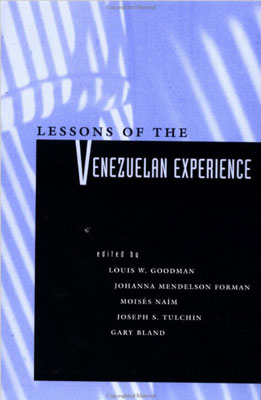
Papers presented at an October 1992 conference form the basis of the chapters in this book, although some were commissioned after the conference. Topics include the decline of Venezuelan exceptionalism, political parties and the Democratic crisis, popular opinion, civil- military relations, the Venezuelan private sector, social policy, and constitutional reform.
Source: Woodrow Wilson Center Press
Papers presented at an October 1992 conference form the basis of the chapters in this book, although some were commissioned after the conference. Topics include the decline of Venezuelan exceptionalism, political parties and the Democratic crisis, popular opinion, civil-military relations, the Venezuelan private sector, social policy, and constitutional reform.
Paperback: 576 pages
Publisher: Woodrow Wilson Center Press (November 1, 1994)
ISBN: 0943875668
Louis W. Goodman
Johana Mendelson Forman

Distinguished Fellow
Moisés Naím is a distinguished fellow at the Carnegie Endowment for International Peace, a best-selling author, and an internationally syndicated columnist.
Jose Tulchin
Carnegie does not take institutional positions on public policy issues; the views represented herein are those of the author(s) and do not necessarily reflect the views of Carnegie, its staff, or its trustees.

Cargo traffic through Russia’s Northern Sea Route has increased because of the disruption caused by the conflict in the Middle East, the Ukraine war, and U.S.-China tensions.

Mikhail Korostikov

Trump has promised Belarus a massive potash deal. But Minsk is seeking something greater: restored Western transit and greater room for maneuver from Russia.

Balázs Jarábik

When faced with fuel shortages in the past, Central Asian governments could always count on additional supplies from Moscow. That safety net no longer exists.

Galiya Ibragimova
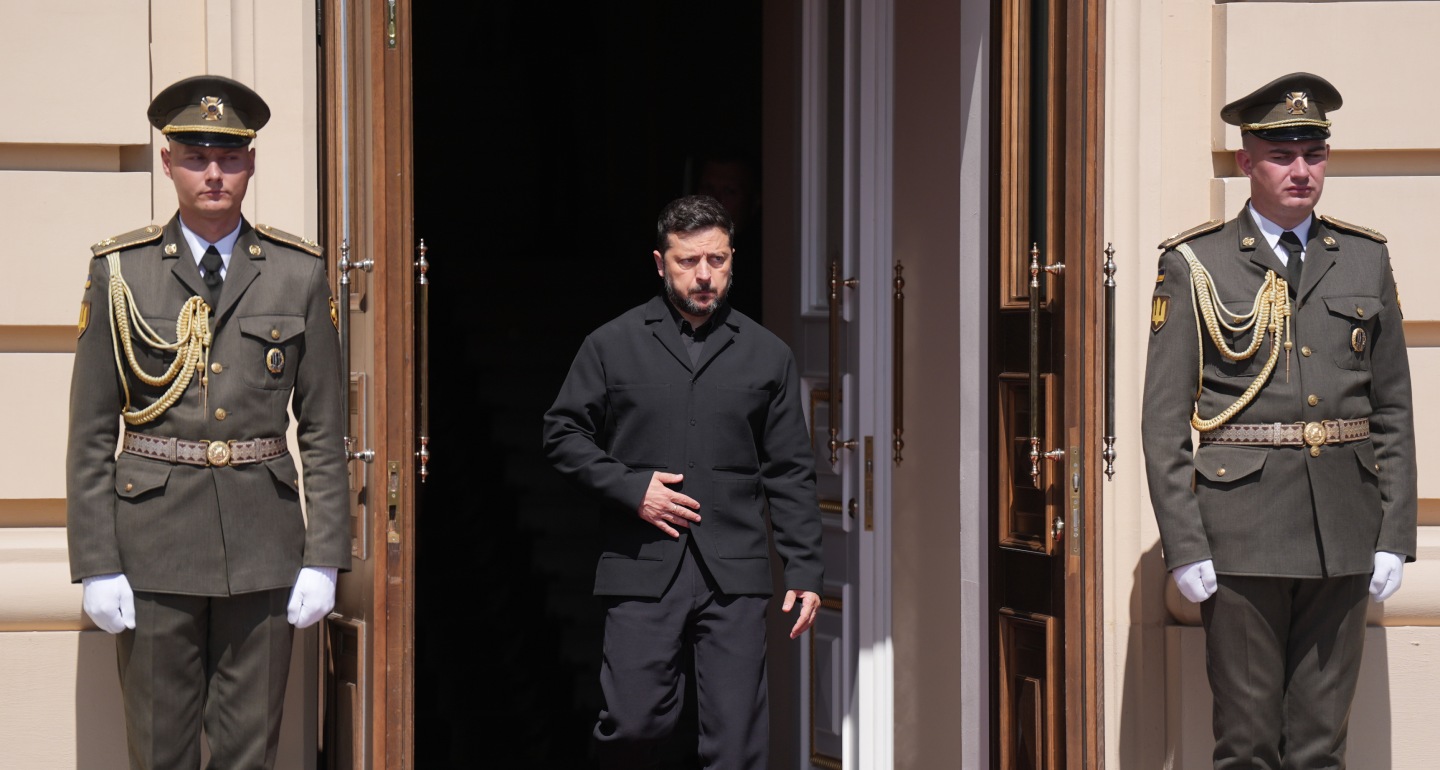
Ultimately, Zelensky sided neither with the reform camp nor with the military establishment as such, but with political control.
Balázs Jarábik
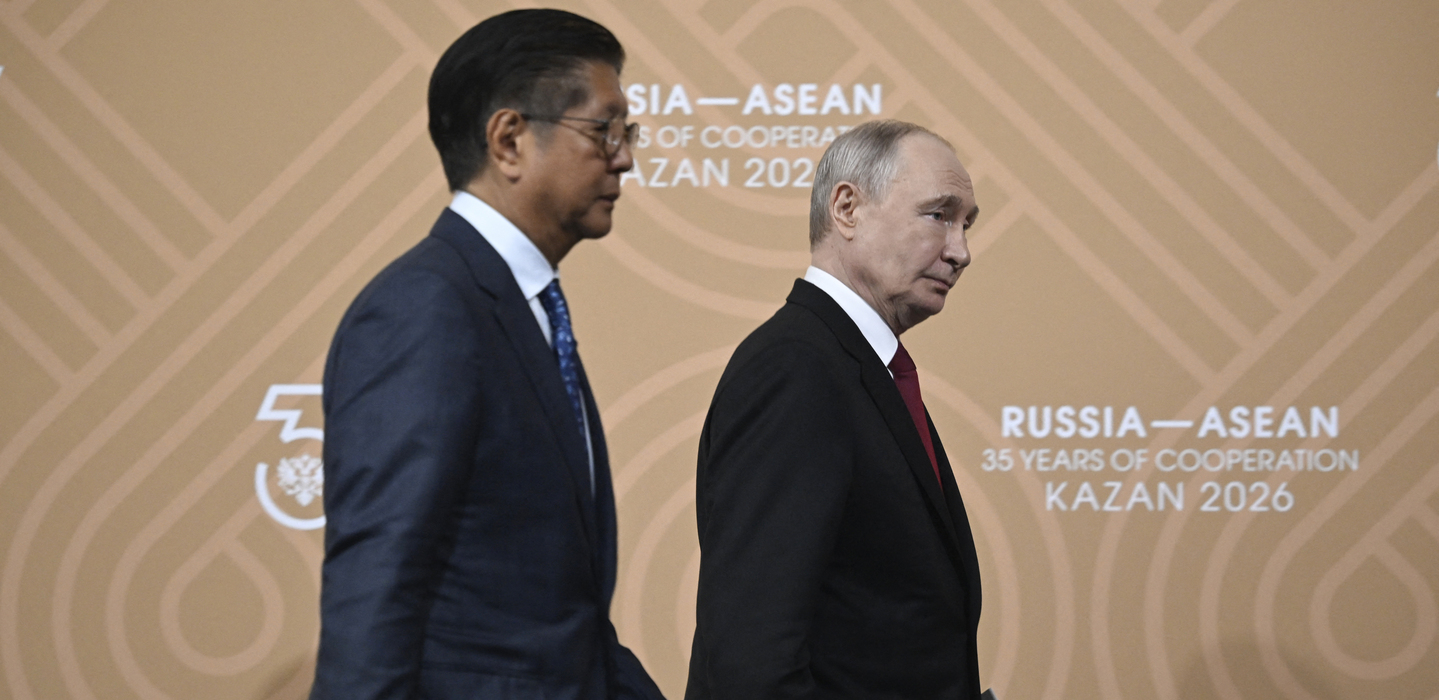
Russia looks set to reap economic benefits from closer ties with Southeast Asian countries that are keen to find reliable energy suppliers and diversify trade ties.

Alexander Gabuev