

Commentary
Most of Moscow’s military resources are tied up in Ukraine, while Beijing’s foreign policy prioritizes economic ties and avoids direct conflict.
Alexander Gabuev, Temur Umarov

Source: Washington, DC: Carnegie Endowment for International Peace, 1995
The end of the Cold War has tranformed the global security environment. Has it also changed the way the U.S. Congress and the Executive branch work together on security issues? The author argues that the end of the Cold War itself--quite apart from the new Republican majority in Congress--is producing subtle but systematic changes in the relationship between the two branches of government. He contends that the Executive retains broad leeway on issues where the national security stakes are clear, but sees a more assertive Congress on many post-Cold War issues. He illustrates his argument with two detailed case studies: President Clinton's 1993 package of aid to Russia and other post-Soviet states, and congressional action on peacekeeping in 1993-94.
"Rosner untangles the unpredictable, unexpected, and complex changes in the relationship between the presidency and Congress that have been triggered by the end of the Cold War."
Jeremy D. Rosner
Carnegie does not take institutional positions on public policy issues; the views represented herein are those of the author(s) and do not necessarily reflect the views of Carnegie, its staff, or its trustees.
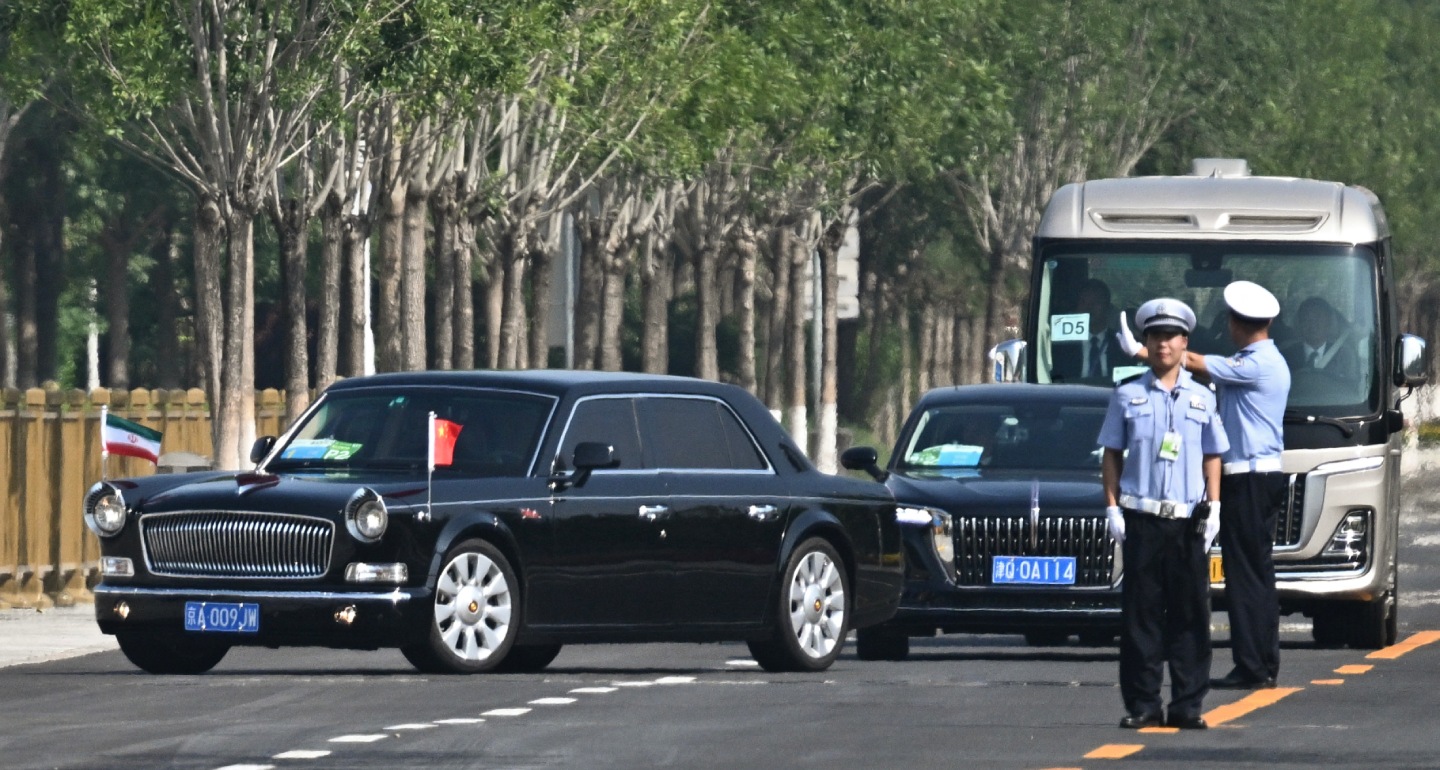
Most of Moscow’s military resources are tied up in Ukraine, while Beijing’s foreign policy prioritizes economic ties and avoids direct conflict.


Alexander Gabuev, Temur Umarov
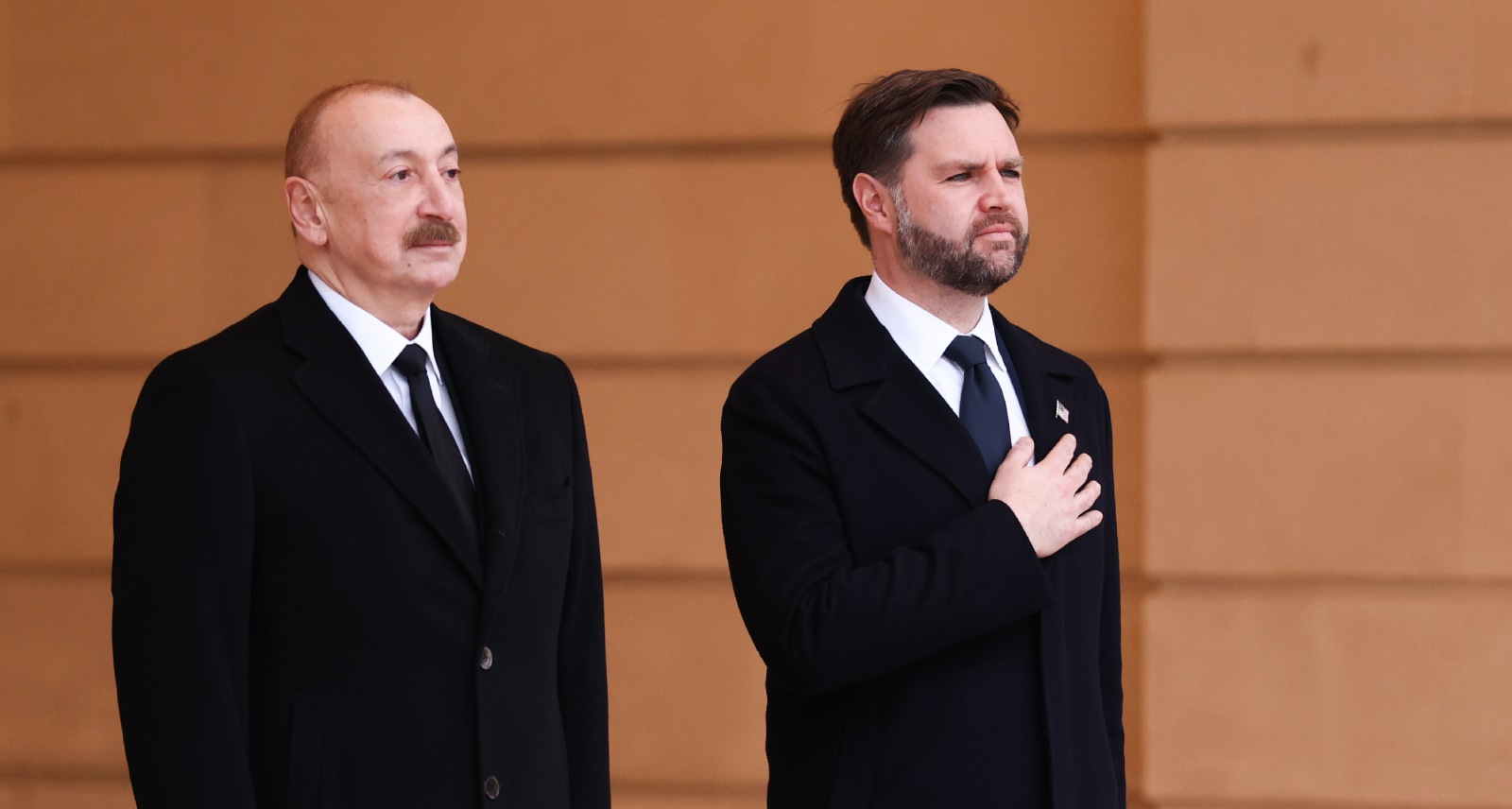
With the White House only interested in economic dealmaking, Georgia finds itself eclipsed by what Armenia and Azerbaijan can offer.

Bashir Kitachaev
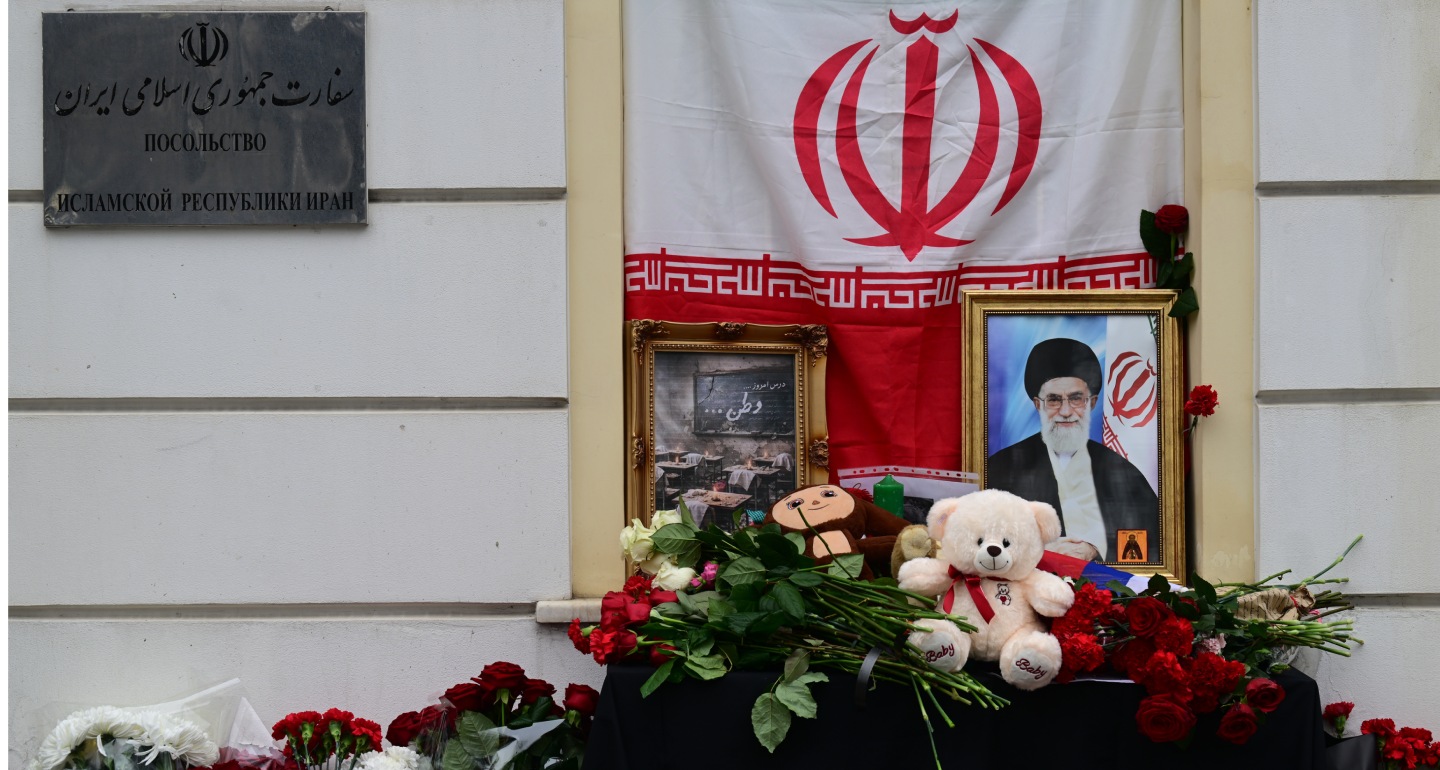
If the regime in Tehran survives, it could be obliged to hand Moscow significant political influence in exchange for supplies of weapons and humanitarian aid.

Nikita Smagin

The interventions in Iran and Venezuela are in keeping with Trump’s strategy of containing China, but also strengthen Russia’s position.

Mikhail Korostikov
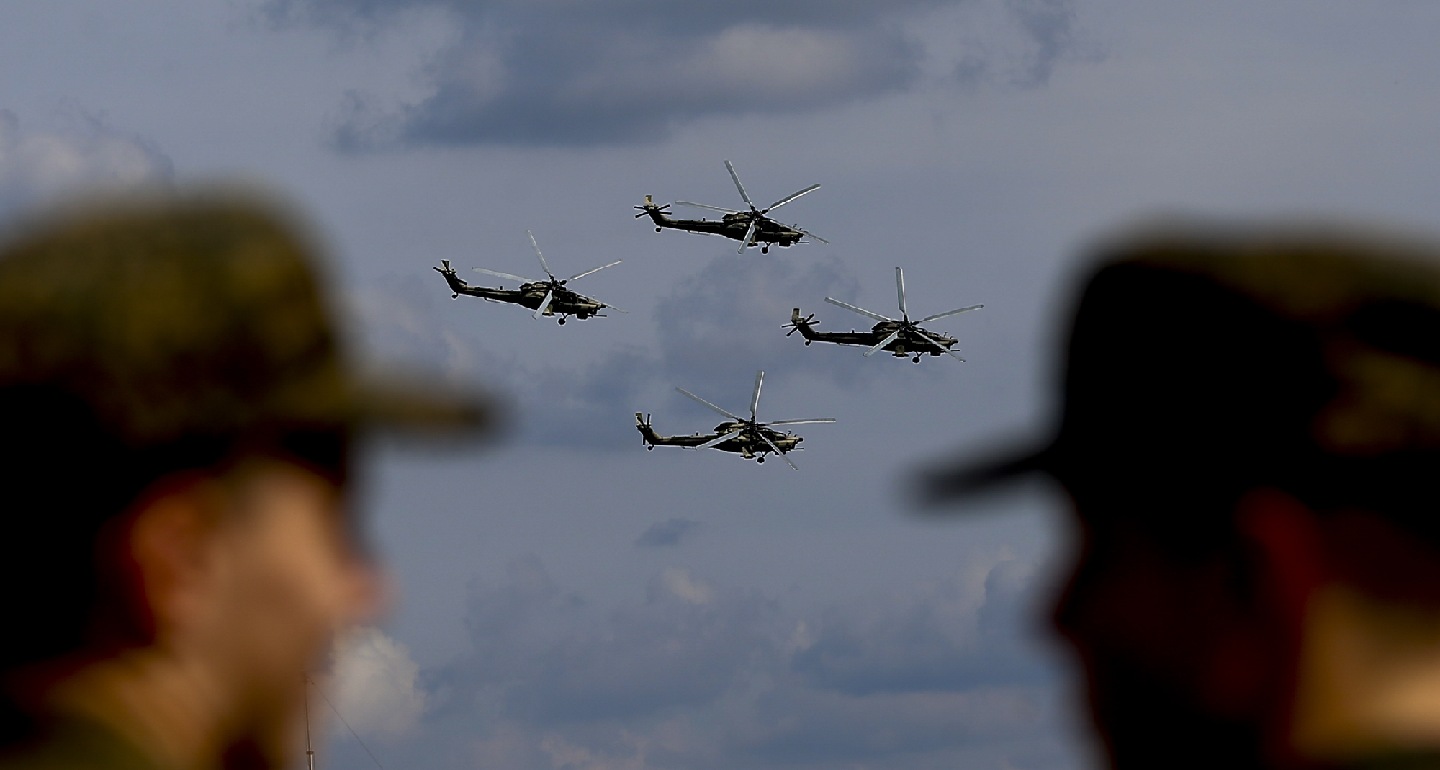
Arms supplies from Russia to Iran will not only continue, but could grow significantly if Russia gets the opportunity.
Nikita Smagin