

Commentary
While France and Australia are seeking to establish the legal obligations of messaging apps like Telegram, Russia wants total subordination.
Maria Kolomychenko

This book features chapters written by pairs of leading Russian and American scholars, and provides an overall assessment of what has been accomplished and what has failed since the collapse of the Soviet Union.
Source: Washington

Michael McFaul and Nikolai Petrov analyze the Russian elections since 1989 and assess voting behavior. Lilia Shevtsova and Martha Brill Olcott address the question of whether Russia has become a stable pluralist society. Valery Tishkov and Martha Brill Olcott focus on the nature of the Russian nation as well as regional relations. Russia has become a market economy, but what kind of capitalism is being formed? Anders Åslund and Mikhail Dmitriev examine the continuing challenge of economic reform. Sherman Garnett and Dmitri Trenin analyze Russia's relations with its nearest neighbor.
Former Senior Associate, Director, Russian and Eurasian Program
Former Senior Associate, Russia and Eurasia Program and, Co-director, al-Farabi Carnegie Program on Central Asia
Olcott is professor emerita at Colgate University, having taught political science there from 1974 to 2002. Prior to her work at the endowment, Olcott served as a special consultant to former secretary of state Lawrence Eagleburger.
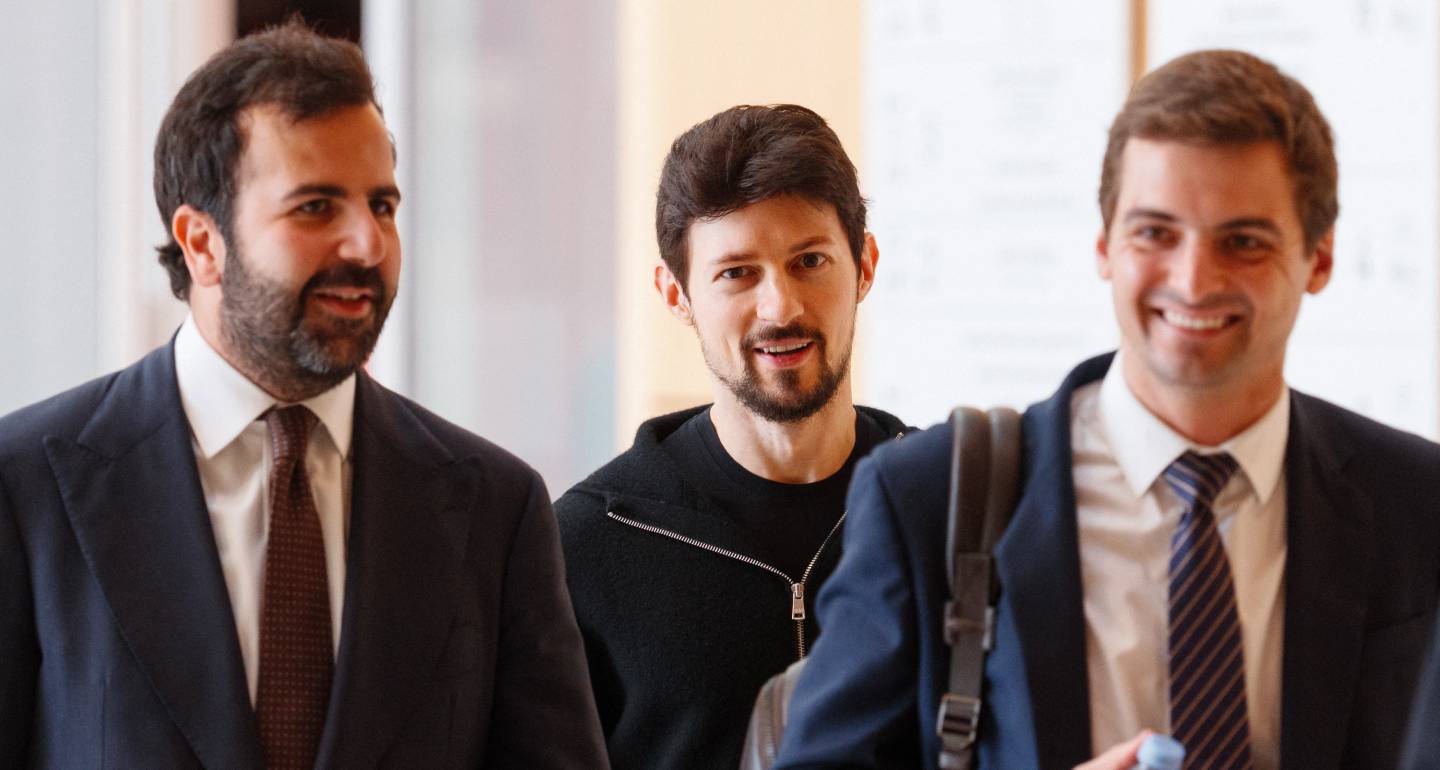
While France and Australia are seeking to establish the legal obligations of messaging apps like Telegram, Russia wants total subordination.

Maria Kolomychenko
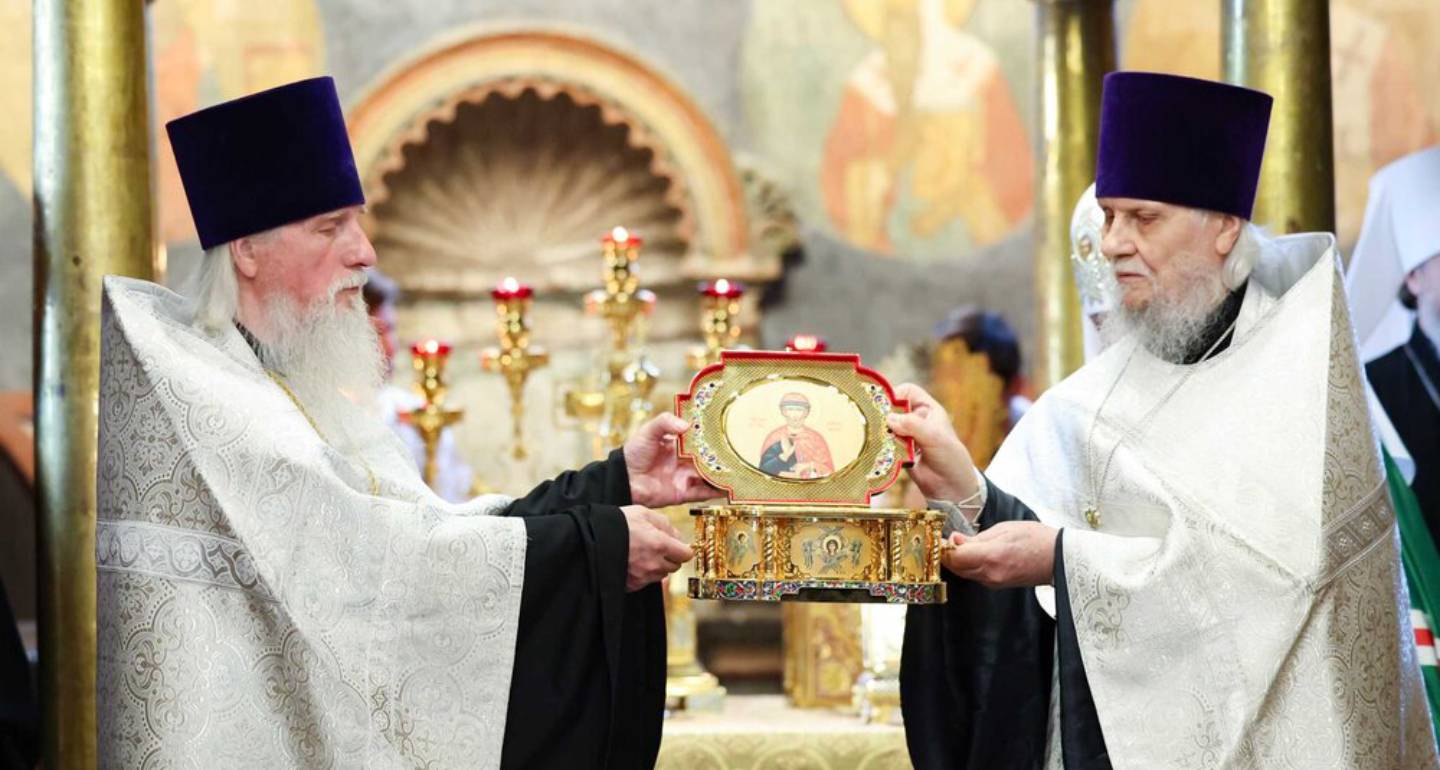
The recent uncovering of Dmitry Donskoy’s relics in the Cathedral of the Archangel is yet another attempt by the Russian Orthodox Church to help the state solve its problems. However, parroting the state’s version of Russian history leaves the Church with no message except “patriotism.”
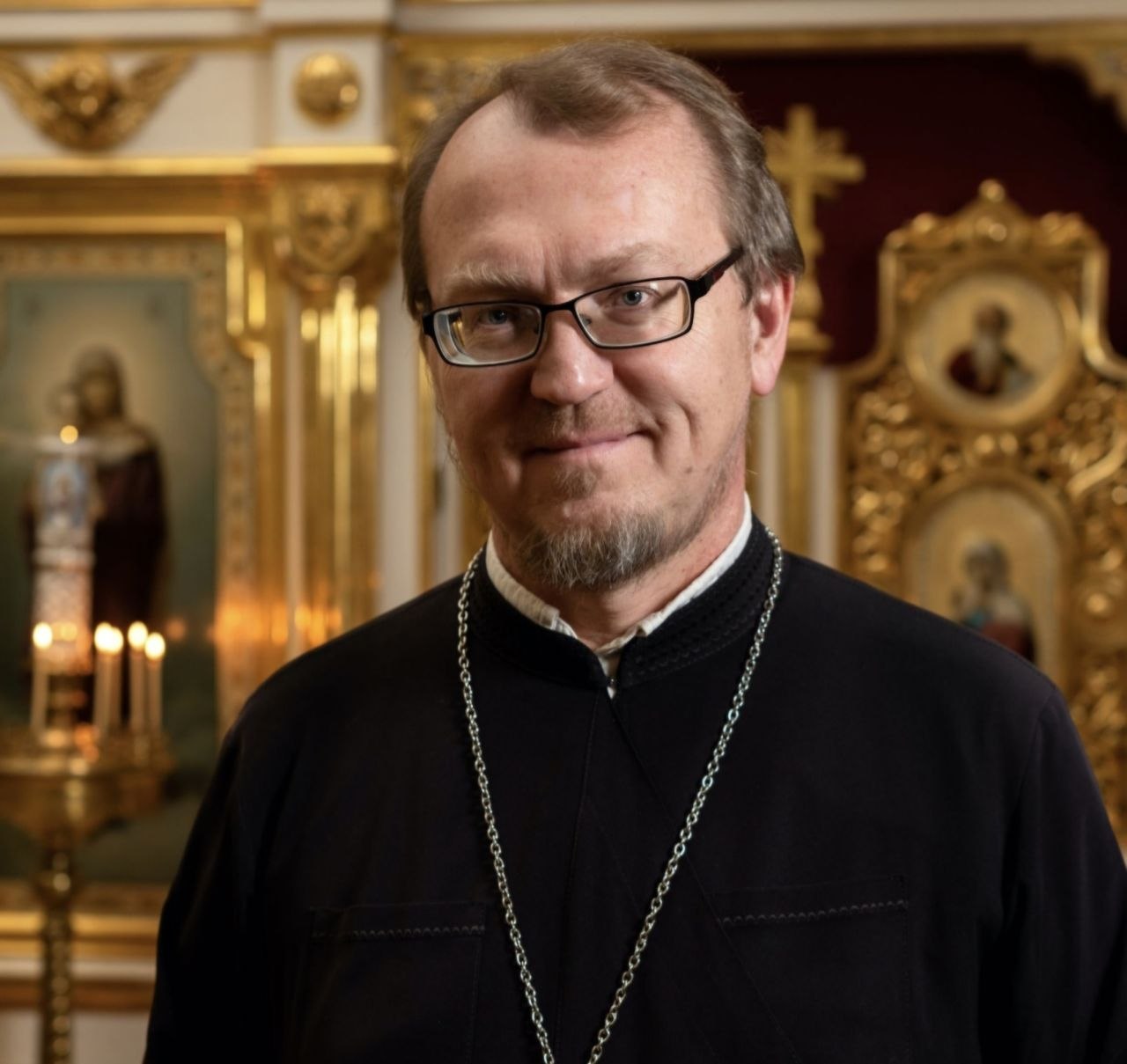
Alexander Zanemonets

With the growth in points of friction between the great powers, organizations like the SCO will continue to play a role in the strategic adaptation of the smaller powers caught between them.

Temur Umarov

The war in Ukraine and a change in ownership led VK to neglect its commercial ventures in favor of implementing the Kremlin’s online agenda. Now it’s been sanctioned by the EU.
Maria Kolomychenko
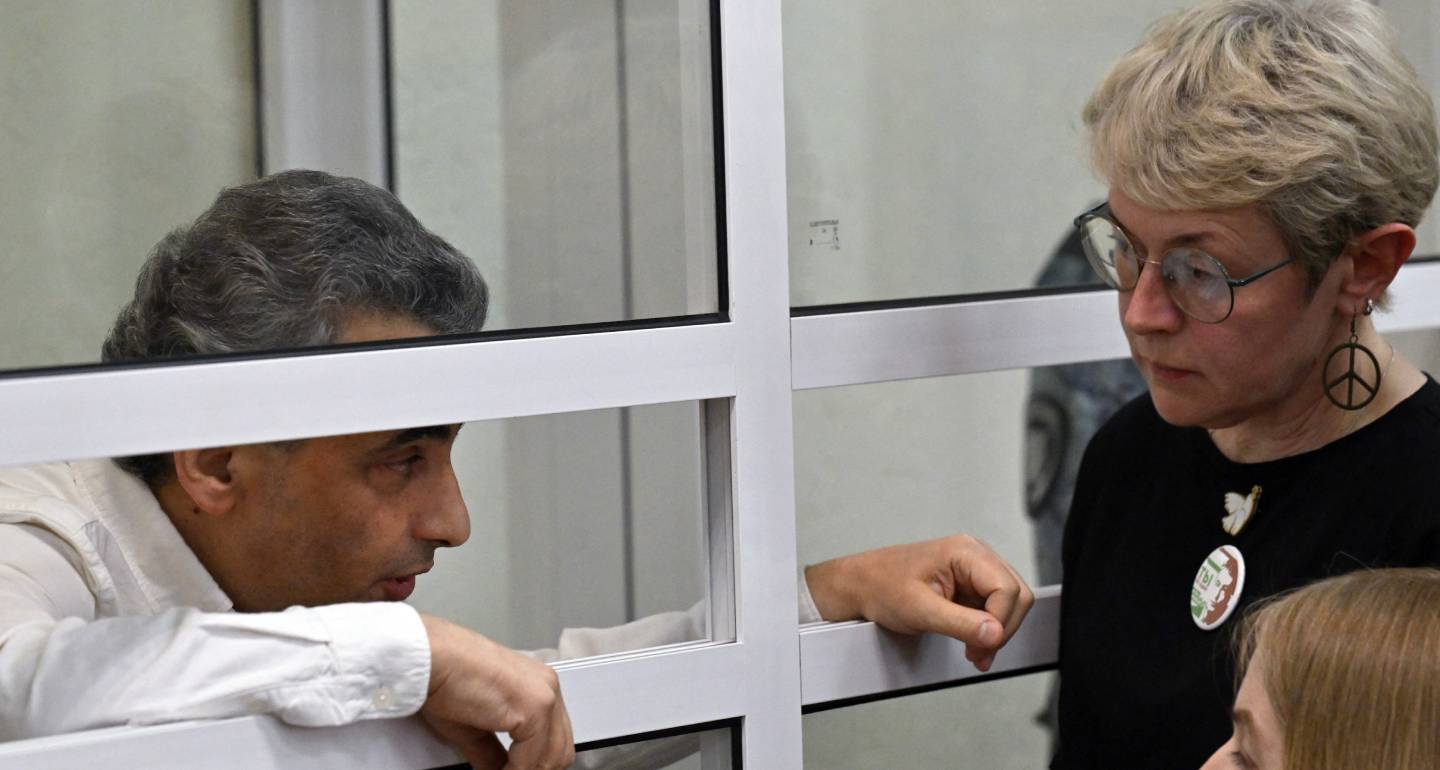
A regime founded on force, coercion, and repression does not want its propaganda, with all its flaws of logic, omissions, and outright lies, to be competing with the most simple of all messages: Thou shalt not kill.

Leonid Bershidsky