

Commentary
In the discussions made possible by the State Duma election campaign, one question is being asked more and more loudly. “What next?”
Andrey Pertsev

REQUIRED IMAGE
Here, Russian scholar Alexander Pikayev gives us new insights into the collapse of the negotiated nuclear reduction process as experienced in Russia.
Source: Carnegie
FOREWORDWhen Presidents George Bush and Boris Yeltsin signed the second Strategic Arms Reduction Treaty (START II) in Moscow in January 1993, Yeltsin called it "the treaty of hope." This was to be the beginning of a new Russia and a new kinship with the West. Nuclear arsenals, distended beyond any reasonable measure during the Cold War, would be slashed; economic investments, the key to societal transformation, were to grow steadily in the glow of the new strategic arrangement. Trade and treaties would replace tension and terror as the new foundations of Russia’s relationship with the wealthy West.
|
Russia Nuclear Links |
That we are so far from realizing the treaty’s promise is one of the great tragedies of this decade. Ten years after the end of the Cold War, Russia and the United States still maintain over 10,000 nuclear warheads each. Other nations, learning by example, try to mimic the nuclear doctrines and postures supported by both Washington and Moscow. The impact on efforts to stop the spread of nuclear weapons is real, tangible and demonstrated weekly in government statements and debates around the world.
Here, Russian scholar Alexander Pikayev gives us new insights into the collapse of the negotiated nuclear reduction process as experienced in Russia. Any reader will come away from this paper with new appreciation for the dilemmas Russian military leaders and policy makers confront while trying to decide whether or not START II remains in the best interest of Russian national security. Dr. Pikayev witnessed many of these debates personally as the chief counselor of the State Duma Committee on Defense and, previously, its Subcommittee on Arms Control and International Security. He has since carefully tracked the many rises and falls of the treaty’s prospects as a scholar-in-residence at the Carnegie Endowment’s Moscow Center. He presents here the first authoritative account of the treaty’s troubled history in Russia, along with some recommendations for achieving deep reductions in existing nuclear arsenals. He has also provided an English translation of the Duma’s Resolution of Ratification, noting in his analysis the intimate connections between reduction prospects and ballistic missile defense deployments.
We are also publishing Dr. Pikayev’s paper concurrently on the Internet, with special supplements available only on the web version. These include: the history and details of the weapons in the Russian and U.S. strategic arsenals; discussion of possible amendments to the Anti-Ballistic Missile Treaty; statements of leading Russian officials from recent Carnegie seminars in Moscow; links to all the relevant treaty texts; and up-dates on all treaty discussions and negotiations. These, and other valuable resources, can be found at: www.ceip.org/npp.
—Joseph Cirincione,
Director Non-Proliferation Project
Alexander A. Pikayev
Carnegie does not take institutional positions on public policy issues; the views represented herein are those of the author(s) and do not necessarily reflect the views of Carnegie, its staff, or its trustees.
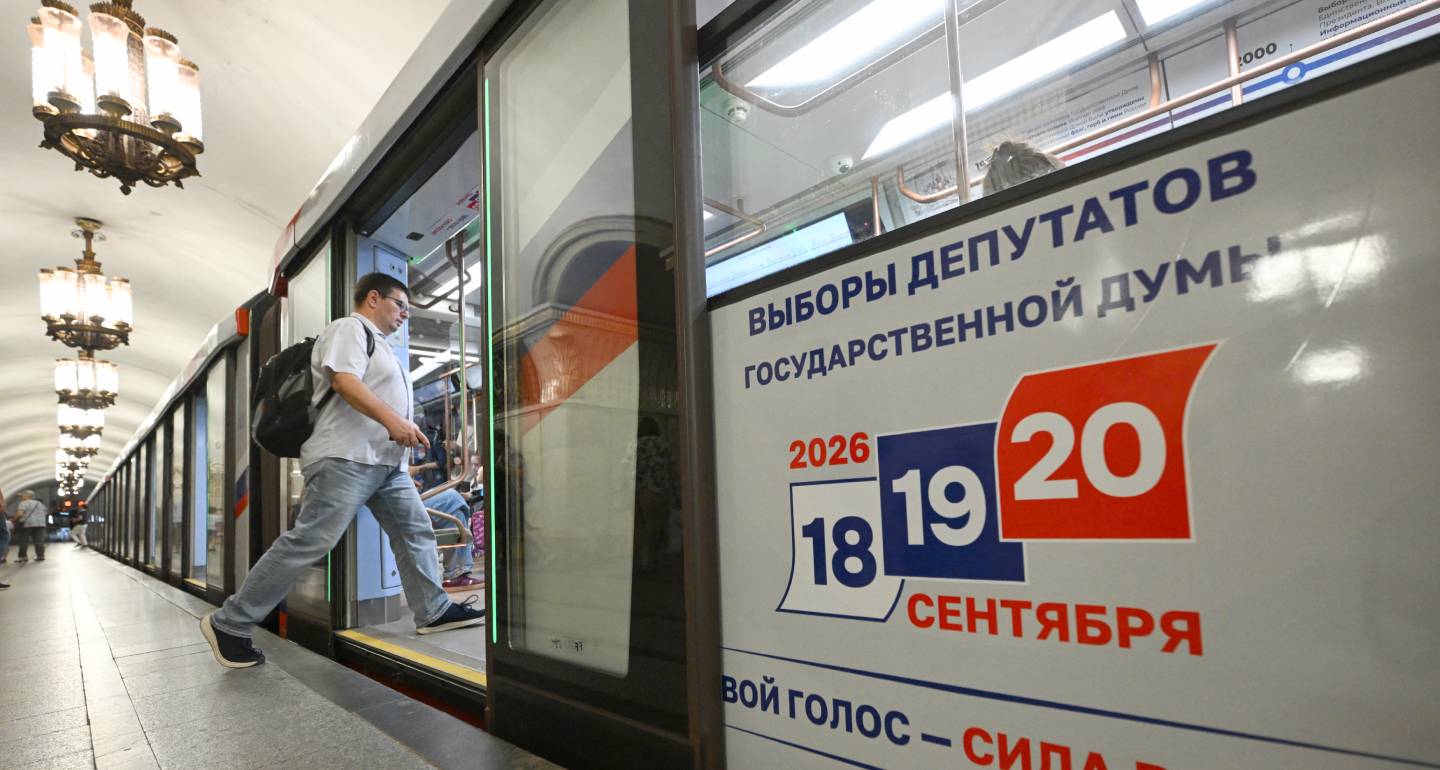
In the discussions made possible by the State Duma election campaign, one question is being asked more and more loudly. “What next?”

Andrey Pertsev

While the Nazis rushed ahead in a revolutionary fervor, Russia’s modern crusaders against enemies of the state work methodically, giving their targets time to adjust to restrictions before closing the loopholes.

Leonid Bershidsky

When faced with fuel shortages in the past, Central Asian governments could always count on additional supplies from Moscow. That safety net no longer exists.

Galiya Ibragimova

Reading the purported correspondence of celebrity Ksenia Sobchak sheds light on her role within the system, and how journalism and politics function in Putin’s Russia.
Vladislav Gorin

When political power is concentrated in the hands of a small circle of people, a country invariably ends up with technological stagnation.
Aleksei Kiselev