

Report
- +2
George Perkovich, Jessica Tuchman Mathews, Joseph Cirincione, …

Source: Washington, DC: Carnegie Endowment for International Peace, 2001
This sixth edition of the Nuclear Status Report, copublished by the Carnegie Endowment and the Monterey Institute, is the most comprehensive and authoritative source for information on Russia's nuclear arsenal, its stockpile of nuclear materials, and the impact of U.S. assistance to reduce the proliferation risks posed by the collapse of the Soviet Union.
Chronicled in this report are many of the major proliferation problems that remain owing to the economic disarray of the Russian nuclear complex, the relatively low priority attached to nonproliferation by senior political leadership, and the inadequacies of safeguards currently in place at many nuclear facilities.
The new features of this report include:
Former Nonresident Scholar, Nuclear Policy Program
Jon Wolfsthal was a nonresident scholar with the Nuclear Policy Program.
Recent Work


George Perkovich, Jessica Tuchman Mathews, Joseph Cirincione, …
Jon Wolfsthal
Carnegie does not take institutional positions on public policy issues; the views represented herein are those of the author(s) and do not necessarily reflect the views of Carnegie, its staff, or its trustees.
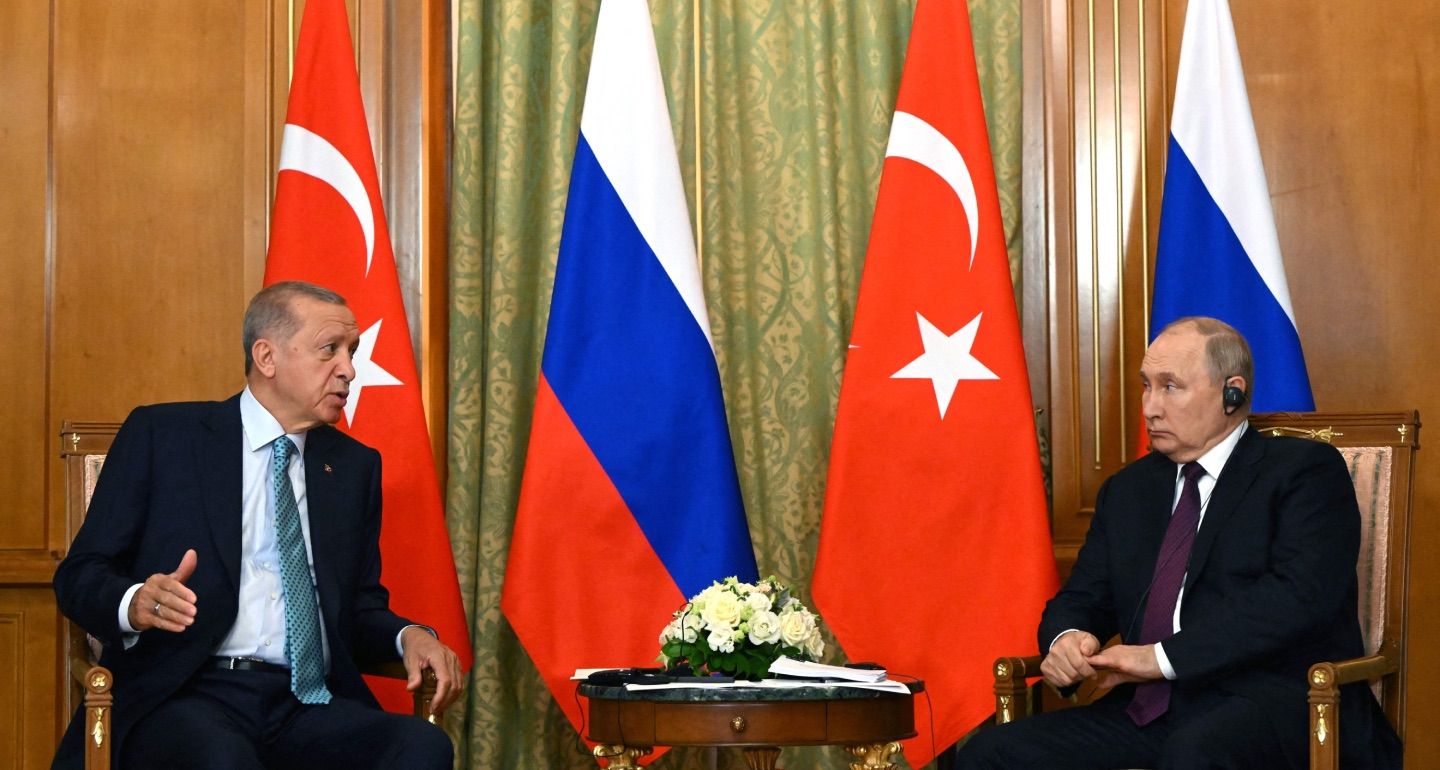
Mutual suspicion between Moscow and Ankara is growing as Türkiye cozies up to Washington and NATO while reducing its dependence on Russian energy.
Ruslan Suleymanov
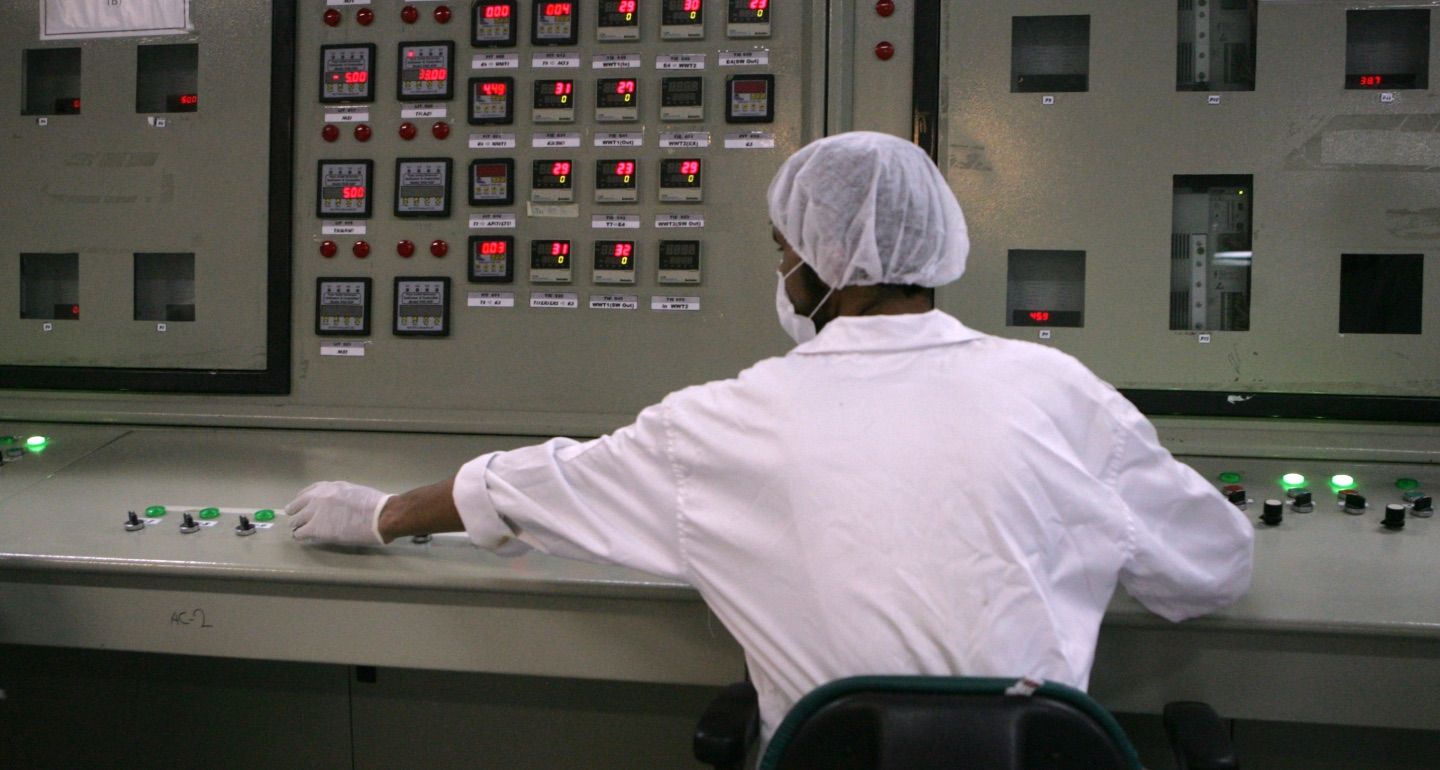
Tehran’s most urgent task is to reduce the risk of further Israeli and U.S. airstrikes. Russia’s role as a deterrent in this respect is more multifaceted than simply supplying weapons, whose real impact will only become apparent many years from now.

Nikita Smagin
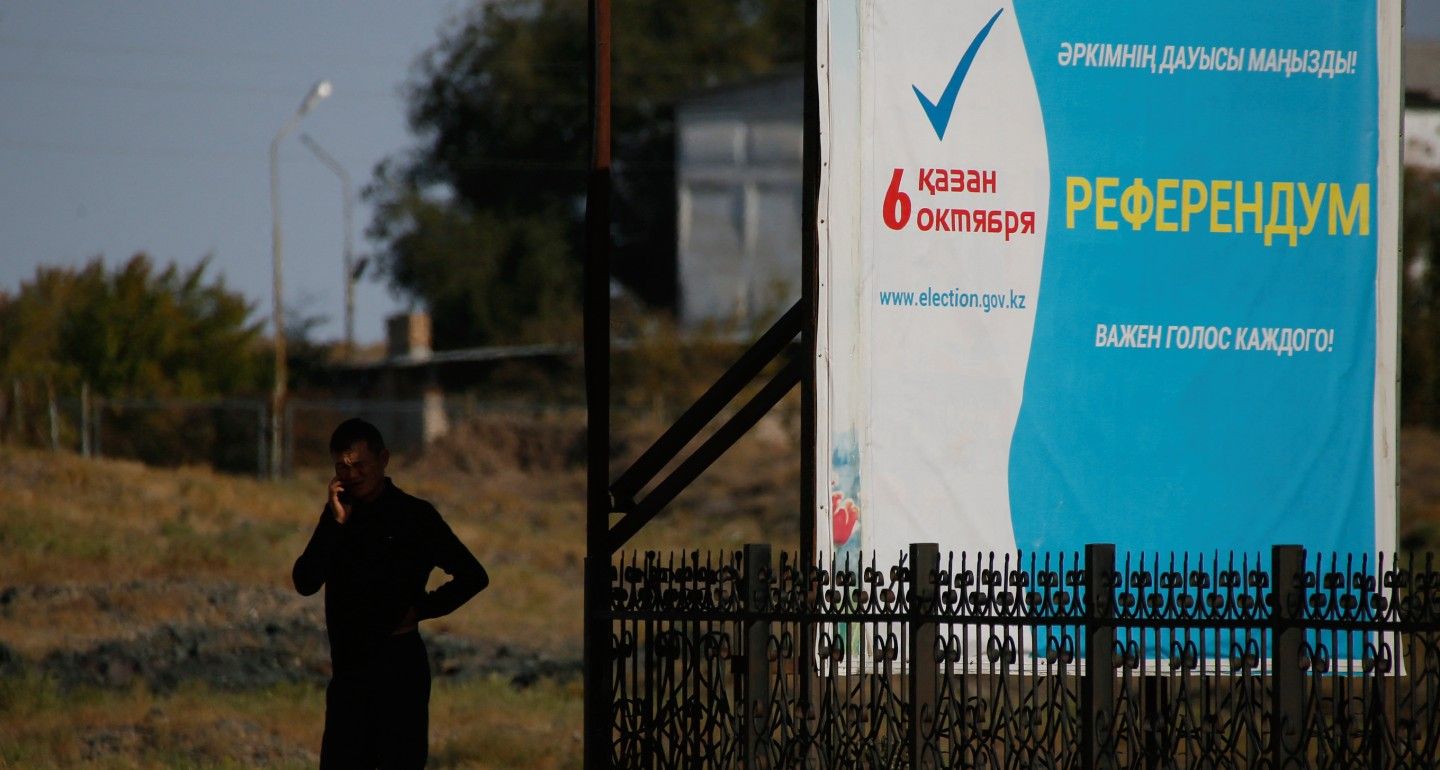
Officials in Astana need to focus on meaningful localization if they want Kazakhstan to build a successful civil nuclear industry.

Jennet Charyyeva, Yanliang Pan
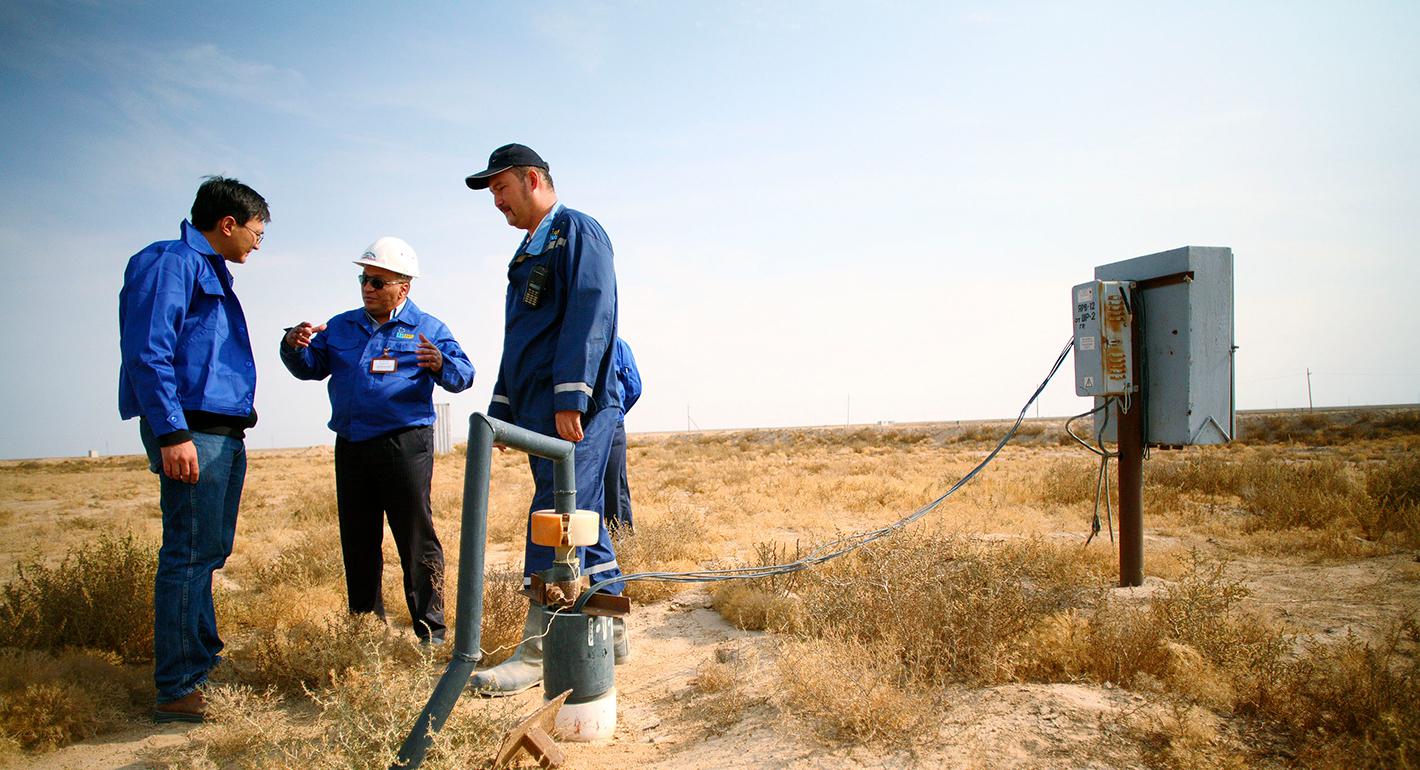
Kazakhstan has leveraged its natural uranium resources to hold the reins in its nuclear fuel–related dealings with China.
Yanliang Pan
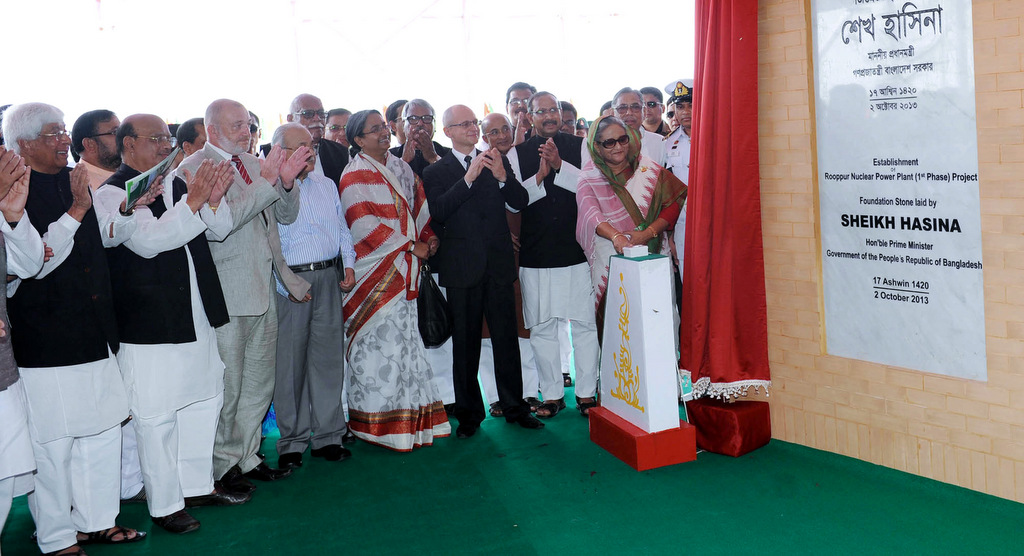
If explained in details and promoted by the Russian and Bangladeshi authorities, solutions about water supply, spent nuclear fuel, and security could end some concerns and fears about the Rooppur NPP and help create a friendly environment around this project.
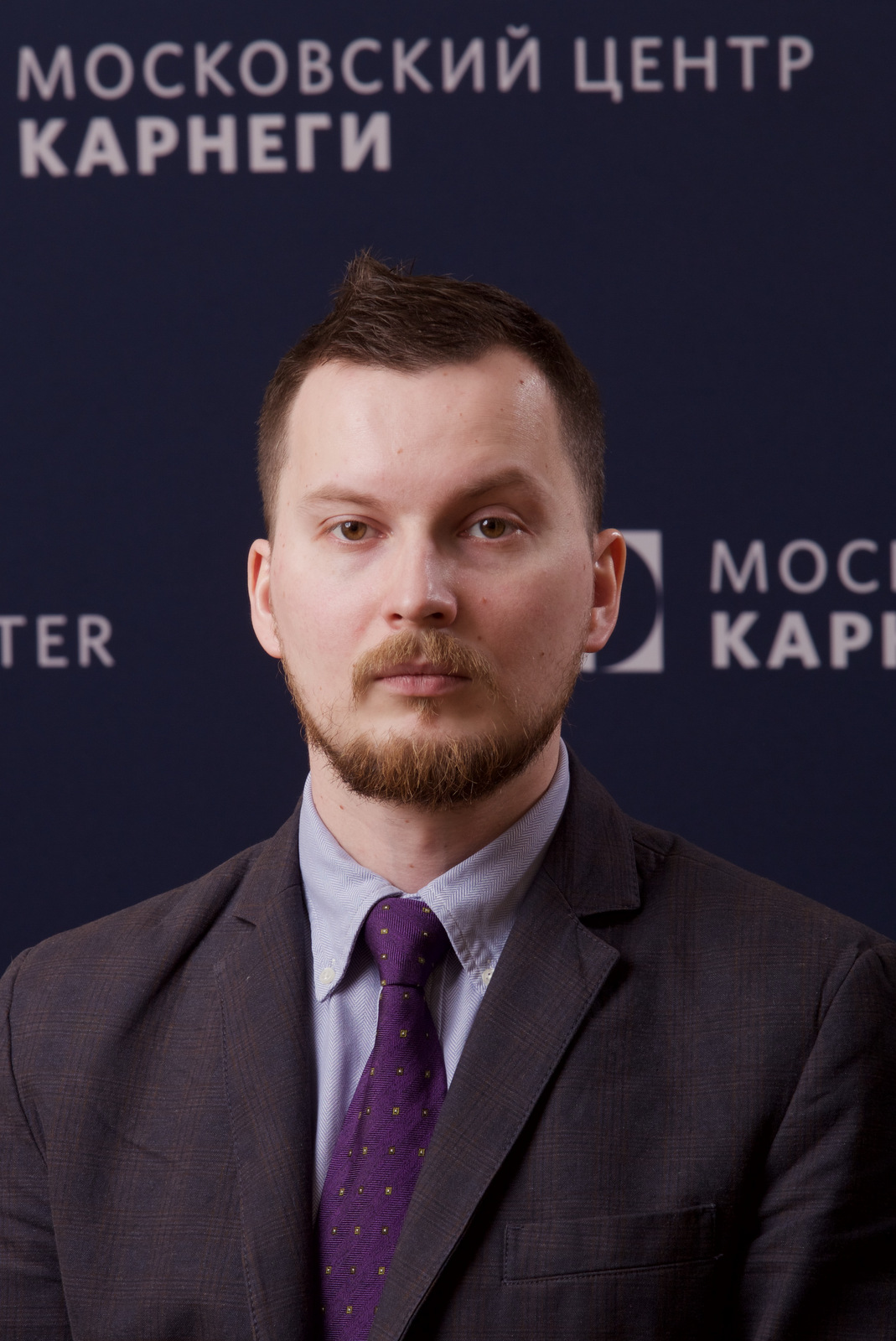
Petr Topychkanov