

Commentary
Ongoing uncertainty in the Middle East allows Moscow to both increase its influence in Tehran and continue to enjoy the financial windfall of higher oil prices.
Nikita Smagin
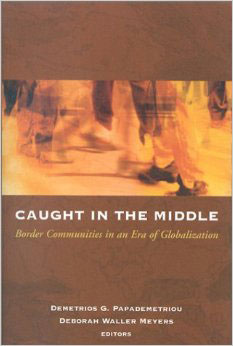
This volume looks at the inner workings and realities of border communities along five international borders: United States-Canada, United States-Mexico, Germany-Poland, Russia-China, and Russia-Kazakhstan. The case studies focus on innovative cross-border initiatives and contribute unique insights into the daily lives and local perspectives of border communities.
Source: Washington

"This astutely conceived work addresses itself to a refreshingly precise subject: What are the appropriate functions of borders between states in the age of globalization? Drawing from case studies that reveal the wide range of situations encountered in the world at large, Papademetriou and Meyers elaborate guidelines for an approach to border management that will effectively promote North American integration."
—Aristide R. Zolberg, New School University
"Papademetriou and Meyers give us an excellent analysis of the issues of governance, cross-border initiative and cooperation, international migration, and the tension that is inherent in the interplay of national and local policy perspectives . . . and an imaginative vision of a new NAFTA border regime that would enable the United States, Canada, and Mexico to realize the full potential of their regional economic integration initiative."
—Peter Karl Kresl, Bucknell University
"Caught in the Middle is of outstanding importance to anyone who is interested in feasible alternatives to defensive and at times inefficient border controls."
—Dilek Cinar, European Centre for Social Welfare Policy and Research, Austria
"These comparative border studies skillfully highlight some of the key emergent political issues of the twenty-first century."
—Steven Vertovec, Transnational Communities Programme, University of Oxford
"A superb analysis, relevant worldwide."
—Luis G. Solis, Trans-Border Cooperation in Central America, FUNPADEM, Costa Rica
Former Associate
Demetrios G. Papademetriou
G.
Carnegie does not take institutional positions on public policy issues; the views represented herein are those of the author(s) and do not necessarily reflect the views of Carnegie, its staff, or its trustees.

Ongoing uncertainty in the Middle East allows Moscow to both increase its influence in Tehran and continue to enjoy the financial windfall of higher oil prices.

Nikita Smagin
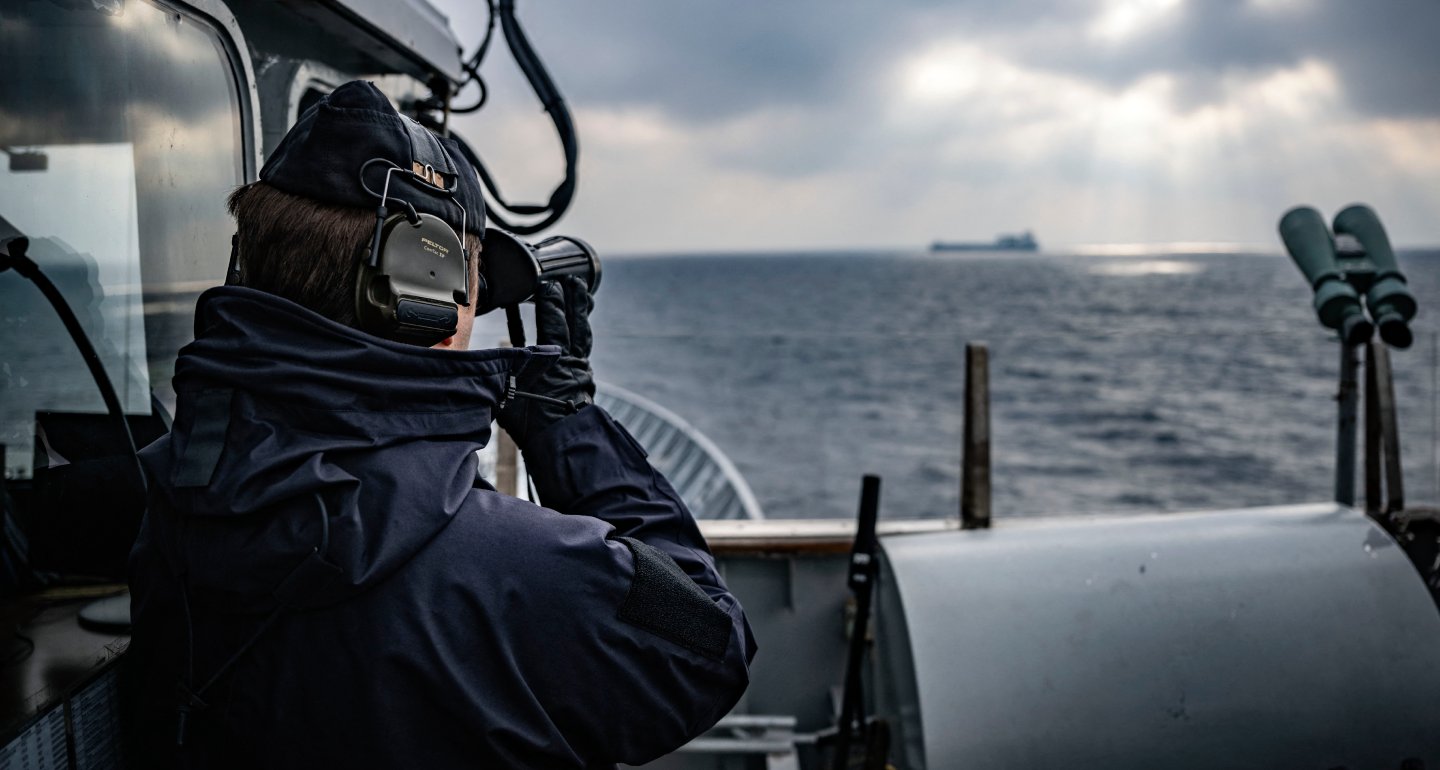
Governments in Estonia, Latvia, and Lithuania want to ensure that a U.S. military withdrawal would not leave them dangerously exposed to a Russian attack.

Sergejs Potapkins
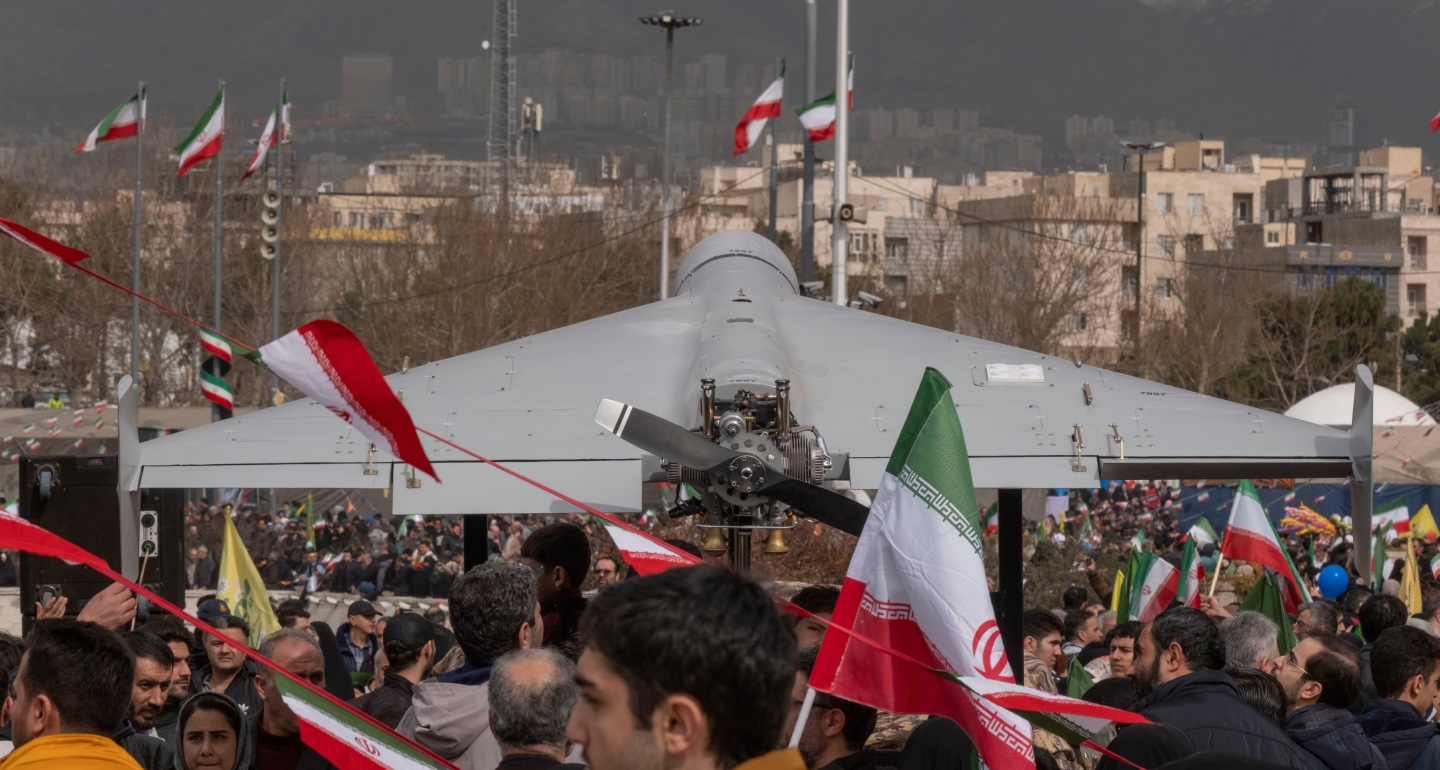
The Russian leadership wants to avoid a dangerous precedent in which it is squeezed out of Iran by the United States and Israel—and left powerless to respond in any meaningful way.
Nikita Smagin

Lukashenko is willing to make big sacrifices for an invitation to Mar-a-Lago or the White House. He also knows that the clock is ticking: he must squeeze as much out of the Trump administration as he can before congressional elections in November leave Trump hamstrung or distracted.

Artyom Shraibman
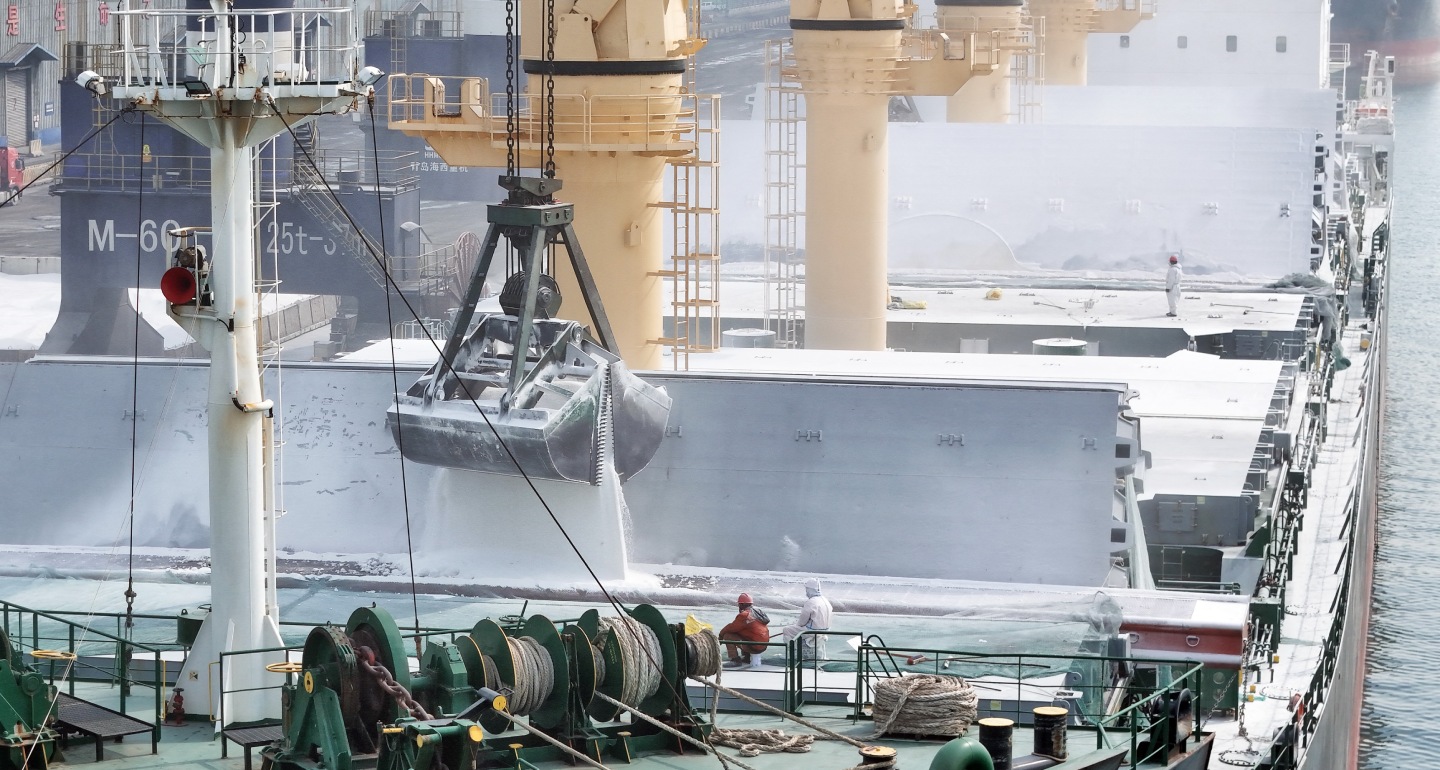
The Kremlin expects to not only profit from rising fertilizer prices but also exact revenge for the collapse of the 2023 grain deal.

Alexandra Prokopenko