

In The Media
Martha Brill Olcott
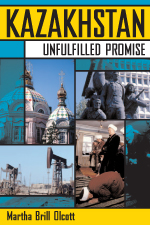
At the outset of independence 10 years ago, it appeared that democracy was beginning to take hold in Kazakhstan. A decade later, economic reform is mired in widespread corruption and a regime that flirted with democracy is now laying the foundation for family-based, authoritarian rule.
Source: Washington

"This detailed but accessible work will be the definitive work on the newly independent state of Kazakhstan."
—CHOICE
[Olcott]...is one of the most active and sought-after American scholars working on Central Asia."
—Middle East Policy
"[Olcott]...knows more about Kazakhstan than anyone else in the West."
—The New York Review of Books
"...not only shares the lucid insights and depth of a seasoned observer, it greatly enriches the literature on post-Soviet transitions."
—Foreign Affairs
"For years anyone interested in Kazakhstan has had no trouble picking the very best book on the subject: The Kazakhs by Martha Olcott. Now, at last, there's a real rival: shrewd and sensitive to the deep problems of post-Soviet politics, and—of course!—by Martha Olcott."
—Stephen Sestanovich, former Ambassador at Large and Special Advisor to the Secretary of State
"Olcott gives us the best up-to-date account of a transition to modernity that appears to have lost its way."
—Ronald Grigor Suny, University of Chicago
"A bible for understanding the country, written by a preeminent scholar."
—William Courtney, former Ambassador to Kazakhstan and Georgia
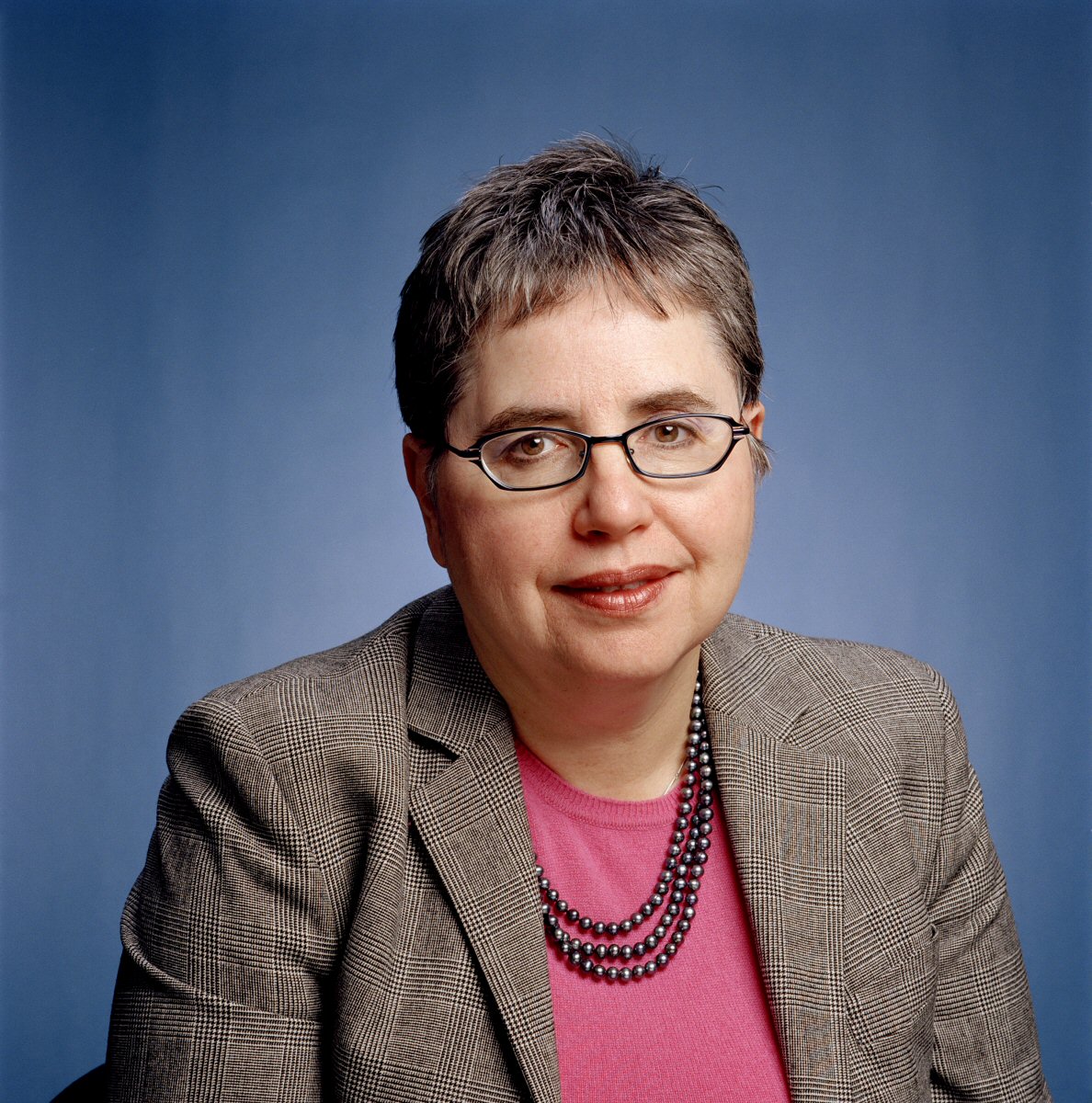
Former Senior Associate, Russia and Eurasia Program and, Co-director, al-Farabi Carnegie Program on Central Asia
Olcott is professor emerita at Colgate University, having taught political science there from 1974 to 2002. Prior to her work at the endowment, Olcott served as a special consultant to former secretary of state Lawrence Eagleburger.
Recent Work
Martha Brill Olcott
Martha Brill Olcott
Carnegie does not take institutional positions on public policy issues; the views represented herein are those of the author(s) and do not necessarily reflect the views of Carnegie, its staff, or its trustees.

In the tenth year of his presidency, President Mirziyoyev’s system is becoming even more personalized than that of his predecessor Karimov.

Galiya Ibragimova

With the growth in points of friction between the great powers, organizations like the SCO will continue to play a role in the strategic adaptation of the smaller powers caught between them.

Temur Umarov
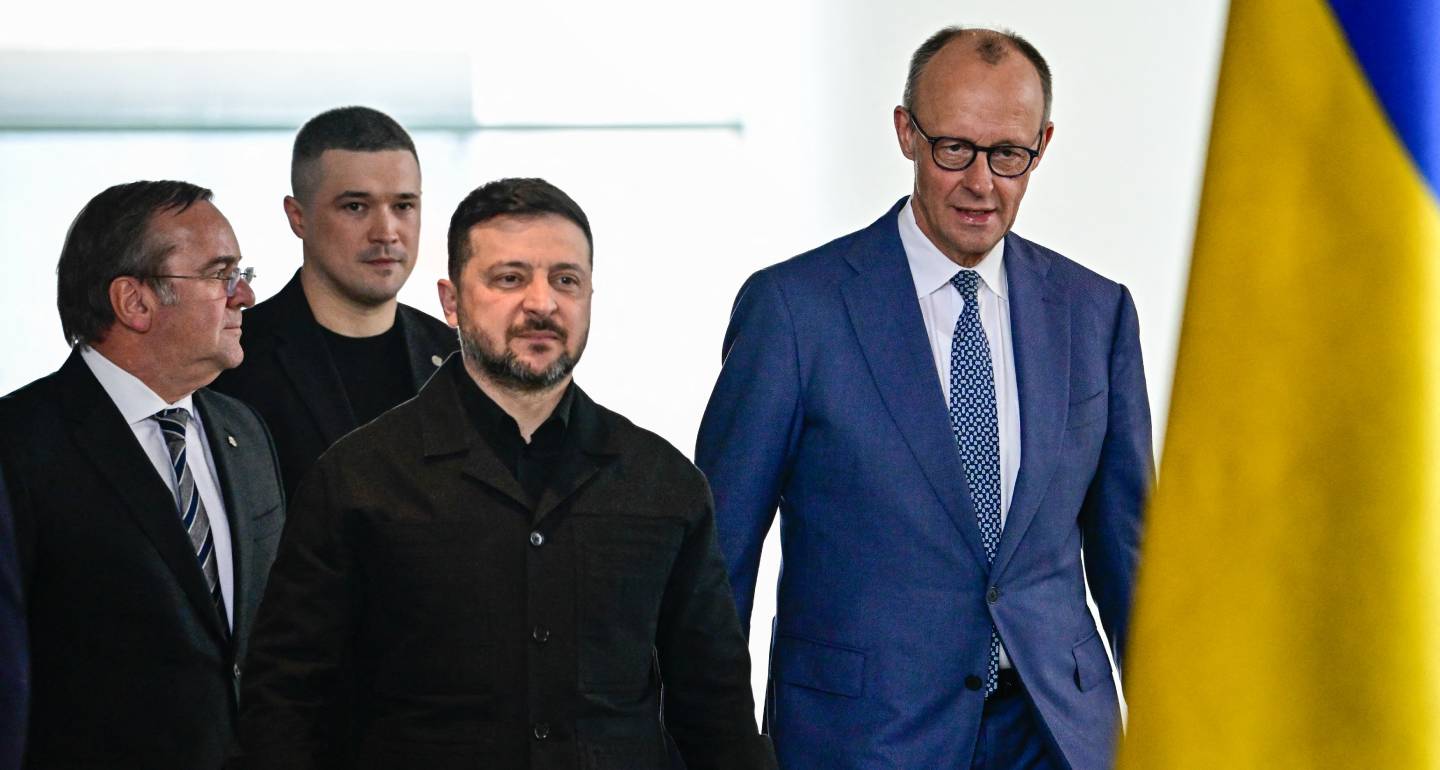
The greater threat to Zelensky comes not from Fedorov alone, but from the convergence between the former defense minister’s political campaign and the anti-corruption investigations moving ever closer to the presidential administration.

Balázs Jarábik
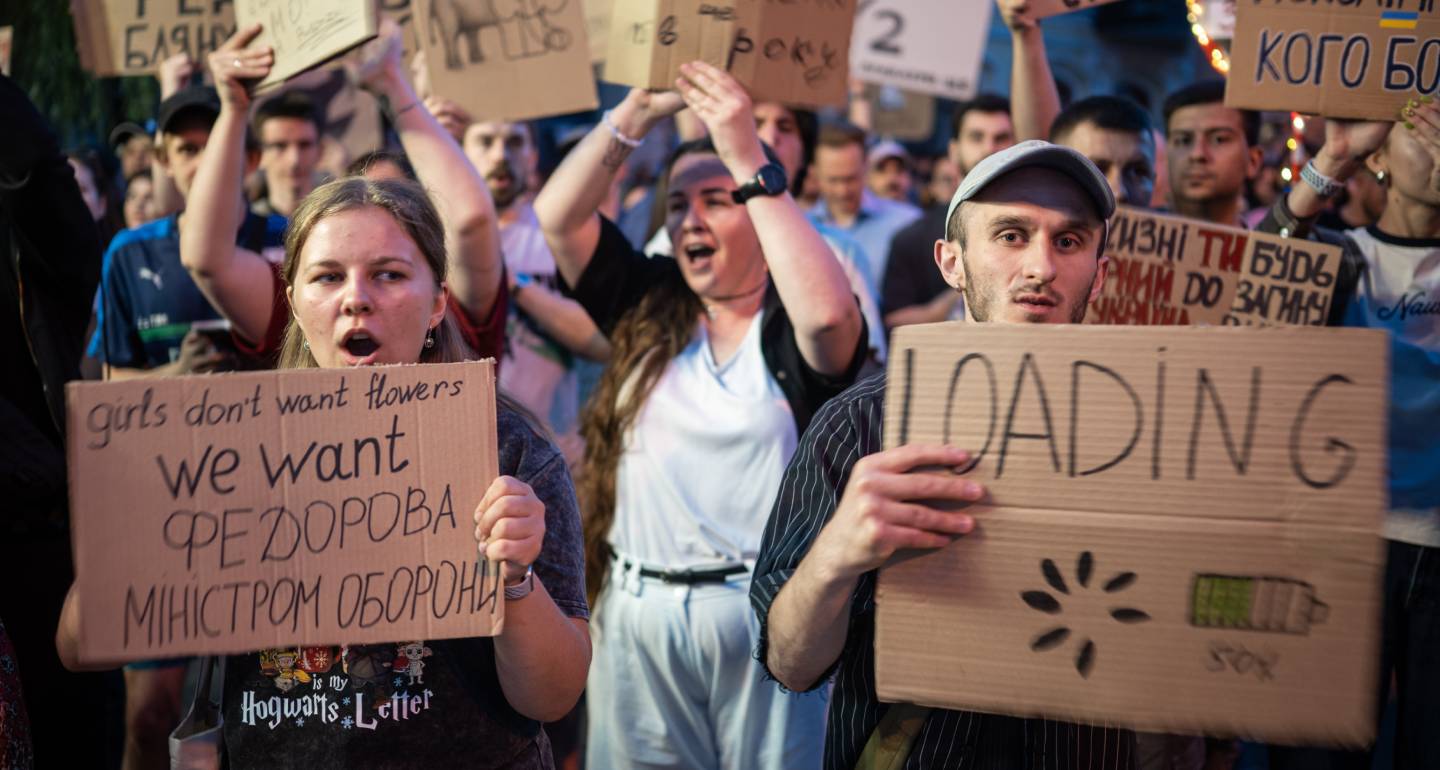
With his public call for new elections in Ukraine, ex-defense minister Mykhailo Fedorov has opened Pandora’s box.

Konstantin Skorkin

In the discussions made possible by the State Duma election campaign, one question is being asked more and more loudly. “What next?”

Andrey Pertsev