

Commentary
While France and Australia are seeking to establish the legal obligations of messaging apps like Telegram, Russia wants total subordination.
Maria Kolomychenko

REQUIRED IMAGE
like virtually all state institutions inherited by the newly cast Russian Federation, the scientific establishment's capacity to provide for basic training and research suffered mightily from the economic collapse of the 1990s. Many to fear the possible death of Russian science.
The Soviet scientific establishment, while not without defects, stood as one of the more solid achievements of the Soviet Union. It was one of the world's largest and possessed world-class strengths in a number of fields, notably theoretical physics and mathematics. But like virtually all state institutions inherited by the newly cast Russian Federation, the scientific establishment's capacity to provide for basic training and research suffered mightily from the economic collapse of the 1990s. Many leading scientists left the country for top positions in the United States, Europe, and elsewhere, while thousands of others simply left science altogether. All of this led many to fear the possible death of Russian science.
This new working paper presents a ten-year perspective (since the fall of the Soviet Union) on changes in the organization and financing of Russian fundamental science and on international support for that science in the same period. Authors Irina Dezhina and Loren Graham assess the impact of international support during these years and suggest ways of continuing and improving that support.
About the Authors
Irina Dezhina is a senior researcher at the Institute for the Economy in Transition in Moscow, Russia.
Loren Graham is professor of the history of science at the Massachusetts Institute of Technology, Cambridge, Massachusetts.
A limited number of print copies are also available.
Request a copy
Graham Loren
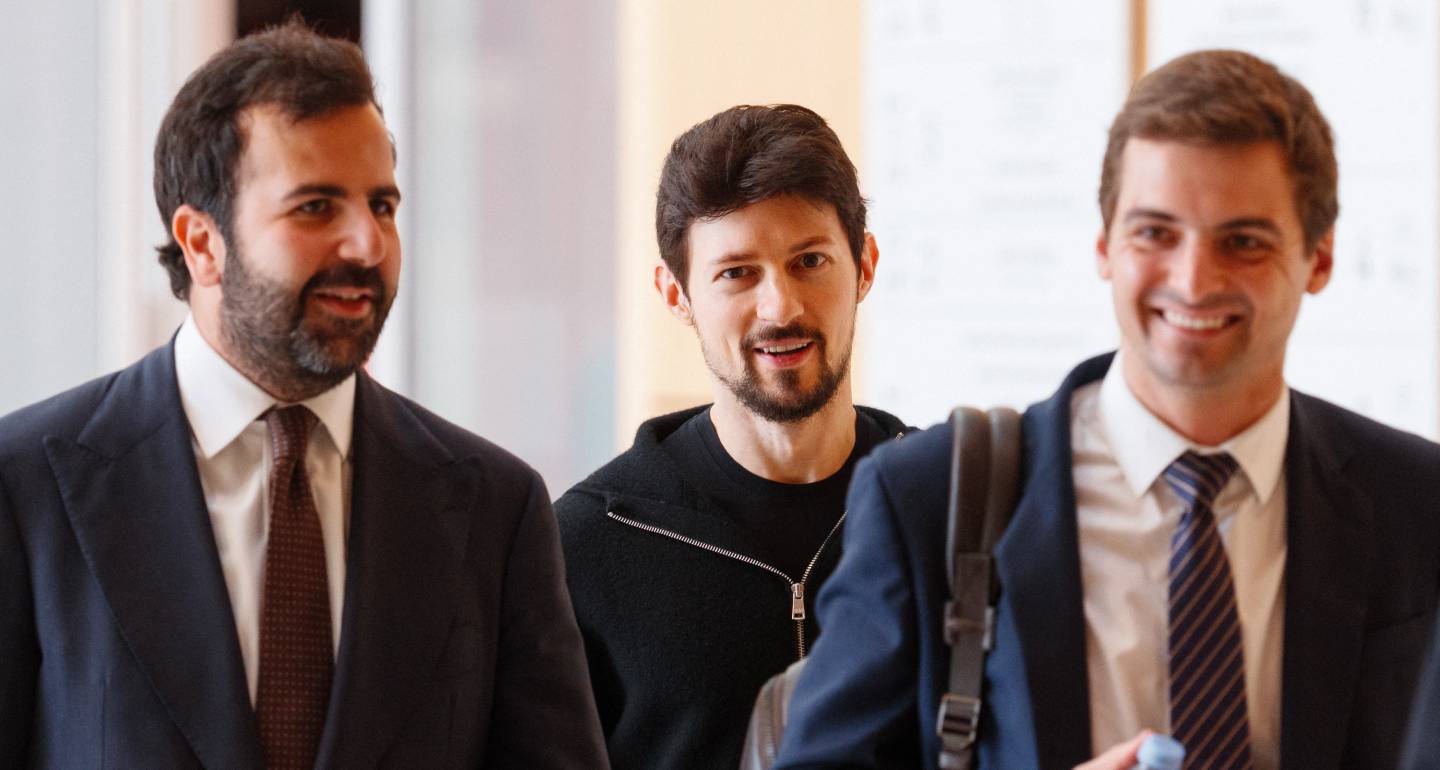
While France and Australia are seeking to establish the legal obligations of messaging apps like Telegram, Russia wants total subordination.

Maria Kolomychenko
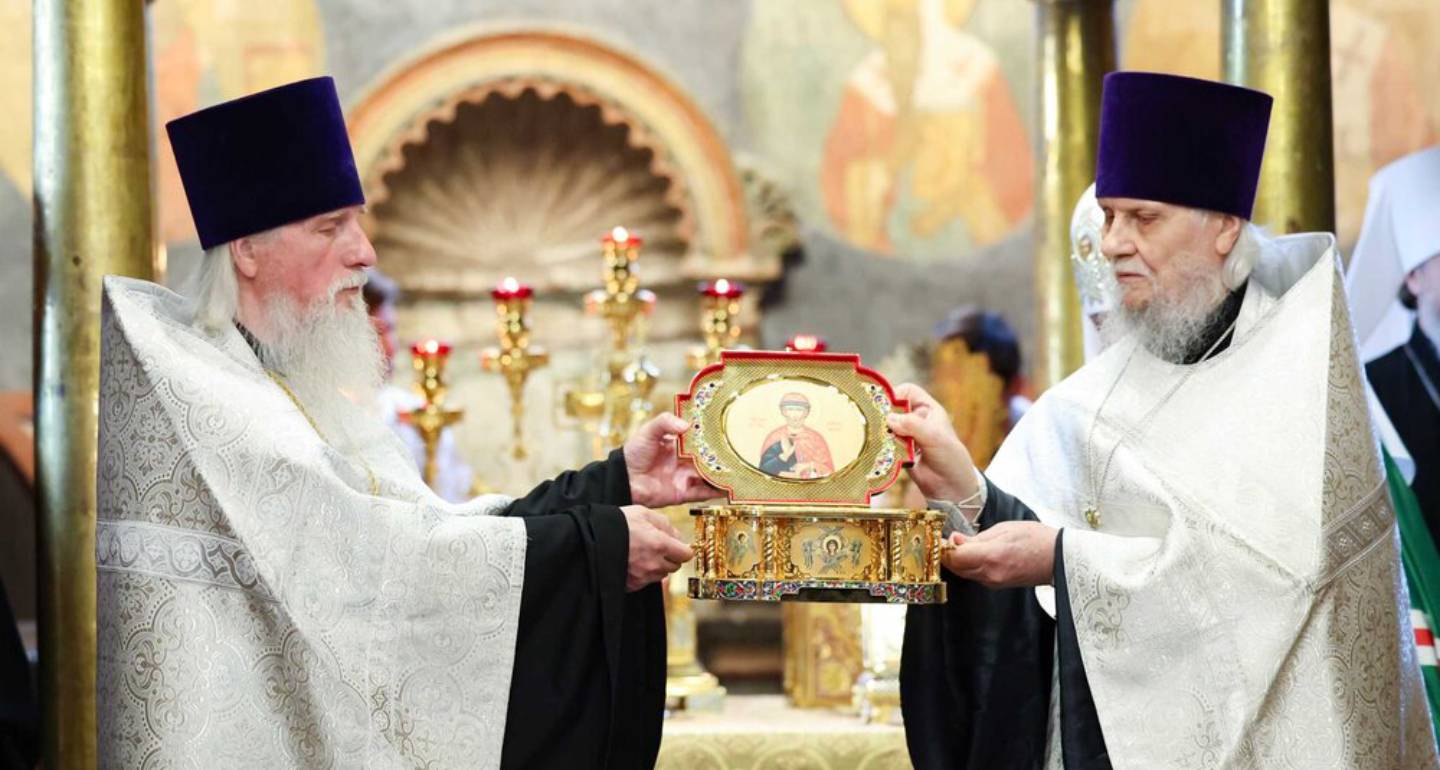
The recent uncovering of Dmitry Donskoy’s relics in the Cathedral of the Archangel is yet another attempt by the Russian Orthodox Church to help the state solve its problems. However, parroting the state’s version of Russian history leaves the Church with no message except “patriotism.”
Alexander Zanemonets

With the growth in points of friction between the great powers, organizations like the SCO will continue to play a role in the strategic adaptation of the smaller powers caught between them.

Temur Umarov

The war in Ukraine and a change in ownership led VK to neglect its commercial ventures in favor of implementing the Kremlin’s online agenda. Now it’s been sanctioned by the EU.
Maria Kolomychenko
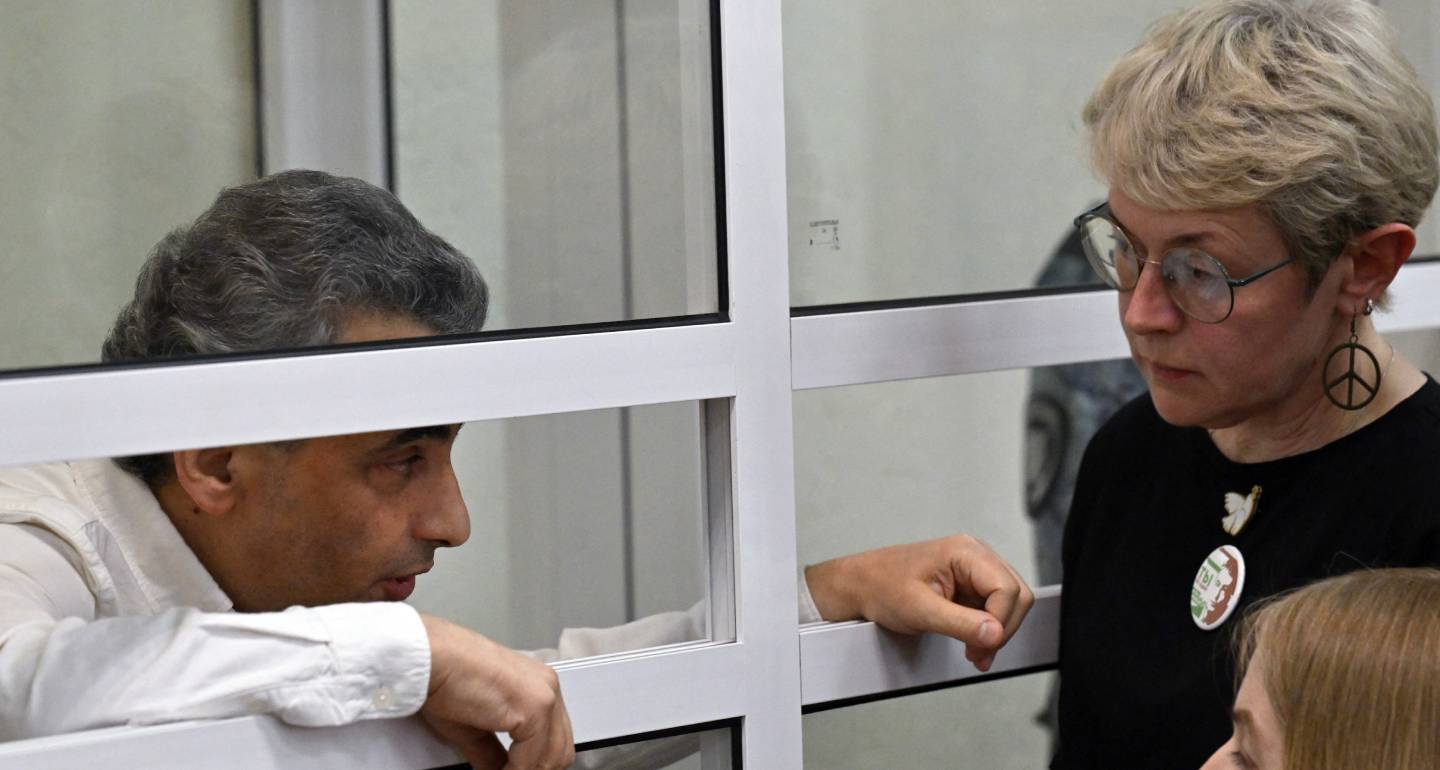
A regime founded on force, coercion, and repression does not want its propaganda, with all its flaws of logic, omissions, and outright lies, to be competing with the most simple of all messages: Thou shalt not kill.

Leonid Bershidsky