

Commentary
When faced with fuel shortages in the past, Central Asian governments could always count on additional supplies from Moscow. That safety net no longer exists.
Galiya Ibragimova

REQUIRED IMAGE
Source: Carnegie Paper No. 25
Summary
In December 1994, at the behest of then–U.S. president Bill Clinton, the leaders of the 34 Western Hemisphere democracies convened in Miami for the first comprehensive hemispheric summit in more than 25 years. The assembled heads of state pledged that their countries would forge a path toward regional integration based on four overarching principles: Governments should build strong democratic institutions, prosperity should be promoted through free trade and economic cooperation, poverty and discrimination should be eliminated, and the natural environment should be preserved through policies promoting sustainable development. Seven and a half years later, the promise of that first Summit of the Americas has only partly been realized. The 34 governments have made substantial progress on their second goal—economic integration—through negotiations on the Free Trade Area of the Americas (FTAA), which is expected to go into effect in 2005. However, they have accomplished little in the name of sustainable development.
This new working paper describes the dual challenges of building economies and protecting the environment. John Audley and Edward Sherwin demonstrate how political pressures in industrial and developing countries force linkages between efforts to achieve both objectives simultaneously, and conclude with a prescription for policy makers that addresses the environment and development needs of the hemisphere's countries by giving new mandates to existing multilateral institutions.
Click on link above for full text of this Carnegie Paper.
About the Authors
John Audley is senior associate at the Carnegie Endowment and director of the its Trade, Environment, and Development Project. He is the author of A Greener Fast Track: Putting Environmental Protection on the Trade Agenda (Carnegie Endowment Working Paper No. 22) and coauthor of Overhauling the WTO: Opportunity at Doha and Beyond (Carnegie Endowment Policy Brief No. 6).
Edward Sherwin is a junior fellow at the Carnegie Endowment, working on both the Trade, Environment, and Development and the Public Role for the Private Sector projects. He will be attending Harvard Law School in Fall 2002.
A limited number of print copies are also available.
Request a copy
Former Senior Associate
Edward Sherwin
Carnegie does not take institutional positions on public policy issues; the views represented herein are those of the author(s) and do not necessarily reflect the views of Carnegie, its staff, or its trustees.

When faced with fuel shortages in the past, Central Asian governments could always count on additional supplies from Moscow. That safety net no longer exists.

Galiya Ibragimova
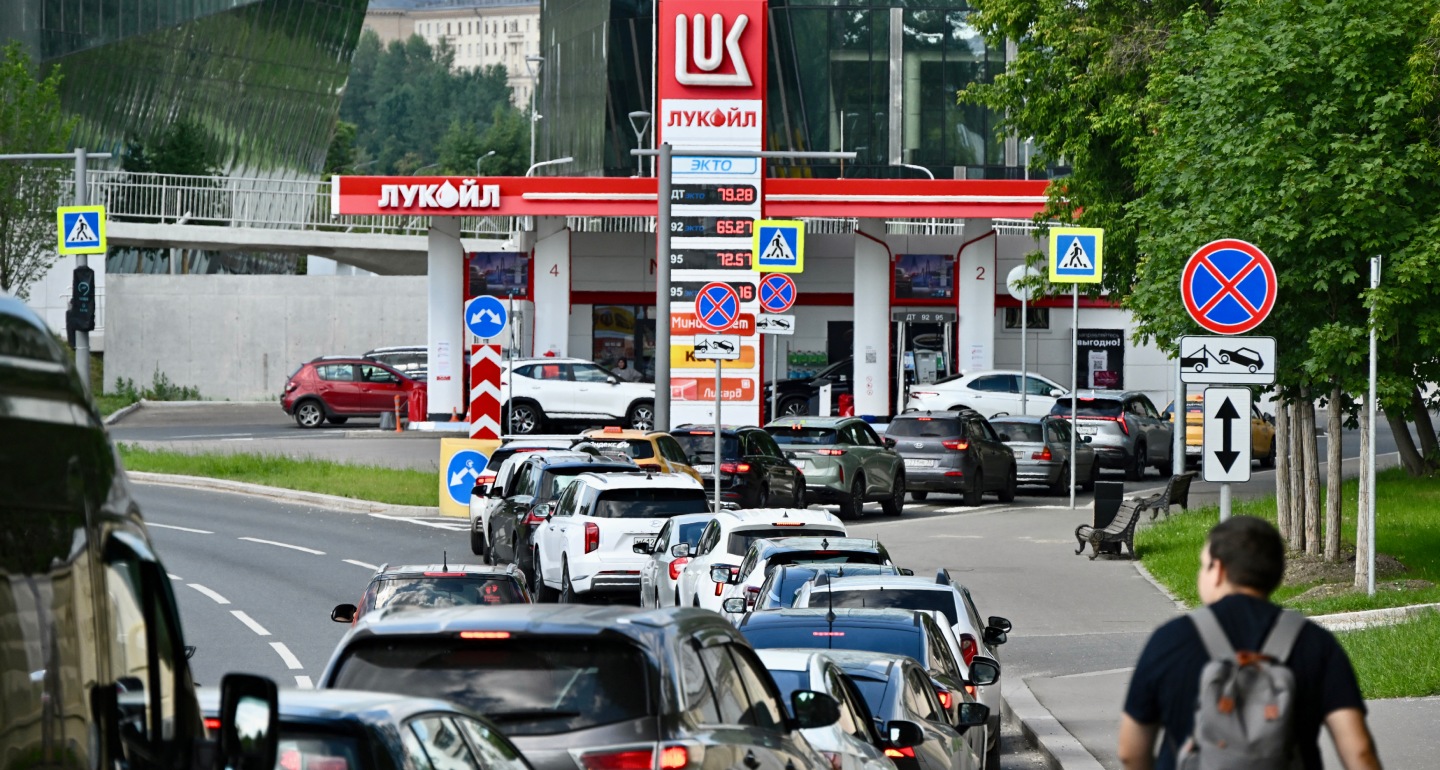
Official discussions about mini oil refineries are unlikely to come to anything—but the mere fact they’re happening reveals the regime is failing to deliver a functioning economy.

Sergey Vakulenko
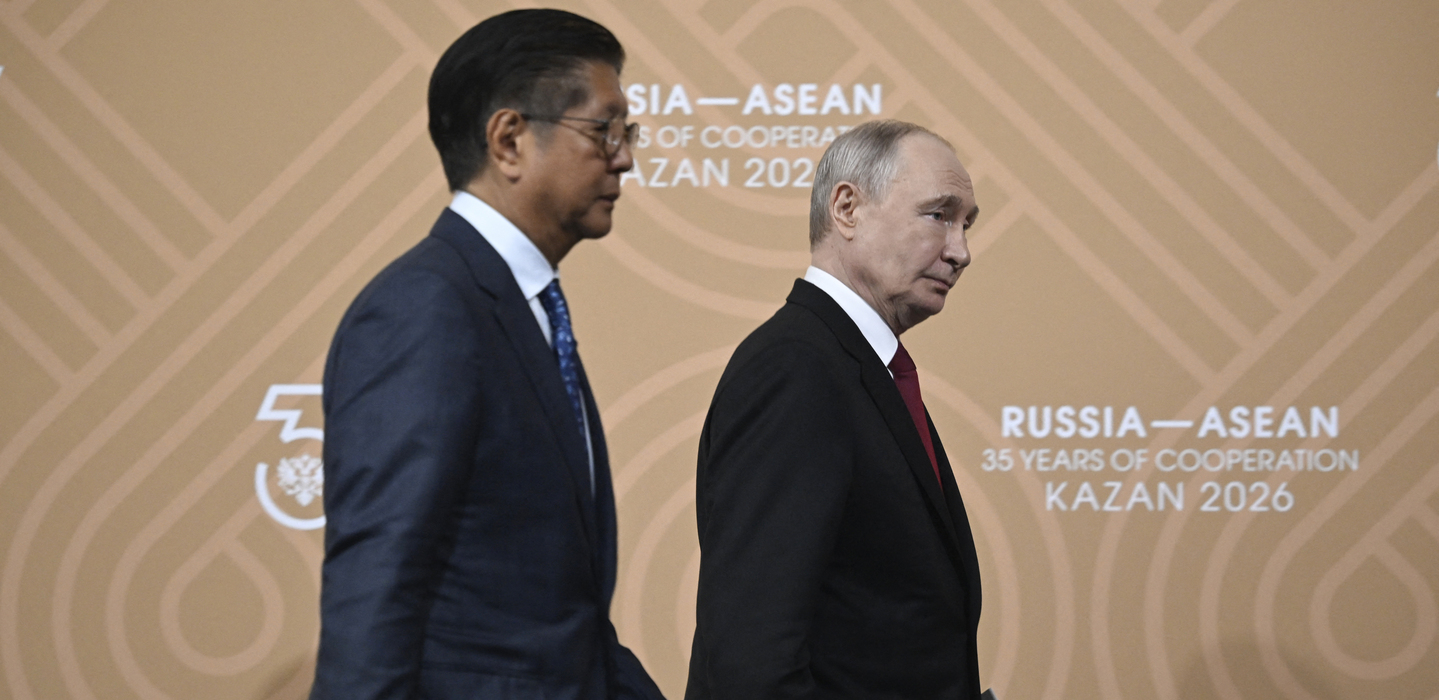
Russia looks set to reap economic benefits from closer ties with Southeast Asian countries that are keen to find reliable energy suppliers and diversify trade ties.

Alexander Gabuev
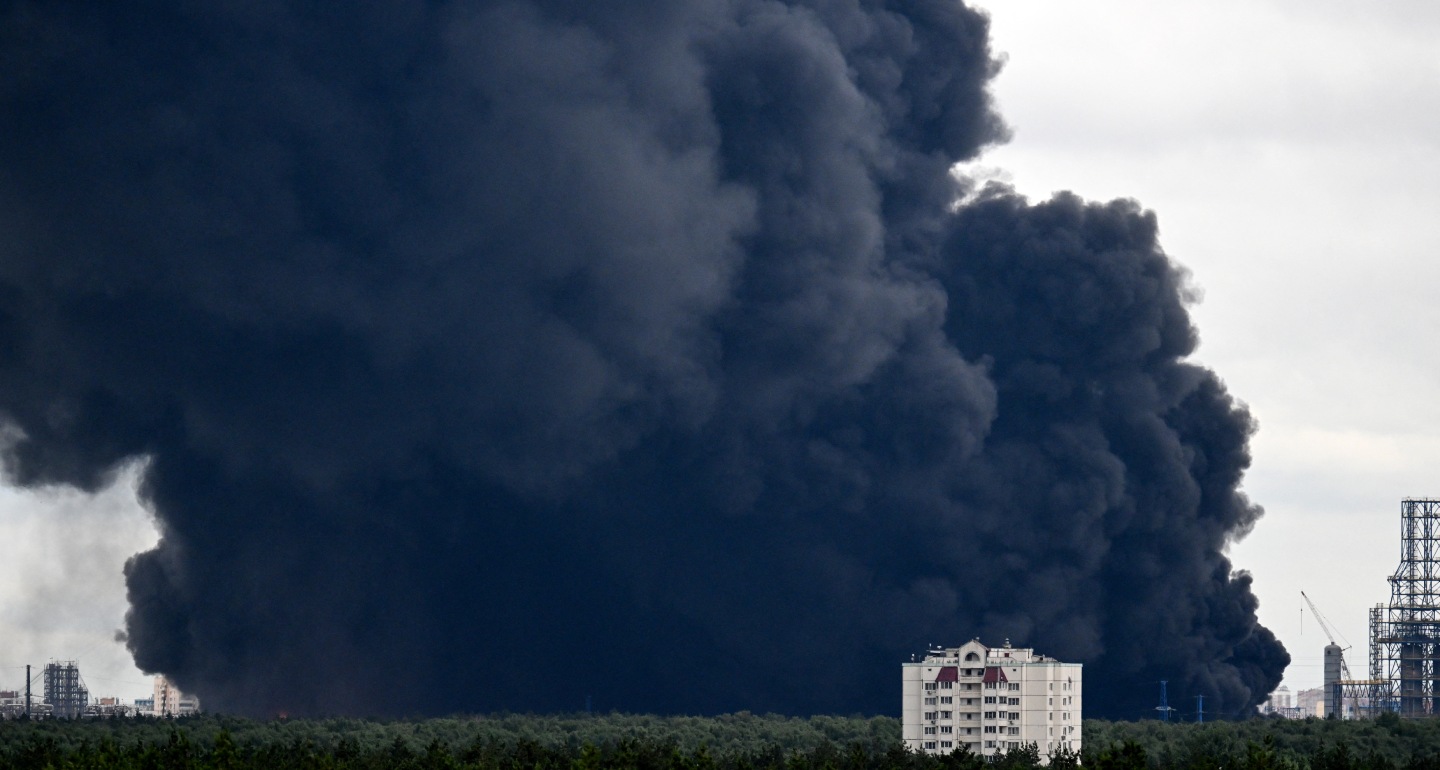
If it proves impossible for the Russian authorities to avoid a gasoline deficit, the question then becomes how they will organize the distribution of a scarce resource.
Sergey Vakulenko
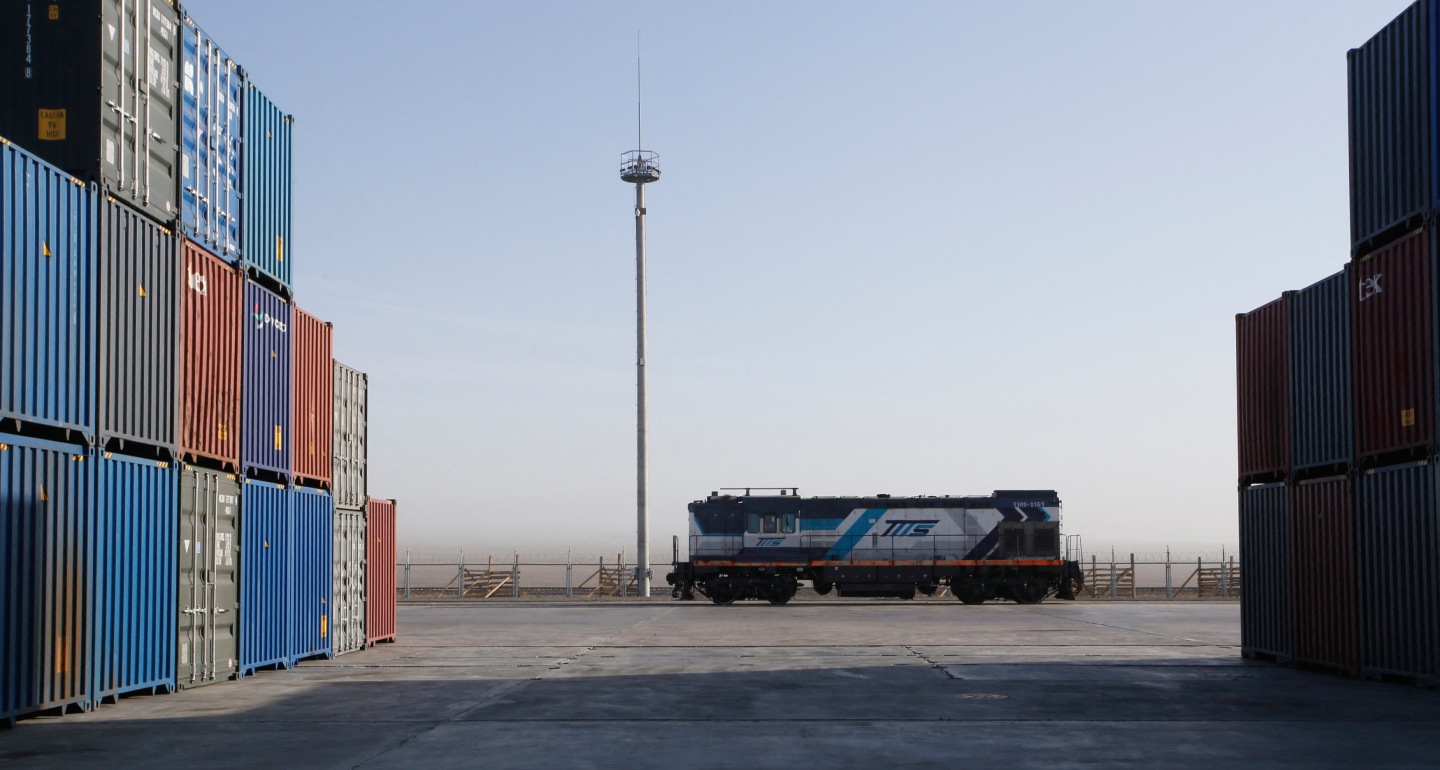
This year’s wars have made alternative routes to transit through Russia no less risky for Central Asian countries.
Galiya Ibragimova