

Commentary
Most of Moscow’s military resources are tied up in Ukraine, while Beijing’s foreign policy prioritizes economic ties and avoids direct conflict.
Alexander Gabuev, Temur Umarov

REQUIRED IMAGE
Reports indicate that samples taken by international inspectors in Iran reveal the presence of enriched uranium. If true, this could be the first hard evidence that Iran has purified uranium outside of safeguards and in violation of its obligations under the Nuclear Non-Proliferation Treaty. Article III of the NPT requires the full application of International Atomic Energy Agency (IAEA) safeguards over all nuclear activities within a member country. Iran recently disclosed that it has been building a uranium enrichment plant at Natanz and claims it plans to place the facility under safeguards. The United States and others maintain that the plant is intended for the production of uranium for use in nuclear weapons, a charge Iran denies.
There is nothing within the NPT that prohibits Iran from producing or possessing enriched uranium, which can be used in the production of nuclear weapons or the operation of nuclear reactors. Iran is required under the NPT to submit all nuclear facilities and material to international monitoring to ensure materials are used exclusively for peaceful purposes. If the samples confirm the presence of enriched uranium in Iran, it would not prove that Iran has violated its obligations. Iran possesses some quantities of enriched uranium that are used to fuel 2 research reactors, 2 critical assembly and 2 sub-critical assemblies. The United States provided Iran some of the material and one of the reactors in the 1970s. The samples could be the result of these other sources of uranium and more detailed information would be needed to determine the exact source of the samples.
If the samples confirm that Iran has enriched the uranium itself, it would mean that Iran has violated its treaty commitments. Such a finding would need to be referred by the IAEA to the UN Security Council for further action. It is not clear, however, that such a discovery would lead to any penalties against Iran. This would be a matter for negotiations among Security Council members. Russia – which holds a permanent seat on the Council – has defended Iran’s right to develop nuclear technology in cooperation with Russia under the NPT. It is not clear if the finding of a clear violation by Iran would alter Russia’s desire to do business with Tehran.
The detection of enriched uranium by environmental sampling would be a vote of confidence for the application of the IAEA’s additional safeguards protocol. Iran is being pushed by the United States, Russia and Europe to adopt this enhanced set of inspections and monitoring which would make it more difficult for a state to hide controlled nuclear activities. It would do nothing, however, to prevent Iran from exploiting what is a major loophole in the NPT; namely the right of states to produce and store vast quantities of weapons usable nuclear materials as long as they are subject to inspections.
Additional Resources:
Click here for Proliferation News
Carnegie does not take institutional positions on public policy issues; the views represented herein are those of the author(s) and do not necessarily reflect the views of Carnegie, its staff, or its trustees.
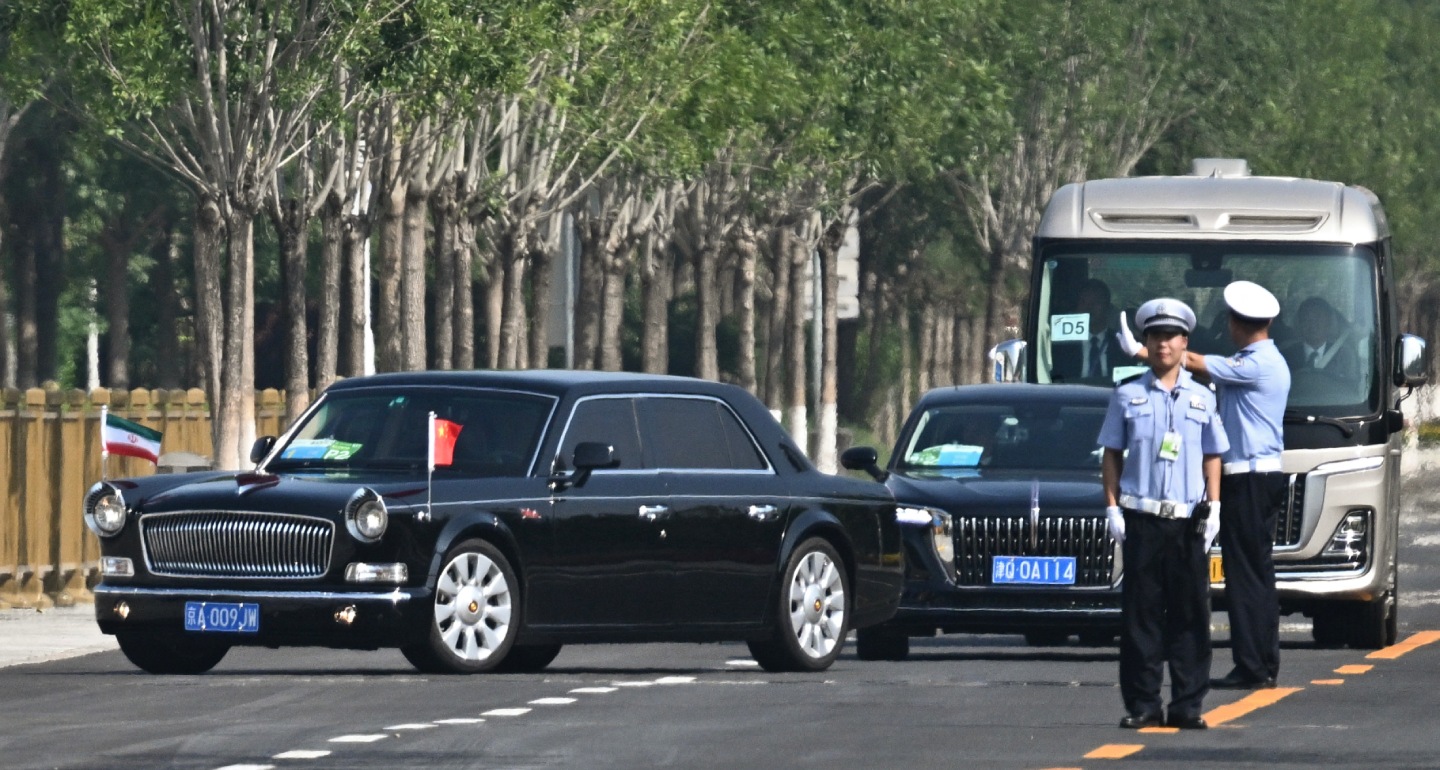
Most of Moscow’s military resources are tied up in Ukraine, while Beijing’s foreign policy prioritizes economic ties and avoids direct conflict.


Alexander Gabuev, Temur Umarov
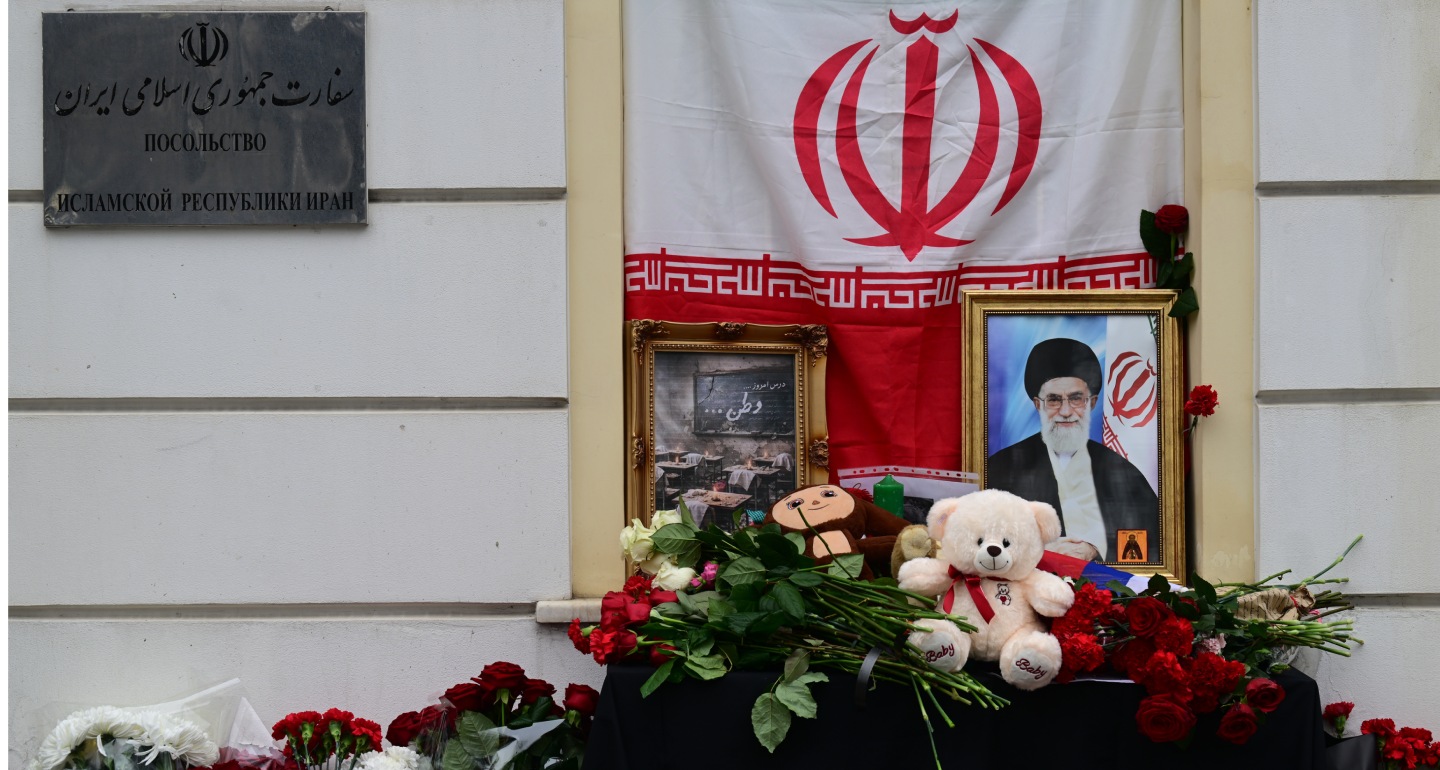
If the regime in Tehran survives, it could be obliged to hand Moscow significant political influence in exchange for supplies of weapons and humanitarian aid.

Nikita Smagin
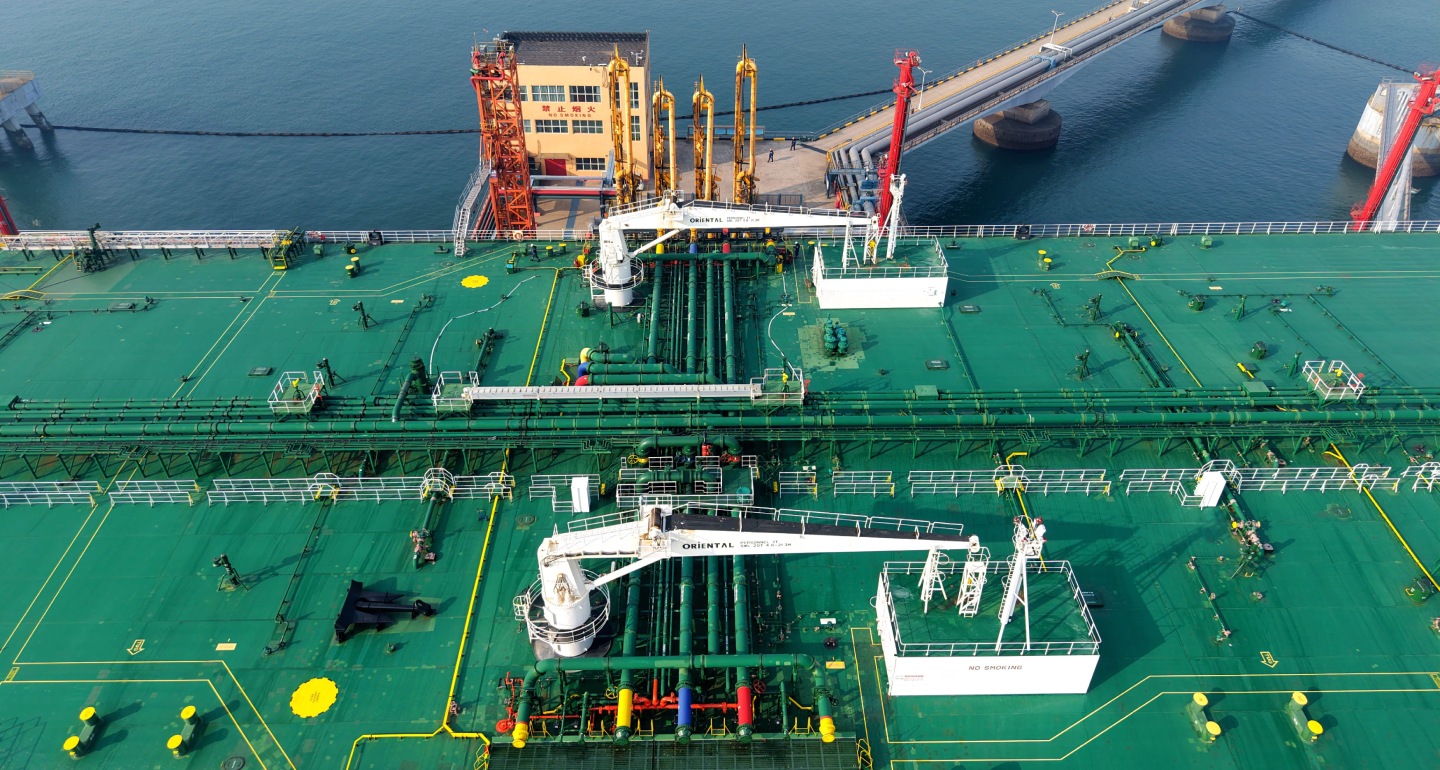
The interventions in Iran and Venezuela are in keeping with Trump’s strategy of containing China, but also strengthen Russia’s position.

Mikhail Korostikov
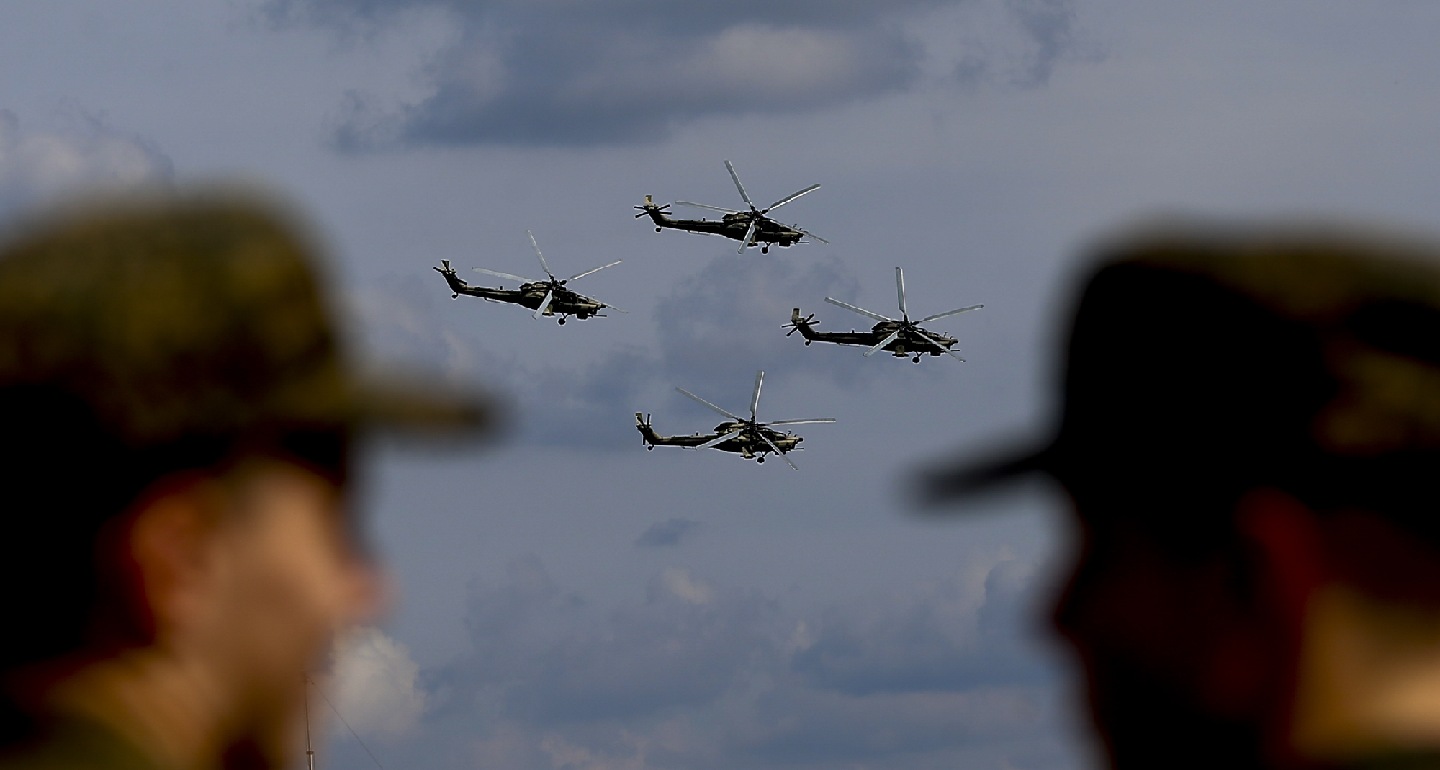
Arms supplies from Russia to Iran will not only continue, but could grow significantly if Russia gets the opportunity.
Nikita Smagin
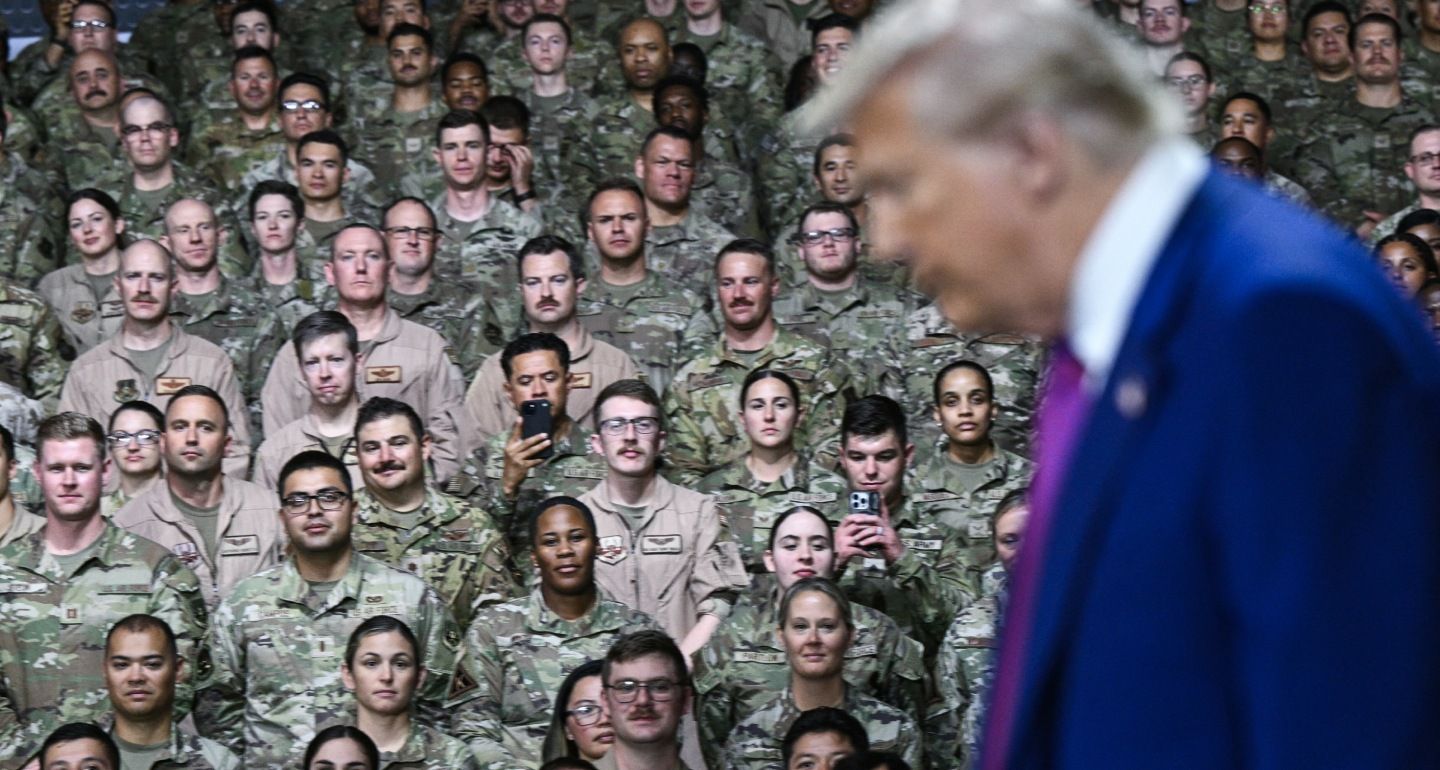
Unexpectedly, Trump’s America appears to have replaced Putin’s Russia’s as the world’s biggest disruptor.

Alexander Baunov