

Paper
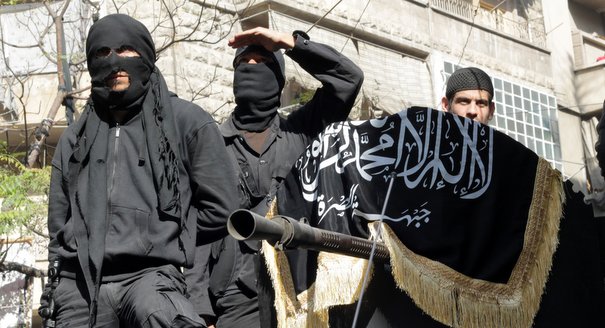
The Islamic State’s ideology is multifaceted and cannot be traced to one individual, movement, or period. Understanding it is crucial to defeating the group.
Hassan Hassan

REQUIRED IMAGE
The failure to find weapons of mass destruction (WMD) in Iraq is frequently portrayed as the result of either intelligence failures or misrepresentation of the intelligence by others. In fact, both were involved. It appears that a third factor was involved as well: misrepresentation of intelligence by the intelligence community itself. One week before lawmakers were to vote on the use of force in Iraq, the CIA released an unclassified version of its just-completed National Intelligence Estimate (NIE). As the intelligence community's definitive judgments on key issues, NIEs are always important documents on which great care is expended. However, this NIE was unusually important because it was the authoritative assessment of the Iraqi threat available to members of Congress on which to base a decision whether to support or oppose a war.
The failure to find weapons of mass destruction (WMD) in Iraq is frequently portrayed as the result of either intelligence failures or misrepresentation of the intelligence by others. In fact, both were involved. It appears that a third factor was involved as well: misrepresentation of intelligence by the intelligence community itself.
One week before lawmakers were to vote on the use of force in Iraq, the CIA released an unclassified version of its just-completed National Intelligence Estimate (NIE). As the intelligence community's definitive judgments on key issues, NIEs are always important documents on which great care is expended. However, this NIE was unusually important because it was the authoritative assessment of the Iraqi threat available to members of Congress on which to base a decision whether to support or oppose a war.
A close comparison of the unclassified version (CIA White Paper: "Iraq's Weapons of Mass Destruction Programs," published in October 2002) and the original classified NIE (parts of which were declassified and released after the war), reveals striking differences. In addition to changes presumably made to protect sensitive sources and methods, the differences are of two types. Some convey the impression that the intelligence community was much more confident and more united in its views than it actually was. Others appear designed to portray a sense of heightened threat, and particularly of a threat that could touch the U.S. homeland. Sentences and phrases in the classified NIE expressing uncertainty were deleted while new formulations alluding to gathering danger were added.
The words "we judge" and "we assess" were deleted from five key findings of the classified document. For example, the classified version read: "We judge that Iraq has continued its weapons of mass destruction (WMD) programs." The unclassified version stated: "Iraq has continued its weapons of mass destruction (WMD) programs." The classified NIE opined: "We judge Iraq has some lethal and incapacitating BW agents." In the unclassified version, this was a certainty: "Iraq has some lethal and incapacitating BW agents." The classified version expressed the view: "We assess that Baghdad has begun renewed production of mustard, sarin, GF (cyclosarin) and VX." The unclassified version was unequivocal: "Baghdad has begun renewed production of chemical warfare agents." In each case, uncertainties turned into fact.
The unclassified version had no reference to the dissenting opinions of the Department of Energy, U.S. Air Force, or the extensive dissenting views of the Department of State's Bureau of Intelligence and Research (INR) on Iraq's nuclear weapons program and its attempts to acquire aluminum tubes. Instead, where there was agency disagreement, the unclassified version used the phrase "most analysts assess" or "most analysts believe." Only on one occasion did the unclassified version mention the reason why "some" analysts disagreed. We now know that entire government agencies rejected many of what were portrayed as consensus judgments and that they held less alarmist views of Iraqi behavior.
A summary box that assigned confidence levels to key judgments was expunged. Only in the classified NIE did the intelligence community reveal that it had "low confidence" in its ability to assess: when Saddam would use WMD; whether he would engage in clandestine attacks against the United States; and, whether he would share chemical or biological weapons with Al Qaeda. The judgments themselves, also omitted, were that the intelligence community believed Saddam was unlikely to engage in such risky activity unless he was provoked by fear of regime change; in other words, unless he faced imminent attack.
The following excerpts detail more of the striking differences between the two documents. They raise a disturbing question: why the director of central intelligence would release a document purporting to reflect the consensus judgment of the intelligence agencies that distorted those views in highly significant ways.
In recent congressional testimony, CIA director George Tenet asserted: "You have the confidence to know that when I believed somebody was misconstruing intelligence I said something about it." (3/9/04) In this case it appears that he misconstrued the available intelligence himself.
Key sentences omitted from the unclassified version:
Material added to the unclassified version (additions italicized):
However, some omissions arguably make the unclassified version less alarmist than the original (information that was only in the classified version is italicized):
Jessica Mathews is president of the Carnegie Endowment and Jeff Miller is a researcher in the president's office.
Additional Resources:
Carnegie does not take institutional positions on public policy issues; the views represented herein are those of the author(s) and do not necessarily reflect the views of Carnegie, its staff, or its trustees.
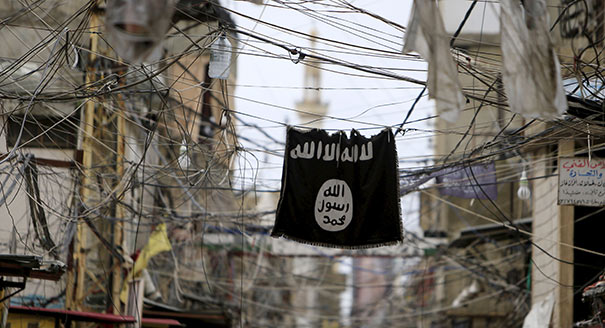
The Islamic State’s ideology is multifaceted and cannot be traced to one individual, movement, or period. Understanding it is crucial to defeating the group.
Hassan Hassan
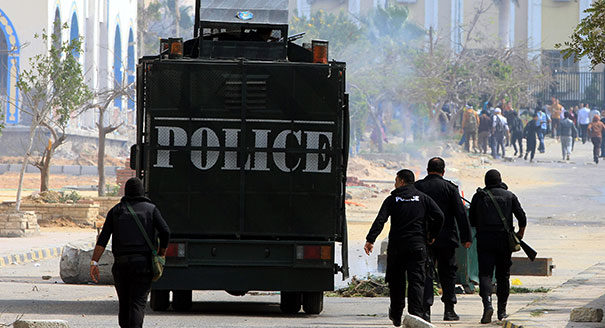
The Arab states in transition are confronted with a seemingly intractable task: rebuilding state institutions and social contracts in an era of global change. Conventional approaches to security sector reform that fail to grasp the dilemmas and challenges complicating this effort are certain to fail.

Yezid Sayigh
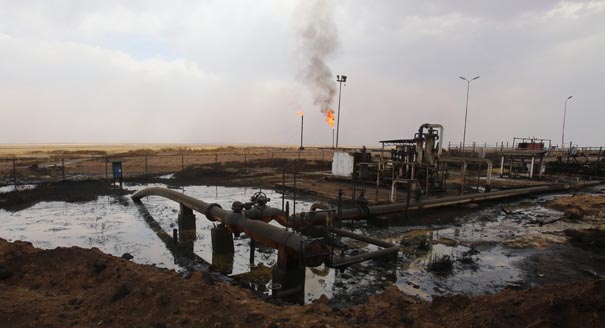
The group hasn't only recruited suicide bombers, it has also drawn technicians and engineers to manage oil fields under its control.

Carole Nakhle
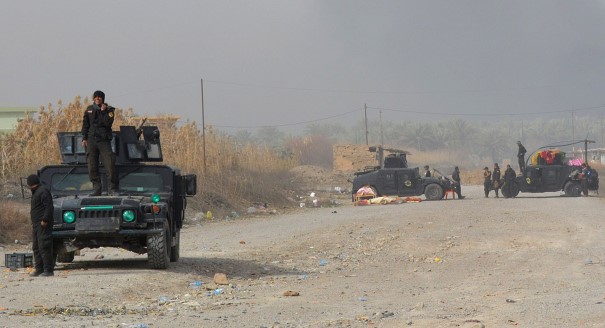
Many North Caucasus natives have joined the Islamic State, and some are returning home. If the socioeconomic and political situation in the region deteriorates and popular discontent increases, this may lead former Islamic State fighters to join the armed struggle.

Alexey Malashenko
Syrian jihad will not be replicated by Central Asian combatants returning home, but fundamentalist ideals are long-established in this region and will not go away.
Timur Toktonaliev, Alexey Malashenko