

Commentary
With the growth in points of friction between the great powers, organizations like the SCO will continue to play a role in the strategic adaptation of the smaller powers caught between them.
Temur Umarov

REQUIRED IMAGE
The Bush administration plans to make significant additional cuts in the size of US troop deployments in South Korea. Such reductions may leave North Korean leaders with the impression that it is their recently enhanced nuclear capabilities that are driving the American withdrawal and embolden the reclusive state to take provocative actions in the months before to the US election.
Press reports indicate that the Bush administration plans to make significant additional cuts in the size of US troop deployments in South Korea. These come on top of the transfer of 3,600 American troops from South Korea to Iraq announced last month. The cut may ultimately lead to a one-third reduction of the 37,000 troops that defend South Korea from a possible strike by the North. More importantly, however, these troops help reinforce deterrence and stability in the most heavily militarized part of the world and their reduction may pose unnecessary risks in this dangerous part of the world. Such reductions may leave North Korean leaders with the impression that it is their recently enhanced nuclear capabilities that are driving the American withdrawal and embolden the reclusive state to take provocative actions in the months before to the US election.
The Bush administration deserves credit for seeking to transform the military to deal with new threats and to further enhance its global reach and reaction time. The demands of undertaking such changes would be daunting at any time, let alone when the US military must contend with a dangerous war in Iraq, a worsening situation in Afghanistan and global commitments in the war on terrorism. But there is also the very real and growing danger of a nuclear North Korea. This means that certain commitments must be maintained or enhanced, even at the price of slowing military transformation. By some estimates, North Korea may now possess as many as 9 nuclear weapons, four times the estimated arsenal when President Bush took office.
The facts on the ground in Korea may argue for an increase, not a decrease, in the size and nature of the US military deployments in South Korea and East Asia. North Korea’s continued nuclear program and the failure of current efforts to stop and roll back Pyongyang’s activities threaten to destabilize the entire region. Any sign that the US is not committed to the defense of our closest allies in the region only add to the danger and instability. Preserving and enhancing the US-ROK-Japanese alliance should be a top priority for the United States.
Carnegie does not take institutional positions on public policy issues; the views represented herein are those of the author(s) and do not necessarily reflect the views of Carnegie, its staff, or its trustees.

With the growth in points of friction between the great powers, organizations like the SCO will continue to play a role in the strategic adaptation of the smaller powers caught between them.

Temur Umarov

When faced with fuel shortages in the past, Central Asian governments could always count on additional supplies from Moscow. That safety net no longer exists.

Galiya Ibragimova

Despite unhappiness on the ground, Moscow is determined to use both carrot and stick to ensure there is record support for United Russia in occupied Ukraine.

Konstantin Skorkin
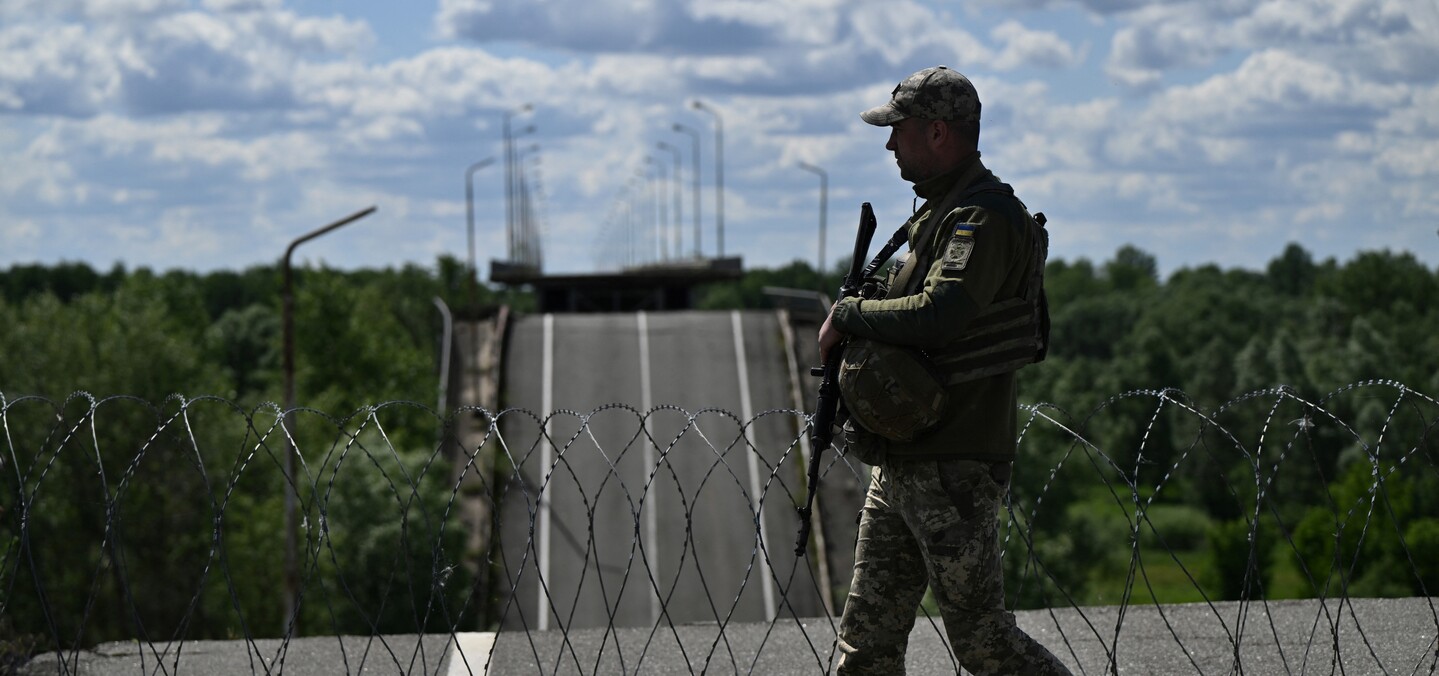
The recent damage inflicted by Ukrainian drones and missiles on Russia has made Belarus aware of its own vulnerabilities—and surprisingly amenable to Kyiv’s demands.

Artyom Shraibman
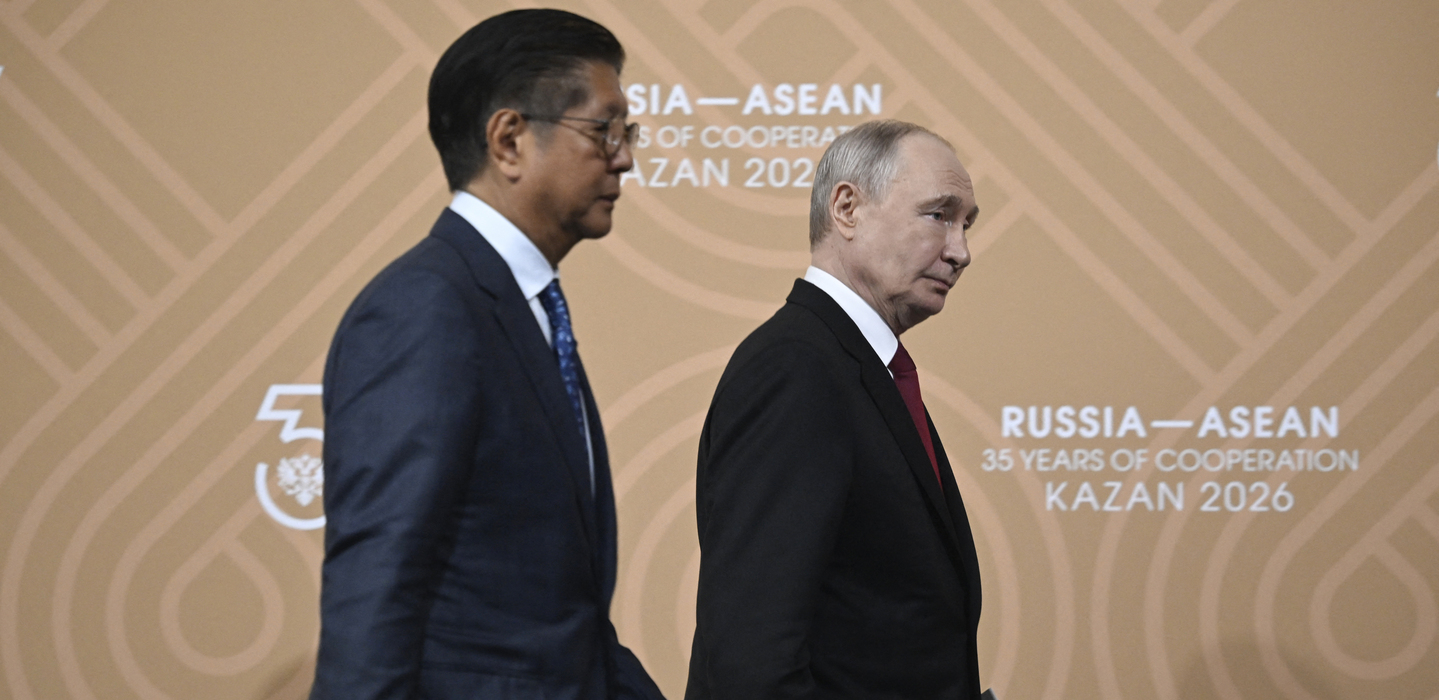
Russia looks set to reap economic benefits from closer ties with Southeast Asian countries that are keen to find reliable energy suppliers and diversify trade ties.

Alexander Gabuev