

Commentary
With the growth in points of friction between the great powers, organizations like the SCO will continue to play a role in the strategic adaptation of the smaller powers caught between them.
Temur Umarov

REQUIRED IMAGE
It has been called the forgotten war. What seemed two years ago to be a shining example of American military power and international leadership is now a growing morass. The Taliban is back, Al Qaeda roams the countryside and Osama bin Ladin mocks America from his mountain redoubt. Assassins in the last week barely missed killing both the president and the vice-president in separate attacks on this fledgling democracy’s government.
It has been called the forgotten war. What seemed two years ago to be a shining example of American military power and international leadership is now a growing morass. The Taliban is back, Al Qaeda roams the countryside and Osama bin Ladin mocks America from his mountain redoubt. Assassins in the last week barely missed killing both the president and the vice-president in separate attacks on this fledgling democracy’s government.
After a quick military victory, the administration turned from Afghanistan to pursue war in Iraq. The danger is that, like Aesop’s dog, officials will lose the bone they had in pursuit of the illusion of a larger prize. U.S. and international military and economic efforts are too little, but it is not too late. A sharp turn back to Afghanistan can still rescue the situation. It must begin with a candid acknowledgement of the problems we face.
Five key indicators tell a sober story.
Millions of Afghans want a secure, democratic future free of Taliban oppression and Al Qaeda terror. Now more than ever, they need American and international help. The October elections are not a cure-all. They should be followed by a renewed presidential commitment to increase U.S. forces and assistance, matched by increased international aid. Afghanistan deserves more. It is the front line in the war against fundamentalist Islamic terrorists. We cannot lose here.

Former Senior Associate, Director for NonProliferation
Joshua Williams
Carnegie Endowment for International Peace
Carnegie does not take institutional positions on public policy issues; the views represented herein are those of the author(s) and do not necessarily reflect the views of Carnegie, its staff, or its trustees.

With the growth in points of friction between the great powers, organizations like the SCO will continue to play a role in the strategic adaptation of the smaller powers caught between them.

Temur Umarov

When faced with fuel shortages in the past, Central Asian governments could always count on additional supplies from Moscow. That safety net no longer exists.

Galiya Ibragimova

Two divergent trends—Putin’s hardline vision of how to prosecute the war in Ukraine, and a growing desire for change in Russia—could tear the regime apart.

Tatiana Stanovaya
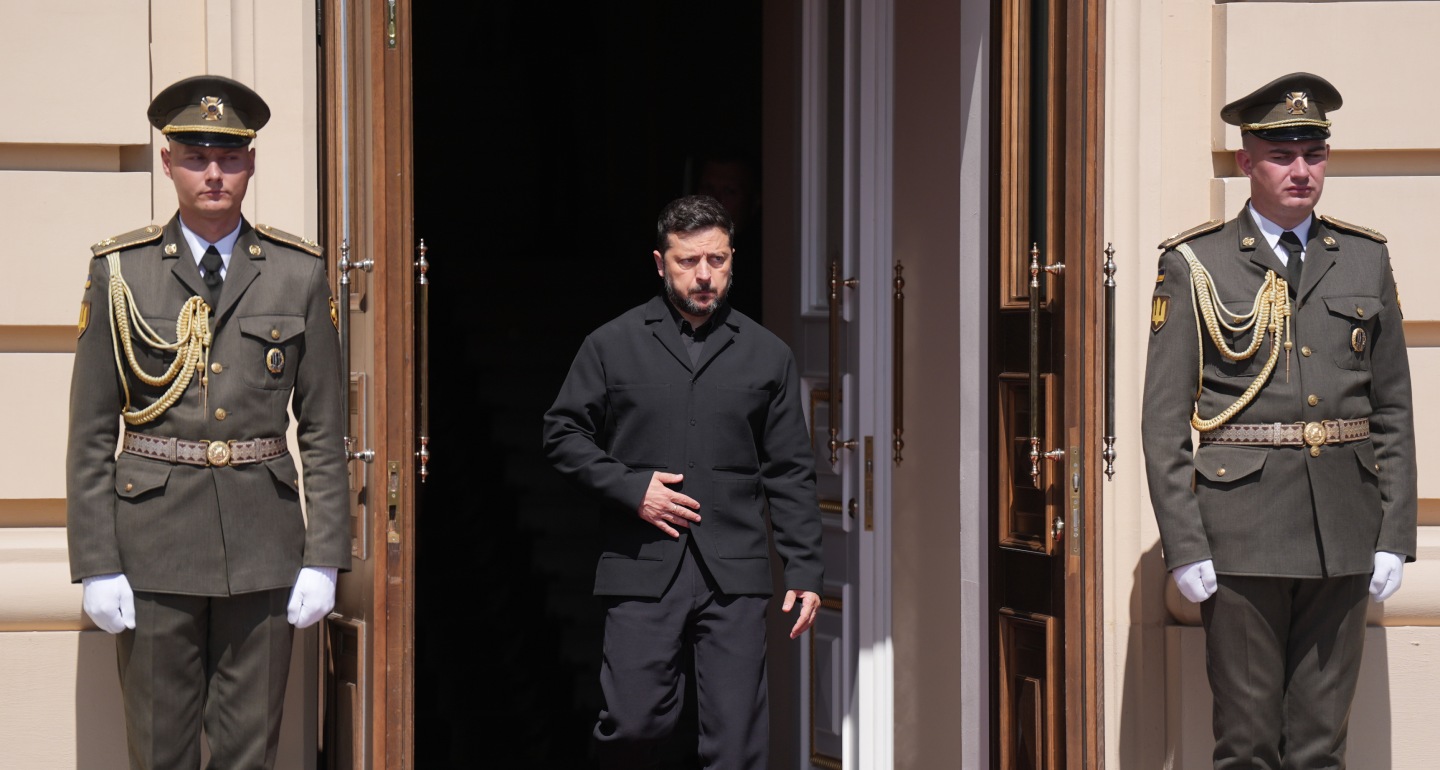
Ultimately, Zelensky sided neither with the reform camp nor with the military establishment as such, but with political control.

Balázs Jarábik

Andrey Melnichenko’s essay offers no answer to the fundamental question of how, under any kind of negotiated settlement, Europe can protect itself from the Russian ressentiment that is inevitable in all scenarios except for an outright victory for Putin.

Leonid Bershidsky