

Report
- +2
George Perkovich, Jessica Tuchman Mathews, Joseph Cirincione, …
Source: Getty
Words matter. When Deadly Arsenals hits the streets on July 12 (just slightly ahead of the new Harry Potter book) it will no longer use the expression “weapons of mass destruction.” The phrase confuses officials, befuddles the public, and justifies policies that more precise language and more accurate assessments would not support.
Words matter. This is why the newest book in the 21-year old Carnegie series on proliferation will not rely on a term that has appeared in all previous assessments. When Deadly Arsenals hits the streets on July 12 (just slightly ahead of the new Harry Potter book) it will no longer use the expression “weapons of mass destruction.” The phrase confuses officials, befuddles the public, and justifies policies that more precise language and more accurate assessments would not support.
Though used widely by officials and the media, “weapons of mass destruction” conflates very different threats from weapons that differ greatly in lethality, consequence of use, difficulty of acquisition, and the availability of measures that can protect against them. Chemical weapons are easy to manufacture, but they inflict relatively limited damage over small areas and dissipate fairly quickly. Biological weapon agents can be made in most medical laboratories, but it is very difficult to turn these agents into effective weapons, and prompt inoculation and quarantine could limit the number of victims and the areas affected. Nuclear weapons are difficult to produce, but one weapon can destroy an entire city, killing hundreds of thousands instantly and leaving lingering radiation that would render large areas uninhabitable for years.
A failure to differentiate these threats can lead to seriously flawed policy. For example, the repeated use of the term “weapons of mass destruction” to describe the potential threat from Iraq before the 2003 war merged the danger that Baghdad still had anthrax-filled shells, which was possible, with the danger that it had nuclear bombs, which was highly unlikely. Similarly, saying that Syria has "weapons of mass destruction" merges the danger that it has chemical weapons, which is almost certainly true, with the danger that it has a nuclear bomb, which is certainly not true. The first threat is real, but its elimination requires an entirely different set of policies than does the second. The term also blurs the possible responses to threats, justifying for some the use of nuclear weapons to prevent a potential chemical weapons attack. Deadly Arsenals disaggregates these threats, considering weapons and programs as they actually appear.
Will changing a few words really make much difference? It might. Understanding that not all weapons are equal and, we would argue, that nuclear weapons are the weapons most likely to cause massive destruction should help journalists, experts, and policy makers focus attention on the most critical threats. This does not mean that we would slow down for one minute the destruction of the 40,000 tons of chemical weapons in Russia or the 30,000 tons of chemical weapons in the United States. Nor does it mean we can let up in efforts to thwart biological weapon programs or pandemics. It might help, however, speed up existing efforts to eliminate and secure nuclear bomb materials before terrorist groups can get to them. Greater precision on the threats could lead to greater precision on policy.
This change in language is a decision taken by the Deadly Arsenals authors, but one supported by our Carnegie colleagues expert on these issues, including Carnegie President Jessica Mathews, Vice-president George Perkovich and Senior Associate Rose Gottemoeller. We hope that other scholars and organizations will also consider making the switch.
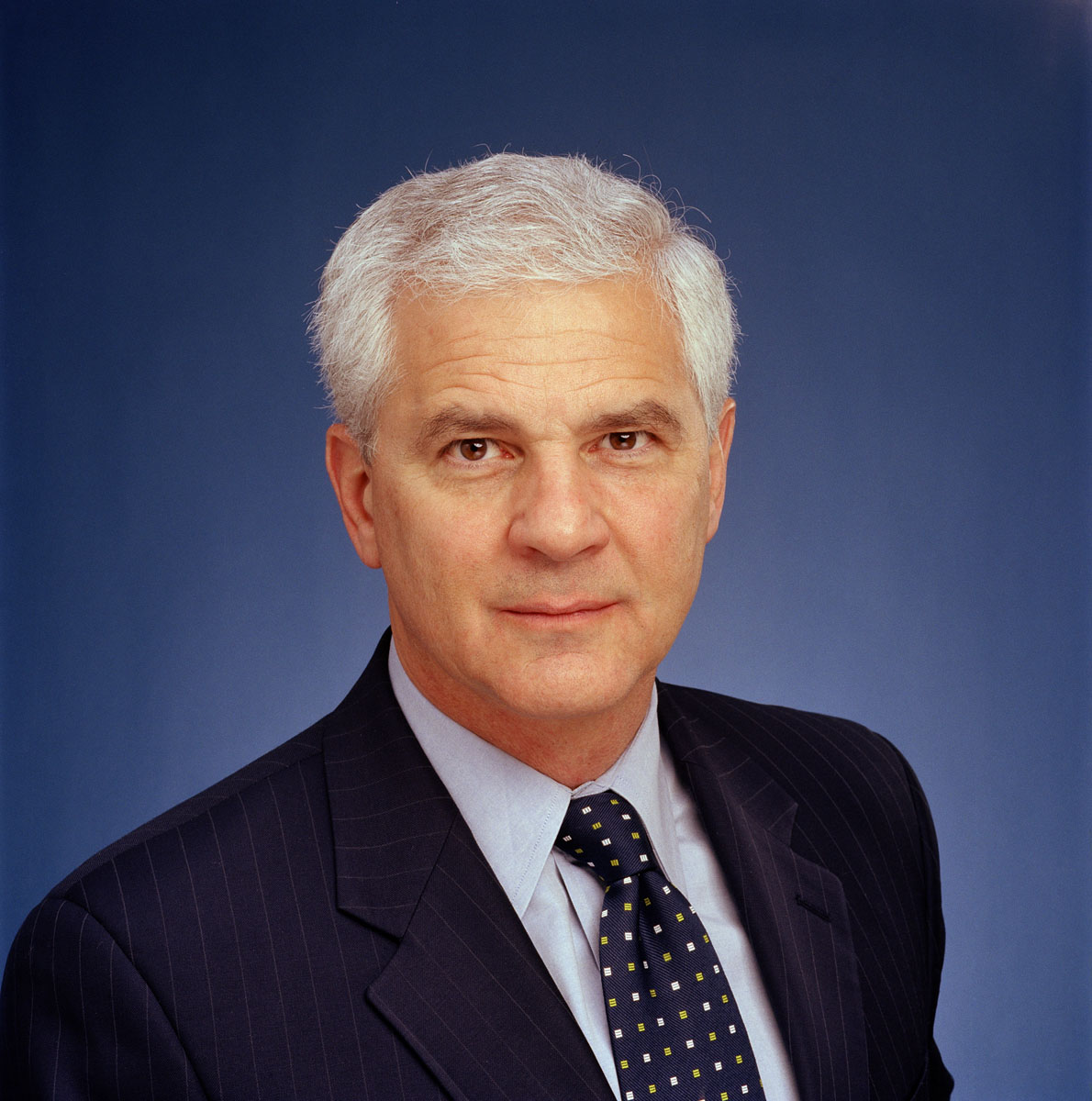
Former Senior Associate, Director for NonProliferation
Recent Work


George Perkovich, Jessica Tuchman Mathews, Joseph Cirincione, …
Joseph Cirincione
Carnegie does not take institutional positions on public policy issues; the views represented herein are those of the author(s) and do not necessarily reflect the views of Carnegie, its staff, or its trustees.

For every ruble allocated to social policy, health, and education in 2027, double that amount is earmarked for the army, the police, and the security services.

Alexandra Prokopenko

Cargo traffic through Russia’s Northern Sea Route has increased because of the disruption caused by the conflict in the Middle East, the Ukraine war, and U.S.-China tensions.

Mikhail Korostikov
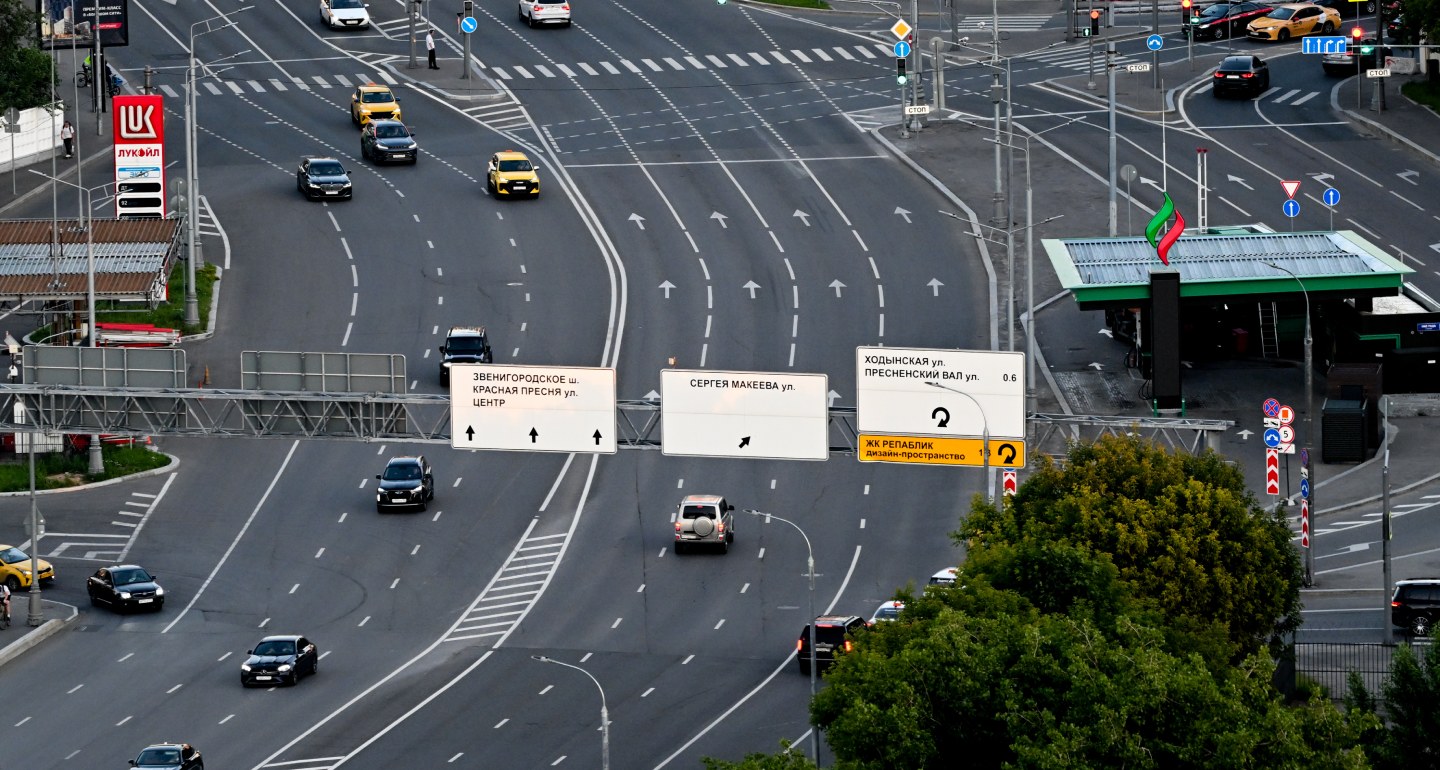
An analysis of traffic accident data suggests that Ukrainian drone attacks caused a material but not disastrous fall in Russian gasoline consumption over the summer.

Sergey Vakulenko

Sergei Kiriyenko used Russia’s parliamentary vote to further hone his strategy of corporate mobilization that is designed to maximize votes for United Russia.

Andrey Pertsev

Trump has promised Belarus a massive potash deal. But Minsk is seeking something greater: restored Western transit and greater room for maneuver from Russia.

Balázs Jarábik