

Commentary
While the current surge in grain trading activity in the Caspian Sea is undeniably impressive, it is constrained by financial, infrastructure, geographic, military, and environmental factors.
Nikita Smagin
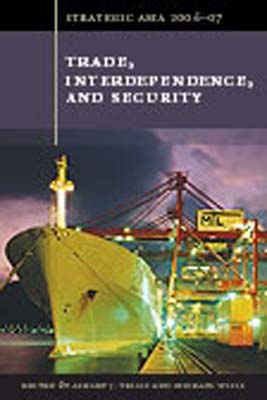
This book examines the strategic balance in Asia and the increasing levels of trade and interdependence in the region, assessing the implications for the United States.
The National Bureau of Asian Research

Strategic Asia 2006–07: Trade, Interdependence, and Security, the sixth volume in NBR’s Strategic Asia series, examines how trade and interdependence fit into the grand strategies of various Asian states and how changing economic relationships could affect regional stability in Asia. Through a combination of country, regional, and topical studies, the book assesses trade and investment dynamics in the region, the rise of new powers, the ongoing processes of globalization, and the impact of economic interdependence on security, and evaluates how these trends are altering Asia's strategic environment.
Order this book, or read the introduction by Ashley J. Tellis for free.
About the Authors
Ashley J. Tellis, Senior Associate at the Carnegie Endowment for International Peace, served in the U.S. Department of State as senior advisor to the Ambassador at the U.S. embassy in India and on the National Security Council staff as special assistant to the president and senior director, strategic planning and Southwest Asia. He is the author of India’s Emerging Nuclear Posture and co-author of Interpreting China’s Grand Strategy. He has co-edited Strategic Asia 2005-06: Military Modernization in an Era of Uncertainty and Strategic Asia 2004-05: Confronting Terrorism in the Pursuit of Power.
Michael Wills is the Strategic Asia program director at the National Bureau of Asian Research.
Former Senior Fellow
Ashley J. Tellis was a senior fellow at the Carnegie Endowment for International Peace.
Michael Wills
Carnegie does not take institutional positions on public policy issues; the views represented herein are those of the author(s) and do not necessarily reflect the views of Carnegie, its staff, or its trustees.
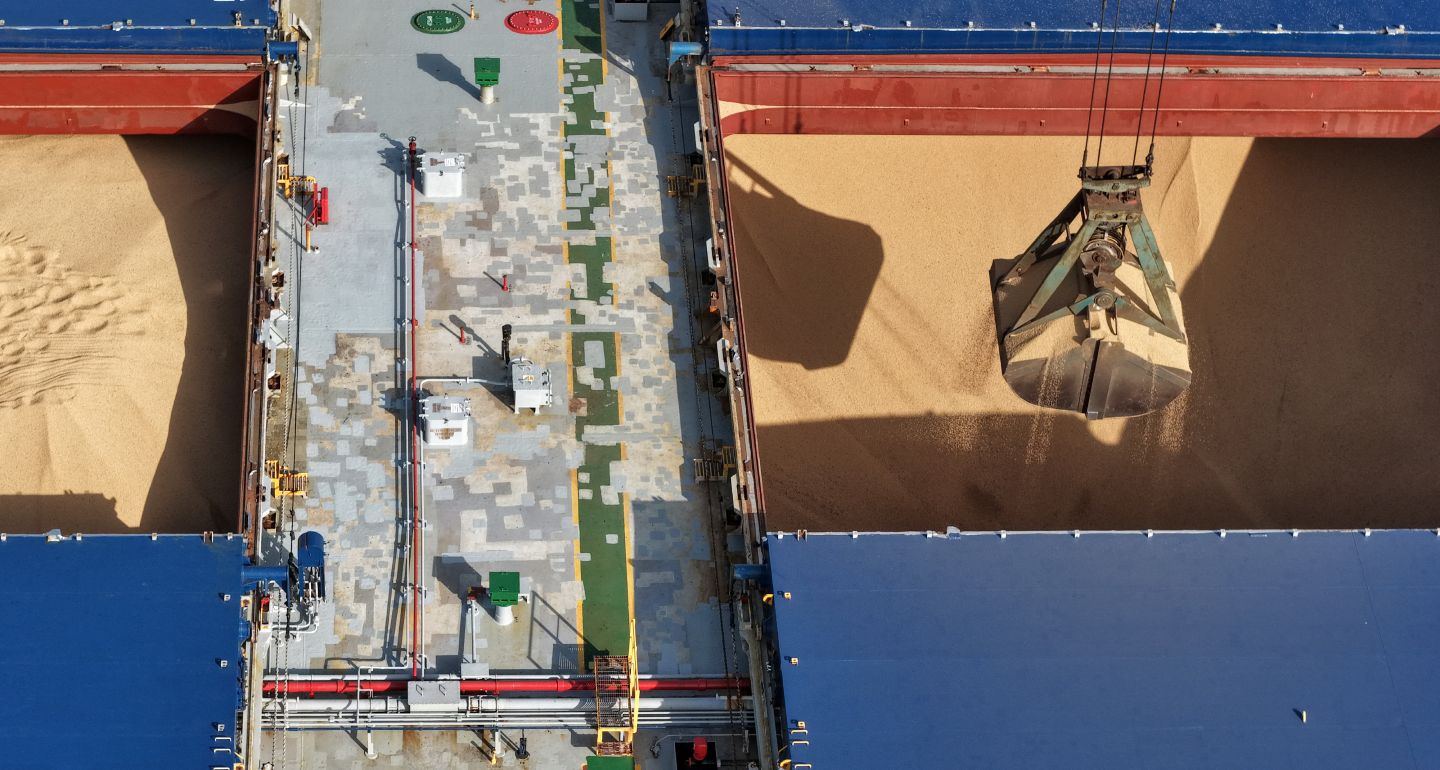
While the current surge in grain trading activity in the Caspian Sea is undeniably impressive, it is constrained by financial, infrastructure, geographic, military, and environmental factors.

Nikita Smagin
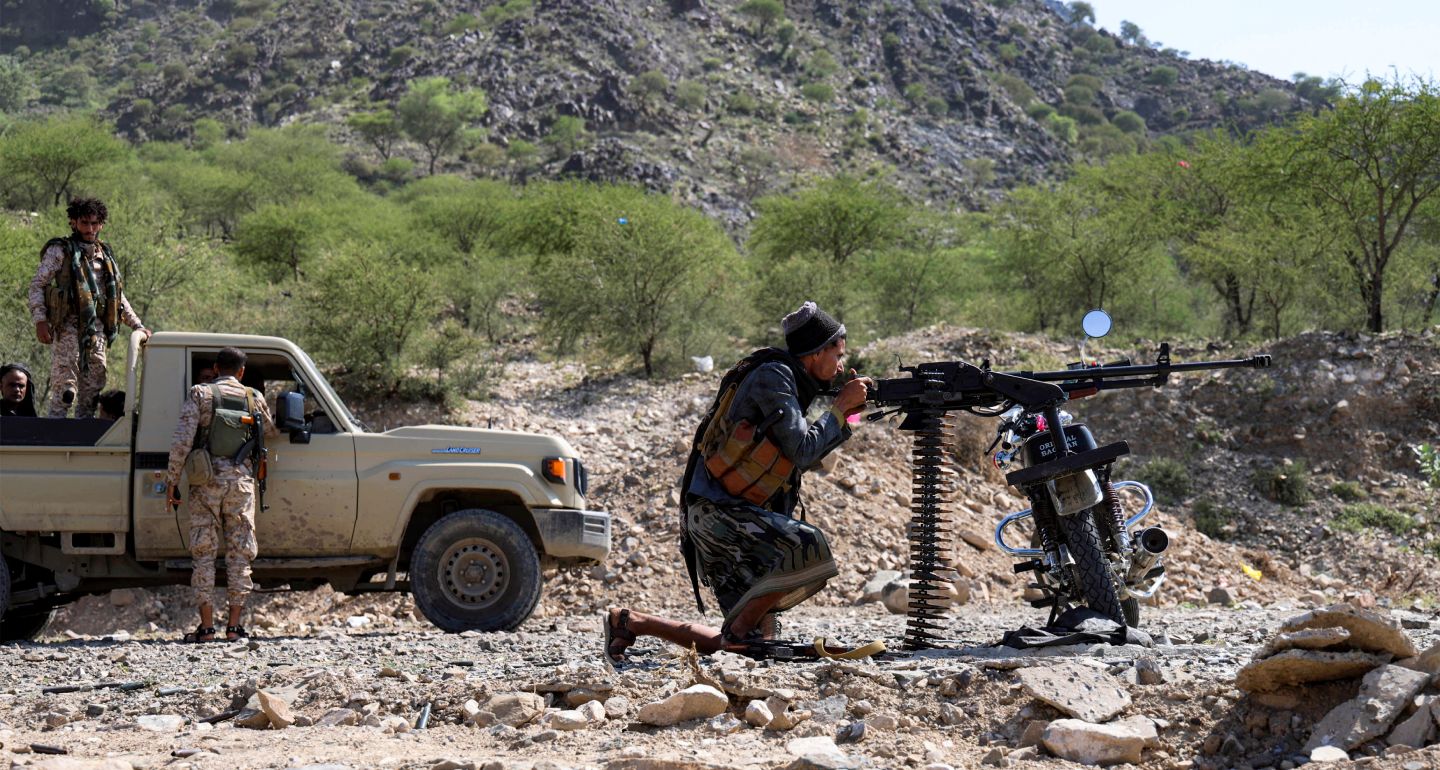
Russia officially endorses Yemen’s formal government while quietly providing military support to the Houthi rebels. However, recent escalation in Yemen has thrust Russia’s game into the spotlight—and risks endangering its relations with the Gulf states.

Ruslan Suleymanov

The concrete goal of an end to the hostilities in Ukraine has been replaced by a host of vague Russian demands concerning a range of issues and regions.

Alexander Baunov

It’s a testing time for Russia’s policy in Serbia and the wider region, but it would be premature to conclude from one political setback that the days of Russian influence are over.

Dimitar Bechev
There are limits as to how far the shift in South Korea’s foreign policy will go.

James D.J. Brown