

Paper
George Perkovich

Source: Getty
North Korea recently tested a nuclear weapon. The United States must now take the lead in intense diplomacy to prevent a chain reaction in the nuclear arena.
Without prompt, effective, leadership by the United States in response to the reported nuclear test by North Korea on October 8, two other consequences could follow: regionally, a nuclear chain reaction could take place in the form of an arms race, or, internationally, Iran could take a cue to be more provocative in the nuclear arena.
The most important thing is for the United States to take the lead in involving Japan, South Korea and China in very intensive diplomacy about how all of the major powers in Northeast Asia can avoid the temptation to engage in an arms race which will exacerbate fears of a nuclear confrontation in the region. Given that some people perceive that Japan's new leadership might wish to reconsider Japan's nuclear policy, it is vitally important that the United States lead an intense and sustained effort with Japan, South Korea and China to clarify each other's intentions and policies in ways that avoid any nuclear competition. These countries must take up the difficult task of determining what is the new objective toward North Korea -- is it to dismantle North Korea's nuclear weapons program, to limit the size of its arsenal, to limit its capacity to deliver its weapons on missiles, to prevent further proliferation of nuclear materials or technology to other states or terrorist groups, to isolate them further or to change the existing regime?
If it is concluded that the North Korean test was a technical failure, it is absolutely imperative that the United Nations Security Council take every step conceivable to prevent North Korea from testing again. As with its missile test, failure may make North Korea more determined to recoup its lost face by trying again. North Korea is a country that has chosen to isolate itself throughout most of its history. As a result, when it wants something from the United States and other countries, North Korea becomes incrementally more aggressive. It does the same when it also feels frustrated and threatened. This test is a signal of them wanting something and feeling frustrated.
China is a key actor because it provides the resources on which the North Korean elite depend for their own comfort. Stepped up efforts from the South Koreans and Japanese will be equally important as they will influence China's own calculations. Therefore, China, South Korea and Japan have to decide how hard they are willing to work to prevent North Korea from doing this again. The United States and China will have to work together to identify a common bottom line. With China's tough response and a restrained reaction from the United States, there may be an opportunity to do that as both parties move towards the middle.
As for the Iranian implications of the North Korean test, Iranian hardliners will be watching to see whether there is any effective international reaction against North Korea. It is crucial that Russia and China especially, due to their involvement in the North Korean talks and as veto wielding members of the Security Council, make sure that whatever signal is sent to North Korea is one that inspires caution within Iran.
Having calm, focused diplomacy thinking about the long-term is critical now. Working to build a cooperative front, and being careful to avoid knee-jerk Congressional action here in the United States, is vital to maintaining a constructive and effective course of action. The United States and other nuclear weapon states must pay more attention to steps they could take to prevent a chain reaction of other countries conducting nuclear weapon tests; now is the time for far-sighted, collaborative, and smart policies to prevent the further spread and use of nuclear weapons.

Japan Chair for a World Without Nuclear Weapons, Senior Fellow
George Perkovich is the Japan Chair for a World Without Nuclear Weapons and a senior fellow in the Carnegie Endowment for International Peace’s Nuclear Policy Program. He works primarily on nuclear deterrence, nonproliferation, and disarmament issues, and is leading a study on nuclear signaling in the 21st century.
Recent Work
George Perkovich
George Perkovich
Carnegie does not take institutional positions on public policy issues; the views represented herein are those of the author(s) and do not necessarily reflect the views of Carnegie, its staff, or its trustees.
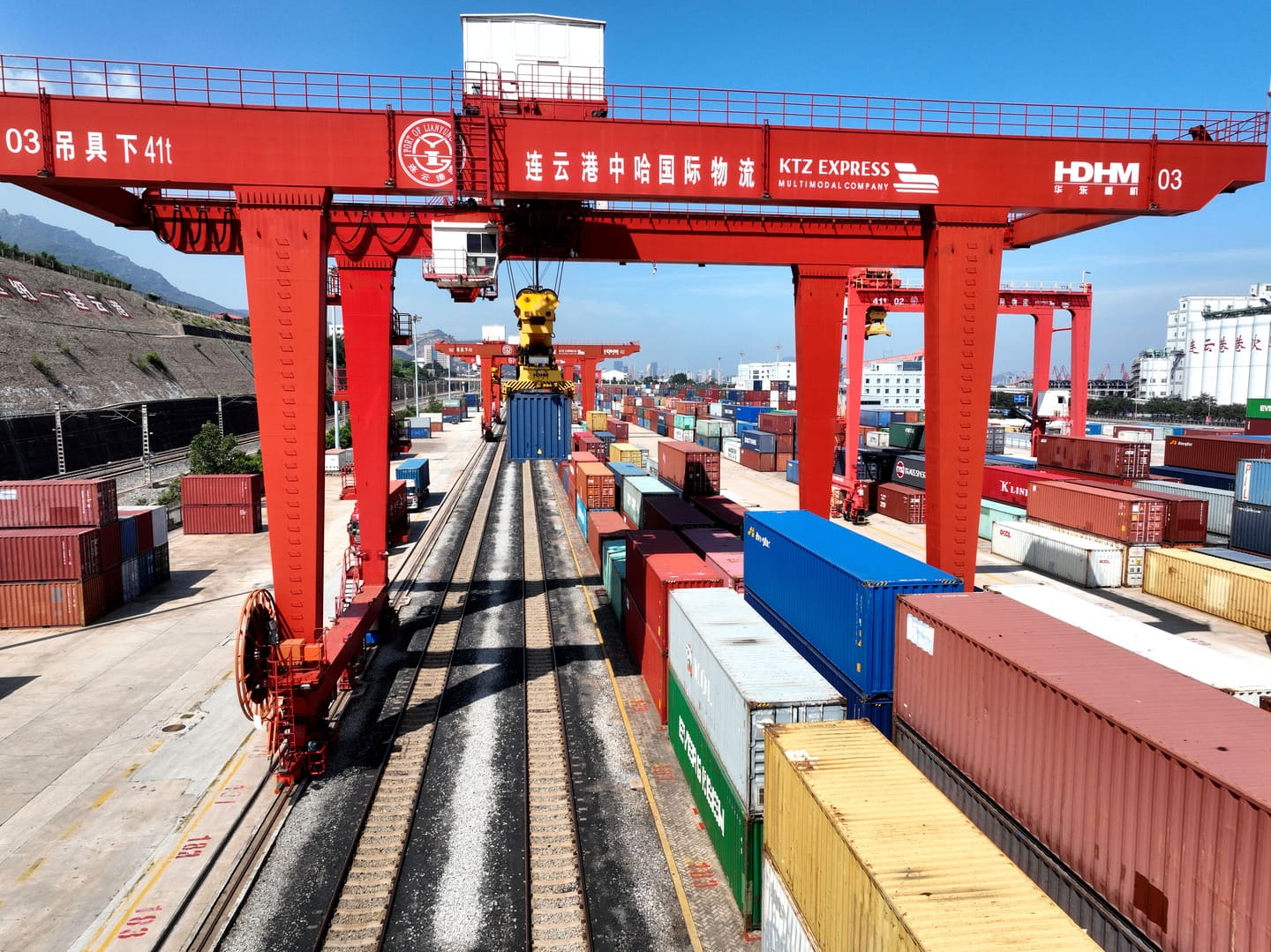
For the Middle Corridor to fulfill its promises, one of these routes must become scalable. At present, neither is.

Friedrich Conradi
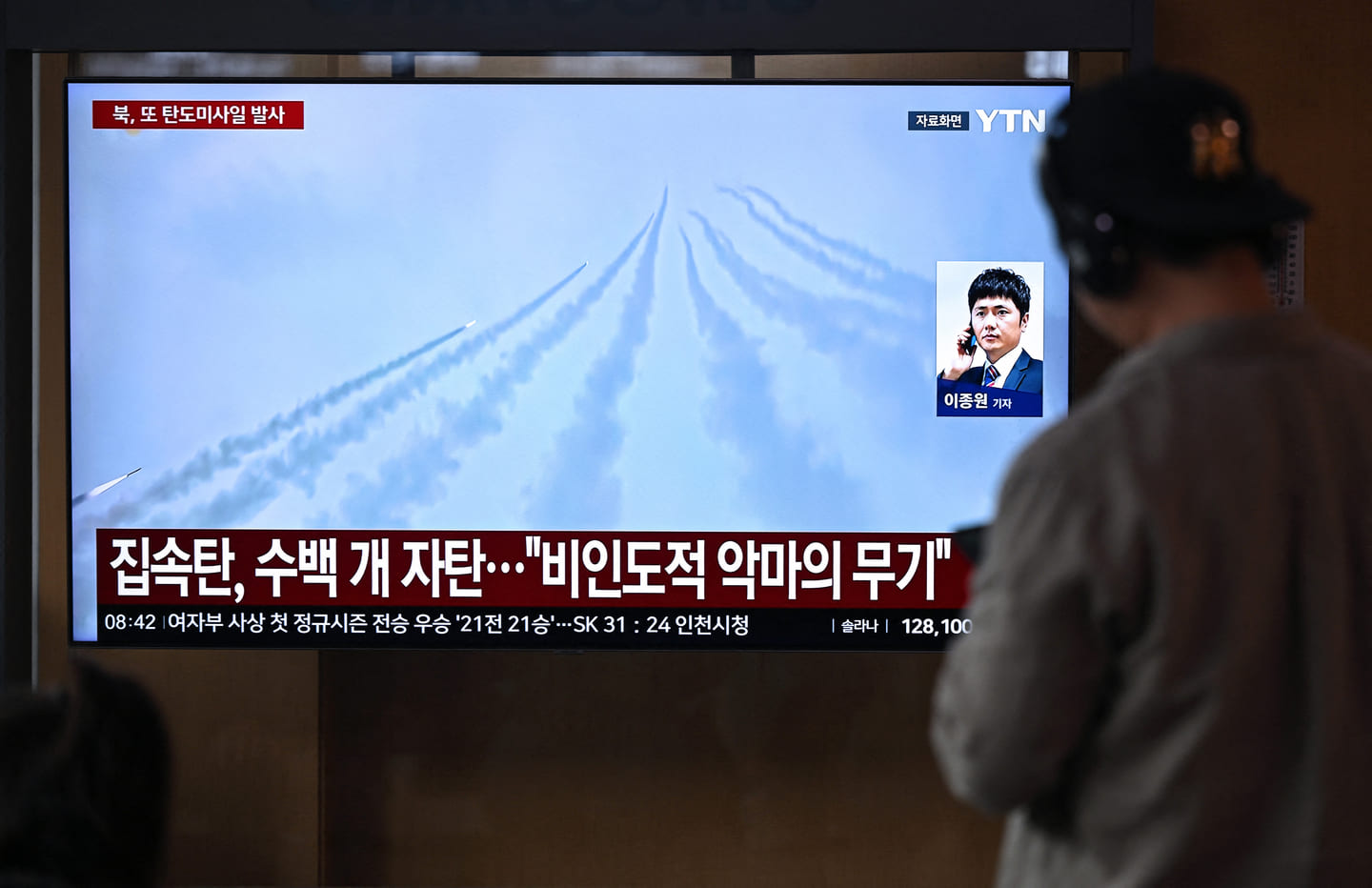
Troubled by the growing salience of nuclear debates in East Asia, Moscow has responded in its usual way: with condemnation and threats. But by exacerbating insecurity, Russia is forcing South Korea and Japan to consider radical security options.

James D.J. Brown
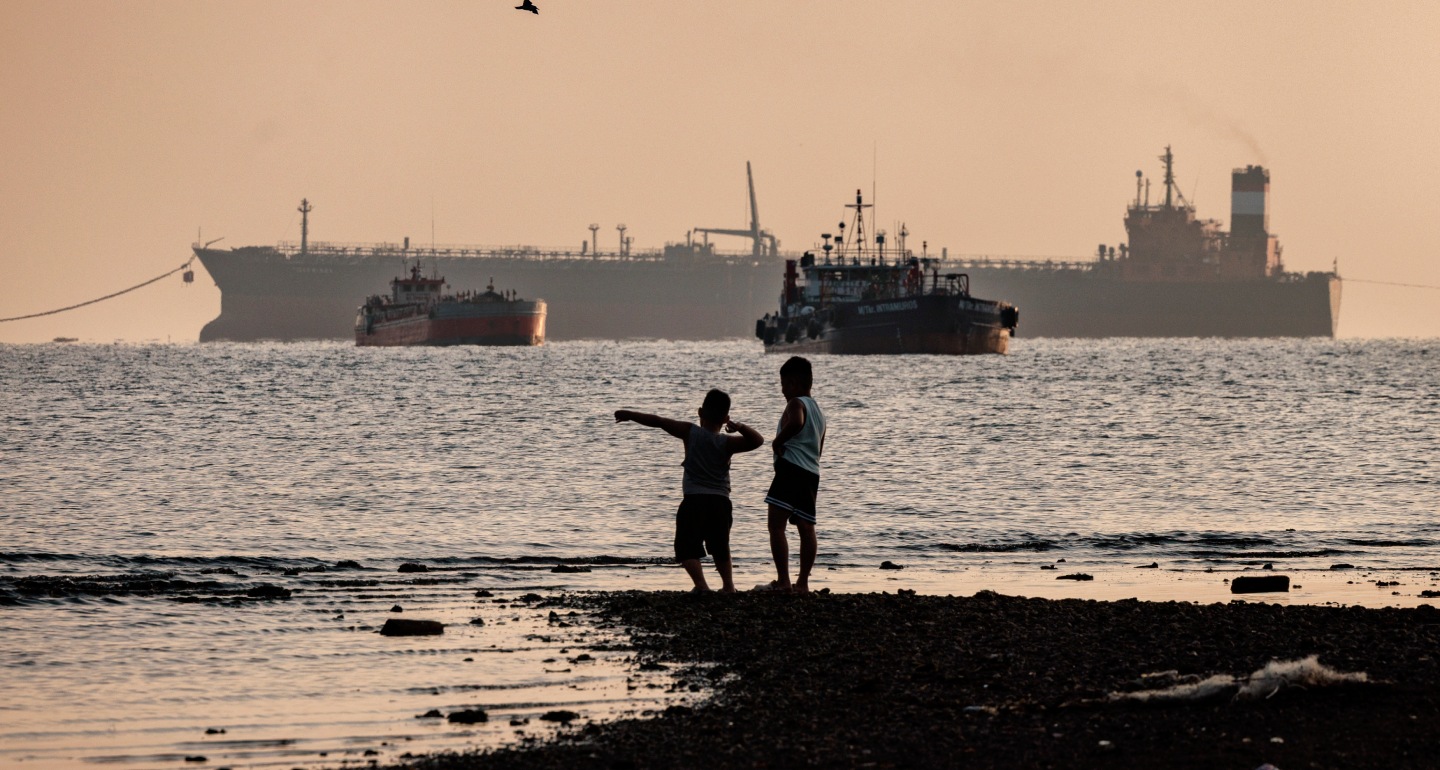
Although Ukrainian strikes have led to a noticeable decline in the physical volume of Russian oil exports, the rise in prices has more than made up for it.

Sergey Vakulenko
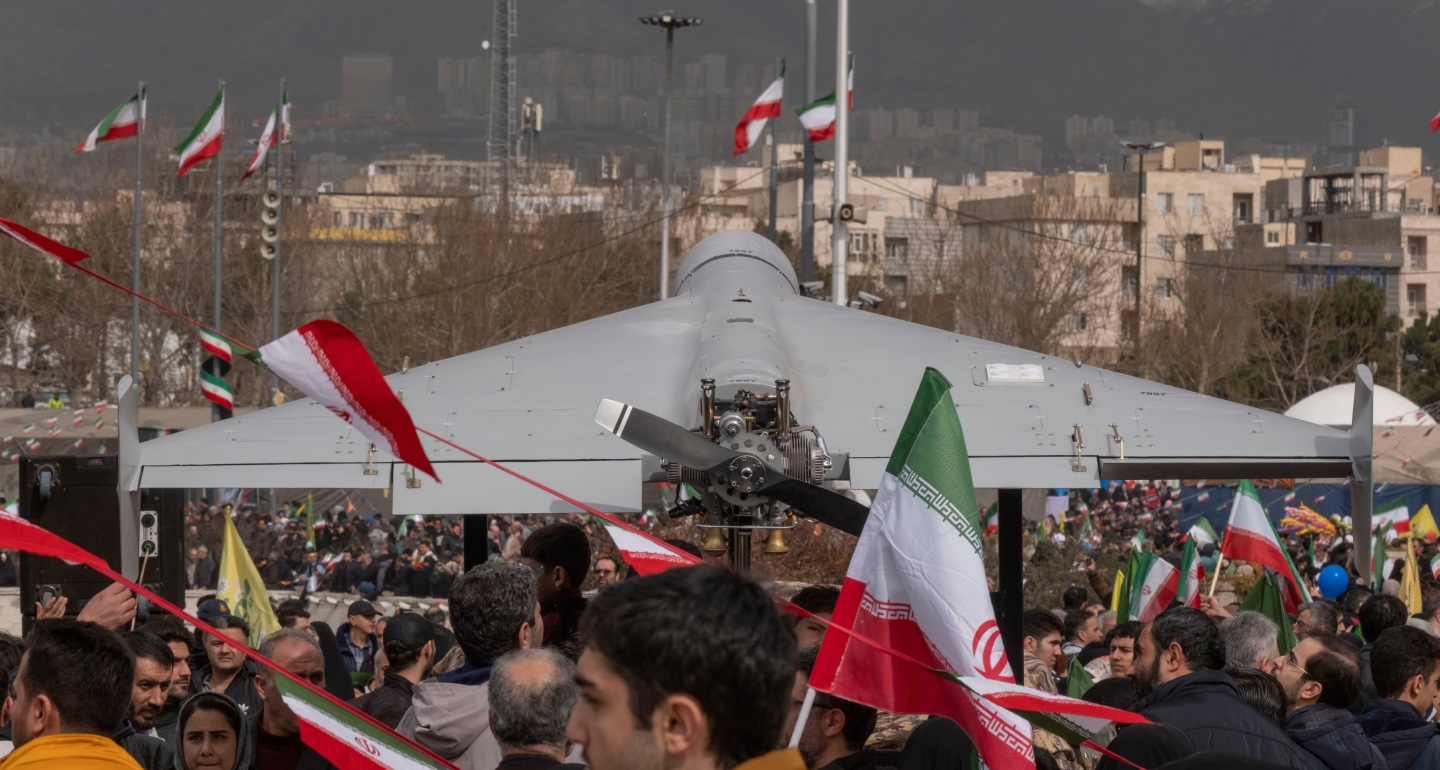
The Russian leadership wants to avoid a dangerous precedent in which it is squeezed out of Iran by the United States and Israel—and left powerless to respond in any meaningful way.

Nikita Smagin

Orbán created an image for himself as virtually the only opponent of aid to Ukraine in the entire EU. But in reality, he was simply willing to use his veto to absorb all the backlash, allowing other opponents to remain in the shadows.

Maksim Samorukov