

Commentary
Ongoing uncertainty in the Middle East allows Moscow to both increase its influence in Tehran and continue to enjoy the financial windfall of higher oil prices.
Nikita Smagin

REQUIRED IMAGE
In the recent Senate hearings for the newly confirmed Secretary of Defense Robert Gates, Senators Robert Byrd (D-WV) and Lindsey Graham (R-SC) questioned Gates on his perspective on the Iran crisis.
In the recent Senate hearings for the newly confirmed Secretary of Defense Robert Gates, Senators Robert Byrd (D-WV) and Lindsey Graham (R-SC) questioned Gates on his perspective of the crisis. The following excerpts from the hearing transcript present his response to his opinion of the Iranian threat and potential responses:
SEN. ROBERT BYRD (D-WV): …Do you support an attack on Iran?
MR. GATES: Senator Byrd, I think that military action against Iran would be an absolute last resort; that any problems that we have with Iran, our first option should be diplomacy and working with our allies to try and deal with the problems that Iran is posing to us. I think that we have seen in Iraq that once war is unleashed, it becomes unpredictable. And I think that the consequences of a conflict – a military conflict with Iran could be quite dramatic. And therefore, I would counsel against military action, except as a last resort and if we felt that our vital interests were threatened.
…
SEN. BYRD: Do you believe the president has the authority, under either the 9/11 war resolution or the Iraq war resolution, to attack Iran or to attack Syria?
MR. GATES: To the best of my knowledge of both of those authorizations, I don't believe so.
SEN. BYRD: Would you briefly describe your view of the likely consequences of a U.S. attack on Iran.
MR. GATES: It's always awkward to talk about hypotheticals in this case. But I think that while Iran cannot attack us directly militarily, I think that their capacity to potentially close off the Persian Gulf to all exports of oil, their potential to unleash a significant wave of terror both in the -- well, in the Middle East and in Europe and even here in this country is very real. They are certainly not being helpful in Iraq and are doing us -- I think doing damage to our interests there, but I think they could do a lot more to hurt our effort in Iraq. I think that they could provide certain kinds of weapons of mass destruction, particularly chemical and biological weapons, to terrorist groups. Their ability to get Hezbollah to further destabilize Lebanon I think is very real. So I think that while their ability to retaliate against us in a conventional military way is quite limited, they have the capacity to do all of the things, and perhaps more, that I just described.
…
SEN. BYRD: Would you say that an attack on either Iran or Syria would worsen the violence in Iraq and lead to greater American casualties?
MR. GATES: Yes, sir, I think that's very likely.
SEN. BYRD: Your answer is yes on both questions.
MR. GATES: Yes, sir. Very likely.
SEN. LINDSEY GRAHAM (R-SC): … Iran. Do you believe the Iranians are trying to acquire nuclear weapons capability?
MR. GATES: Yes, sir, I do.
SEN. GRAHAM: Do you believe the president of Iran is lying when he says he's not?
MR. GATES: Yes, sir.
…
SEN. GRAHAM: The president of Iran has publicly disavowed the existence of the Holocaust, he has publicly stated that he would like to wipe Israel off the map. Do you think he's kidding?
MR. GATES: No, I don't think he's kidding. And -- but I think that there are, in fact, higher powers in Iran than he, than the president. And I think that while they are certainly pressing, in my opinion, for a nuclear capability, I think that they would see it in the first instance as a deterrent. They are surrounded by powers with nuclear weapons -- Pakistan to their east, the Russians to the north, the Israelis to the west, and us in the Persian Gulf --
SEN. GRAHAM: Can you assure the Israelis that they will not attack Israel with a nuclear weapon, if they acquire one?
MR. GATES: No, sir, I don't think that anybody can provide that assurance.
Carnegie does not take institutional positions on public policy issues; the views represented herein are those of the author(s) and do not necessarily reflect the views of Carnegie, its staff, or its trustees.

Ongoing uncertainty in the Middle East allows Moscow to both increase its influence in Tehran and continue to enjoy the financial windfall of higher oil prices.

Nikita Smagin
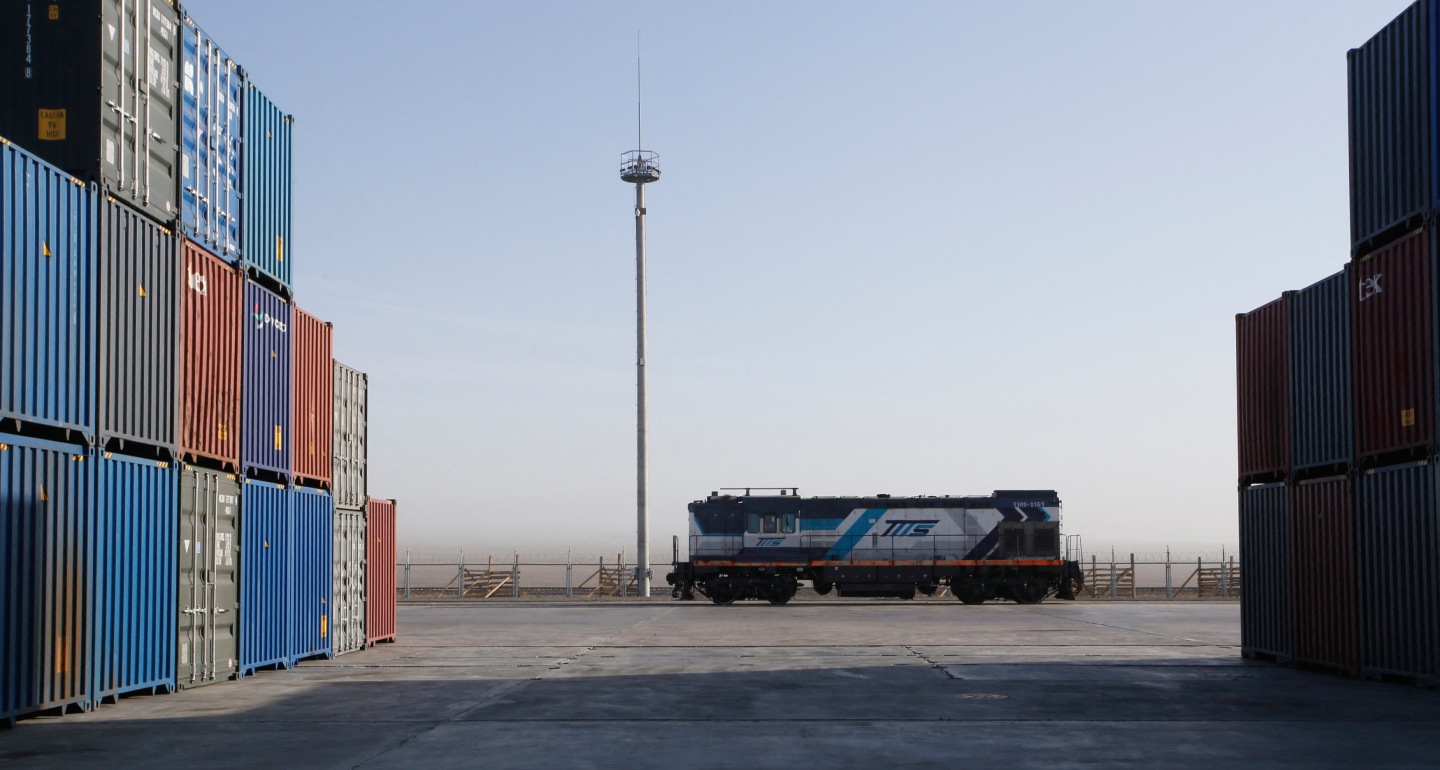
This year’s wars have made alternative routes to transit through Russia no less risky for Central Asian countries.

Galiya Ibragimova
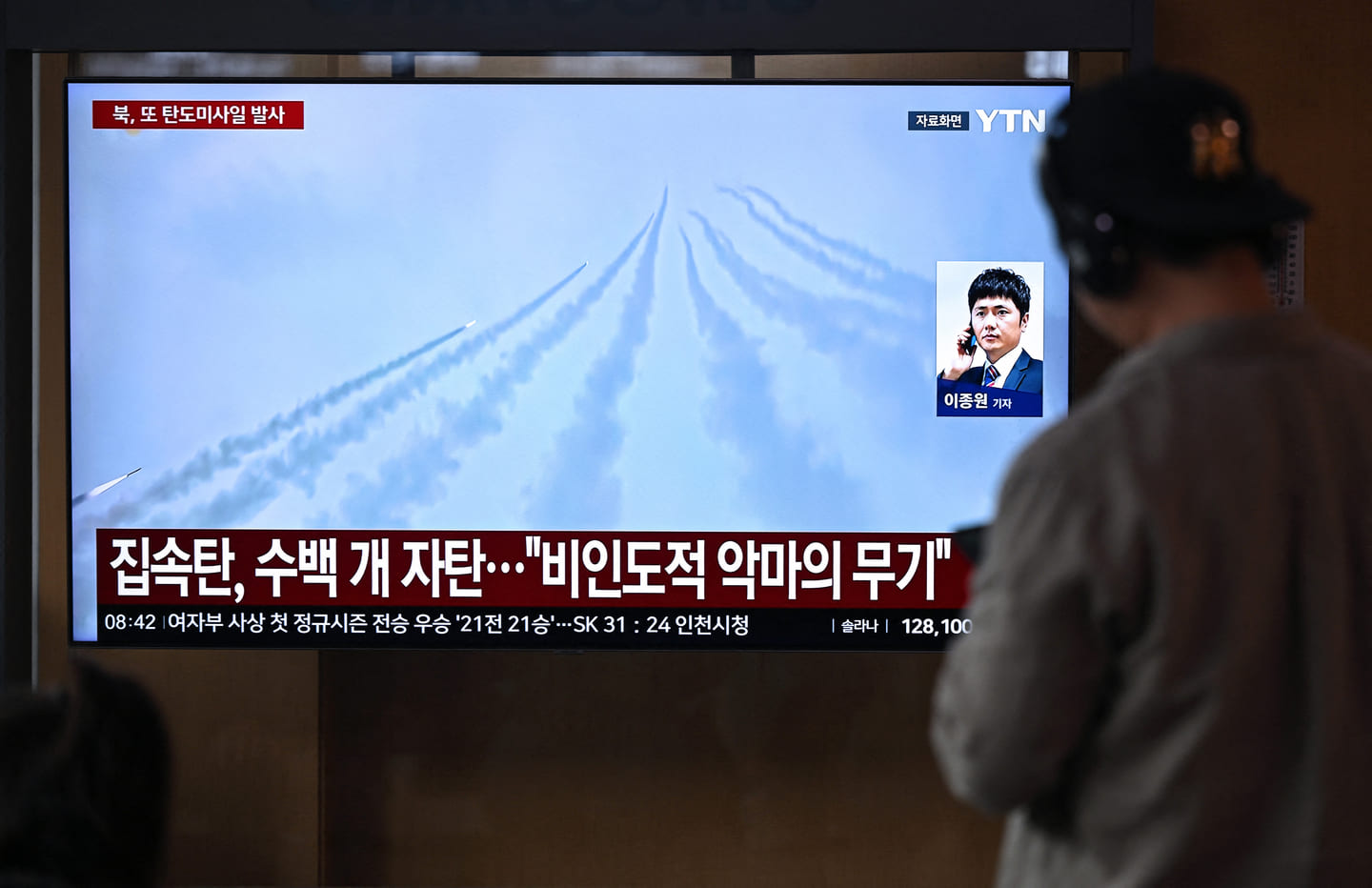
Troubled by the growing salience of nuclear debates in East Asia, Moscow has responded in its usual way: with condemnation and threats. But by exacerbating insecurity, Russia is forcing South Korea and Japan to consider radical security options.

James D.J. Brown
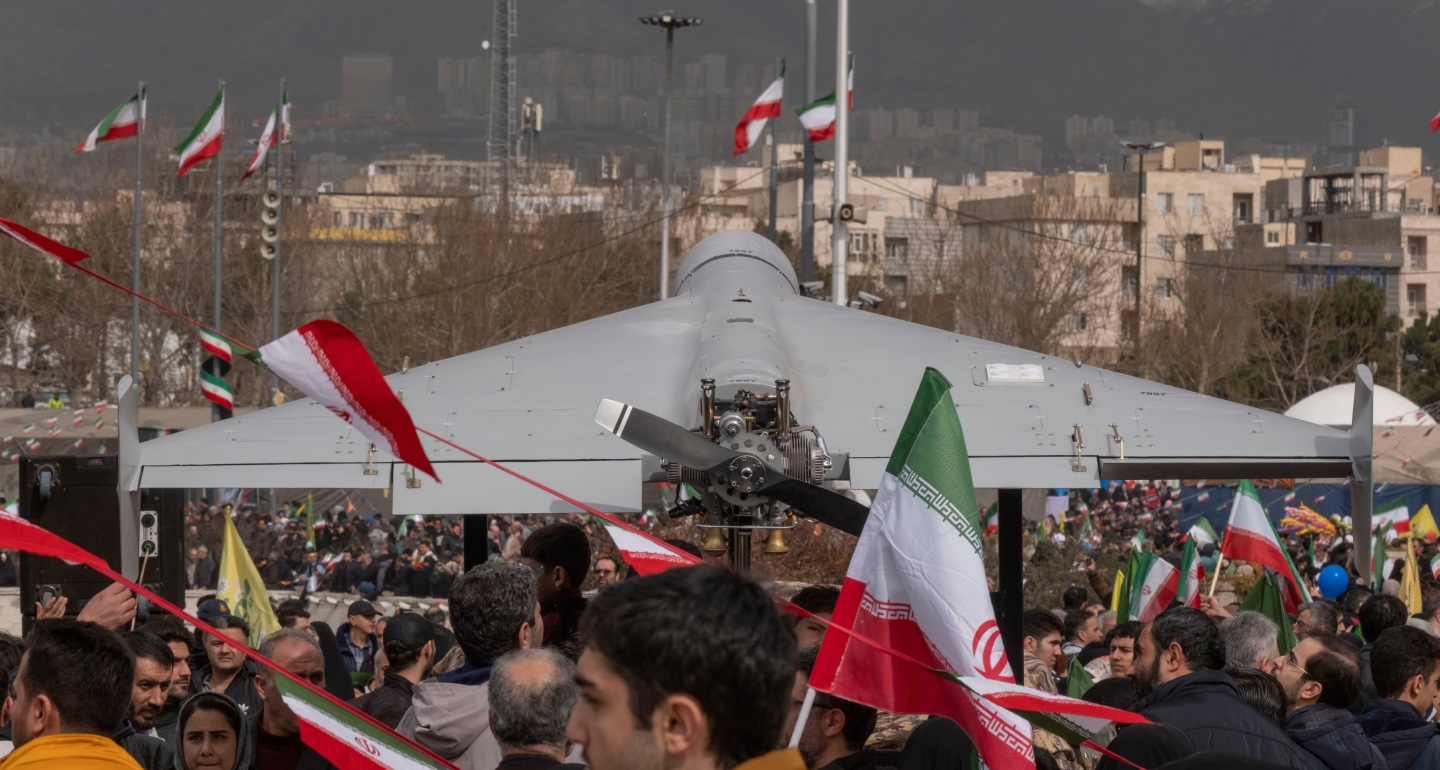
The Russian leadership wants to avoid a dangerous precedent in which it is squeezed out of Iran by the United States and Israel—and left powerless to respond in any meaningful way.
Nikita Smagin
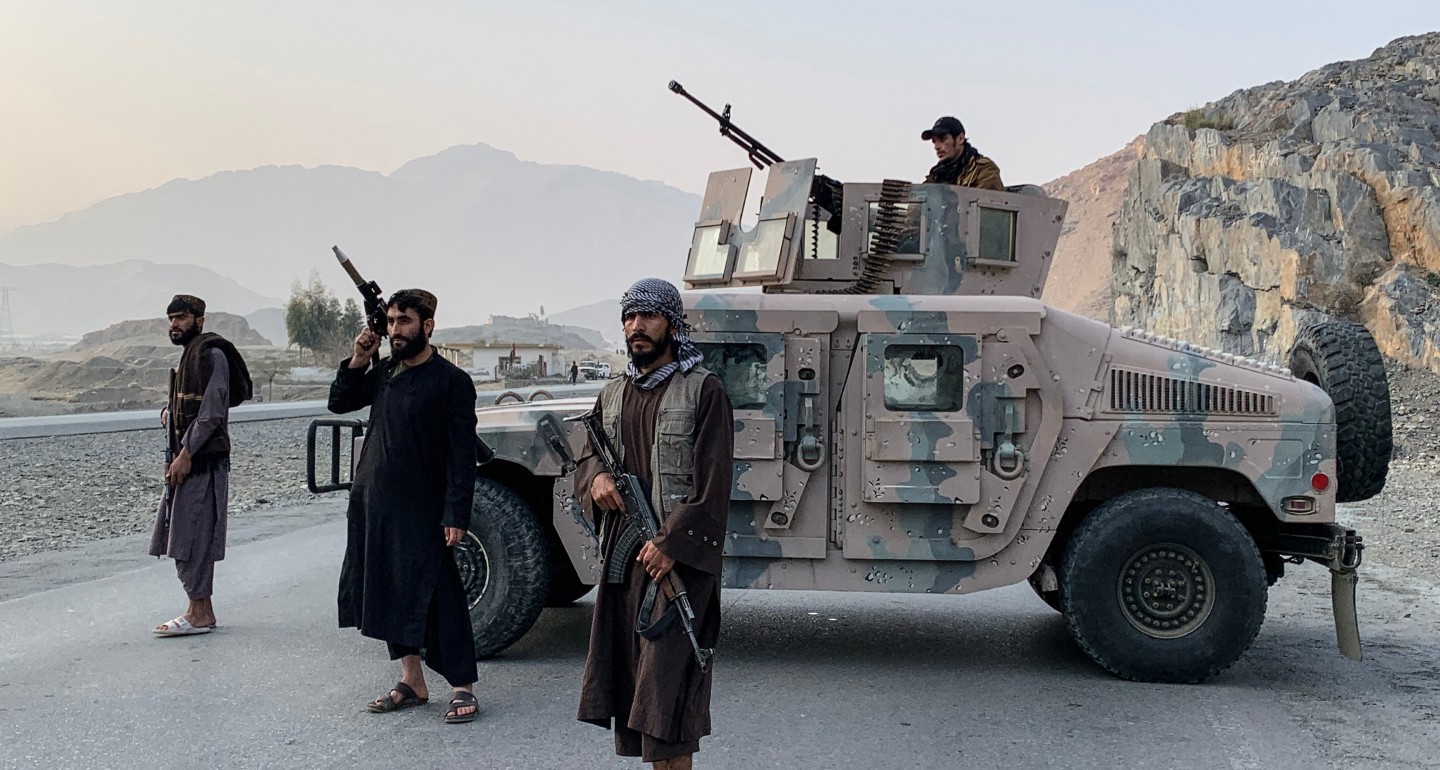
Not only does the fighting jeopardize regional security, it undermines Russian attempts to promote alternatives to the Western-dominated world order.

Ruslan Suleymanov