

In The Media
Martha Brill Olcott

REQUIRED IMAGE
The role of Islam in the formally secular state of Uzbekistan remains a potentially volatile issue. It remains vitally important that both domestic and international actors understand the influence of Islam in Uzbekistan to understand the potential problems facing the nation and the Central Asian region more generally.
Source: Carnegie Endowment
The role of Islam in the formally secular state of Uzbekistan remains a potentially volatile issue. Critics of President Karimov often cite his hard-line stance on radical Islam as a cornerstone of his authoritarian regime. Whether Karimov will again seek to extend his time in office remains uncertain, yet it remains vitally important that both domestic and international actors understand the influence of Islam in Uzbekistan to understand the potential problems facing the nation and the Central Asian region more generally.
In this Carnegie Paper, A Face of Islam: Muhammad-Sodiq Muhammad-Yusuf, Martha Brill Olcott, a senior associate at the Carnegie Endowment, provides an in-depth analysis of Sheikh Muhammad-Sodiq Muhammad-Yusuf—the most prominent theologian and unofficial spiritual leader of Uzbekistan. Olcott gives insight into Muhammad-Sodiq’s life, his spiritual and ideological writings, and ultimately, his political agenda. Given that this Uzbek cleric has a wide following in his country, including within the elite, Olcott’s examination of the life and mind of Muhammad-Sodiq provides a window into his country’s religious life.
Influenced by years spent in seminaries in Libya, as well as frequent travel to leading Arab Islamic centers, Muhammad-Sodiq’s goal is the gradual but full Islamization of Uzbek society. But, he maintains that Uzbekistan is not yet prepared for the immediate transition to an Islamic state. This nuanced position allows him to remain an independent advocate who offers occasional criticism of the government. His outspokenness has boosted Muhammad-Sodiq’s popularity with believers and even theologians who do not agree with his view.
Olcott argues that if the government does not confer with Muhammad-Sodiq, it risks open confrontation with the Islamic leaders within the country and beyond its borders, given the Uzbek cleric’s strong position in the countries of the Organization of the Islamic Conference.
This is the second paper in an ongoing project for a forthcoming book on Islam in Central Asia.
Click on icon above for the full text of this Carnegie Paper.
A limited number of print copies of this Carnegie Paper are available.
Request a copy
About the Author
Martha Brill Olcott is a senior associate in the Russian and Eurasian Program at the Carnegie Endowment, directs the Central Asian Voices website, and co-directs the Carnegie Moscow Center Project on Religion, Society, and Security in the former Soviet Union. She specializes in Central Asia and the Caucasus and is the author of Central Asia’s Second Chance (Carnegie, 2005).
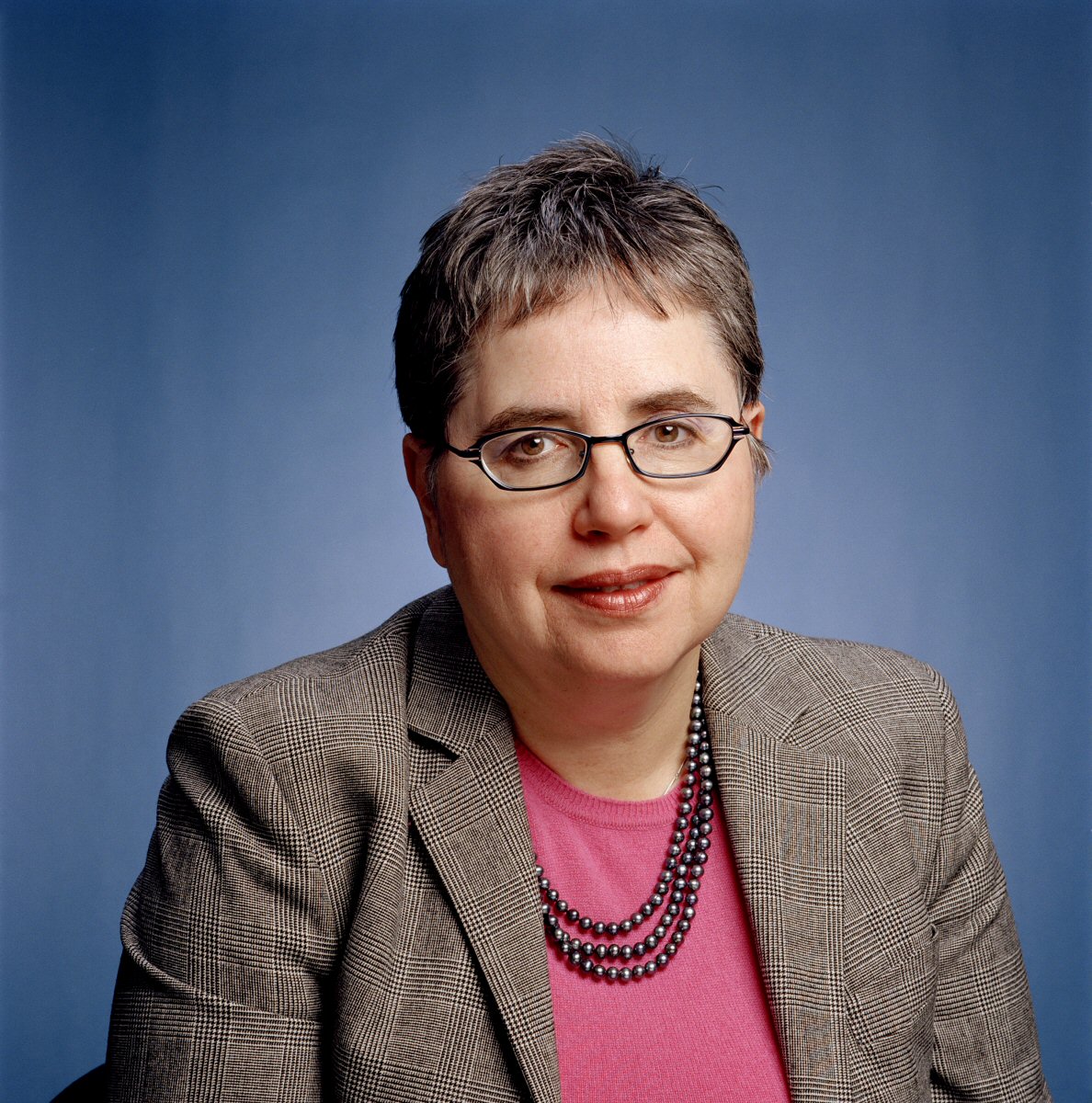
Former Senior Associate, Russia and Eurasia Program and, Co-director, al-Farabi Carnegie Program on Central Asia
Olcott is professor emerita at Colgate University, having taught political science there from 1974 to 2002. Prior to her work at the endowment, Olcott served as a special consultant to former secretary of state Lawrence Eagleburger.
Recent Work
Martha Brill Olcott
Martha Brill Olcott
Carnegie does not take institutional positions on public policy issues; the views represented herein are those of the author(s) and do not necessarily reflect the views of Carnegie, its staff, or its trustees.

In the tenth year of his presidency, President Mirziyoyev’s system is becoming even more personalized than that of his predecessor Karimov.

Galiya Ibragimova

With the growth in points of friction between the great powers, organizations like the SCO will continue to play a role in the strategic adaptation of the smaller powers caught between them.

Temur Umarov

When faced with fuel shortages in the past, Central Asian governments could always count on additional supplies from Moscow. That safety net no longer exists.
Galiya Ibragimova

Two divergent trends—Putin’s hardline vision of how to prosecute the war in Ukraine, and a growing desire for change in Russia—could tear the regime apart.

Tatiana Stanovaya
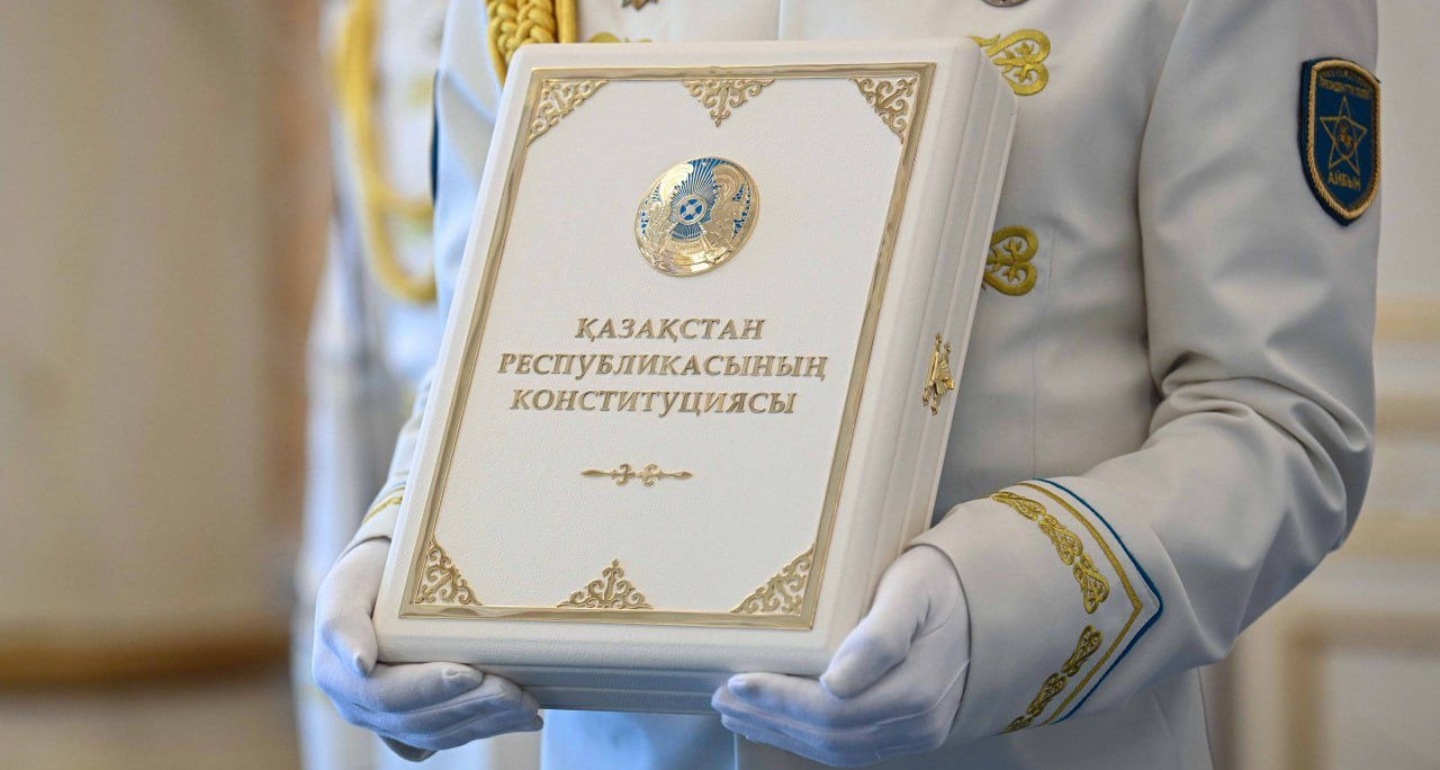
Tokayev’s predecessor, Nursultan Nazarbayev, outlined arrangements for a power transition too soon and in too much detail, ultimately losing control over the process. Tokayev is determined not to meet the same fate.
Temur Umarov