

In The Media
Michele Dunne, Robert Kagan
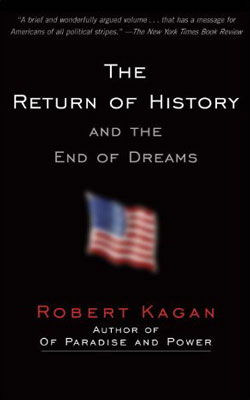
The world remains “unipolar,” but international competition among the United States, Russia, China, Europe, Japan, India, and Iran raise new threats of regional conflict. Communism is dead, but a new contest between western liberalism and the great eastern autocracies of Russia and China has reinjected ideology into geopolitics.
Source: Knopf

—Senator John McCain
“Provocative, thoughtful, and vitally important ... a must-read for anyone interested in the future of American foreign policy–and a reminder of why Robert Kagan is one of our nation’s most indispensable strategists.”
—Senator Joseph Lieberman
“An eloquent, powerful, disturbing, but ultimately hopeful view of the emerging balance of power in the world–and America’s proper role in it. Kagan’s views will be an essential part of the debate that will shape our next president’s foreign policy.”
—Richard Holbrooke, former U.S. ambassador to the United Nations
Hopes for a new peaceful international order after the end of the Cold War have been dashed by sobering realities: Great powers are once again competing for honor and influence. Nation-states remain as strong as ever, as do the old, explosive forces of ambitious nationalism. The world remains “unipolar,” but international competition among the United States, Russia, China, Europe, Japan, India, and Iran raise new threats of regional conflict. Communism is dead, but a new contest between western liberalism and the great eastern autocracies of Russia and China has reinjected ideology into geopolitics. Finally, radical Islamists are waging a violent struggle against the modern secular cultures and powers that, in their view, have dominated, penetrated, and polluted their Islamic world. The grand expectation that after the Cold War the world would enter an era of international geopolitical convergence has proven wrong.
For the past few years, the liberal world has been internally divided and distracted by issues both profound and petty. Now, in The Return of History and the End of Dreams, Robert Kagan masterfully poses the most important questions facing the liberal democratic countries, challenging them to choose whether they want to shape history or let others shape it for them.
About the Author
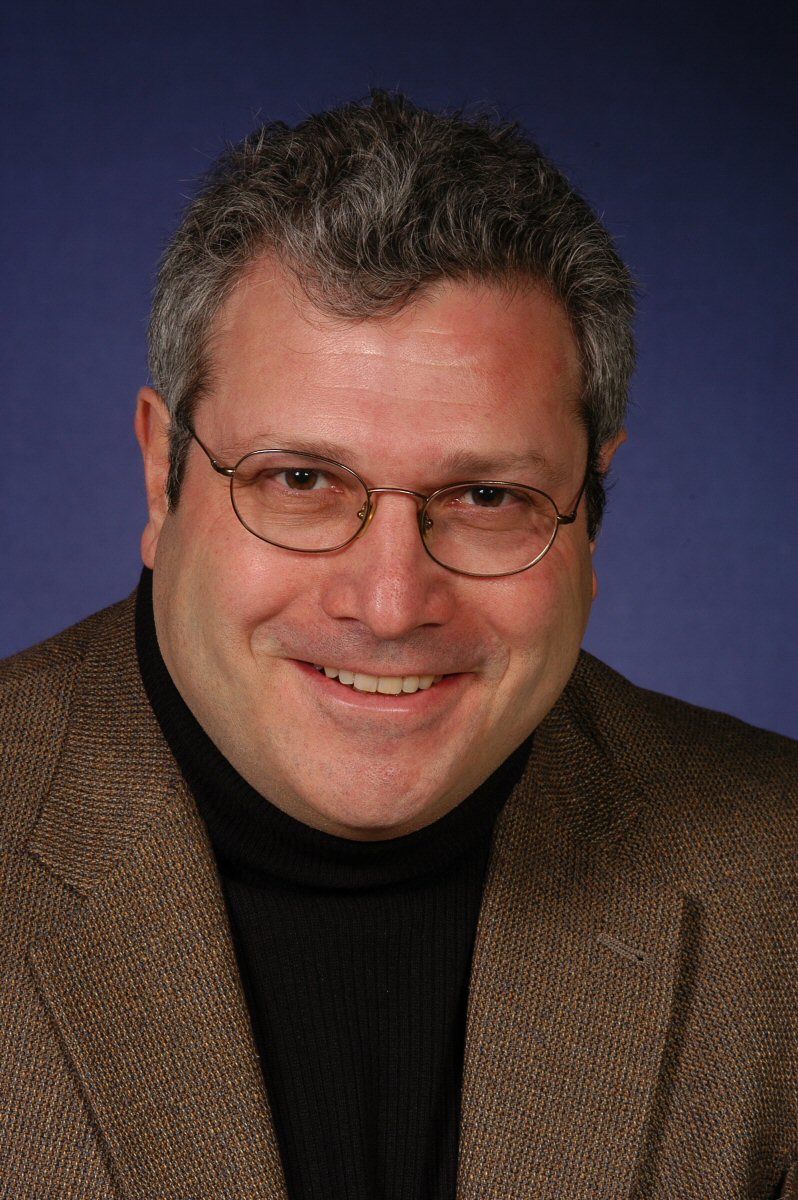
Robert Kagan is senior associate at the Carnegie Endowment for International Peace, Transatlantic Fellow at the German Marshall Fund, and a columnist for the Washington Post. He is also the author of A Twilight Struggle: American Power and Nicaragua, 1977–1990, and editor, with William Kristol, of Present Dangers: Crisis and Opportunity in American Foreign and Defense Policy. Kagan served in the State Department from 1984 to 1988. He lives in Brussels with his family.
“In this important, timely, and superbly-written book, Robert Kagan shows that the ‘end of history’ was an illusion. Today’s global challenges pose a stern test for the world’s democracies. This book is a wake-up call and should be read by policymakers, politicians, pundits and all who want a guide to the dangerous waters of 21st century geopolitics.”
—Senator John McCain
“Robert Kagan has once again written a provocative, thoughtful, and vitally important book that will reshape the way we think about the world, the special purpose that America must play in it, and the principles that must guide us. The Return of History and the End of Dreams is a must-read for anyone interested in the future of American foreign policy–and a reminder of why Robert Kagan is one of our nation’s most indispensable strategists.”
—Senator Joseph Lieberman
“An eloquent, powerful, disturbing, but ultimately hopeful view of the emerging balance of power in the world–and America’s proper role in it. Kagan’s views will be an essential part of the debate that will shape our next president’s foreign policy.”
—Richard Holbrooke, former U.S. ambassador to the United Nations
“Robert Kagan gives us a picture of the world today in all its complexity and its simplicity. This is a world where America is dominant but cannot dominate, where the struggle for power and prestige goes on as it always has. Power is at the service of ideas, but the key ideas are also ideas about power: democracy and autocracy. All this in a hundred pages, with style, energy and panache.”
—Robert Cooper, Director-General for External and Politico-Military Affairs at the General Secretariat of the Council of the European Union
Former Senior Associate
Kagan, author of the recent book, The Return of History and the End of Dreams (Knopf 2008), writes a monthly column on world affairs for the Washington Post and is a contributing editor at both the Weekly Standard and the New Republic.
Recent Work

Michele Dunne, Robert Kagan
Robert Kagan, Michele Dunne
Carnegie does not take institutional positions on public policy issues; the views represented herein are those of the author(s) and do not necessarily reflect the views of Carnegie, its staff, or its trustees.

The truth of the strategic situation is that Europe and Russia are extremely unlikely to be able to “turn the page” on their confrontation within the next two decades.

Arkady Moshes

Putin’s conservative staffing policies and search for ever greater control have cemented parliament’s transformation into a bureaucratic appendage of the executive branch.

Andrey Pertsev

Russia’s AI-driven propaganda campaigns operate in a fragmented, chaotic, and often illogical manner. That’s not necessarily a problem for the Kremlin, though: It’s much easier to mimic genuine public debate that way.

Ilya Klishin

Without a ceasefire with Ukraine on attacking each other’s energy infrastructure—to which the Kremlin is unlikely to agree—the diesel agreement between Putin and Trump is largely for show, rather than representing a genuine increase in the volumes of Russian diesel on the global market.

Sergey Vakulenko

Russian strikes are weakening the economy sustaining Ukraine’s war effort. Closing the growing funding gap will require more European support and politically contentious reforms in Kyiv.

Balázs Jarábik