

Commentary
Ongoing uncertainty in the Middle East allows Moscow to both increase its influence in Tehran and continue to enjoy the financial windfall of higher oil prices.
Nikita Smagin

REQUIRED IMAGE
This paper provides a historical overview of religious education in Central Asia, and assesses the efforts of the Uzbek government to define the content of Islam that has been presented in public life since independence was obtained in 1991.
Source: Carnegie Endowment
Islam in Uzbekistan: Religious Education and State Ideology is the fourth paper of the ongoing series on Islam in Central Asia. It provides a historical overview of religious education in Central Asia, focusing on the hujra system and its founders, and assesses the efforts of the Uzbek government to define the content of Islam that has been presented in public life since independence was obtained in 1991. It examines the presentation of Islam in the schools—especially in Tashkent Islamic University, seen as the premier training institution for secular teachers of Islam—and the presentation of Islam in the mass media.
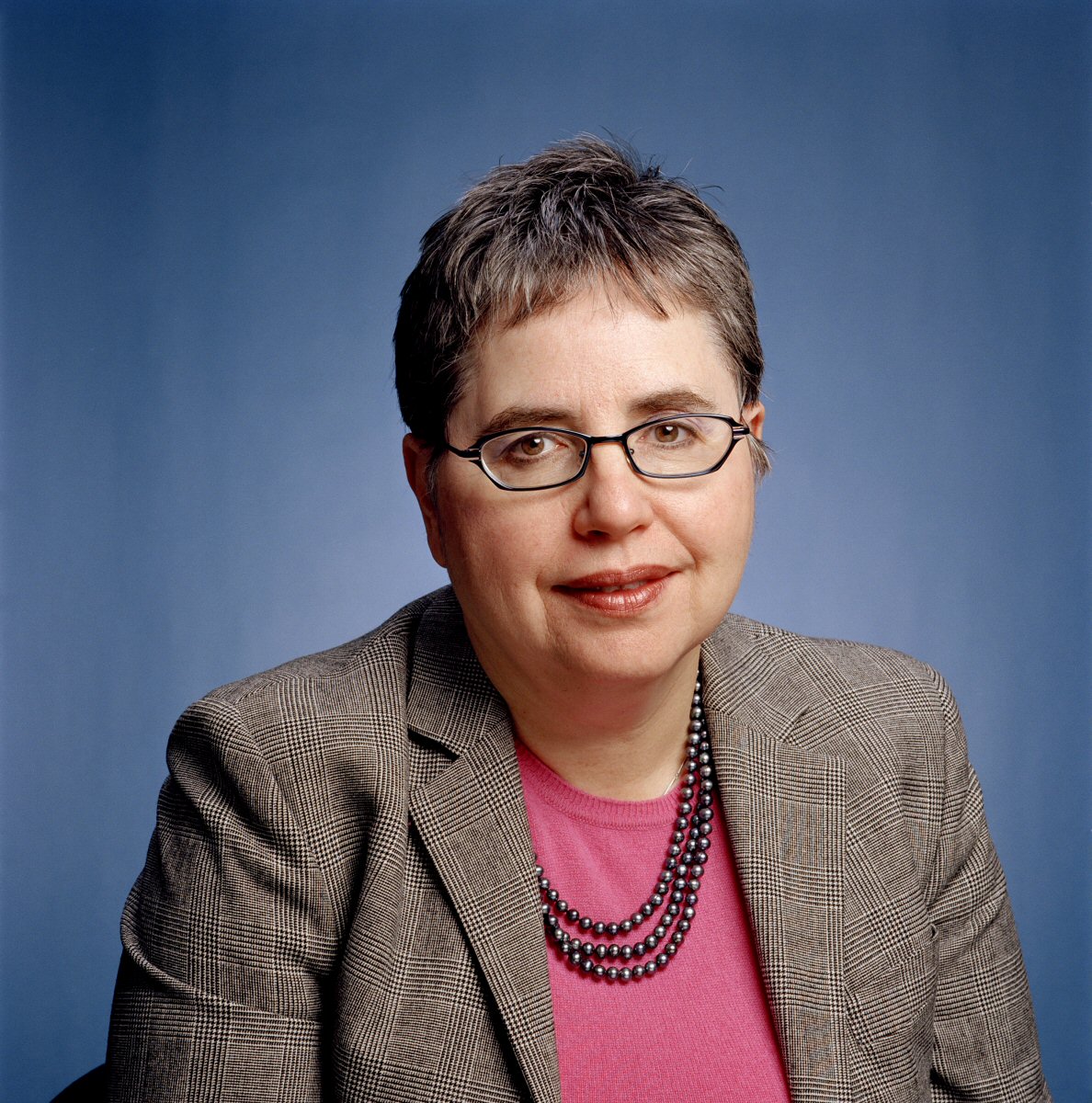
Former Senior Associate, Russia and Eurasia Program and, Co-director, al-Farabi Carnegie Program on Central Asia
Olcott is professor emerita at Colgate University, having taught political science there from 1974 to 2002. Prior to her work at the endowment, Olcott served as a special consultant to former secretary of state Lawrence Eagleburger.
Diora Ziyaeva
Carnegie does not take institutional positions on public policy issues; the views represented herein are those of the author(s) and do not necessarily reflect the views of Carnegie, its staff, or its trustees.
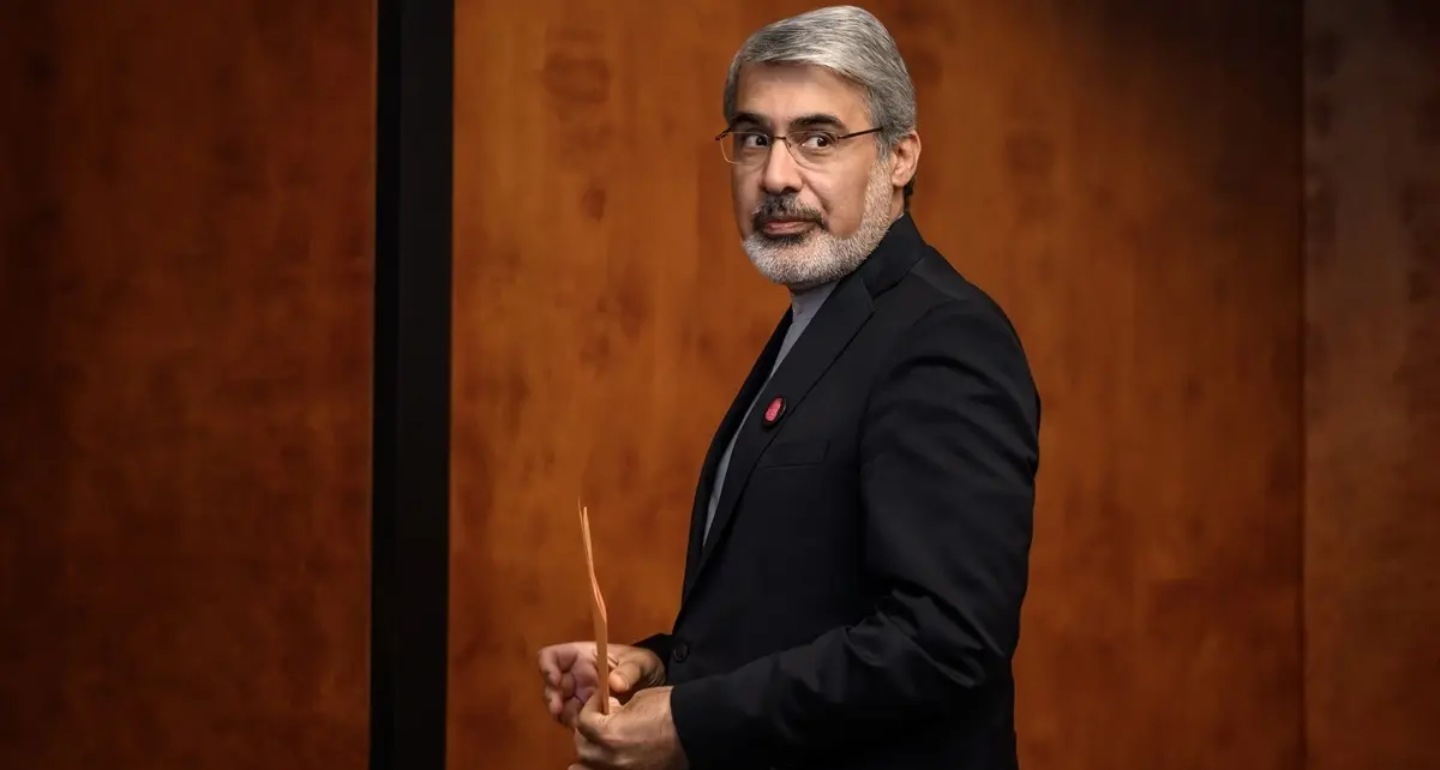
Ongoing uncertainty in the Middle East allows Moscow to both increase its influence in Tehran and continue to enjoy the financial windfall of higher oil prices.

Nikita Smagin
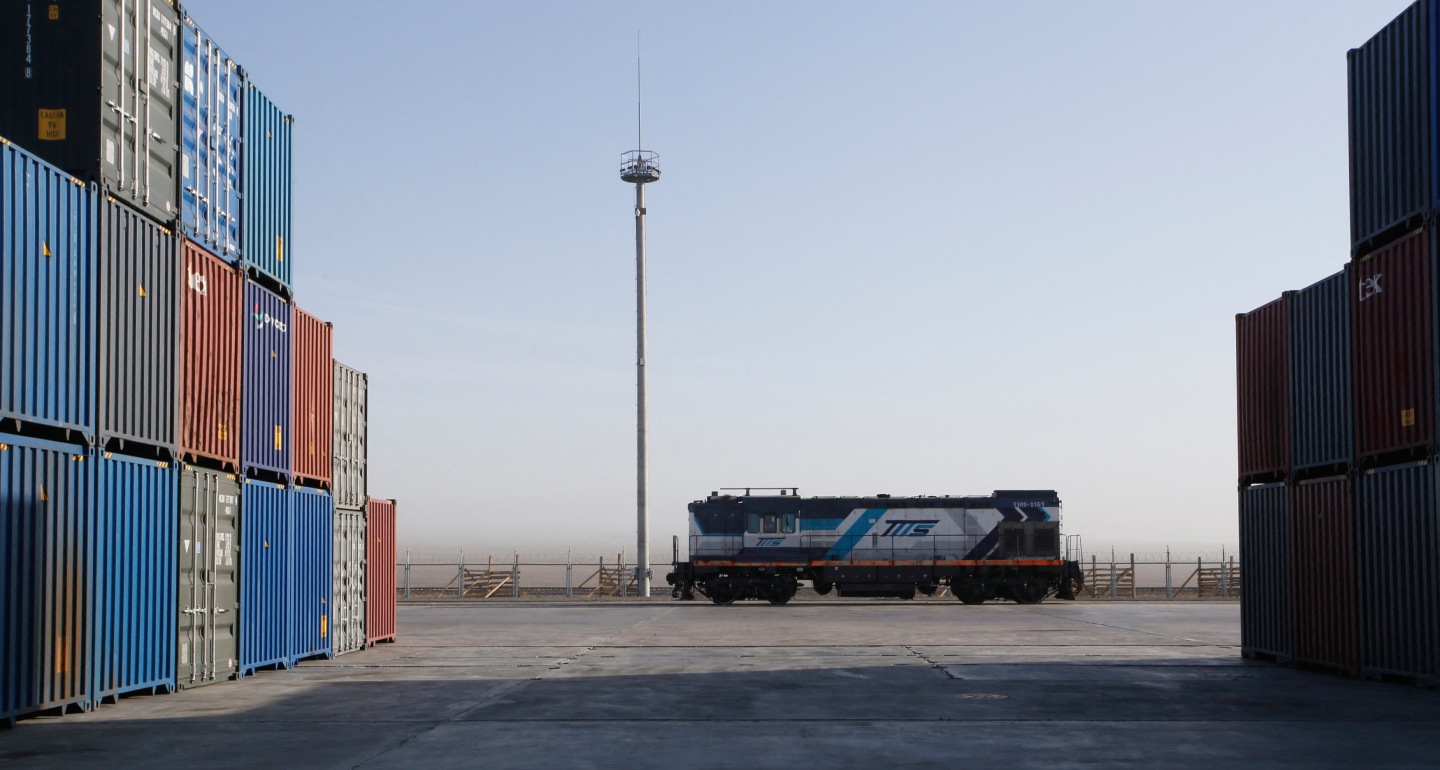
This year’s wars have made alternative routes to transit through Russia no less risky for Central Asian countries.

Galiya Ibragimova
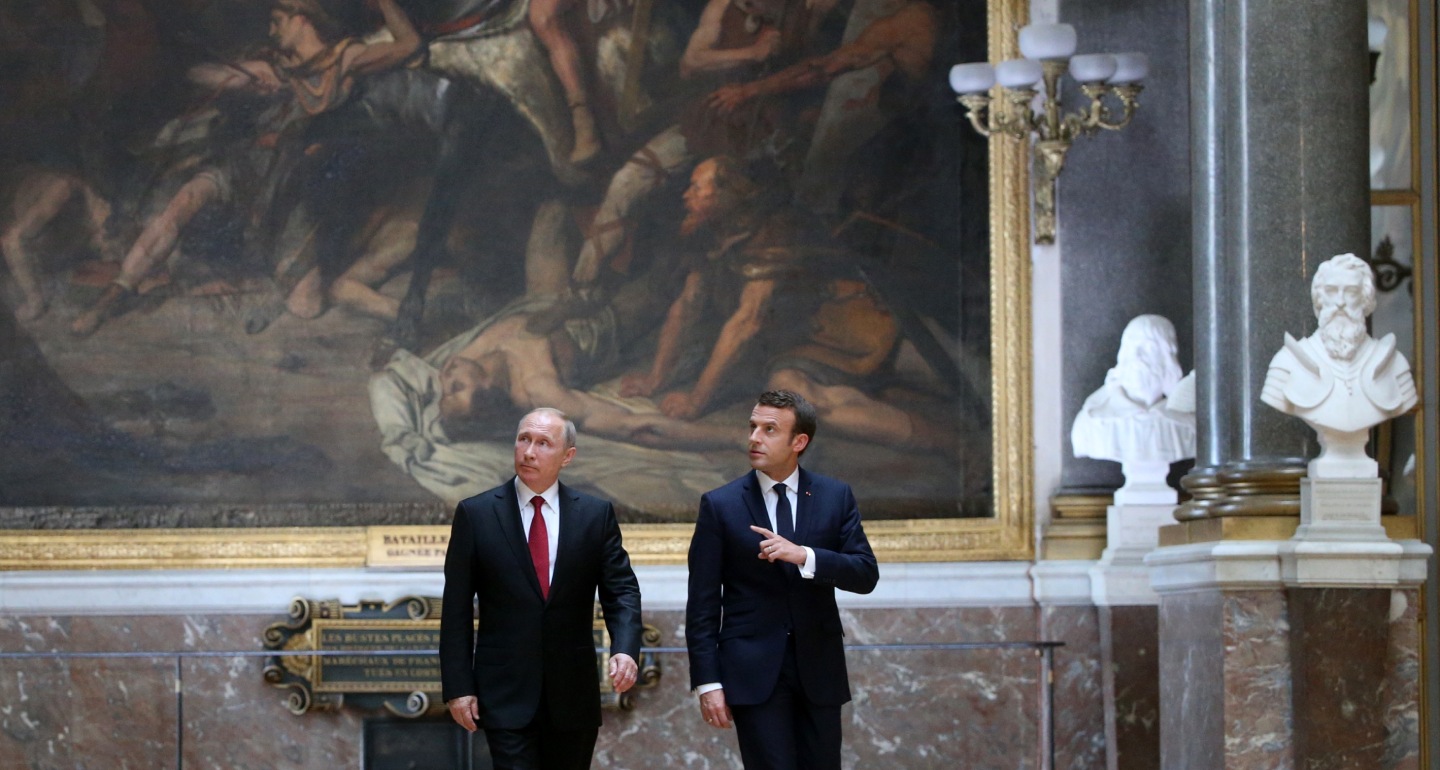
Reestablishing a dialogue with Moscow is not a goal in its own right. The goal is to guarantee the independence of Ukraine and the peace and security of Europe.
Arkady Moshes
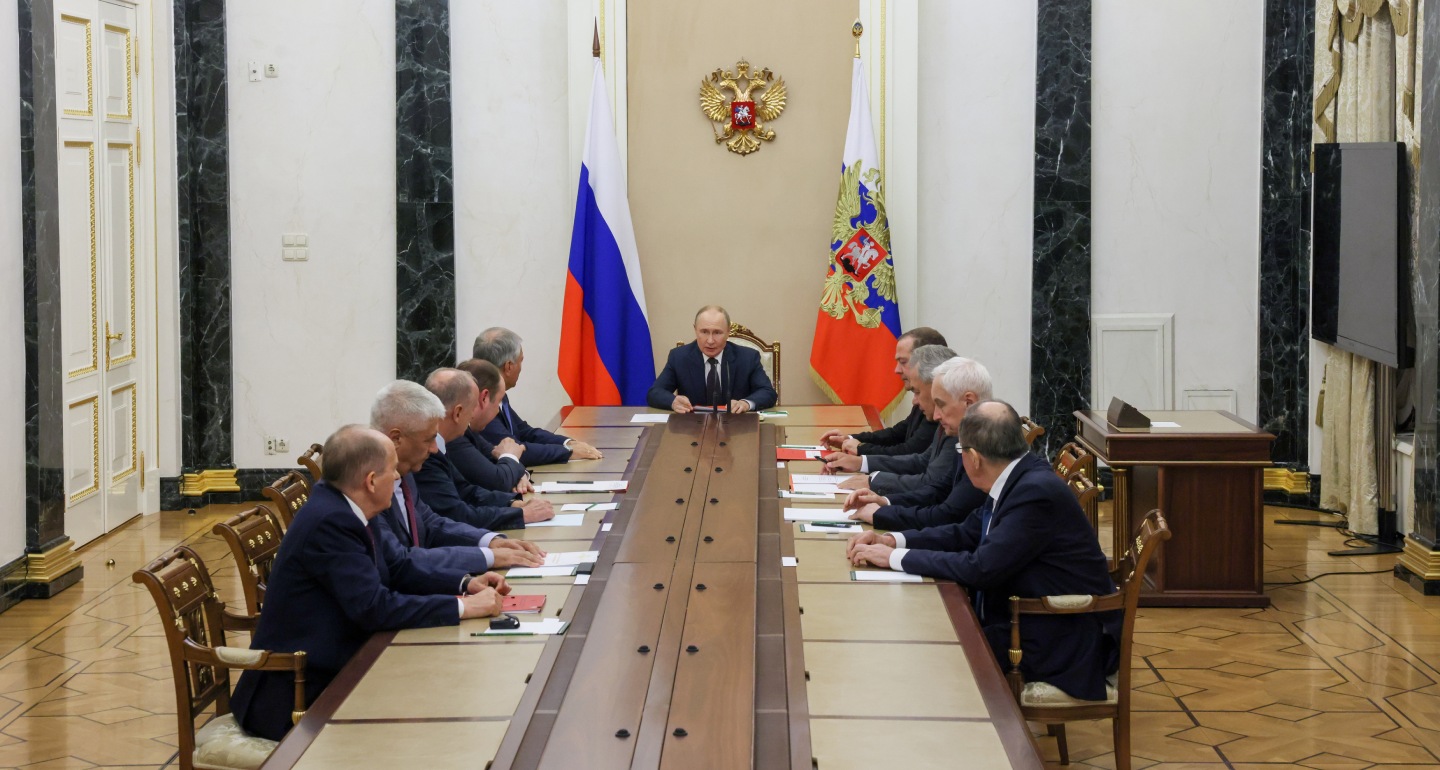
The ruling elites in contemporary Russia are not a political class, but a community of managers who are not subject to competition or public accountability. The state is becoming an operating apparatus without any internal autonomy.

Alexandra Prokopenko

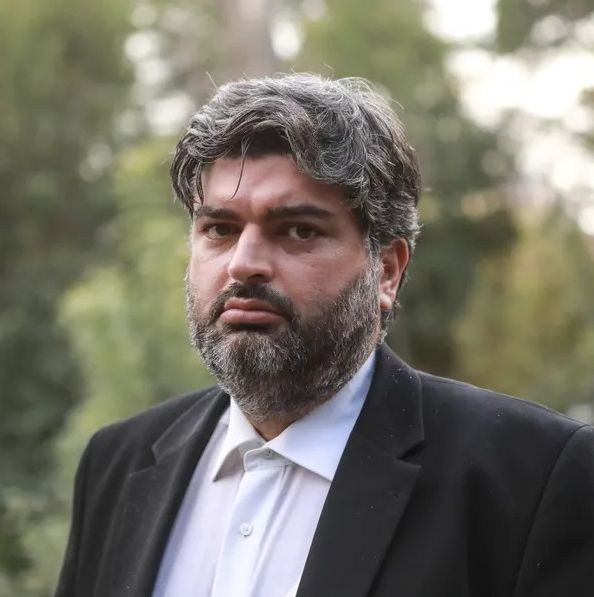
Pashinyan’s pro-European party has been re-elected with a decisive victory. But the pro-Russian opposition could still slow Armenia’s progress toward peace with Azerbaijan and rapprochement with Europe.
Mikayel Zolyan