• Research
  • Politika
  • About
Carnegie Russia Eurasia center logoCarnegie lettermark logo
  • Donate
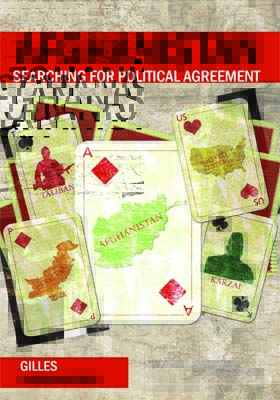
Afghanistan: Searching for Political Agreement
Report

Afghanistan: Searching for Political Agreement

A less costly and more effective way for the international coalition to overcome the impasse in Afghanistan is a negotiated agreement with the Taliban, which could pave the way for a unity government.

Link Copied
By Gilles Dorronsoro
Published on Apr 13, 2010

Additional Links

Full Text

Coalition strategy in Afghanistan has reached an impasse: tactical successes will not defeat the Taliban while Pakistan offers sanctuary, nor can security be “Afghanized” by a government that lacks legitimacy and is irreparably unpopular. A less costly—both in lives and money—and more effective option would be a negotiated agreement with the Taliban that paves the way for a unity government. 

Challenging the coalition’s strategy:

  • Small military setbacks will not deal a significant blow to the Taliban as they have more than 30,000 insurgents and a steady pool of potential recruits. Co-opting local figures is unlikely—this failed in 2002 when the Taliban were at their weakest.
     
  • The coalition’s “go local” strategy of supporting unchecked local militias is polarizing the Afghan public and further weakening Afghan institutions.
     
  • The idea that 80 percent of insurgents can be enticed to lay down their arms for jobs has no empirical basis. The Taliban remain a cohesive, nationally organized movement. 
     
  • Parliamentary elections slated for September will only further undermine the legitimacy of the Afghan government—fraud is inevitable.


To begin negotiating with the Taliban, the coalition should:

  • Involve Pakistan: Pakistan must be included—as the intermediary to the Taliban—even at the expense of India’s involvement. Pakistan is the only country in the region that is a potential spoiler in the process.
     
  • Establish a cease-fire: A cease-fire during the negotiation process would demobilize the Taliban and distance them from radical groups like al-Qaeda and the Pakistani Taliban.
     
  • Work around Karzai: The coalition should negotiate directly with the Taliban. The president is too weak and cannot make a commitment on key points, including the withdrawal of Western troops and security guarantees relating to al-Qaeda.
     
  • Mobilize NGOs: A new constitution will need to be written to create a unity government and it will inevitably be more conservative than it is today. To prevent backsliding on human rights, particularly for women, the coalition must encourage NGO involvement in the process.


“Nothing guarantees that negotiations—if agreed to by the Taliban—will succeed. Furthermore, the regime that will be established will be unstable for months, perhaps even years,” writes Dorronsoro.

“But if the negotiations succeed, they will enable the formation of a national unity government in Kabul, a new constitution negotiated during a Loya Jirga, and internal and international guarantees to prevent the return of al-Qaeda. Given the current impasse in which the coalition finds itself, such a result is the best that one can hope for.”
About the Author

Gilles Dorronsoro

Former Nonresident Scholar, South Asia Program

Dorronsoro’s research focuses on security and political development in Afghanistan. He was a professor of political science at the Sorbonne in Paris and the Institute of Political Studies of Rennes.

    Recent Work

  • Paper
    Waiting for the Taliban in Afghanistan

      Gilles Dorronsoro

  • Paper
    Afghanistan: The Impossible Transition

      Gilles Dorronsoro

Gilles Dorronsoro
Former Nonresident Scholar, South Asia Program
Gilles Dorronsoro
North AmericaUnited StatesSouth AsiaAfghanistanAsiaPolitical ReformSecurityForeign Policy

Carnegie does not take institutional positions on public policy issues; the views represented herein are those of the author(s) and do not necessarily reflect the views of Carnegie, its staff, or its trustees.

More Work from Carnegie Russia Eurasia Center

  • Commentary
    Carnegie Politika
    Power, Pathways, and Policy: Grounding Central Asia’s Digital Ambitions

    Central Asia’s digital ambitions are achievable, but only if policy is aligned with the region’s physical constraints.

      Aruzhan Meirkhanova
  • Commentary
    Carnegie Politika
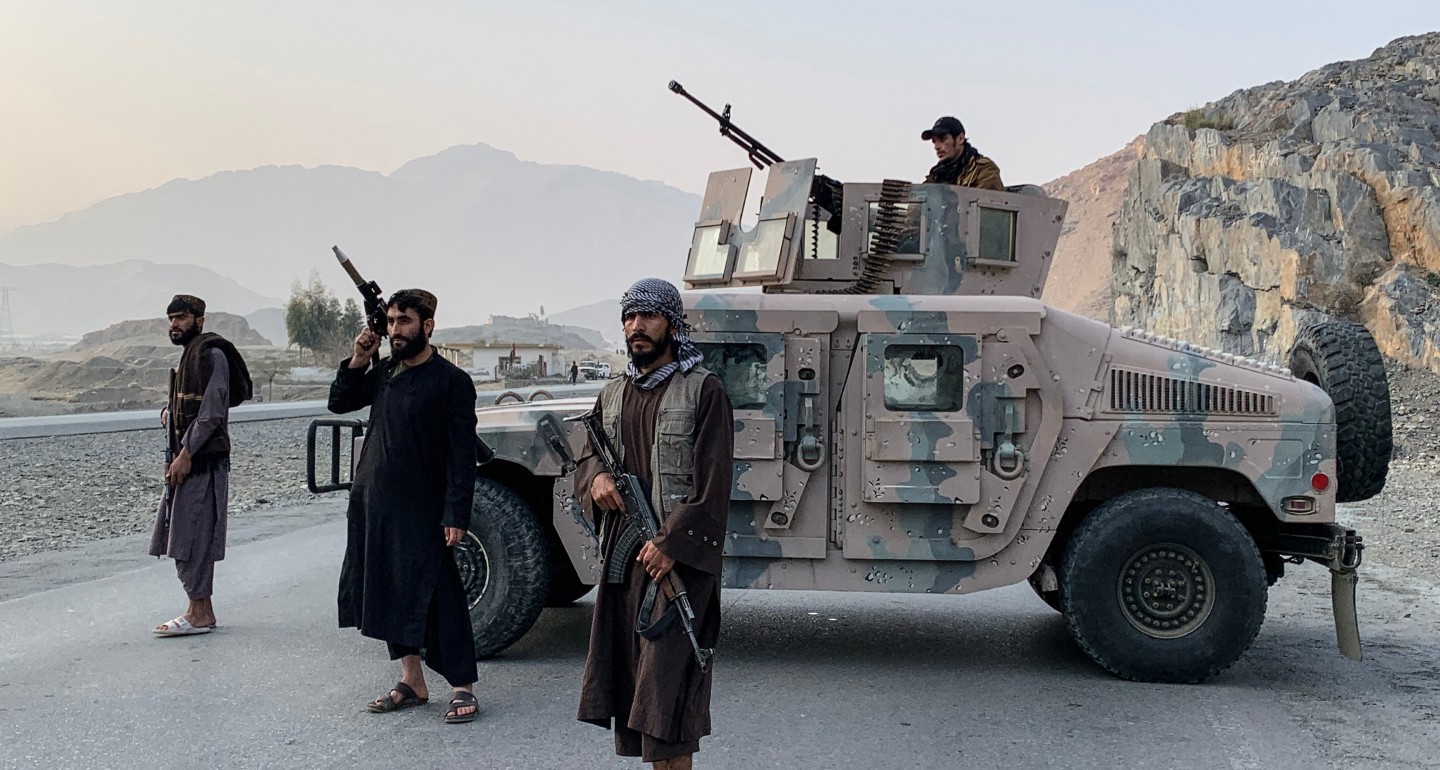
    The Afghanistan–Pakistan War Poses Awkward Questions for Russia

    Not only does the fighting jeopardize regional security, it undermines Russian attempts to promote alternatives to the Western-dominated world order.
      Ruslan Suleymanov
  • Commentary
    Carnegie Politika
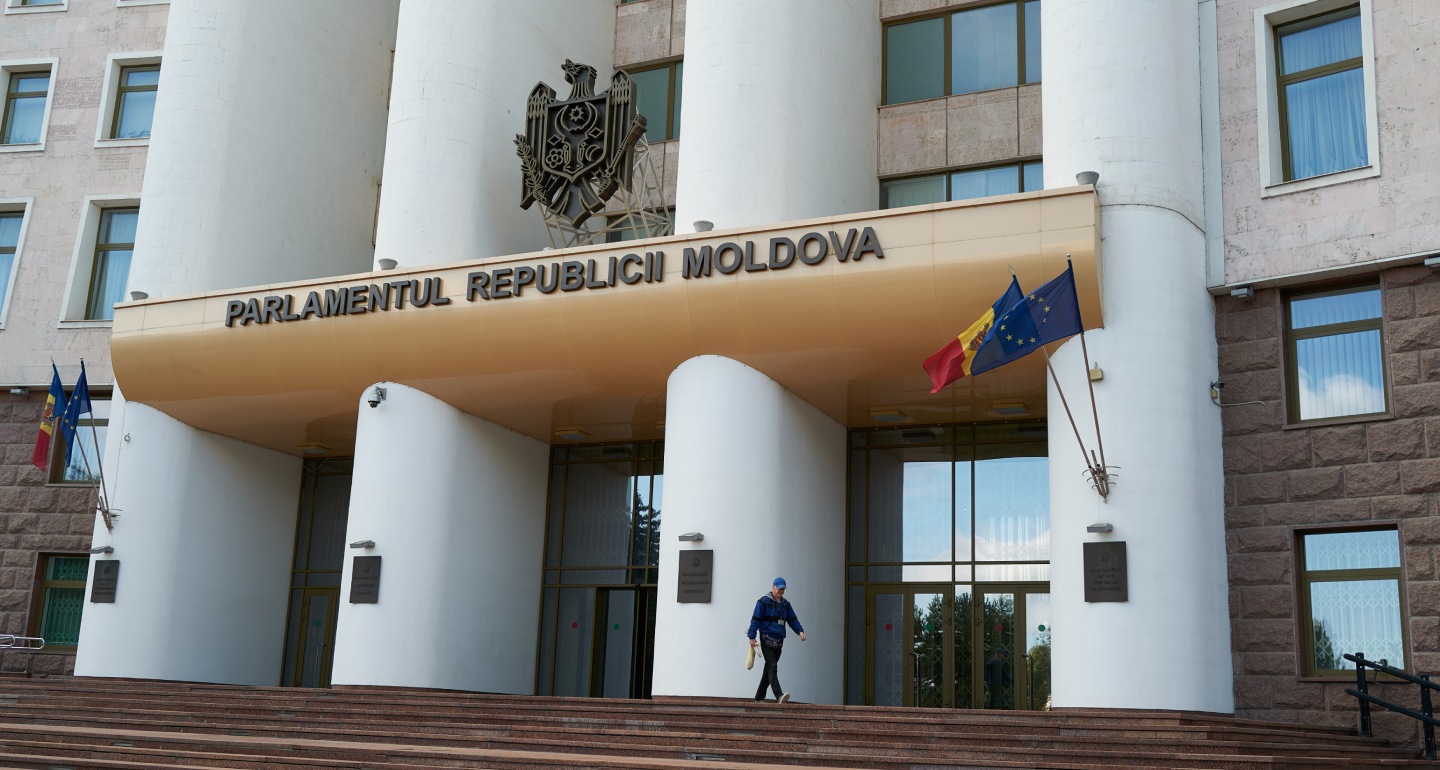
    Moldova Floats a New Approach to Its Transnistria Conundrum

    Moldova’s reintegration plan was drawn up to demonstrate to Brussels that Chișinău is serious about the Transnistria issue—and to get the West to react.
      Vladimir Solovyov
  • Commentary
    Carnegie Politika
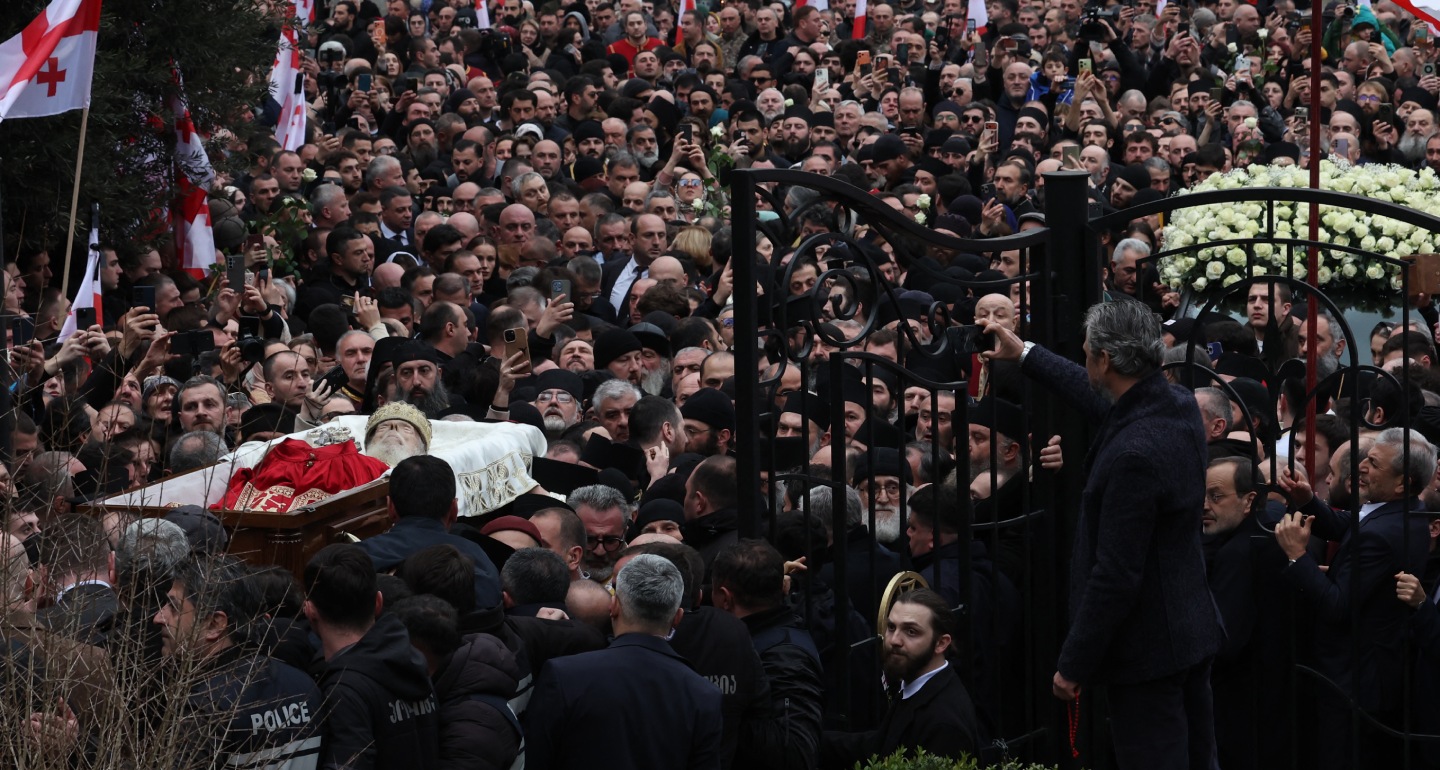
    After Ilia II: What Will a New Patriarch Mean for Georgia?

    The front-runner to succeed Ilia II, Metropolitan Shio, is prone to harsh anti-Western rhetoric and frequent criticism of “liberal ideologies” that he claims threaten the Georgian state. This raises fears that under his leadership the Georgian Orthodox Church will lose its unifying role and become an instrument of ultraconservative ideology.

      Bashir Kitachaev
  • Commentary
    Carnegie Politika
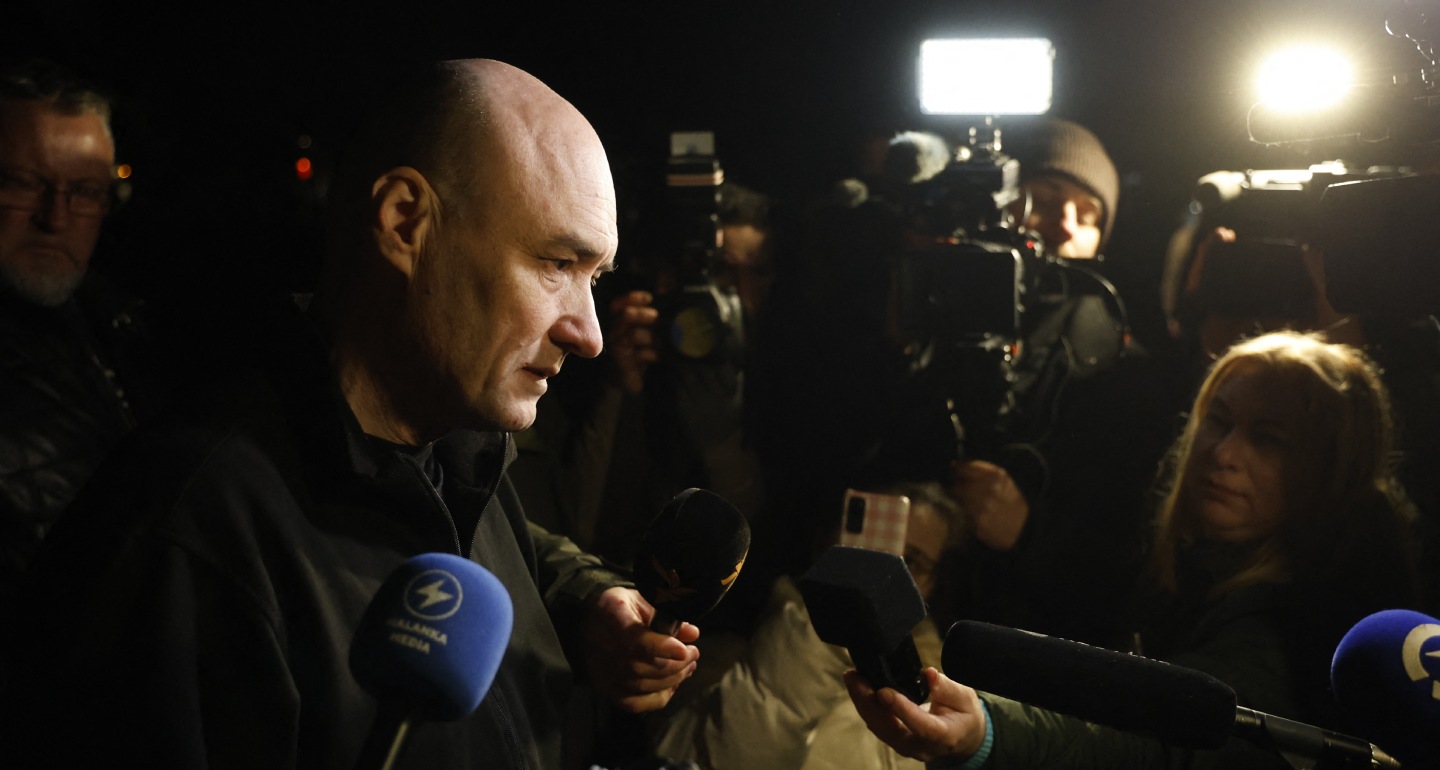
    Lukashenko’s Bromance With Trump Has a Sell-By Date

    Lukashenko is willing to make big sacrifices for an invitation to Mar-a-Lago or the White House. He also knows that the clock is ticking: he must squeeze as much out of the Trump administration as he can before congressional elections in November leave Trump hamstrung or distracted.

      Artyom Shraibman

Get more news and analysis from
Carnegie Russia Eurasia Center
Carnegie Russia Eurasia logo, white
  • Research
  • Politika
  • About
  • Experts
  • Events
  • Contact
  • Privacy
  • For Media
Get more news and analysis from
Carnegie Russia Eurasia Center
© 2026 Carnegie Endowment for International Peace. All rights reserved.