

Commentary
When faced with fuel shortages in the past, Central Asian governments could always count on additional supplies from Moscow. That safety net no longer exists.
Galiya Ibragimova

Consumption of natural gas is growing rapidly and now accounts for nearly one-quarter of the world’s energy supply. While natural gas is relatively clean compared to crude oil and coal, its ability to assume a greater role in meeting the world’s growing energy demands will depend largely on price.
Consumption of natural gas is growing rapidly and now accounts for nearly one-quarter of the world’s energy supply. While natural gas is relatively clean compared to crude oil and coal, its ability to assume a greater role in meeting the world’s growing energy demands will depend largely on price.
In a new report, Anthony J. Melling analyzes the two competing price mechanisms for natural gas: the dominant practice of linking gas prices to oil prices and a second model based on competitive market prices. Although Europe—which uses both mechanisms—is now the battleground in the natural gas pricing war, its effects will likely be felt worldwide.
“The price of gas in Europe—and the mechanism used to determine it—will not only impact European companies and customers, but also have profound implications for energy markets around the world,” writes Carnegie’s Adnan Vatansever in the foreword. “Energy security, geopolitics, and the shift to greener forms of fuel that will be critical for combating climate change will also depend on how gas pricing evolves.”
Anthony J Melling
Carnegie does not take institutional positions on public policy issues; the views represented herein are those of the author(s) and do not necessarily reflect the views of Carnegie, its staff, or its trustees.

When faced with fuel shortages in the past, Central Asian governments could always count on additional supplies from Moscow. That safety net no longer exists.

Galiya Ibragimova
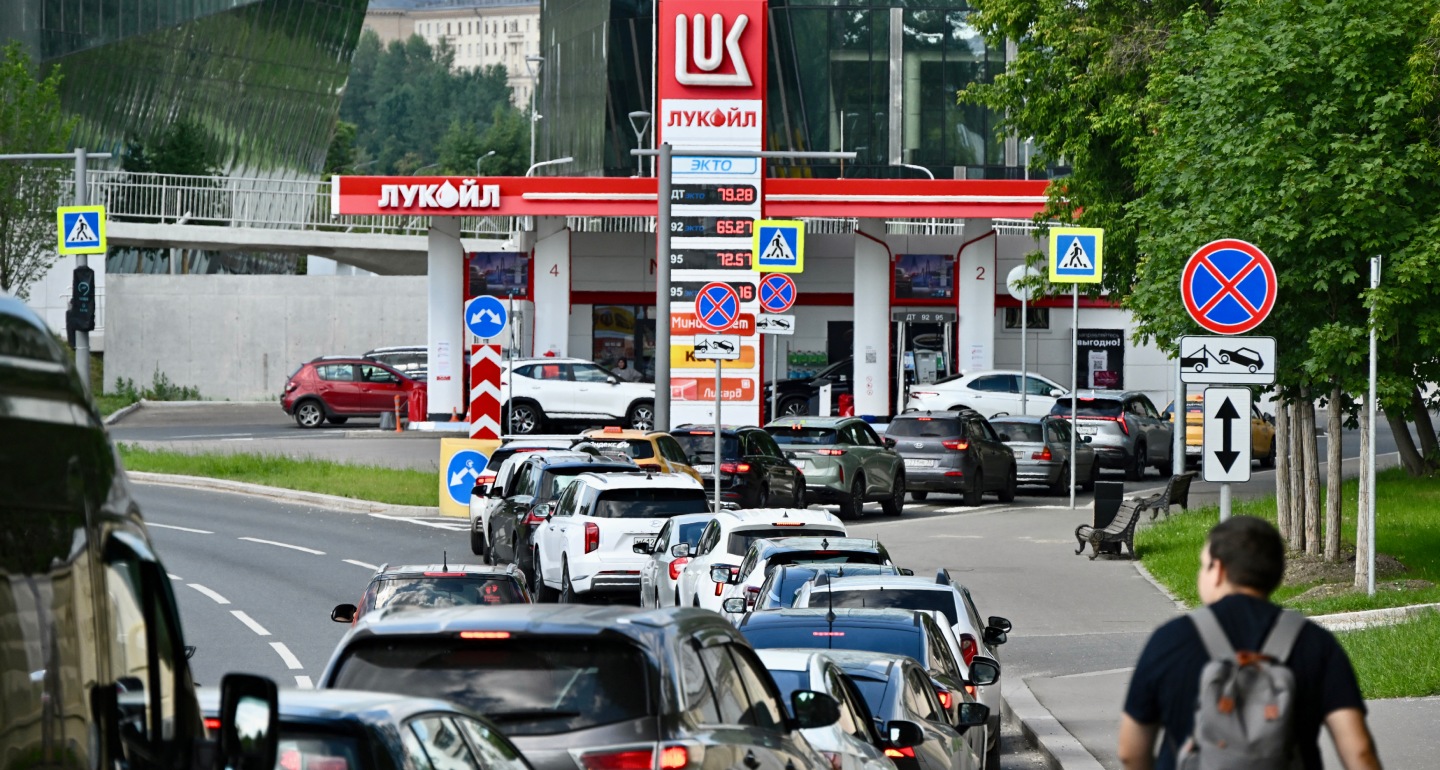
Official discussions about mini oil refineries are unlikely to come to anything—but the mere fact they’re happening reveals the regime is failing to deliver a functioning economy.

Sergey Vakulenko
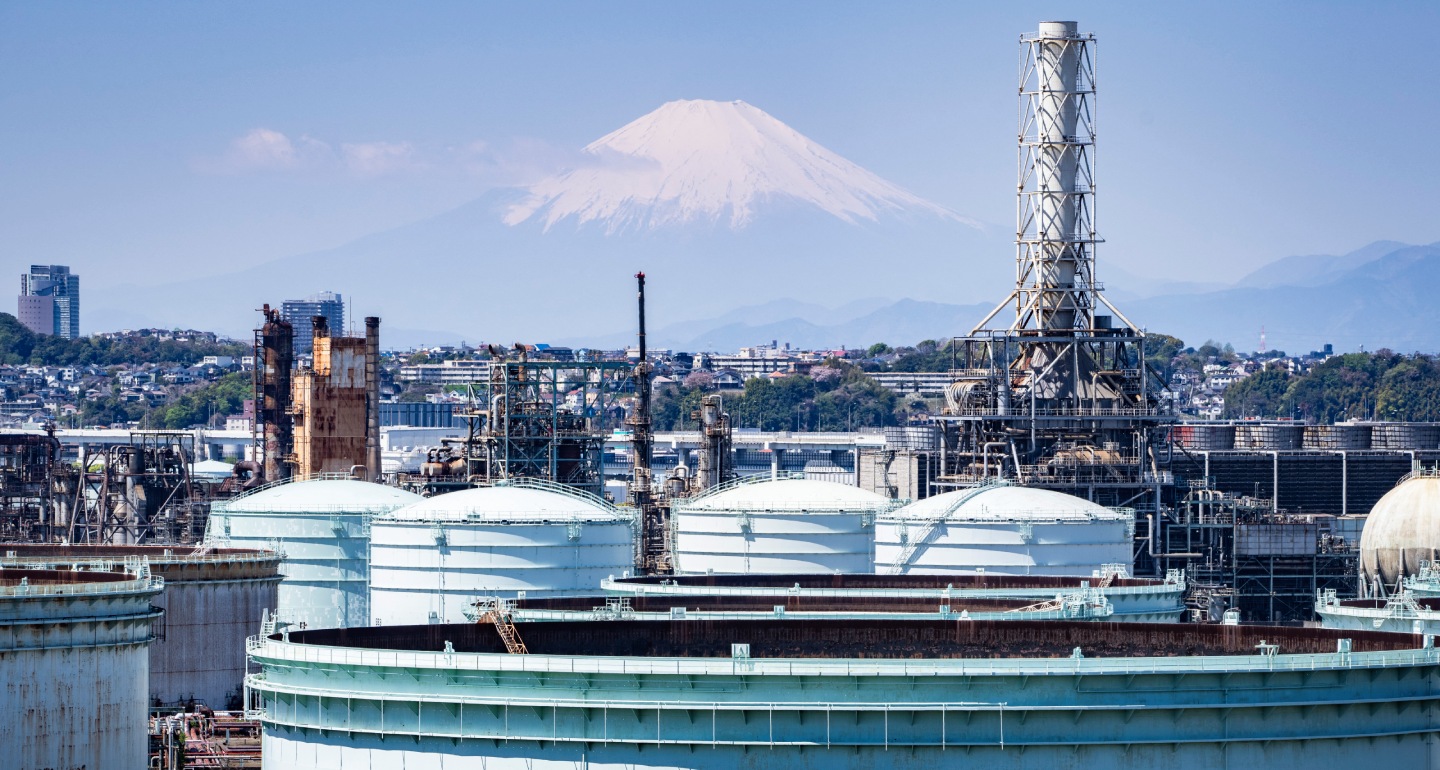
Tokyo would have to surmount a lot of obstacles—not least Western sanctions—if it wanted to return Russian oil imports to even modest pre-2022 volumes.

Vladislav Pashchenko

Powerful lobbyists and inertia led to Russia’s coal-mining sector missing an excellent opportunity to solve its structural problems.
Alexey Gusev
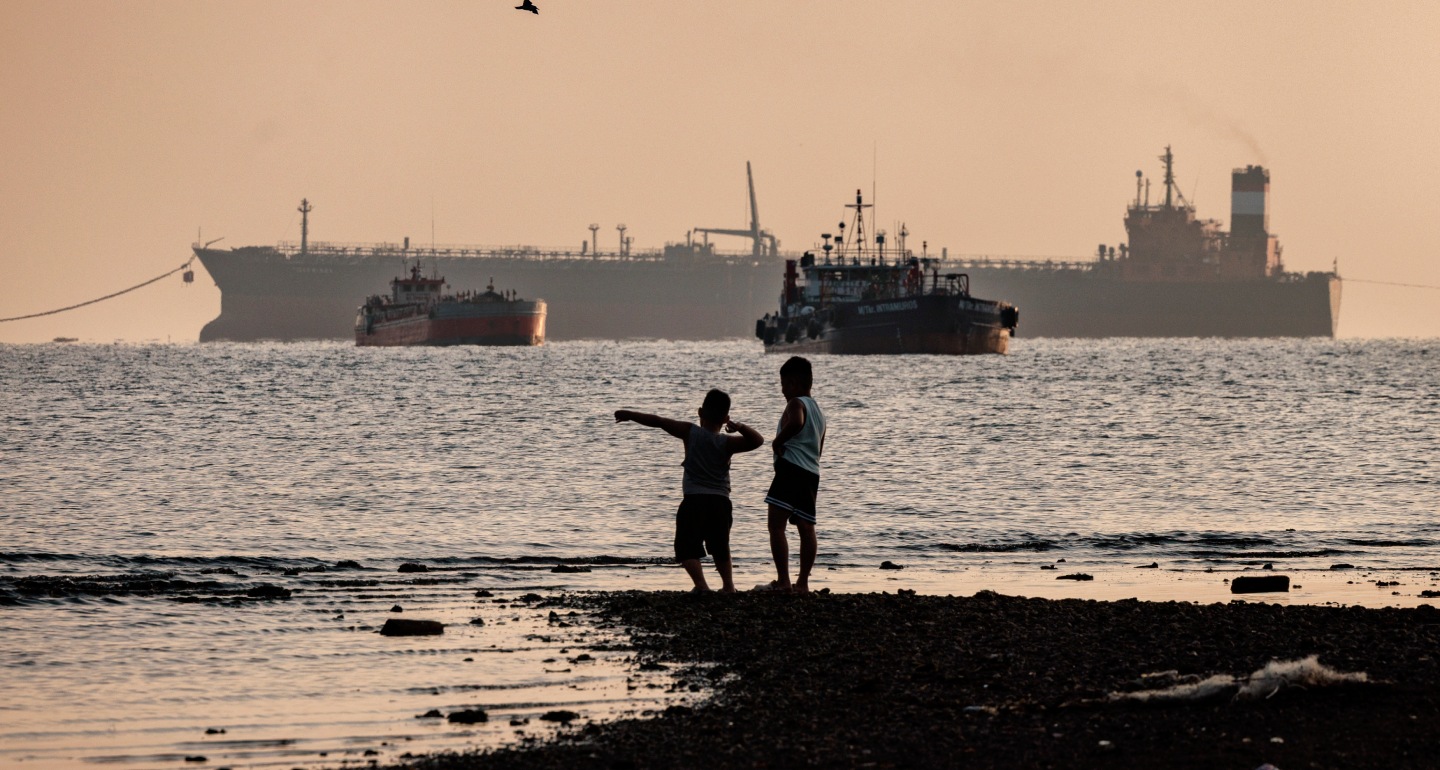
Although Ukrainian strikes have led to a noticeable decline in the physical volume of Russian oil exports, the rise in prices has more than made up for it.
Sergey Vakulenko