

Research
- +6
Yasmine Farouk, Nathan J. Brown, Maysaa Shuja Al-Deen, …
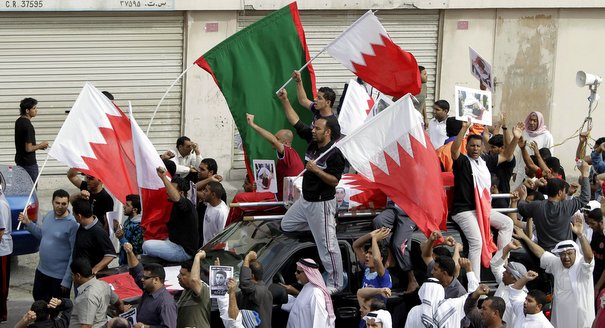
Source: Getty
The current protests in Bahrain result from longstanding political tensions that have been rising dangerously in the country for at least the last six months and were building for several years before that.
Watching anti-government protests flare in the Gulf kingdom of Bahrain, the question that arises is not why this happened now but why it took this long. Tensions have been rising dangerously in the country for at least the last six months, and were building for several years before that. The ruling Sunni Muslim al-Khalifa family has cracked down on the opposition and carried out a provocative plan to shift the country’s demographic balance away from the current 70 percent Shi’i majority, while ignoring reasonable demands from opposition groups to give the elected parliament more power. Now, in a climate of regional unrest and with the government’s use of brute force against peaceful demonstrators, demands have risen to no less than the removal of the monarchy.
The main demand of the Bahraini opposition is longstanding and clear: the devolution of some power from the palace to the elected parliament. This demand gets to the heart of political grievances throughout the Middle East, where until last month nearly every country was ruled by an executive—whether monarch or president—who was not accountable via the ballot box and had an elected parliament with little real power.
When King Hamad came to power in 1999, he promulgated a National Action Charter that appeared to promise significant political reforms and gained widespread public approval, including from al-Wefaq, a political society enjoying broad Shi’i support. He also created expectations of a new era of Shi’i-Sunni cooperation after decades of tension. The resulting 2002 constitution, however, gave the elected lower house of parliament fewer powers than that of the appointed upper house—and fewer than it had enjoyed in the 1970s, before it was dissolved in 1975. Nonetheless, Hamad pursued good relations with al-Wefaq and the Shi’i community, allowing greater freedom for press and civil society and releasing political prisoners. He persuaded al-Wefaq to participate in November 2006 legislative elections, in which it won 17 of 40 parliamentary seats in a vote with little transparency and reports of irregularities.
By the time the moderate al-Wefaq movement decided to participate in formal politics, however, it was already being undermined by developments in the country. An alleged Bahraini government report leaked to the press in September 2006 spelled out a plan to undermine Shi’i interests in the country and to tilt the demographic balance of the tiny kingdom (the population is under one million and half of this is made up by expatriate workers) in favor of Sunnis. Since then, opposition activists have described a palace-driven initiative to extend Bahraini nationality to non-Bahraini Sunni Muslims, many of them from Iraq or Syria. Nationality in such cases reportedly comes with a package of incentives, including housing and government employment, often in the security services. While Bahraini government officials stoutly deny that such a program exists, the growth in population they report seems unlikely without such measures.
Although its protests about the nationalization program fell on deaf ears in the Bahraini government, al-Wefaq remained in parliament and pressed for revision of the constitution and measures to address corruption—all to little avail. Meanwhile, beginning in 2005, a new Shi’i political movement named Haqq was founded and began drawing public support away from al-Wefaq, accusing the group of compromising its values by participating in rigged and meaningless politics.
The most recent government provocation was the August 2010 arrest of 25 key figures from Haqq and the Bahrain Center for Human Rights, including the well-known activist Abdel Jalil Singace. The group has been detained under an anti-terrorism statute and the prisoners were denied access to counsel for several months. The government has refused all entreaties from al-Wefaq and international human rights groups for their release. And while they continue to await trial, the lack of transparency surrounding the case makes it difficult to evaluate the vague terrorism charges they face.
Under these circumstances, with a king who shows diminishing care for relations with his Shi’i subjects and an unpopular prime minister, Khalifa Salman al-Khalifa, in office since the country gained independence in 1971, the current protests are a surprise only to those who have paid no attention to political affairs in Bahrain. Unfortunately, this was the case with U.S. officials until last week. Secretary Clinton’s assessment of the country’s reform picture as a “glass half full” in December 2010 now needs some explanation. Far from being an anomaly, however, her comment continued a pattern of U.S. officials giving the Bahraini government more credit than it deserved. President George W. Bush, for example, in January 2008 praised King Hamad for “providing hope for people through democracy” and holding “free elections,” although problems with the 2006 polls were well known.
In view of the lethal force used against peaceful demonstrators in Manama, al-Wefaq suspended its membership in parliament February 17. Amid international criticism, Crown Prince Salman offered on February 18 to start a national dialogue on all issues.
Is there still time for King Hamad to make significant but incomplete concessions—agreeing to revise the constitution and give more power to the elected parliament—and end the current unrest? Perhaps, but not much. Protestors’ demands have already escalated to include the removal of Hamad and the prime minister. If demonstrations build and government troops continue to use lethal force, protestors will reach a point of no return where compromise is impossible and the options left are a brutal crackdown or overthrow of the monarchy. Even if demonstrations die down now, they will be back at some point. Bahrain’s long-festering political problems are its very own—they are not inspired by Iran or any other outside power—and they will keep resurfacing until they are resolved one way or another.

Former Nonresident Scholar, Middle East Program
Michele Dunne was a nonresident scholar in Carnegie’s Middle East Program, where her research focuses on political and economic change in Arab countries, particularly Egypt, as well as U.S. policy in the Middle East.
Recent Work



Yasmine Farouk, Nathan J. Brown, Maysaa Shuja Al-Deen, …
Robert Springborg, Emile Hokayem, Becca Wasser, …
Carnegie does not take institutional positions on public policy issues; the views represented herein are those of the author(s) and do not necessarily reflect the views of Carnegie, its staff, or its trustees.
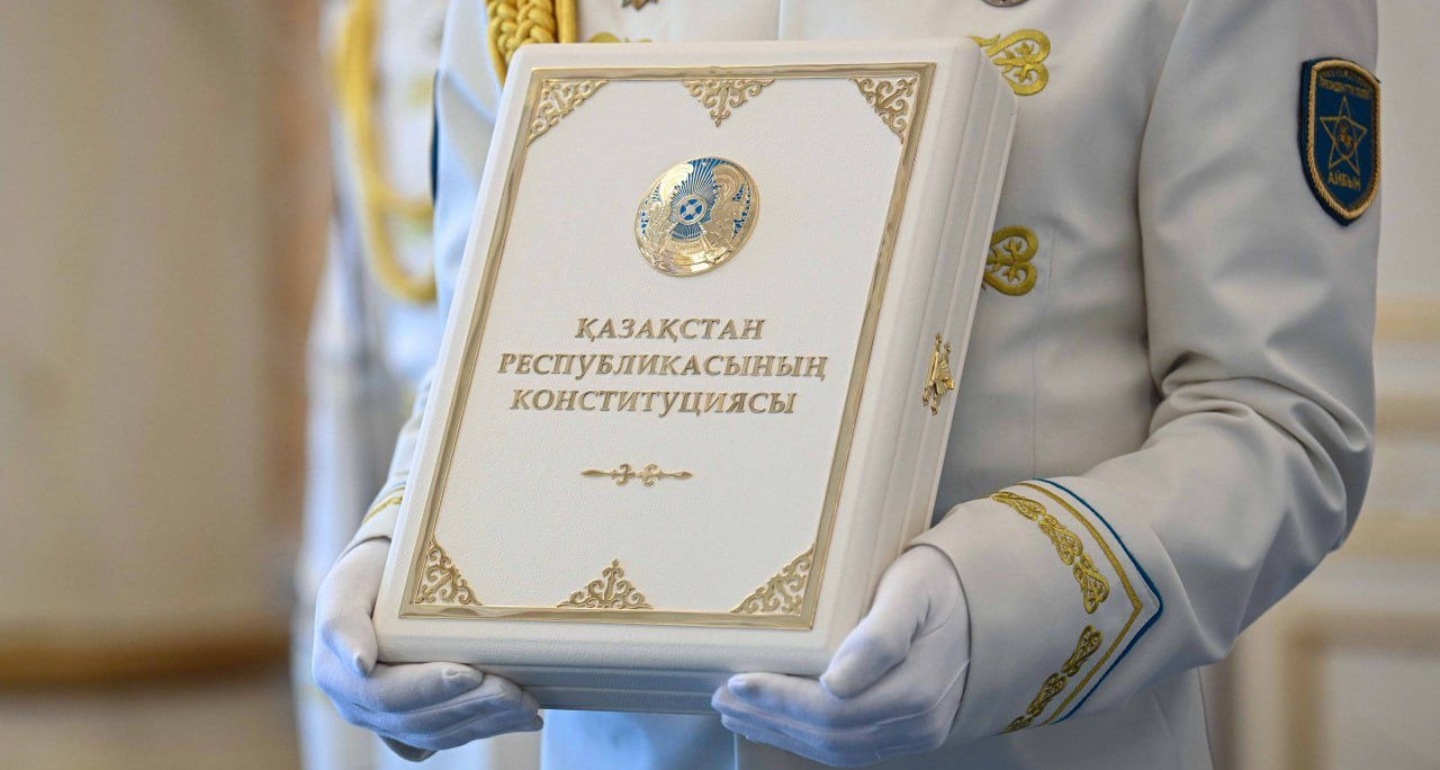
Tokayev’s predecessor, Nursultan Nazarbayev, outlined arrangements for a power transition too soon and in too much detail, ultimately losing control over the process. Tokayev is determined not to meet the same fate.

Temur Umarov

Despite unhappiness on the ground, Moscow is determined to use both carrot and stick to ensure there is record support for United Russia in occupied Ukraine.

Konstantin Skorkin
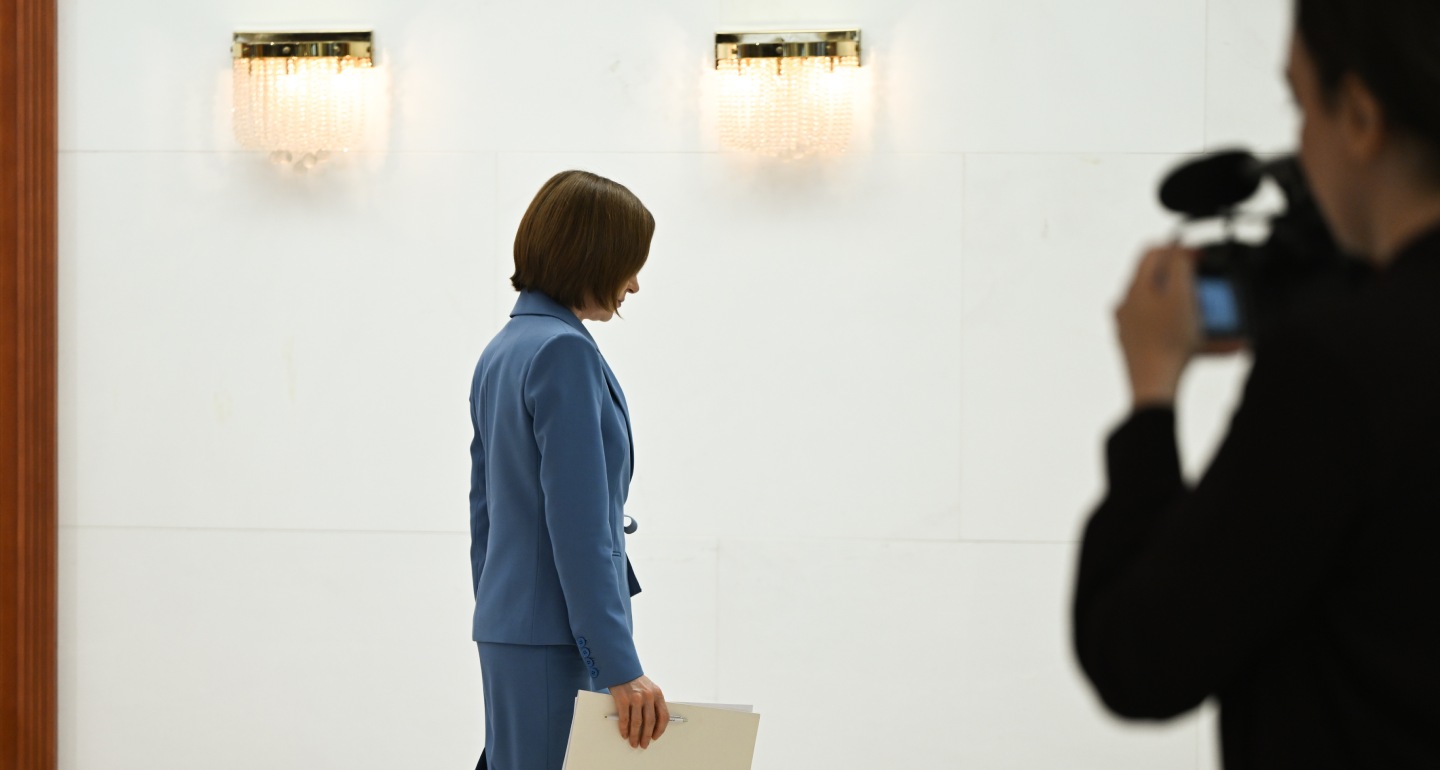
Whether PAS can refocus on the unfinished business of state-building may ultimately prove more consequential for Moldova’s European future than the pace of its accession negotiations.

Balázs Jarábik
Medvedev’s defeat in the battle for the position of speaker appears to signal that the long process of his marginalization in Russian politics has passed the point of no return.

Andrey Pertsev
This year’s wars have made alternative routes to transit through Russia no less risky for Central Asian countries.

Galiya Ibragimova