

Commentary
Despite unhappiness on the ground, Moscow is determined to use both carrot and stick to ensure there is record support for United Russia in occupied Ukraine.
Konstantin Skorkin
Source: Getty
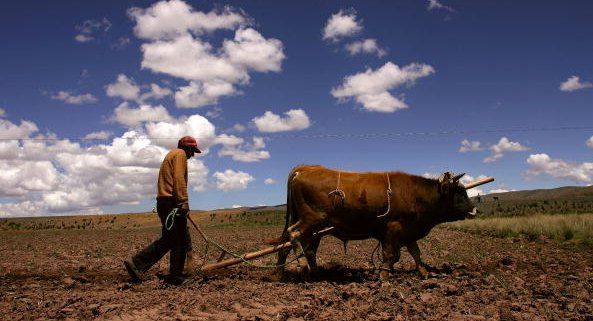
Bolivia has embarked on a democratic experiment which differs in significant ways from Western liberal models. While this poses a challenge to traditional democracy promotion efforts, external actors still have the potential to play a constructive role in the country.
Bolivia offers a critical, but atypical, case for international democracy promotion. The ongoing political transformation initiated by President Evo Morales constitutes one of the few experiences in the world of a serious effort to build a democracy different from the existing Western liberal models. And this presents a significant challenge to democracy promotion efforts.
The United States and Germany—two main external actors in Bolivia—have been compelled to react to this challenge. In the case of the United States, an initial phase of wait-and-see escalated in 2008 into an open crisis in bilateral relations. Attempts to adjust U.S. democracy assistance to the evolving political situation in Bolivia failed and by the end of 2009 USAID’s democracy program was closed on demand of the Bolivian government. The German government, on the other hand, explicitly supported the political changes initiated by Morales. Bilateral relations between Bolivia and Germany are characterized by general continuity and in terms of democracy assistance Germany largely adjusted its programs to the preferences of the new Bolivian government.
Jonas Wolff
Wolff is an executive board member and the head of the Intrastate Conflict research department at the Peace Research Institute Frankfurt.
Carnegie does not take institutional positions on public policy issues; the views represented herein are those of the author(s) and do not necessarily reflect the views of Carnegie, its staff, or its trustees.

Despite unhappiness on the ground, Moscow is determined to use both carrot and stick to ensure there is record support for United Russia in occupied Ukraine.

Konstantin Skorkin
Whether PAS can refocus on the unfinished business of state-building may ultimately prove more consequential for Moldova’s European future than the pace of its accession negotiations.

Balázs Jarábik
Medvedev’s defeat in the battle for the position of speaker appears to signal that the long process of his marginalization in Russian politics has passed the point of no return.

Andrey Pertsev
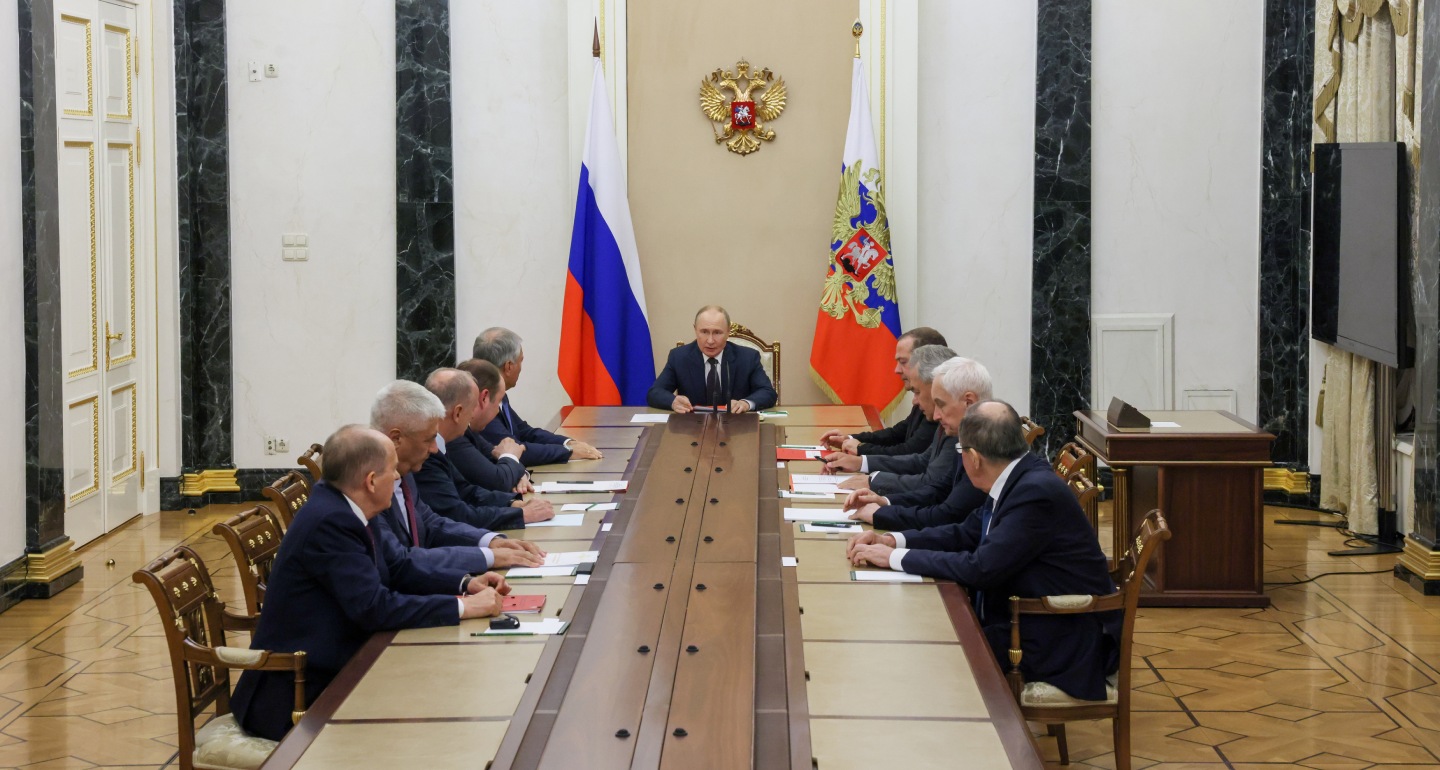
The ruling elites in contemporary Russia are not a political class, but a community of managers who are not subject to competition or public accountability. The state is becoming an operating apparatus without any internal autonomy.

Alexandra Prokopenko
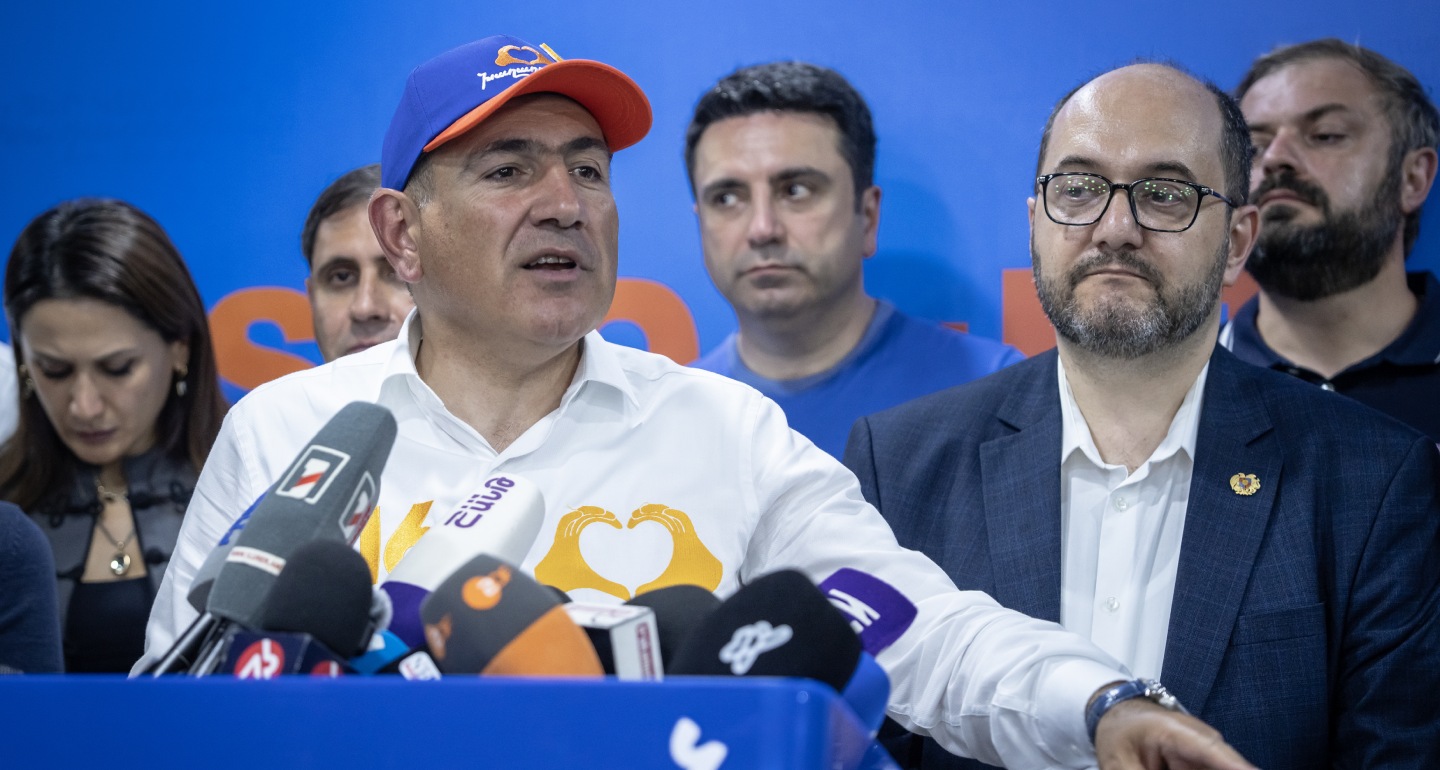
Pashinyan’s pro-European party has been re-elected with a decisive victory. But the pro-Russian opposition could still slow Armenia’s progress toward peace with Azerbaijan and rapprochement with Europe.
Mikayel Zolyan