

Commentary
Depleted financial reserves and a shrinking tax base mean it is no longer possible to simultaneously deliver high defense spending, price stability, and economic growth.
Alexandra Prokopenko
Source: Getty
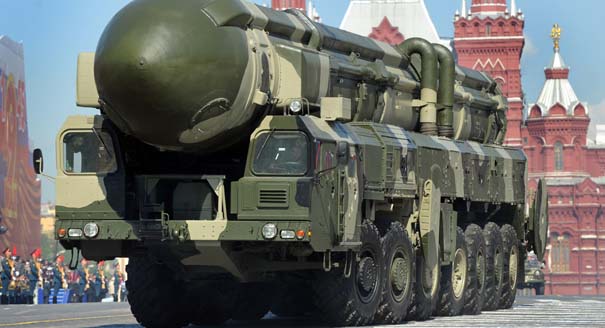
While nuclear arms control is enjoying a renaissance of late, whether that momentum dissipates or leads to further agreements will require a painstaking effort by U.S. and Russian diplomats and experts to move past Cold War prejudices and the mistakes and misunderstandings of the post-Cold War era.
The pursuit of nuclear arms control has enjoyed something of a renaissance recently, with the signing of the New Strategic Arms Reduction Treaty (New START) in spring 2010 in Prague. Whether that momentum will dissipate after New START or lead to further nuclear arms control agreements depends on several factors:
Working through these complicated factors will require painstaking effort by U.S. and Russian diplomats and experts. They will have to move past not just Cold War habits and prejudices but also the mistakes and misunderstandings of the past two decades of post–Cold War history. Commitment to this task will determine whether New START goes down in history as a mere gambit or as the first step of an endgame for U.S.-Russian security competition.

Alexey Arbatov
Alexey Arbatov is the head of the Center for International Security at the Primakov National Research Institute of World Economy and International Relations.
Carnegie does not take institutional positions on public policy issues; the views represented herein are those of the author(s) and do not necessarily reflect the views of Carnegie, its staff, or its trustees.

Depleted financial reserves and a shrinking tax base mean it is no longer possible to simultaneously deliver high defense spending, price stability, and economic growth.

Alexandra Prokopenko
Blurring the line between humans and animals is a long-standing tradition in social utopian prose. In his latest novel, Leonid Bershidsky reminds us that in social experiments, people are often treated no differently than animals.

Alexander Baunov
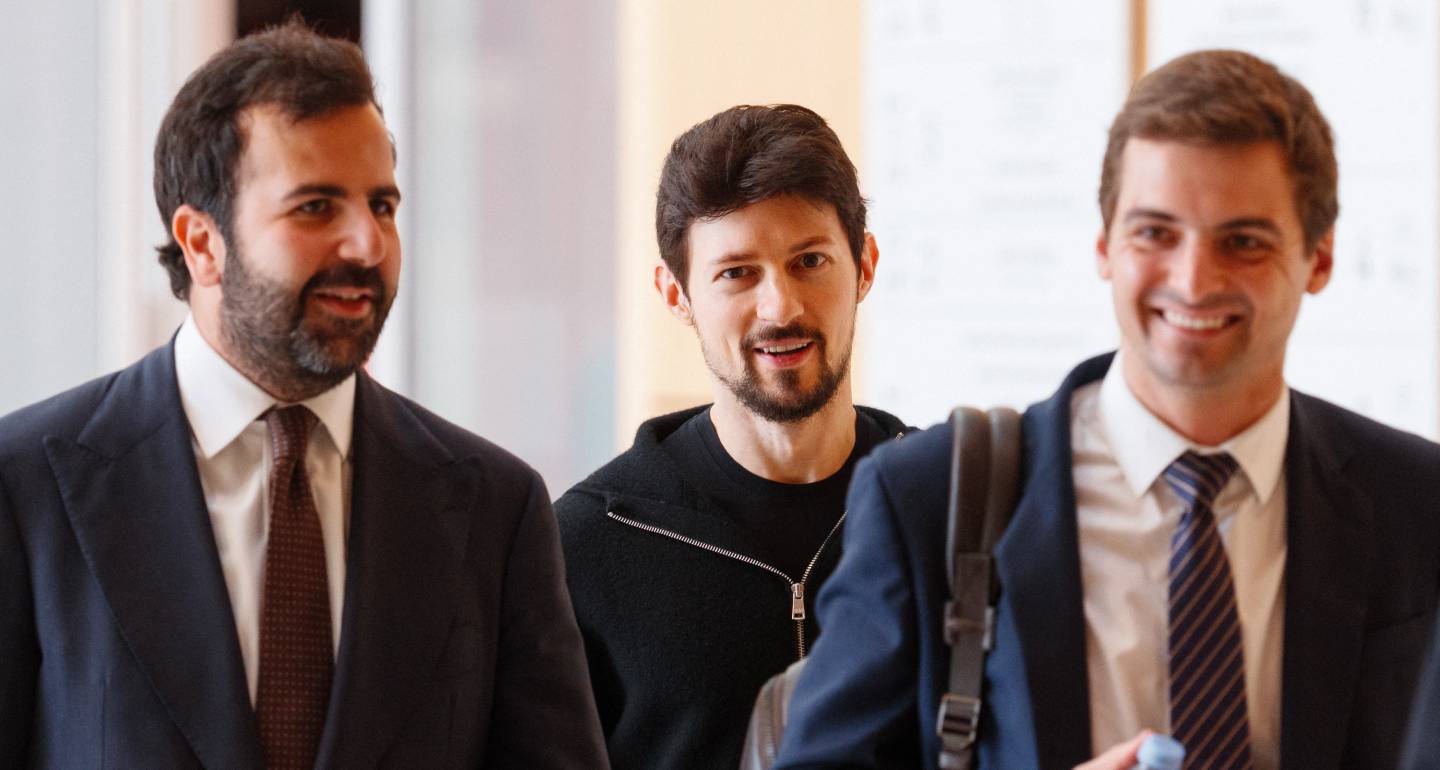
While France and Australia are seeking to establish the legal obligations of messaging apps like Telegram, Russia wants total subordination.

Maria Kolomychenko

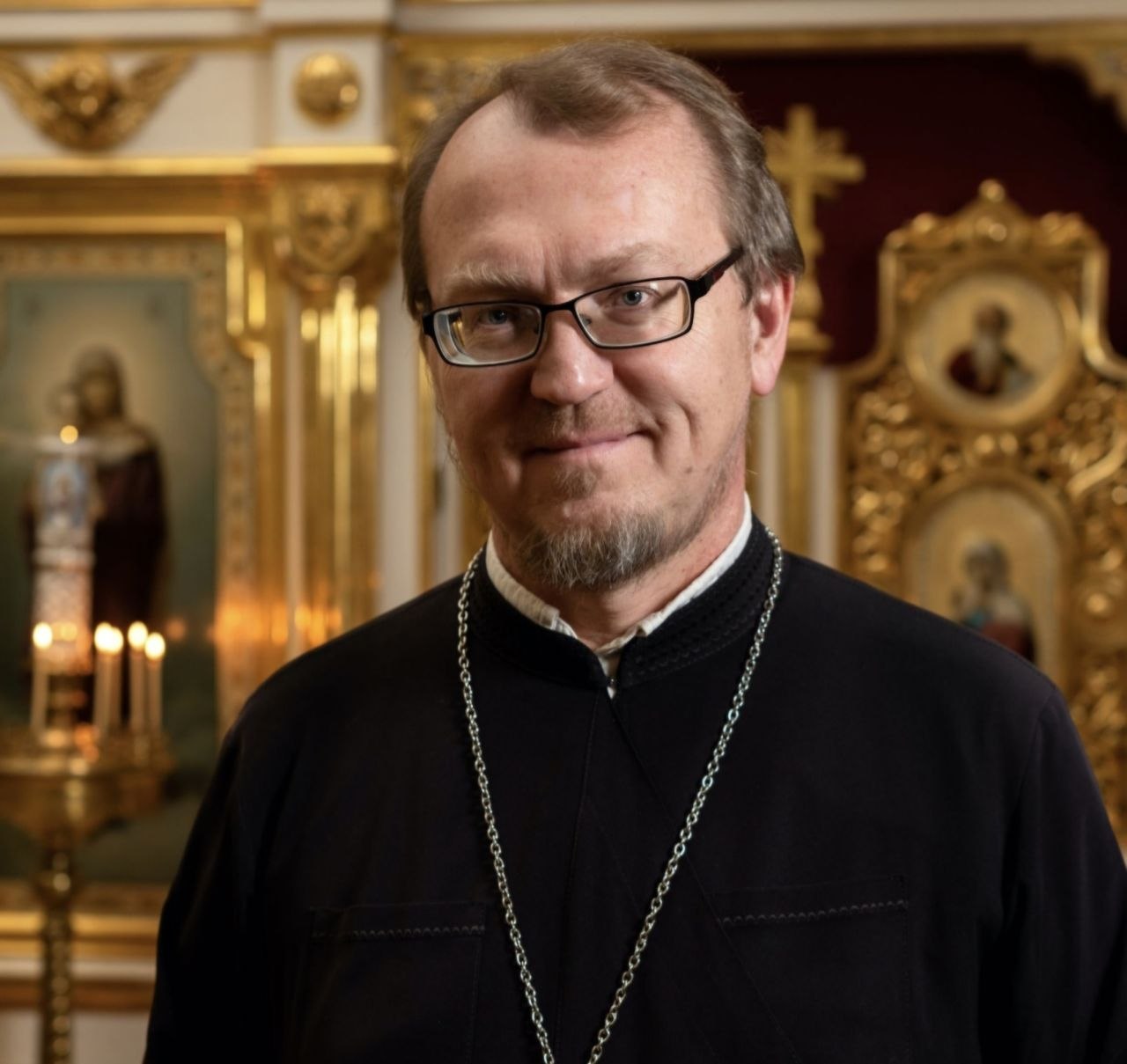
The recent uncovering of Dmitry Donskoy’s relics in the Cathedral of the Archangel is yet another attempt by the Russian Orthodox Church to help the state solve its problems. However, parroting the state’s version of Russian history leaves the Church with no message except “patriotism.”
Alexander Zanemonets

With the growth in points of friction between the great powers, organizations like the SCO will continue to play a role in the strategic adaptation of the smaller powers caught between them.

Temur Umarov