

Commentary
In the discussions made possible by the State Duma election campaign, one question is being asked more and more loudly. “What next?”
Andrey Pertsev

Deradicalization programs will likely remain a necessary part of larger counter-radicalization and counterterrorism strategies. To succeed, deradicalization programs must include affective, pragmatic, and ideological components and considerable aftercare.
Source: Rand Corporation

A key question is whether the objective of these programs should be disengagement or deradicalization of militants. Disengagement entails a change in behavior (i.e., refraining from violence and withdrawing from a radical organization) but not necessarily a change in beliefs. A person could exit a radical organization and refrain from violence but nevertheless retain a radical worldview. Deradicalization is the process of changing an individual’s belief system, rejecting the extremist ideology, and embracing mainstream values.
There is a view in the scholarly community that deradicalization may not be a realistic objective and that the goal of terrorist rehabilitation programs should be disengagement. Deradicalization, in fact, may be particularly difficult for Islamist extremists because they are motivated by an ideology that is rooted in a major world religion. The tenets of the ideology, therefore, are regarded as religious obligations.
Nevertheless, deradicalization may be necessary to permanently defuse the threat posed by these individuals. If a militant disengages solely for instrumental reasons, when the circumstances change, the militant may once again take up arms. Conversely, when deradicalization accompanies disengagement, it creates further barriers to recidivism.
Moreover, there may be a tipping point. When enough exmilitants renounce radical Islamism, the ideology and the organizations that adhere to it are fatally discredited. Even short of this tipping point, as greater numbers of militants renounce extremism, radical Islamist organizations will experience greater hurdles in attracting adherents and sympathizers within the Muslim community.
Studies of those who leave gangs and criminal organizations, exit from cults and religious sects, and withdraw from terrorist organizations suggest that individuals follow a similar trajectory when leaving a criminal or extremist group. Certain lessons can be derived from this trajectory.

Former Associate, Middle East Program
Boucek was an associate in the Carnegie Middle East Program where his research focused on security challenges in the Arabian Peninsula and Northern Africa.
Angel Rabasa
Stacey L. Pettyjohn
Jeremy J. Ghez
Carnegie does not take institutional positions on public policy issues; the views represented herein are those of the author(s) and do not necessarily reflect the views of Carnegie, its staff, or its trustees.

In the discussions made possible by the State Duma election campaign, one question is being asked more and more loudly. “What next?”

Andrey Pertsev

Two divergent trends—Putin’s hardline vision of how to prosecute the war in Ukraine, and a growing desire for change in Russia—could tear the regime apart.

Tatiana Stanovaya
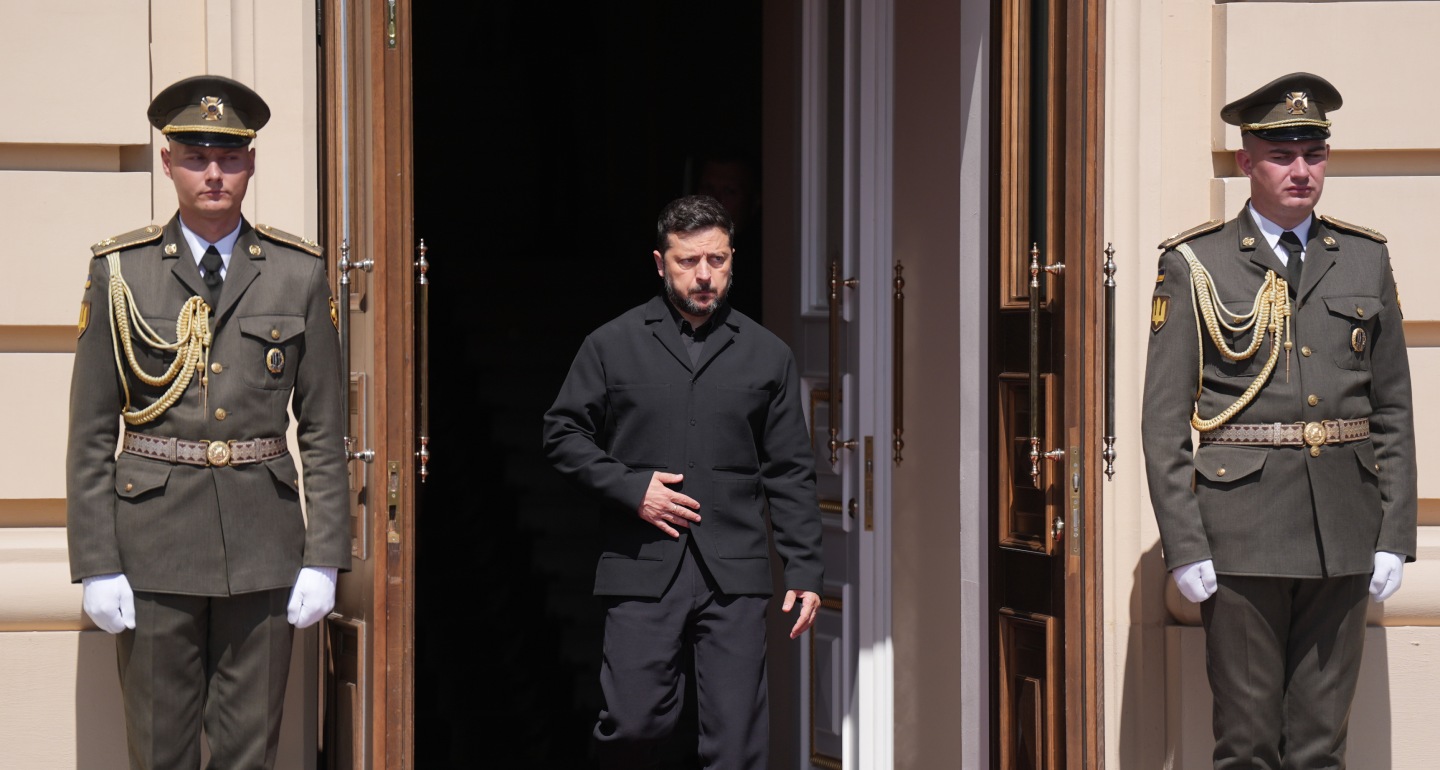
Ultimately, Zelensky sided neither with the reform camp nor with the military establishment as such, but with political control.

Balázs Jarábik

Tokayev’s predecessor, Nursultan Nazarbayev, outlined arrangements for a power transition too soon and in too much detail, ultimately losing control over the process. Tokayev is determined not to meet the same fate.

Temur Umarov

Andrey Melnichenko’s essay offers no answer to the fundamental question of how, under any kind of negotiated settlement, Europe can protect itself from the Russian ressentiment that is inevitable in all scenarios except for an outright victory for Putin.

Leonid Bershidsky