

Commentary
In the discussions made possible by the State Duma election campaign, one question is being asked more and more loudly. “What next?”
Andrey Pertsev
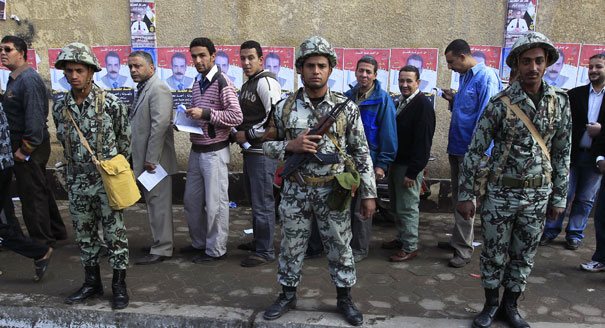
Source: Getty
Rising democracies from the developing world have the potential to assist and revitalize international democracy support. Encouraging these countries to do more to support democracy abroad should be a priority, but it will not be easy.
The emergence of a multipolar world gives Western democracy advocates cause for both optimism and anxiety. China’s success sparks fears of the spread of an autocratic development model. Yet democratic states such as Brazil, Indonesia, India, South Africa, and Turkey are also gaining ground. These countries serve as powerful examples of the universal appeal of democracy and possess unique experiences with democratization. The United States and Europe understandably hope that rising democracies will use their growing prominence to defend democratic values abroad, potentially revitalizing international democracy support.
Rising democracies, however, are often reluctant to publicly embrace a democracy and human rights agenda. Most of them are exponents of the pro-sovereignty, anti-interventionist approach to international politics. They emphasize inclusive cooperation among developing countries and are disinclined to confront autocratic leaders. They are also habitually wary of Western, especially U.S., intentions in the developing world and thus frequently suspicious of Western democracy promotion.
Western powers should not dismiss the potential contribution that rising democracies can make to democracy support, but they should moderate their expectations and proceed with caution. They should start building cooperation with rising democracies through low-visibility, sustained endeavors rather than high-visibility, short-term gestures. Western actors must also be flexible in considering rising democracies’ differing conceptions of how best to support democracy. Support for partnerships between nongovernmental actors in established and rising democracies may offer the best way forward.

Harvey V. Fineberg Chair for Democracy Studies; Director, Democracy, Conflict, and Governance Program
Thomas Carothers, director of the Carnegie Endowment for International Peace’s Democracy, Conflict, and Governance Program, is a leading expert on comparative democratization and international support for democracy.

Senior Fellow, Democracy, Conflict, and Governance Program
Richard Youngs is a senior fellow in the Democracy, Conflict, and Governance Program, based at Carnegie Europe. He works on EU foreign policy and on issues of international democracy.
Carnegie does not take institutional positions on public policy issues; the views represented herein are those of the author(s) and do not necessarily reflect the views of Carnegie, its staff, or its trustees.

In the discussions made possible by the State Duma election campaign, one question is being asked more and more loudly. “What next?”

Andrey Pertsev

Two divergent trends—Putin’s hardline vision of how to prosecute the war in Ukraine, and a growing desire for change in Russia—could tear the regime apart.

Tatiana Stanovaya
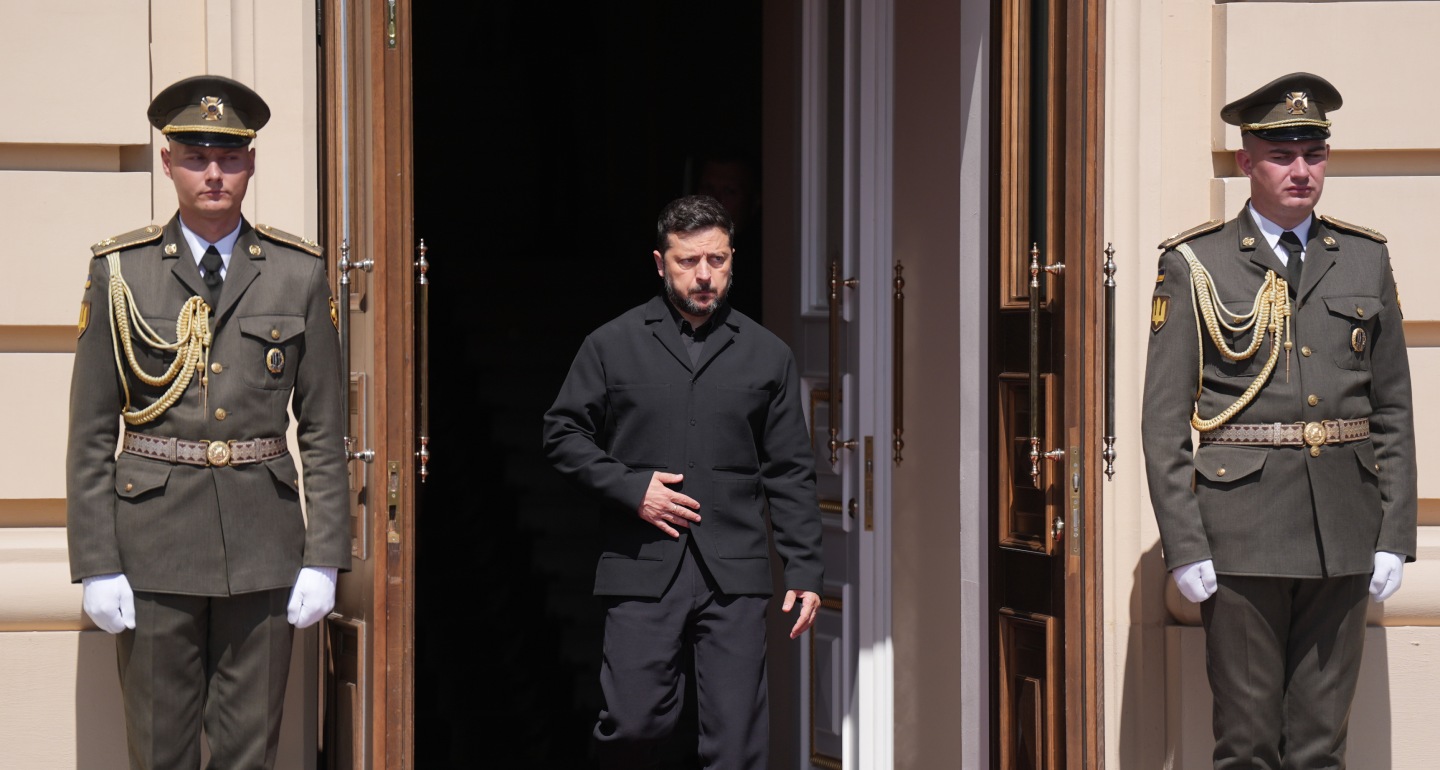
Ultimately, Zelensky sided neither with the reform camp nor with the military establishment as such, but with political control.

Balázs Jarábik
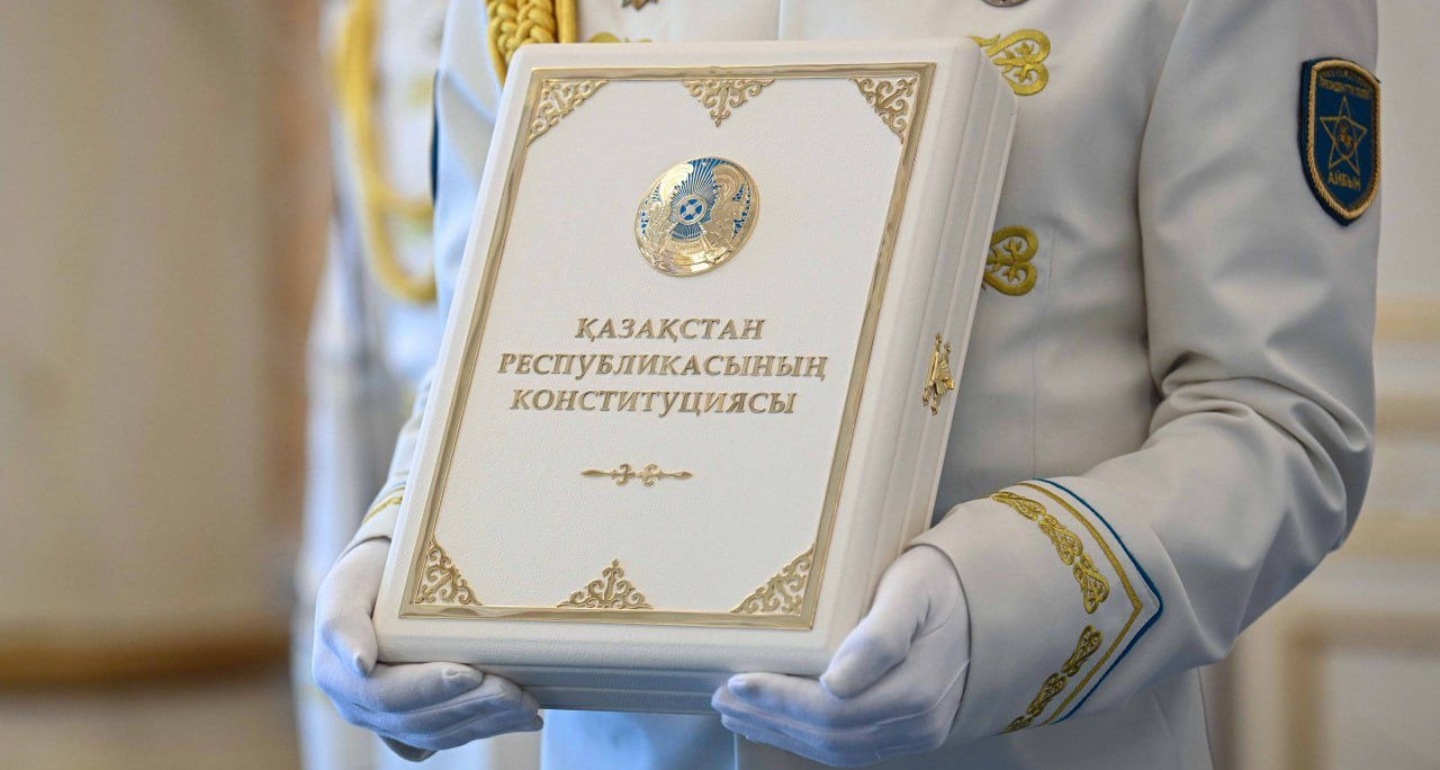
Tokayev’s predecessor, Nursultan Nazarbayev, outlined arrangements for a power transition too soon and in too much detail, ultimately losing control over the process. Tokayev is determined not to meet the same fate.

Temur Umarov

Despite unhappiness on the ground, Moscow is determined to use both carrot and stick to ensure there is record support for United Russia in occupied Ukraine.

Konstantin Skorkin