

Commentary
Togzhan Kassenova
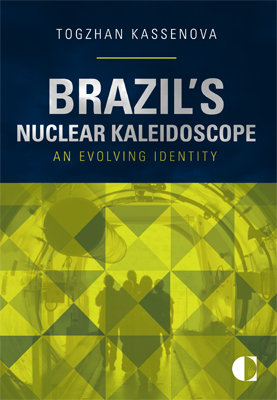
Remarkably little attention is paid to Brazilian voices on the country’s nuclear policy. Brazilians paint a picture of an emerging power seeking nuclear independence and searching for its role in the global order.
There is no shortage of international commentary on Brazil’s nuclear policy, especially its advanced nuclear fuel cycle and nuclear submarine program. But remarkably little attention is paid to Brazilian voices on these issues. Brazilians paint a picture of an emerging power seeking nuclear independence and searching for its role in the global order.
The nuclear industry is more ambitious than the government. Industry representatives believe Brazil could industrialize uranium conversion and enrichment if the government prioritizes the effort.
The nuclear submarine program has multiple drivers. Brazil is pursuing development of a nuclear submarine to protect its coast and offshore natural resources and to stave off potential enemies approaching from the sea. Naval bureaucratic interests also drive the program. But above all, this quest reflects Brazil’s desire to bolster its international standing.
Brazil will forcefully defend its interests on the global nuclear scene. Brasília’s assertive nuclear policy is indicative of the tensions intensifying within the global nuclear order between nuclear-armed and non-nuclear-weapon states, between disarmament and nonproliferation, and between nonproliferation and peaceful uses of nuclear energy. Brasília, for the foreseeable future, will criticize the unfairness of the nuclear order while attempting to carve out a role for itself in it.
For Brazil, the nuclear order is a microcosm of the world order. Brazil sees the global nuclear order and the world order more broadly as unfair and antiquated.
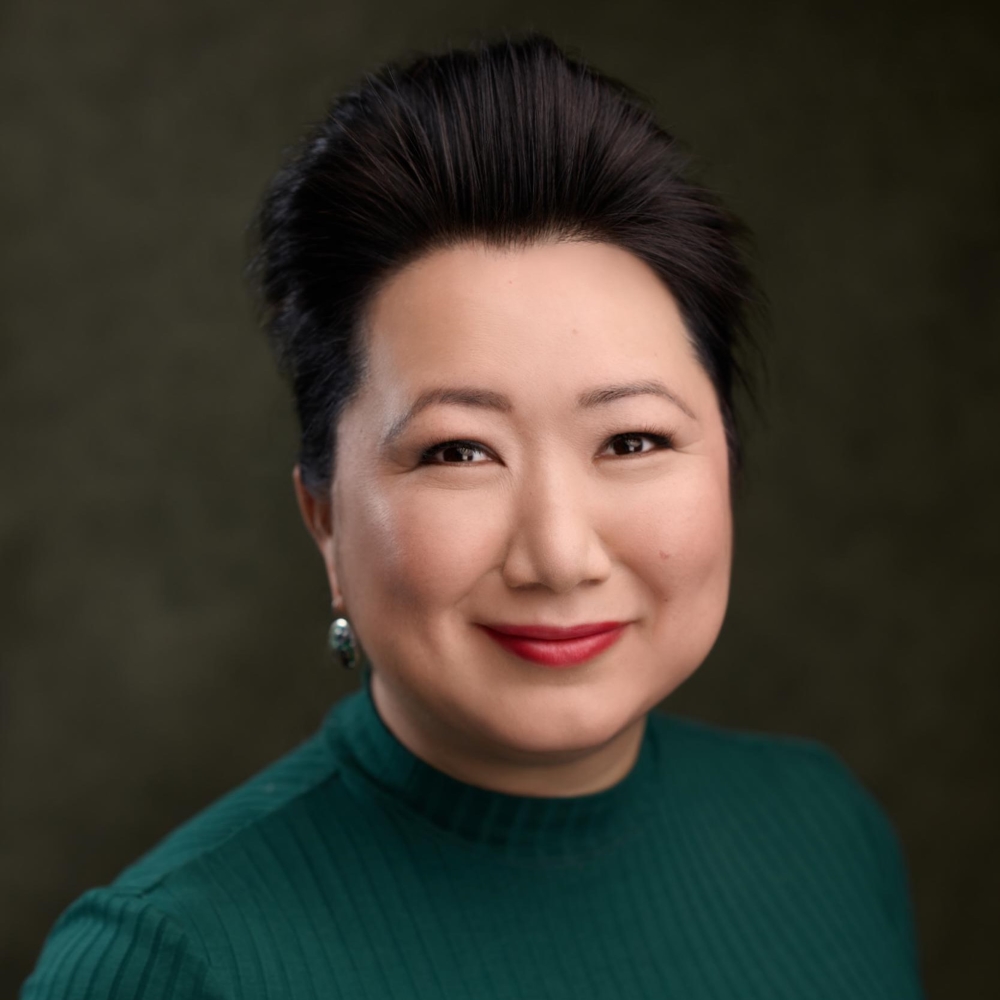
Former Nonresident Fellow, Nuclear Policy Program
Kassenova was a nonresident fellow in the Nuclear Policy Program at the Carnegie Endowment.
Recent Work
Togzhan Kassenova

Toby Dalton, Togzhan Kassenova, Lauryn Williams
Carnegie does not take institutional positions on public policy issues; the views represented herein are those of the author(s) and do not necessarily reflect the views of Carnegie, its staff, or its trustees.
Ongoing uncertainty in the Middle East allows Moscow to both increase its influence in Tehran and continue to enjoy the financial windfall of higher oil prices.

Nikita Smagin
Governments in Estonia, Latvia, and Lithuania want to ensure that a U.S. military withdrawal would not leave them dangerously exposed to a Russian attack.

Sergejs Potapkins
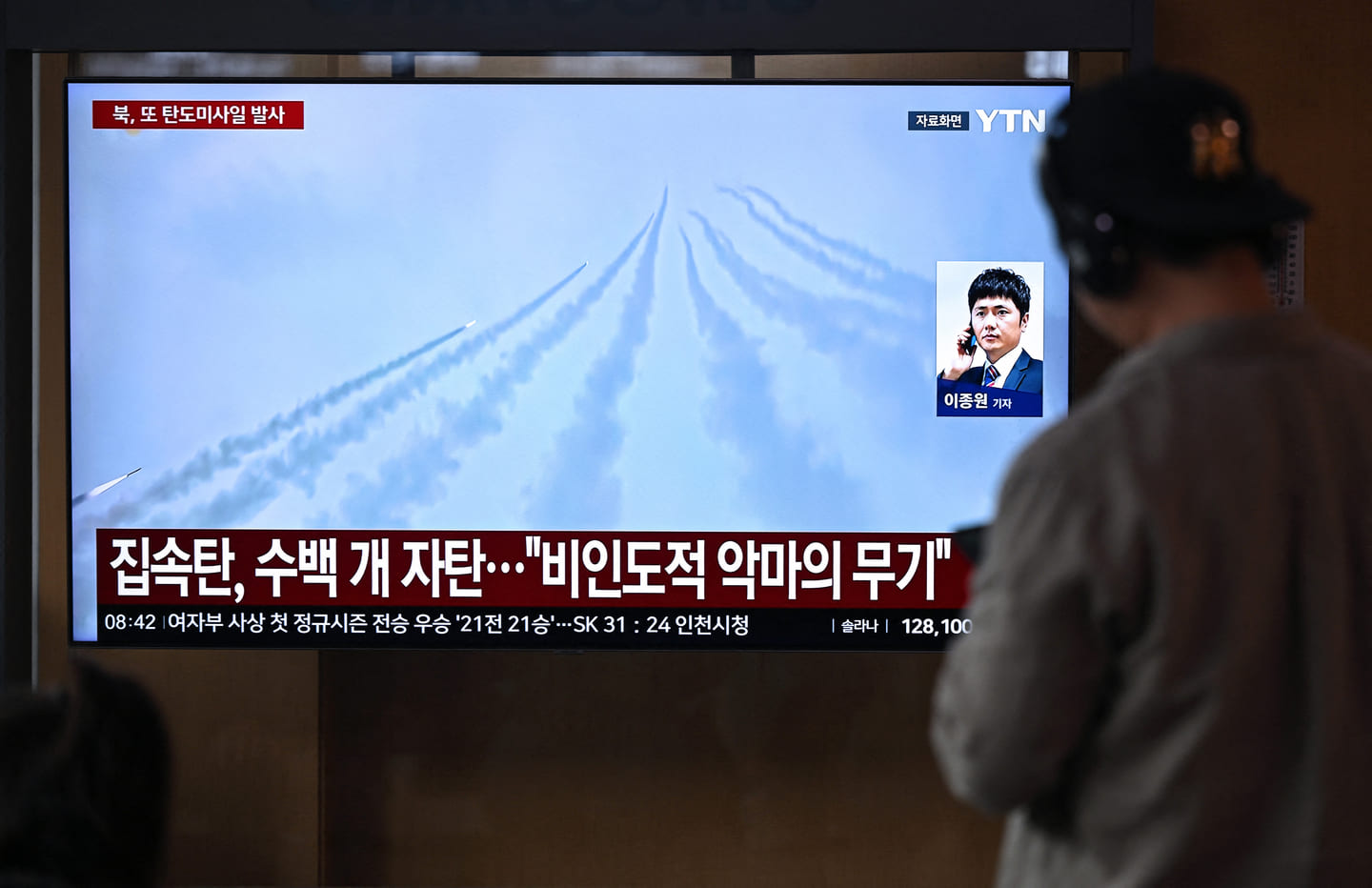
Troubled by the growing salience of nuclear debates in East Asia, Moscow has responded in its usual way: with condemnation and threats. But by exacerbating insecurity, Russia is forcing South Korea and Japan to consider radical security options.

James D.J. Brown
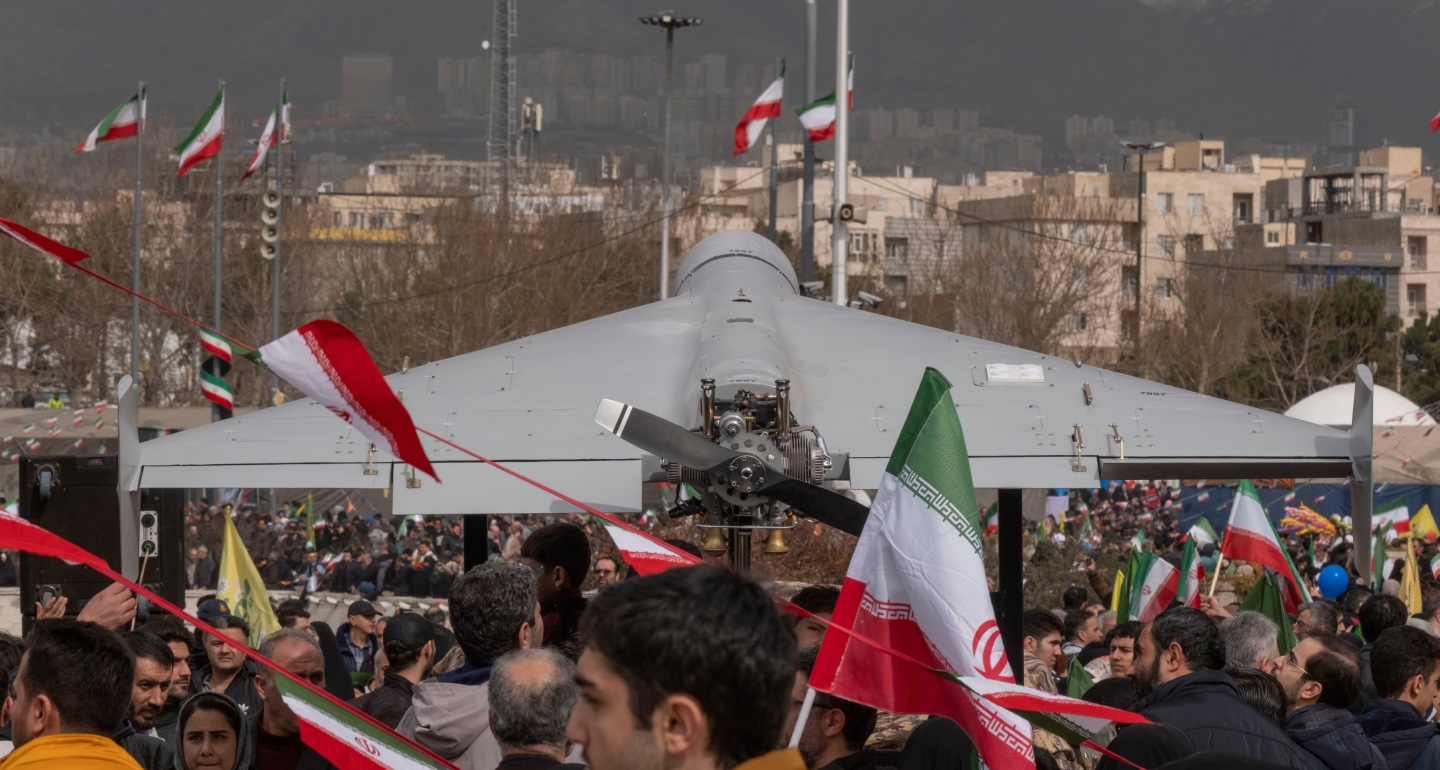
The Russian leadership wants to avoid a dangerous precedent in which it is squeezed out of Iran by the United States and Israel—and left powerless to respond in any meaningful way.
Nikita Smagin
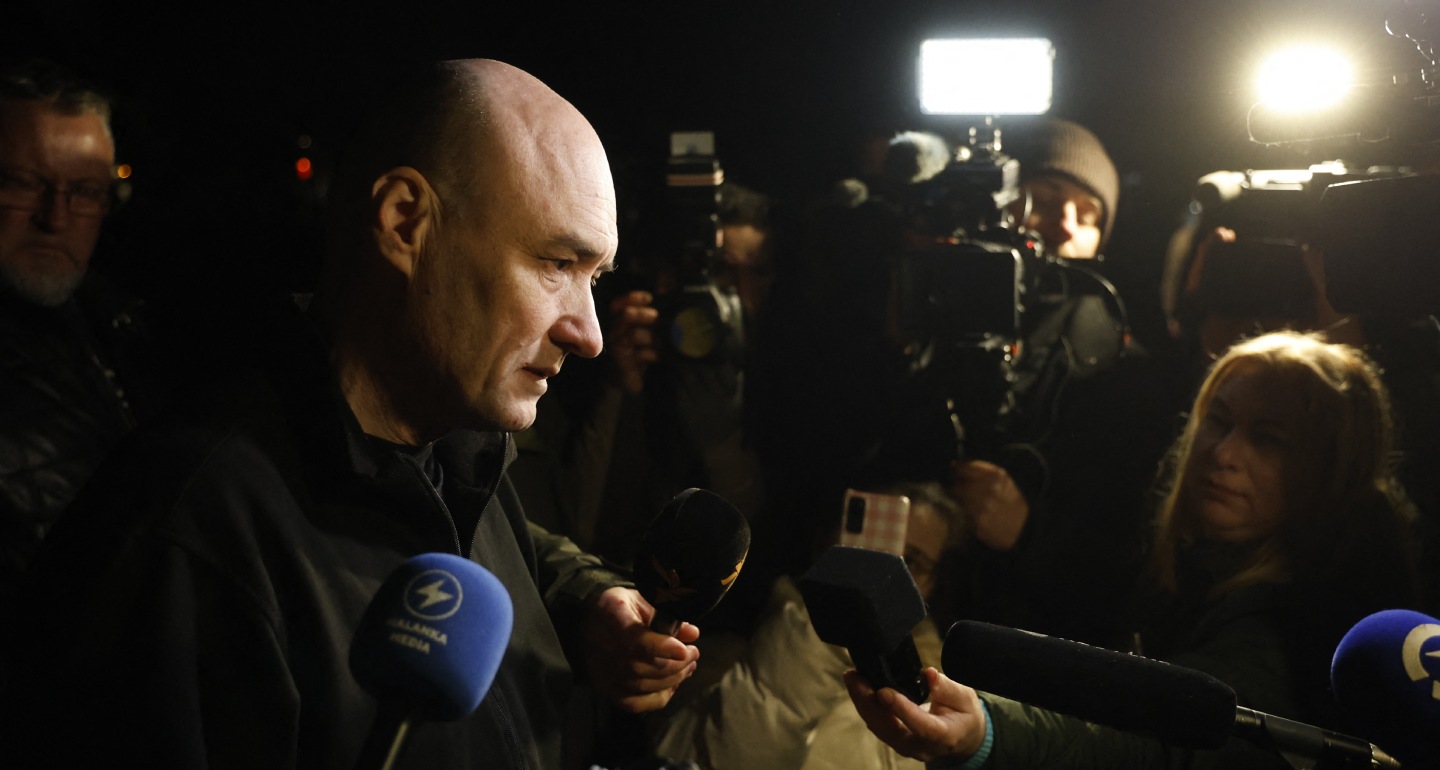
Lukashenko is willing to make big sacrifices for an invitation to Mar-a-Lago or the White House. He also knows that the clock is ticking: he must squeeze as much out of the Trump administration as he can before congressional elections in November leave Trump hamstrung or distracted.

Artyom Shraibman