

Commentary
The current U.S. indifference to human rights means Astana no longer has any incentive to refuse extradition requests from its authoritarian neighbors—including Russia.
Temur Umarov
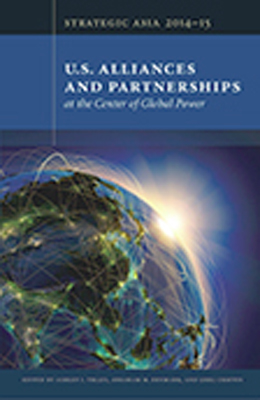
This book analyzes the structure and impact of U.S. relations with Pacific countries on regional stability, both bilaterally and multilaterally.
Source: National Bureau of Asian Research
Co-edited and introduced by Ashley J. Tellis, the 2014-15 Strategic Asia< volume examines the trajectories of U.S. alliance and partner relationships in the Indo-Pacific in light of the region’s shifting strategic landscape. Leading experts provide comprehensive assessments of the current state of the United States' relations with its five treaty allies, as well as with emerging "strategic partners" in Asia, and draw implications for U.S. policy.
Order this book, or read the introduction by Ashley J. Tellis for free.
Ashley J. Tellis is a Senior Associate at the Carnegie Endowment for International Peace and Research Director of the Strategic Asia Program at NBR, served in the U.S. Department of State as senior adviser to the Undersecretary of State of Public Affairs, and previously as senior adviser to the Ambassador at the U.S. Embassy in India. He also served on the National Security Council Staff as special assistant to the President and senior director for Strategic Planning and Southwest Asia. He is the author of India’s Emerging Nuclear Posture (2001) and co-author of Interpreting China’s Grand Strategy: Past, Present, and Future (2000), as well as the co-editor of the ten most recent volumes of Strategic Asia, published by NBR.
Abraham Denmark is Vice President for Political and Security Affairs at the National Bureau of Asian Research.
Greg Chaffin is a Project Manager with the Political and Security Affairs group at the National Bureau of Asian Research.
Former Senior Fellow
Ashley J. Tellis was a senior fellow at the Carnegie Endowment for International Peace.
Abraham M. Denmark
National Bureau of Asian Research
Greg Chaffin
Carnegie does not take institutional positions on public policy issues; the views represented herein are those of the author(s) and do not necessarily reflect the views of Carnegie, its staff, or its trustees.

The current U.S. indifference to human rights means Astana no longer has any incentive to refuse extradition requests from its authoritarian neighbors—including Russia.

Temur Umarov

Most of Moscow’s military resources are tied up in Ukraine, while Beijing’s foreign policy prioritizes economic ties and avoids direct conflict.

Alexander Gabuev, Temur Umarov
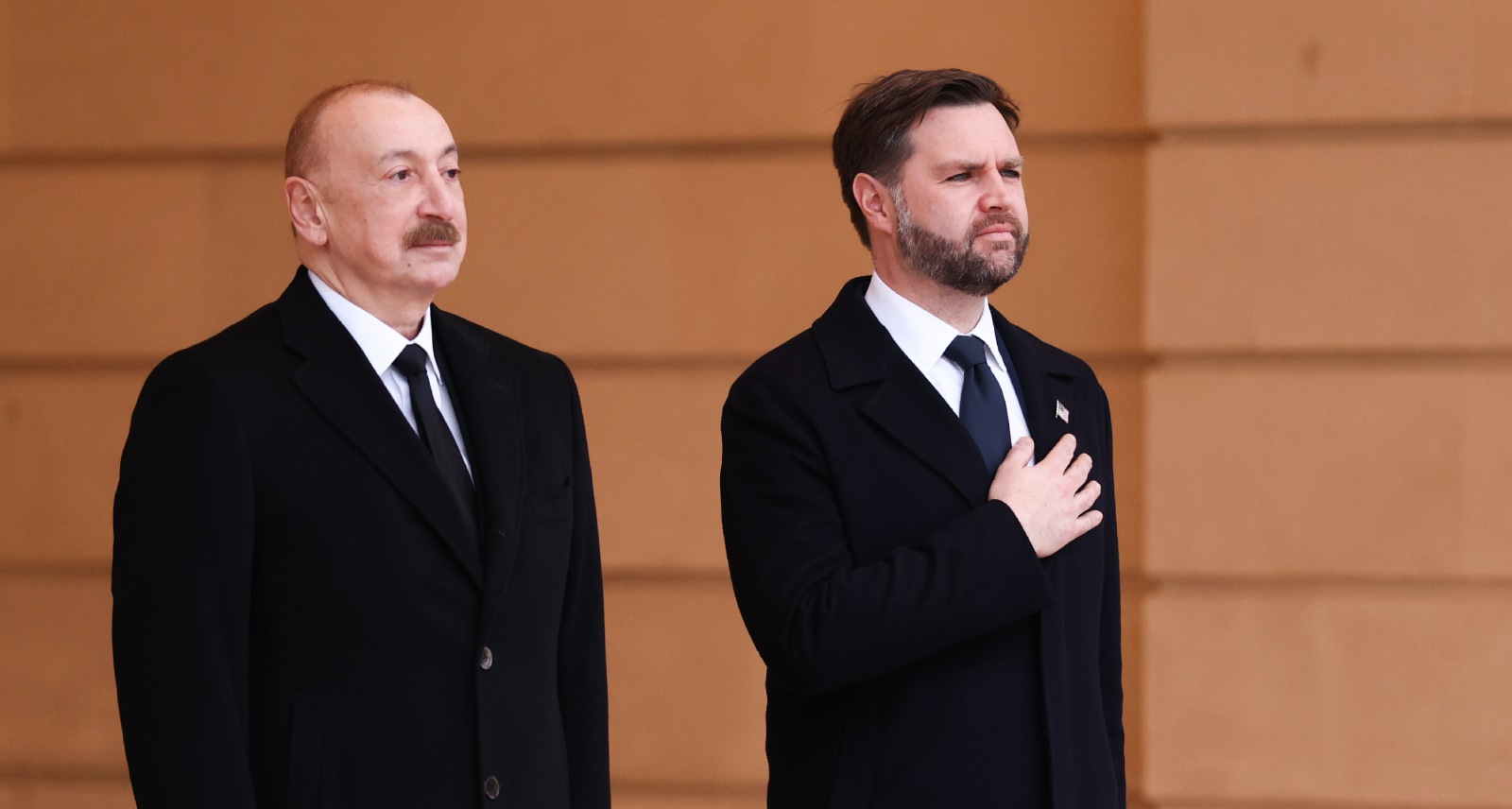
With the White House only interested in economic dealmaking, Georgia finds itself eclipsed by what Armenia and Azerbaijan can offer.

Bashir Kitachaev
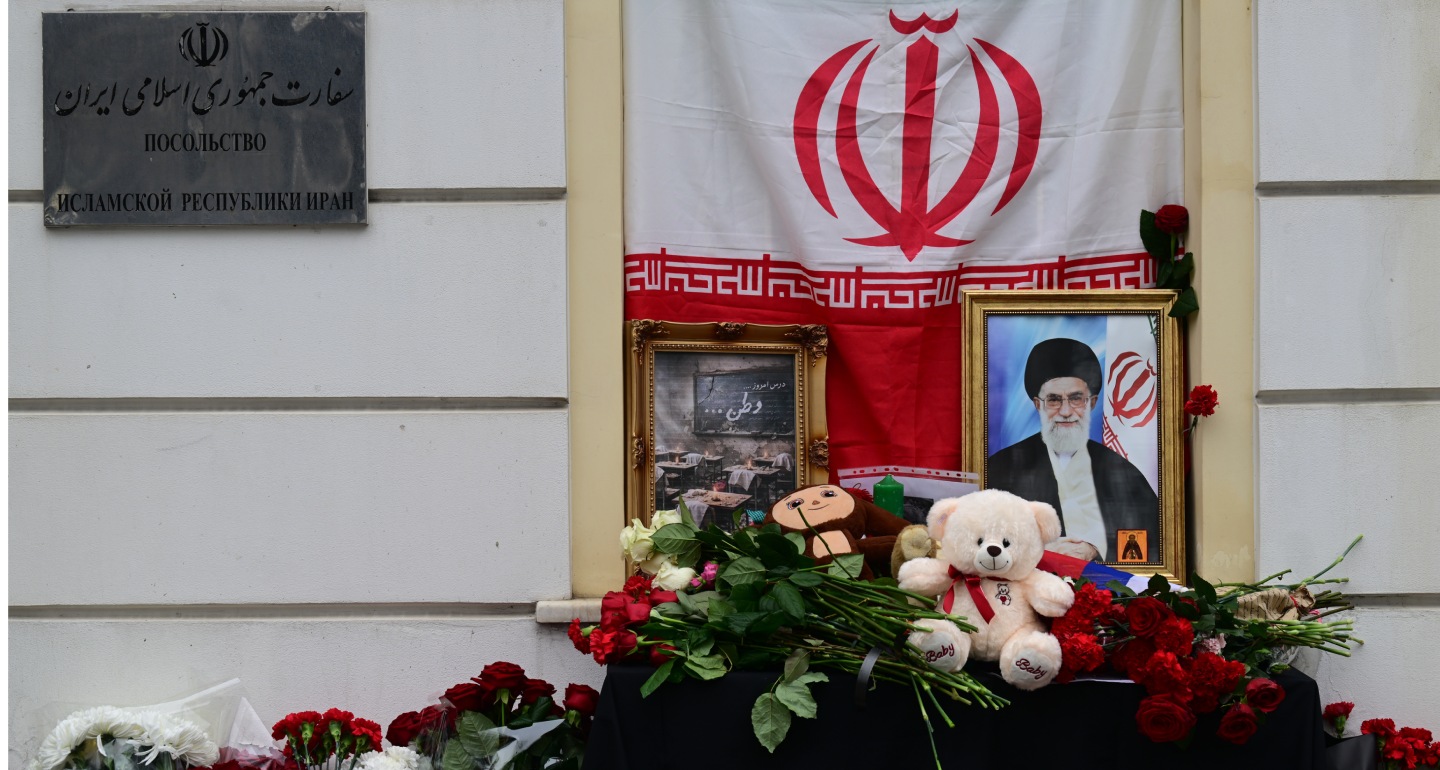
If the regime in Tehran survives, it could be obliged to hand Moscow significant political influence in exchange for supplies of weapons and humanitarian aid.

Nikita Smagin
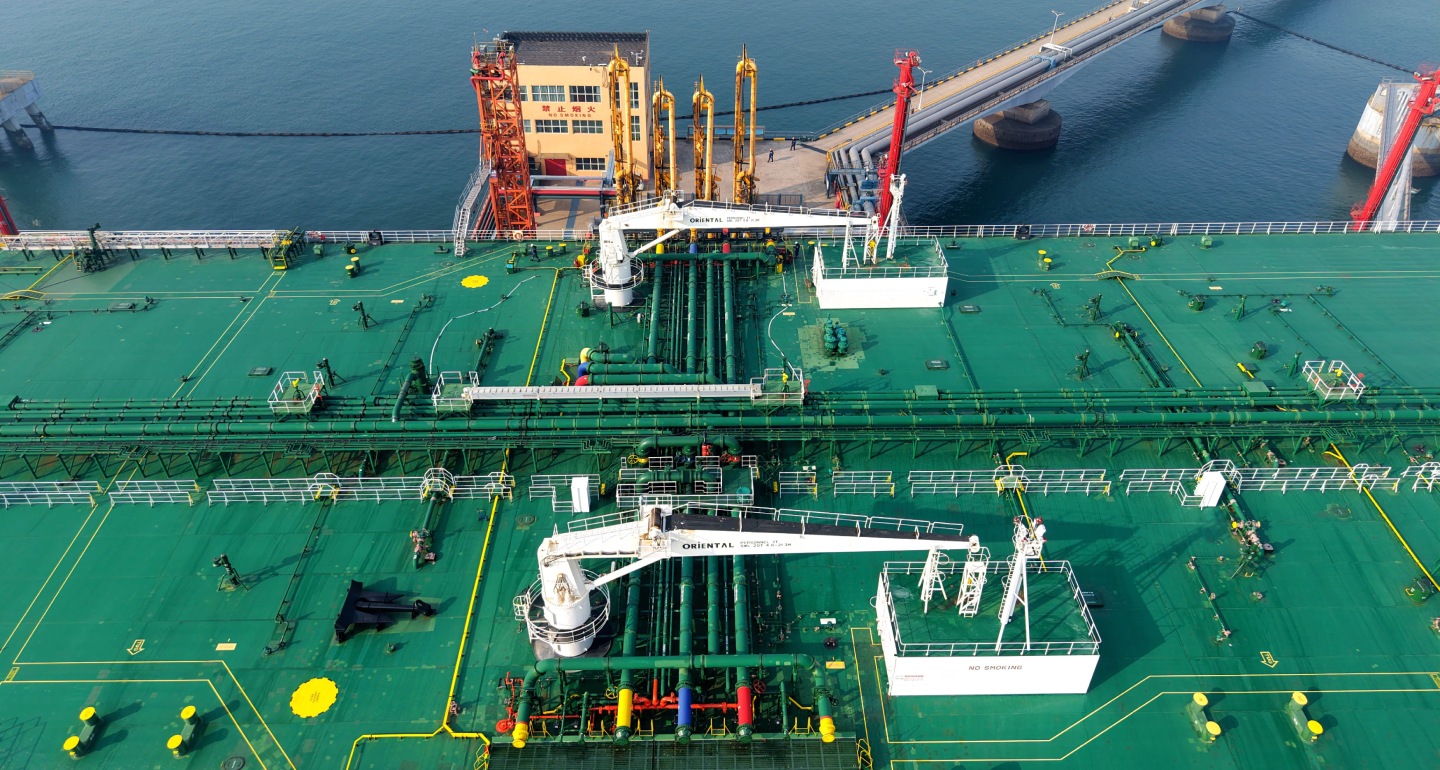
The interventions in Iran and Venezuela are in keeping with Trump’s strategy of containing China, but also strengthen Russia’s position.

Mikhail Korostikov