

Commentary
If it proves impossible for the Russian authorities to avoid a gasoline deficit, the question then becomes how they will organize the distribution of a scarce resource.
Sergey Vakulenko
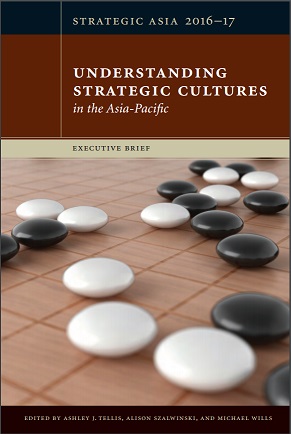
This book examines how the region’s major political powers view international politics and the use of military force.
Source: National Bureau of Asian Research
Co-edited and introduced by Ashley J. Tellis, Strategic Asia 2016-17: Understanding Strategic Cultures in the Asia-Pacific examines how the region's major powers view international politics and the use of military force. In each chapter, a leading expert analyzes the ideological and historical sources of a country's strategic culture, how strategic culture informs the thinking of the country's policymakers, and how these understandings lead to decisions about the pursuit of strategic objectives and national power.
Order this book, or read the introduction by Ashley J. Tellis for free.
Ashley J. Tellis is a senior associate at the Carnegie Endowment for International Peace and research director of the Strategic Asia Program at the National Bureau of Asian Research (NBR).
Alison Szalwinski is assistant director for political and security affairs at NBR.
Michael Wills is senior vice president of research and operations at NBR.
Former Senior Fellow
Ashley J. Tellis was a senior fellow at the Carnegie Endowment for International Peace.
Alison Szalwinski
National Bureau of Asian Research
Alison Szalwinski is assistant director for political and security affairs at NBR.
Michael Wills
National Bureau of Asian Research
Michael Wills is senior vice president for strategy and finance at NBR.
Carnegie does not take institutional positions on public policy issues; the views represented herein are those of the author(s) and do not necessarily reflect the views of Carnegie, its staff, or its trustees.
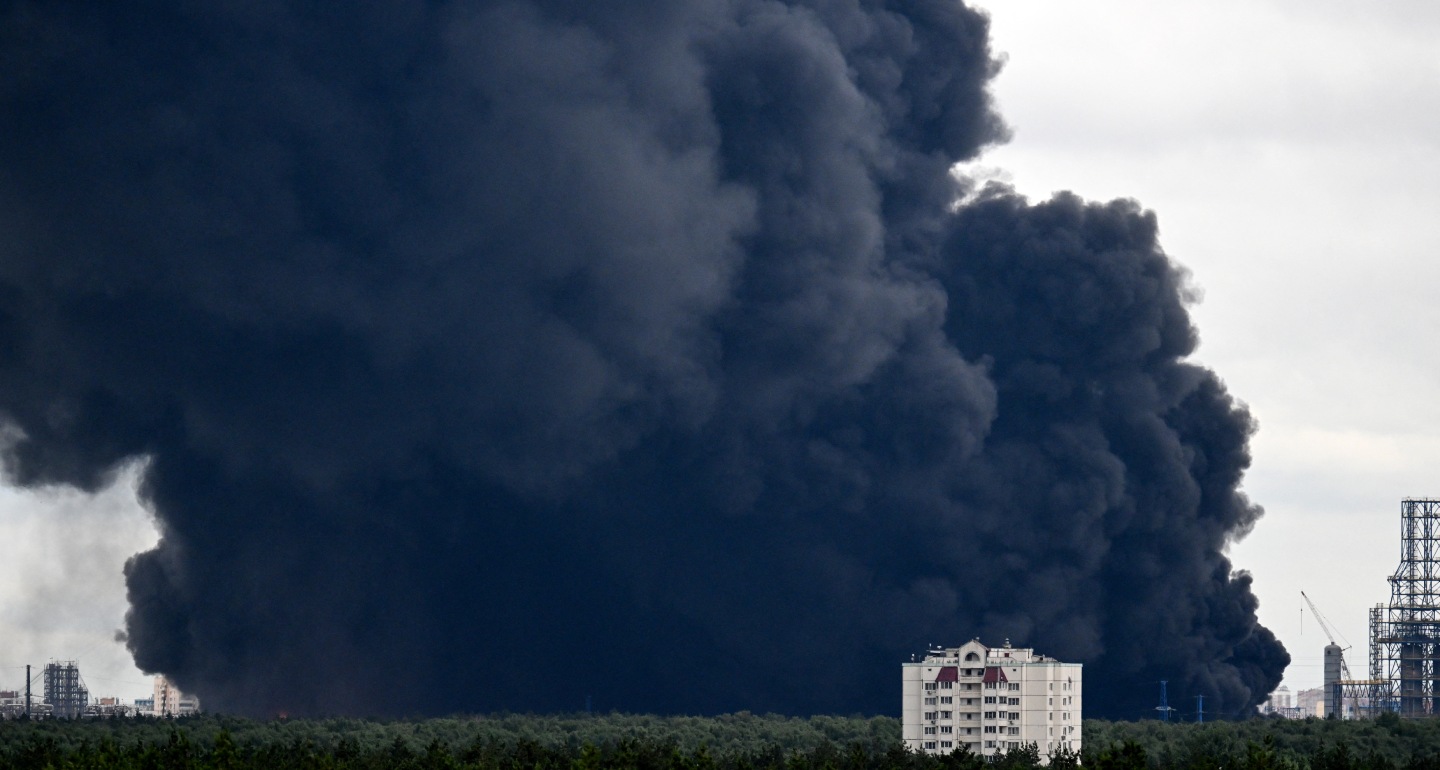
If it proves impossible for the Russian authorities to avoid a gasoline deficit, the question then becomes how they will organize the distribution of a scarce resource.

Sergey Vakulenko

This year’s wars have made alternative routes to transit through Russia no less risky for Central Asian countries.

Galiya Ibragimova
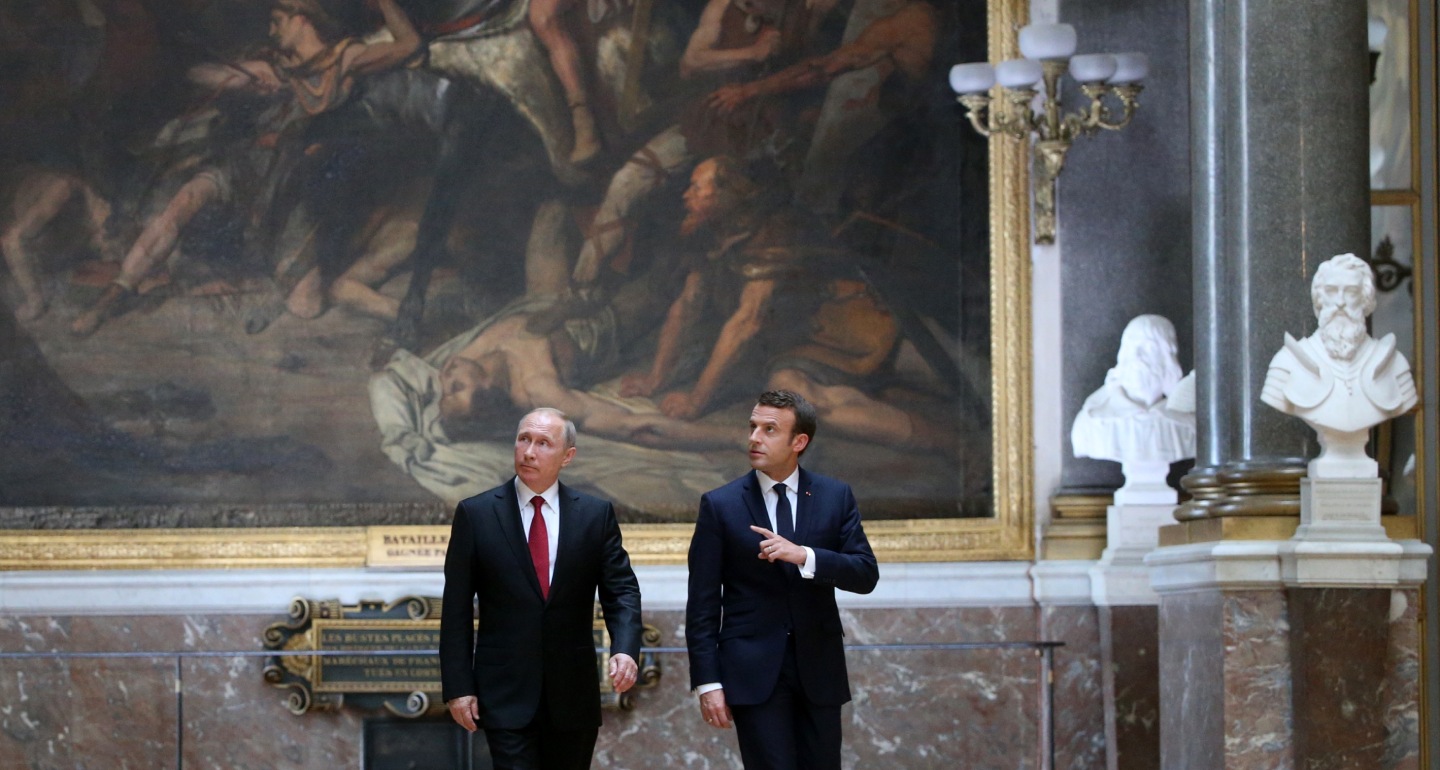
Reestablishing a dialogue with Moscow is not a goal in its own right. The goal is to guarantee the independence of Ukraine and the peace and security of Europe.
Arkady Moshes
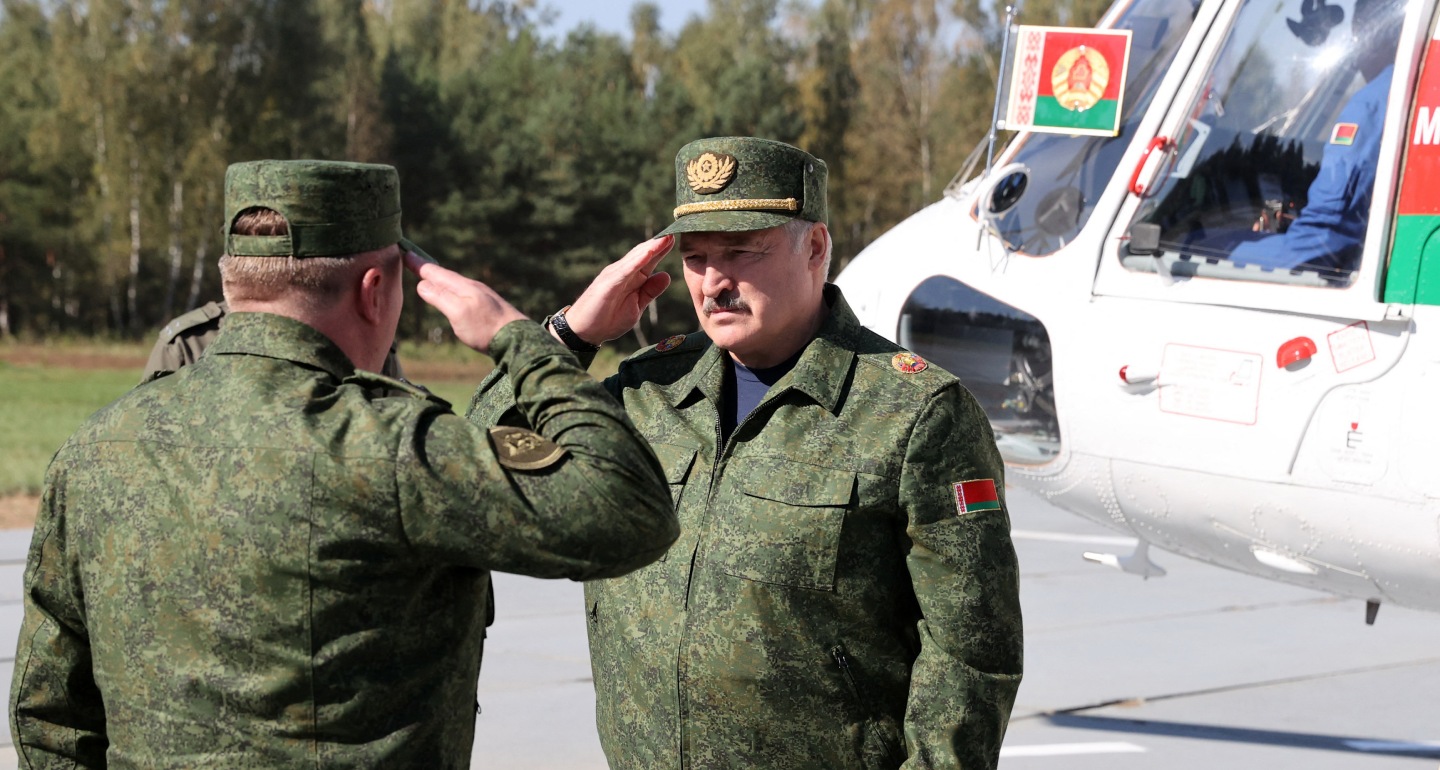
Ukraine’s increasingly confrontational posture on Belarus reflects Kyiv’s effort to shape the emerging regional order in Eastern Europe. Kyiv wants to limit European normalization with Minsk—and any future rapprochement with Russia.

Balázs Jarábik
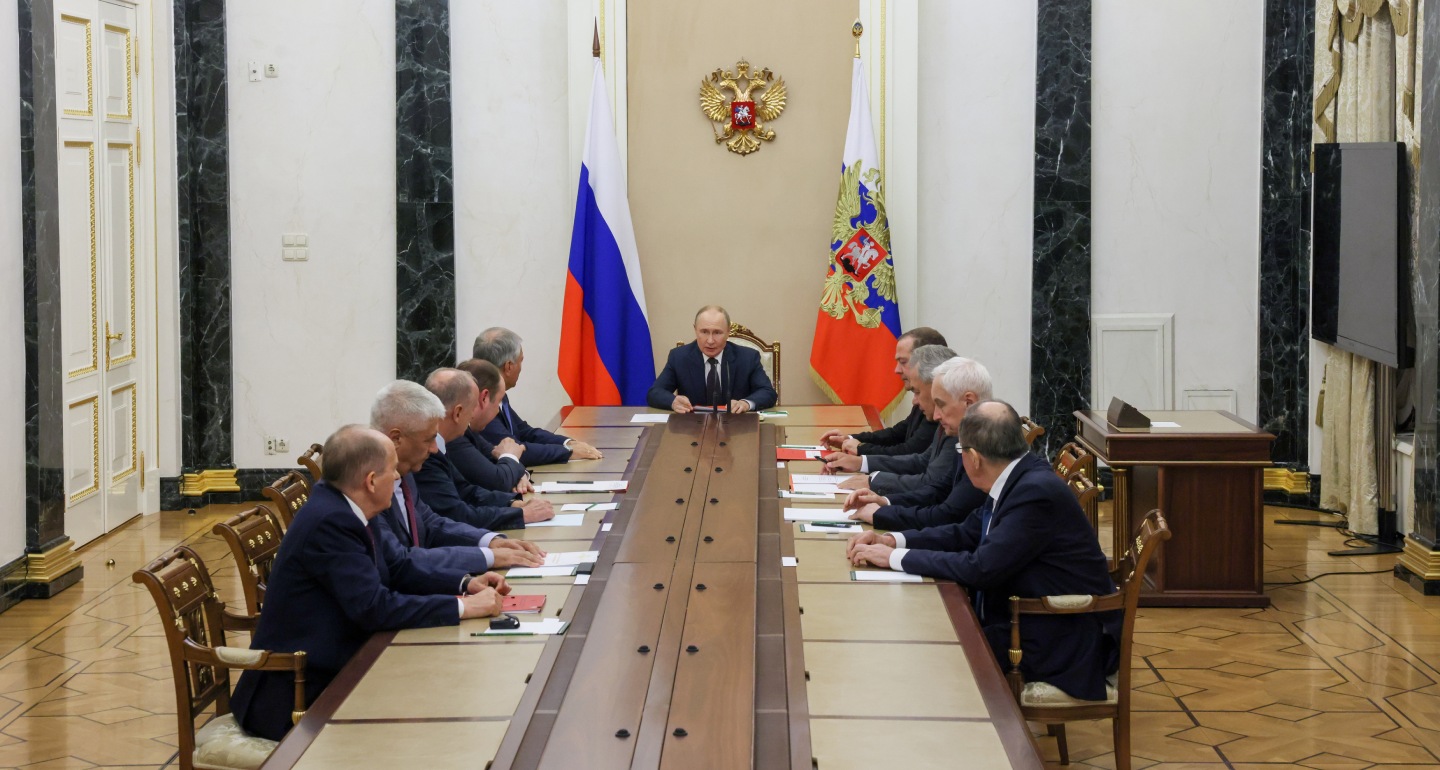
The ruling elites in contemporary Russia are not a political class, but a community of managers who are not subject to competition or public accountability. The state is becoming an operating apparatus without any internal autonomy.

Alexandra Prokopenko