• Research
  • Politika
  • About
Carnegie Russia Eurasia center logoCarnegie lettermark logo
  • Donate
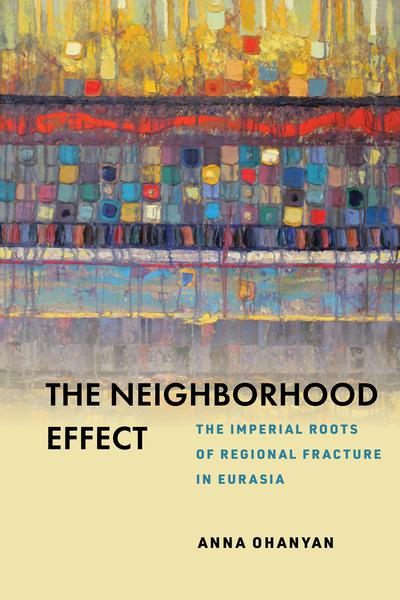
The Neighborhood Effect: The Imperial Roots of Regional Fracture in Eurasia
Book

The Neighborhood Effect: The Imperial Roots of Regional Fracture in Eurasia

Why are certain regions of the world mired in conflict? And how did some regions in Eurasia emerge from the Cold War as peaceful and resilient?
Link Copied
By Anna Ohanyan
Published on Aug 1, 2022

Additional Links

Stanford University Press

Stanford University Press

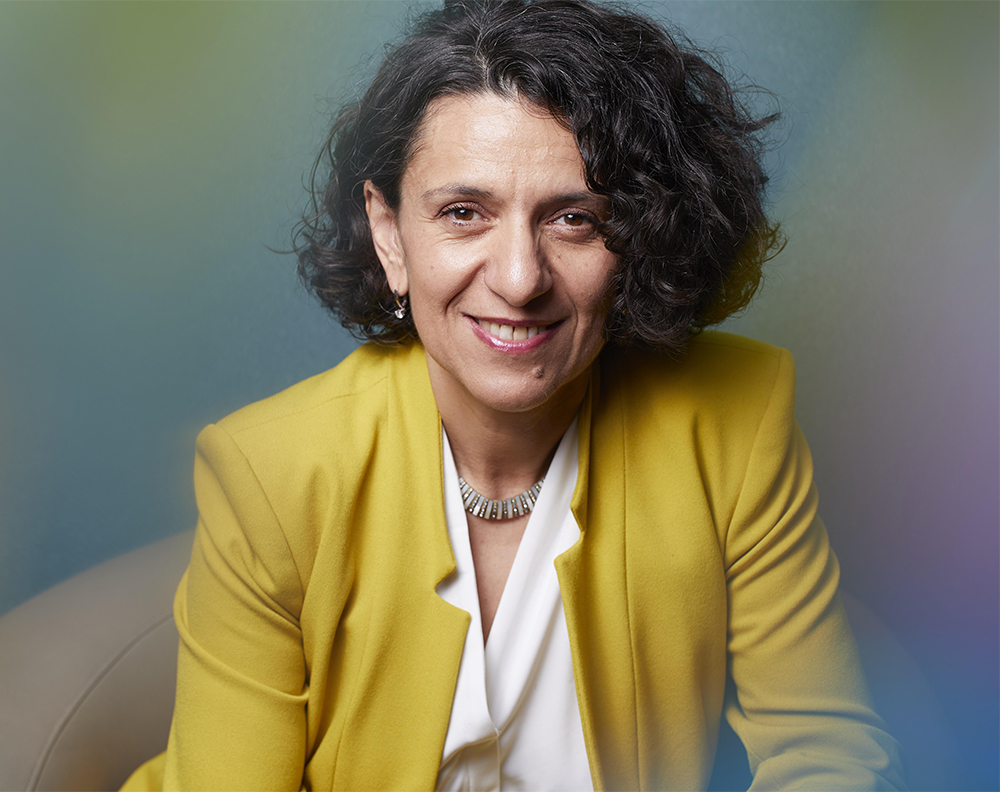
About the Author

Anna Ohanyan

Nonresident Senior Scholar, Russia and Eurasia Program

Anna Ohanyan is a nonresident senior scholar in the Carnegie Russia and Eurasia Program.

    Recent Work

  • Article
    Can Turkey Cut the Gordian Knot in the Caucasus?

      Anna Ohanyan

  • Commentary
    Is Armenia’s Move to Join the ICC a Strategic Necessity or Geopolitical Suicide?

      Anna Ohanyan

Anna Ohanyan
Nonresident Senior Scholar, Russia and Eurasia Program
Anna Ohanyan
Political ReformSecurity

Carnegie does not take institutional positions on public policy issues; the views represented herein are those of the author(s) and do not necessarily reflect the views of Carnegie, its staff, or its trustees.

More Work from Carnegie Russia Eurasia Center

  • Commentary
    Carnegie Politika
    The Afghanistan–Pakistan War Poses Awkward Questions for Russia

    Not only does the fighting jeopardize regional security, it undermines Russian attempts to promote alternatives to the Western-dominated world order.

      Ruslan Suleymanov

  • Commentary
    Carnegie Politika
    After Ilia II: What Will a New Patriarch Mean for Georgia?

    The front-runner to succeed Ilia II, Metropolitan Shio, is prone to harsh anti-Western rhetoric and frequent criticism of “liberal ideologies” that he claims threaten the Georgian state. This raises fears that under his leadership the Georgian Orthodox Church will lose its unifying role and become an instrument of ultraconservative ideology.

      Bashir Kitachaev

  • Commentary
    Carnegie Politika
    Tokayev’s New Constitution Is a Bet on Stability—At Freedom’s Expense

    Kazakhstan’s new constitution is an embodiment of the ruling elite’s fears and a self-serving attempt to preserve the status quo while they still can.

      Serik Beysembaev

  • Commentary
    Carnegie Politika
    Why Has Kazakhstan Started Deporting Political Activists?

    The current U.S. indifference to human rights means Astana no longer has any incentive to refuse extradition requests from its authoritarian neighbors—including Russia.

      Temur Umarov

  • Commentary
    Carnegie Politika
    Why Are China and Russia Not Rushing to Help Iran?

    Most of Moscow’s military resources are tied up in Ukraine, while Beijing’s foreign policy prioritizes economic ties and avoids direct conflict.   

      • Alexander Gabuev

      Alexander Gabuev, Temur Umarov

Get more news and analysis from
Carnegie Russia Eurasia Center
Carnegie Russia Eurasia logo, white
  • Research
  • Politika
  • About
  • Experts
  • Events
  • Contact
  • Privacy
  • For Media
Get more news and analysis from
Carnegie Russia Eurasia Center
© 2026 Carnegie Endowment for International Peace. All rights reserved.