

Commentary
Pashinyan’s pro-European party has been re-elected with a decisive victory. But the pro-Russian opposition could still slow Armenia’s progress toward peace with Azerbaijan and rapprochement with Europe.
Mikayel Zolyan
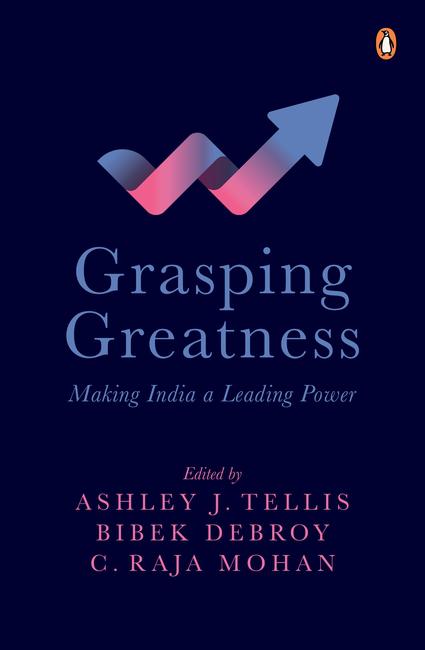
Since its independence in 1947, India’s leaders have sought to grasp the greatness that the country seemed destined for.
Source: India Viking
Since its independence in 1947, India’s leaders have sought to grasp the greatness that the country seemed destined for. India’s first prime minister, Jawaharlal Nehru, articulated these aspirations early on but, overwhelmed by development challenges, his successors focused largely on domestic concerns rather than on global leadership. The post-1991 era saw India positioned for the first time in many decades as an economic success, suggesting that it was on the cusp of breaking out as a global player.
The twenty-odd years following the 1991 reforms were heady for India. Based on the expectation that India was now poised to ascend as a major power, Prime Minister Narendra Modi—less than a year after he first took office in May 2014—expressed his desire that India assume a leading role: completing the transformation from being merely an influential entity into one whose weight and preferences are defining for international politics.
Grasping Greatness explores the various tasks pertaining to this push for eminence in world affairs. It elaborates the economic, state-building, and international dimensions of this ambition. Eminent thinkers like Rakesh Mohan, Ila Patnaik, Surjit Bhalla, Arjun Subramanian, and others reflect upon the tasks at hand and the desirable routes to achieve them.
Edited by Ashley J. Tellis, Bibek Debroy and C. Raja Mohan, Grasping Greatness is an important contribution to the intellectual debates as India enters into a new era on the world stage.
Read the introduction by Ashley J. Tellis for free


‘Edited by three of today’s finest India scholars, Grasping Greatness compiles a compelling selection of contributions by distinguished historians, economists, and political scientists, all seeking to define India’s place in a world of great opportunity and immense challenge. These erudite and incisive essays leave much to reflect upon for those of us who care about India and wish her success on the global stage. An invaluable contribution to India’s international discourse.’
— Dr. Shashi Tharoor, Member of Parliament for Thiruvananthapuram (Lok Sabha) Chairman of the Parliamentary Standing Committee on Information Technology
‘With India becoming the fifth largest economy in the world and well on its way to becoming the third largest, Grasping Greatness could not have come at a more opportune moment. Authored by leading scholars of India in economics, politics and international relations, the essays in this volume chalk out the path to greatness India seeks and is, indeed, its destiny. All who want to be a part of this exciting journey of the nation can scarcely afford to miss out on them.’
— Arvind Panagariya, J. Bhagwati Professor for Indian Political Economy, Columbia University
Grasping Greatness: Making India a Leading Power
Ashley J. Tellis
Moving India to a New Growth Trajectory: Need for a Comprehensive Big Push
Rakesh Mohan
Savings and Capital Formation in India
Ila Patnaik and Radhika Pandey
Labour Productivity and Economic Growth in India
Surjit S. Bhalla and Tirthatanmoy Das
Leading Through Innovation and Productivity Growth: Policy Challenges for India
Rakesh Basant
India as a Leading Power: Enhancing External Openness to Sustain Higher Growth
Pravin Krishna
Is the Indian State Set Up for Power Maximization?
Rajesh Rajagopalan
Government of India 2.0: Reimagining a New Institutional Look of the Government for a New India
Bibek Debroy and Kishore Desai
Leading Ideas: A Retrospective
Rahul Sagar
Building Foreign Relations for Great Power Capabilities
Rohan Mukherjee
Pushing Boundaries: Can the Indian Military Transform?
Arjun Subramaniam
In the Midst of a Transformation: Reforming Defence for Increased Military Effectiveness
Anit Mukherjee
India’s World: Changing the Terms of Engagement
C. Raja Mohan
Former Senior Fellow
Ashley J. Tellis was a senior fellow at the Carnegie Endowment for International Peace.
Bibek Debroy
Former Nonresident Senior Fellow, Carnegie India
A leading analyst of India’s foreign policy, Mohan is also an expert on South Asian security, great-power relations in Asia, and arms control.
Carnegie does not take institutional positions on public policy issues; the views represented herein are those of the author(s) and do not necessarily reflect the views of Carnegie, its staff, or its trustees.

Pashinyan’s pro-European party has been re-elected with a decisive victory. But the pro-Russian opposition could still slow Armenia’s progress toward peace with Azerbaijan and rapprochement with Europe.
Mikayel Zolyan
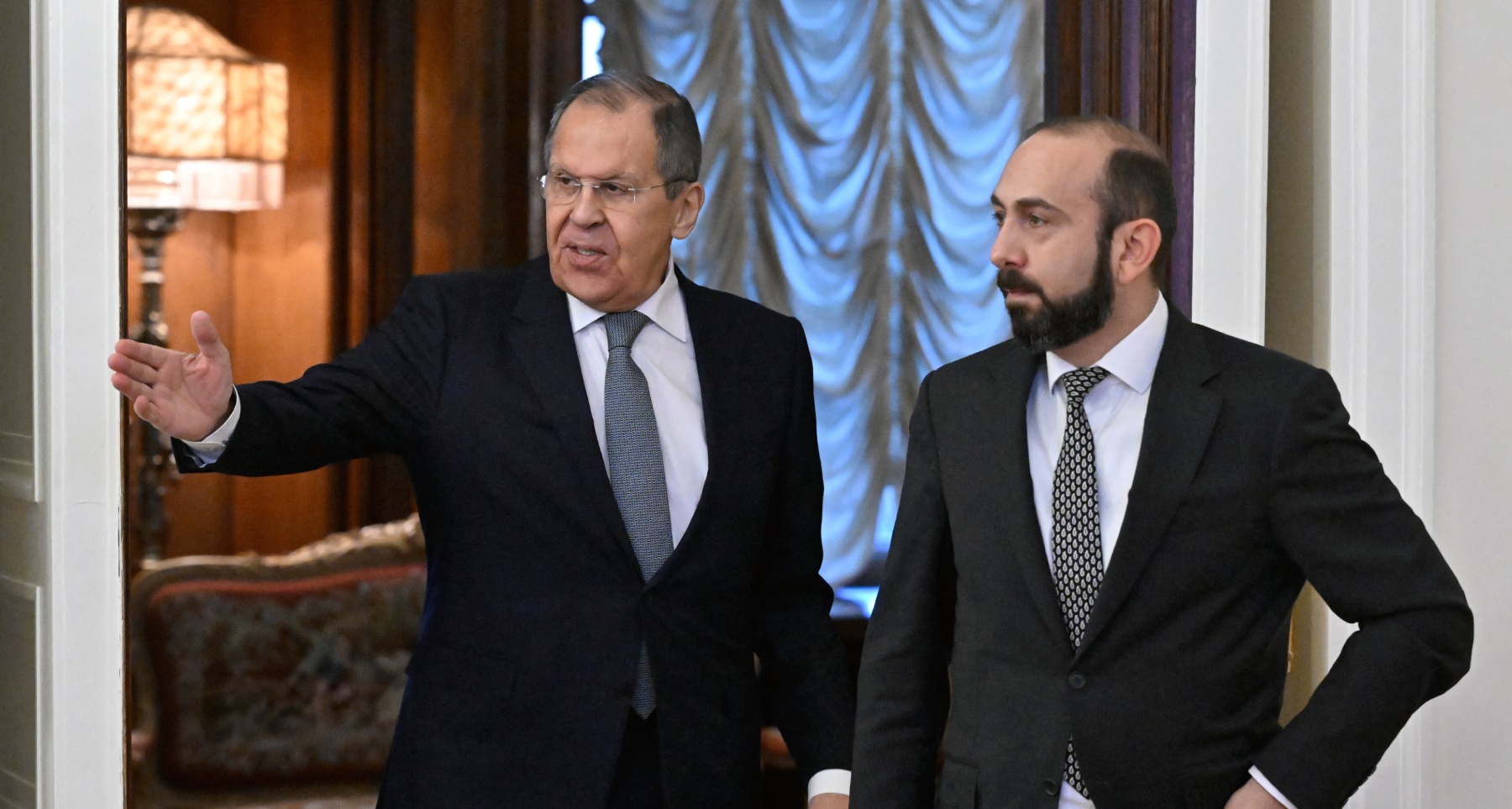
For all the menacing rhetoric, the Armenian prime minister remains a leader with whom Putin is prepared to interact: not as an ally, but as a partner, albeit a problematic one.

Alexander Atasuntsev

By fueling the arguments of both supporters and opponents of Armenian Prime Minister Nikol Pashinyan, Azerbaijan wants to ensure he is re-elected with a weaker mandate.

Bashir Kitachaev
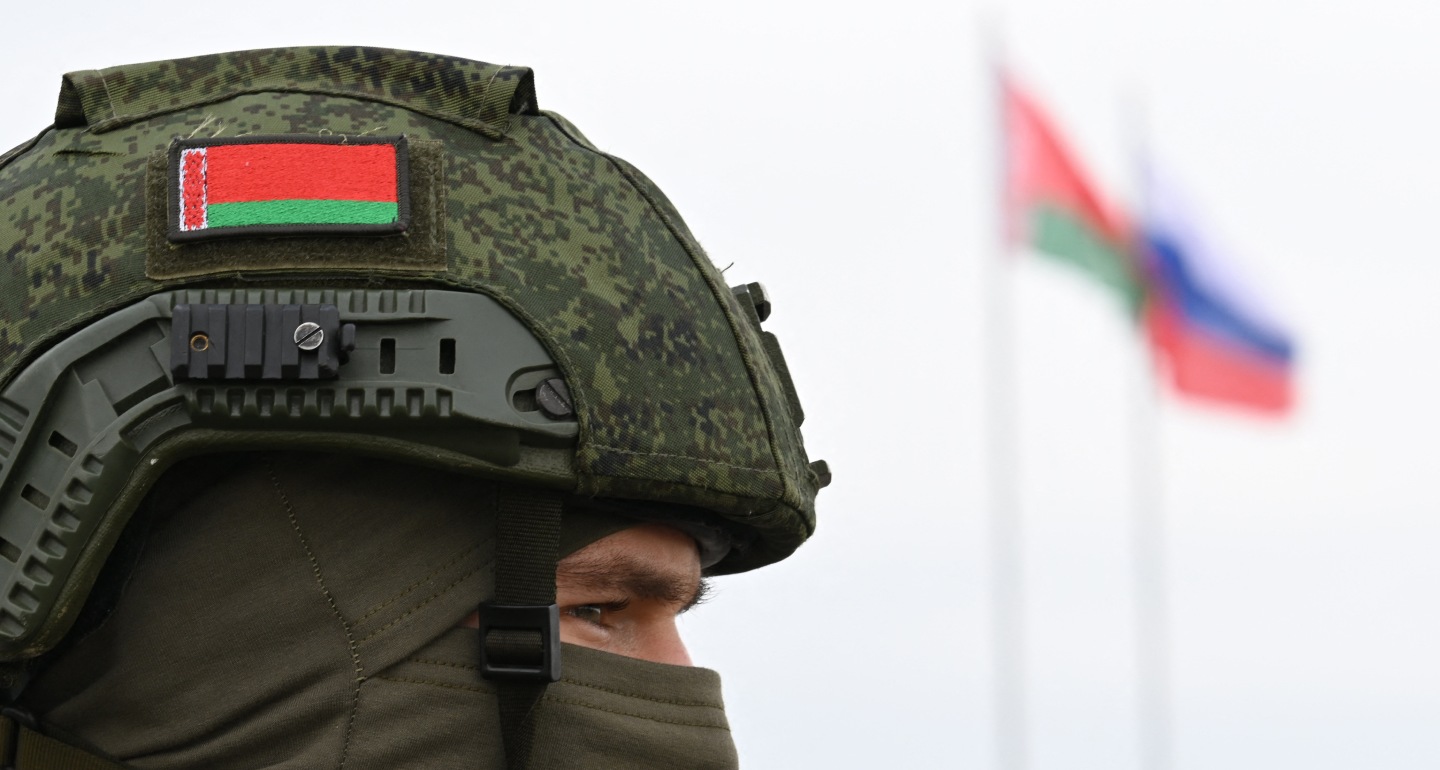
By reminding the world that Lukashenko is a threat to NATO and Ukraine, Kyiv is trying to return the focus to why the Belarusian regime needs to be contained rather than rewarded.

Artyom Shraibman

The demands of the Kremlin’s war in Ukraine, demographic problems, and public hostility toward Central Asians mean Russia does not have enough workers.
Salavat Abylkalikov