

Commentary
Richard Youngs

How the European Union has responded to moments of democratic opportunity and how it could seize their potential more fully in the future.

Senior Fellow, Democracy, Conflict, and Governance Program
Richard Youngs is a senior fellow in the Democracy, Conflict, and Governance Program, based at Carnegie Europe. He works on EU foreign policy and on issues of international democracy.
Recent Work
Richard Youngs


Richard Youngs, ed., Elena Viudes Egea, Zselyke Csaky, …
Carnegie does not take institutional positions on public policy issues; the views represented herein are those of the author(s) and do not necessarily reflect the views of Carnegie, its staff, or its trustees.
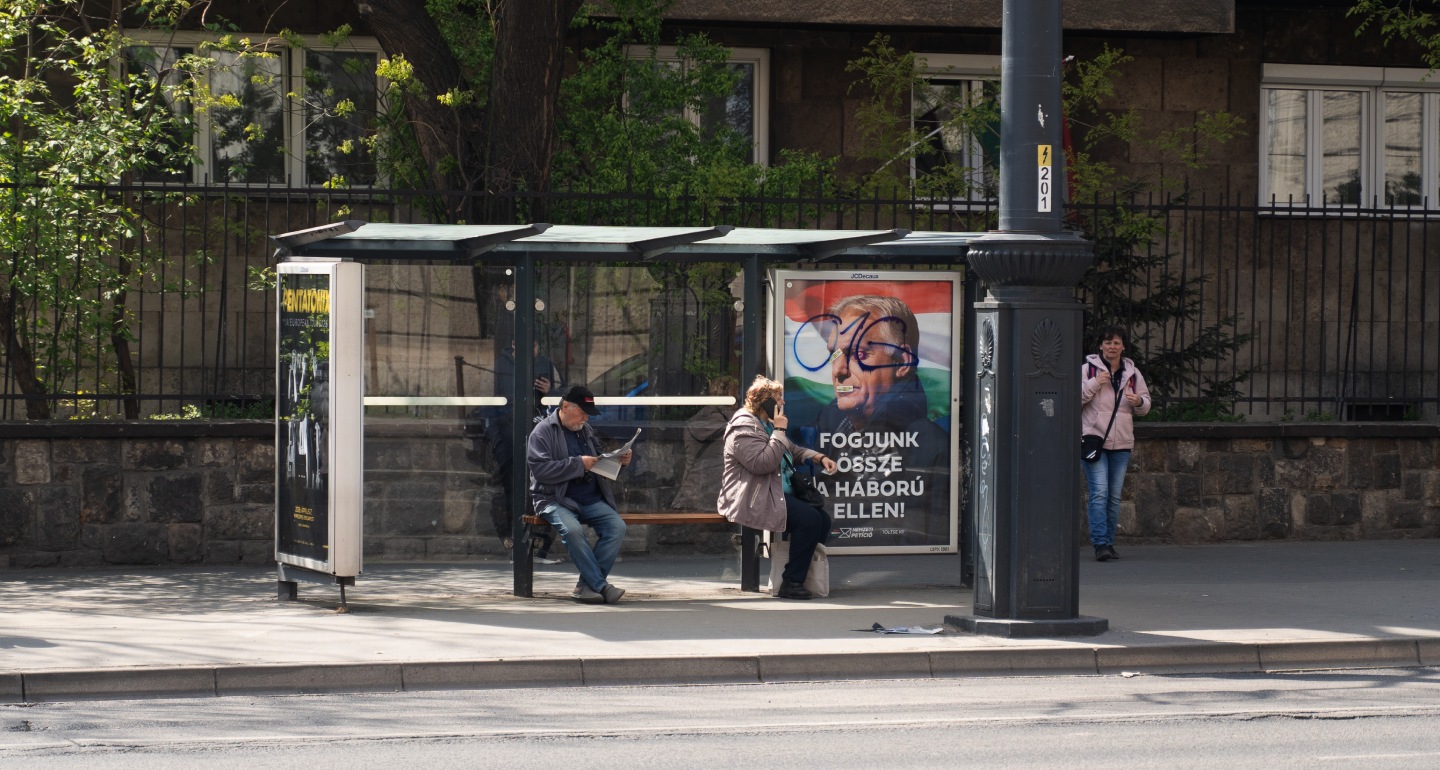
Orbán created an image for himself as virtually the only opponent of aid to Ukraine in the entire EU. But in reality, he was simply willing to use his veto to absorb all the backlash, allowing other opponents to remain in the shadows.
Maksim Samorukov

Central Asia’s digital ambitions are achievable, but only if policy is aligned with the region’s physical constraints.

Aruzhan Meirkhanova

Not only does the fighting jeopardize regional security, it undermines Russian attempts to promote alternatives to the Western-dominated world order.
Ruslan Suleymanov
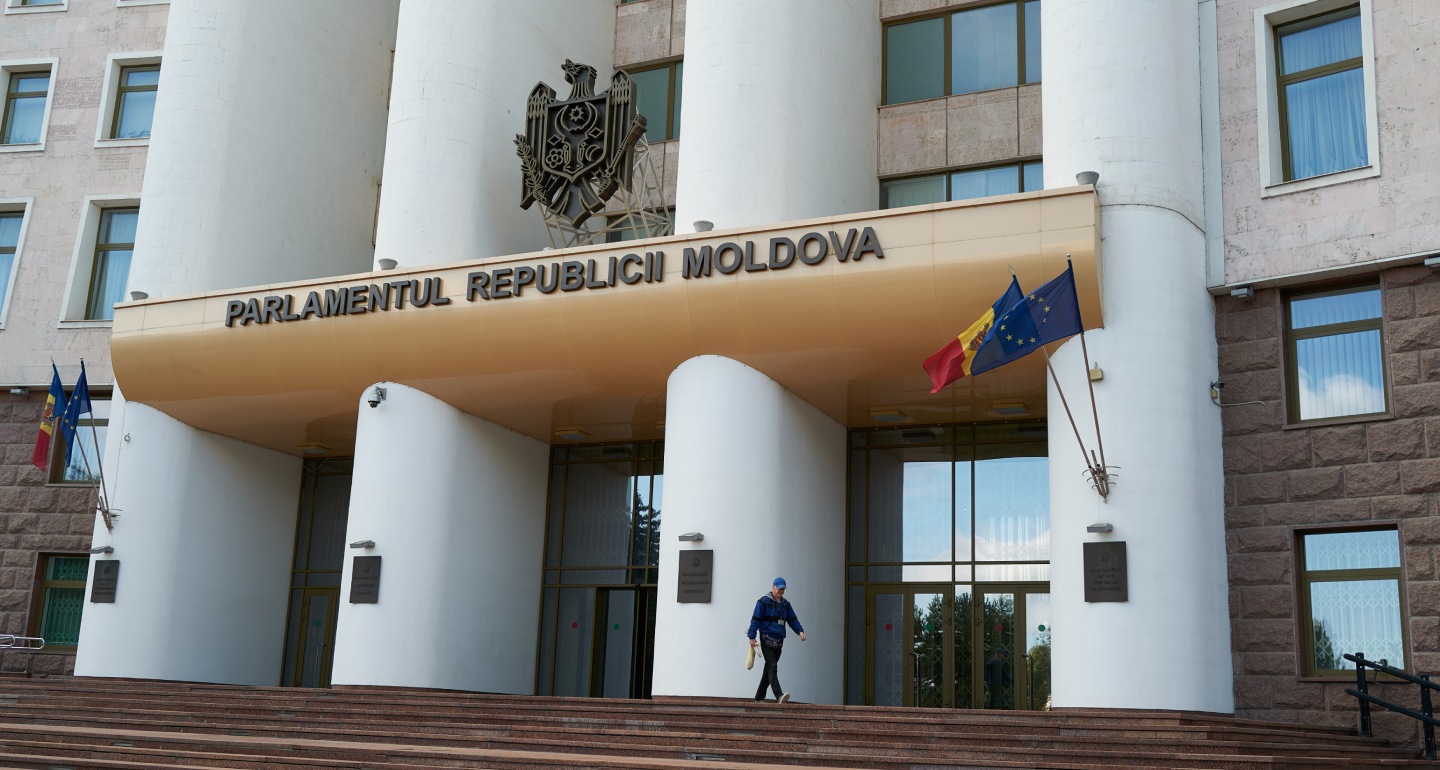
Moldova’s reintegration plan was drawn up to demonstrate to Brussels that Chișinău is serious about the Transnistria issue—and to get the West to react.
Vladimir Solovyov
Lukashenko is willing to make big sacrifices for an invitation to Mar-a-Lago or the White House. He also knows that the clock is ticking: he must squeeze as much out of the Trump administration as he can before congressional elections in November leave Trump hamstrung or distracted.

Artyom Shraibman