

تعليق
هل يمكن للغاز أن يخفف التوتر بين مصر وإسرائيل، أم أن المصالح الاقتصادية تؤجل الصدام فقط؟ يقارن المقال بين صفقة الغاز المصرية-الإسرائيلية والتجربة الألمانية-الروسية ليكشف حدود قدرة التجارة والاعتماد المتبادل على احتواء الصراع.
نورهان حفظي
{
  "authors": [
    "فرحات غوريني"
  ],
  "type": "commentary",
  "blog": "صدى",
  "centerAffiliationAll": "",
  "centers": [
    "Carnegie Endowment for International Peace"
  ],
  "collections": [],
  "englishNewsletterAll": "",
  "nonEnglishNewsletterAll": "",
  "primaryCenter": "Carnegie Endowment for International Peace",
  "programAffiliation": "",
  "programs": [],
  "projects": [],
  "regions": [
    "الشرق الأوسط",
    "السياسة التركية",
    "سورية",
    "المشرق العربي"
  ],
  "topics": [
    "الأمن"
  ]
}
المصدر: Getty
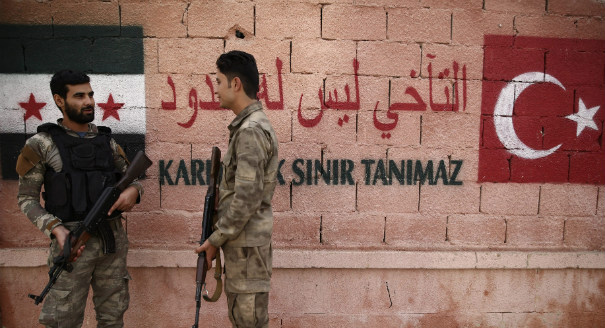
تكتيك التخويف الذي تنتهجه أنقره في عفرين وعملها على بناء الدولة في أعزاز يسلّطان الضوء على المحاولات التركية المستمرة لمنع التوسع الكردي، لكن كلَيهما غير مستدامين.
في حين كانت جميع الأنظار شاخصة إلى مخططات أنقرة في منبج، مرّ ما قامت به تركيا عبر إنشاء منطقة عازلة في أقصى غرب الفرات منذ العام 2016، مرور الكرام إلى حد كبير. لقد اعتمدت تركيا مقاربة من شقَّين في المناطق التي تُسيطر عليها راهناً في شمال سورية. ففي المناطق الشمالية الغربية التي استولت عليها في إطار عملية "غصن الزيتون"، مثل عفرين، لجأت إلى تكتيك التخويف بغية إعادة تكوين التركيبة الإثنية للمنطقة ذات الأكثرية الكردية. أما في المناطق الواقعة في الشمال الأوسط التي استولت عليها تركيا في إطار عملية "درع الفرات"، والتي تمتد من أعزاز في الغرب إلى جرابلس في الشرق، وهي منطقة ذات أكثرية عربية إنما مختلَطة إثنياً، فقد ركّزت أنقرة على تشييد البنى التحتية وإضفاء طابع شرعي على السيطرة التي تمارسها، وذلك عن طريق لجوئها إلى الدين. تسلّط هذه المقاربة الضوء على المحاولات اليائسة التي تبذلها تركيا لكبح التوسّع الكردي الذي دفع بها، في المقام الأول، إلى التدخل عسكرياً في الحرب الأهلية السورية، إلا أنها تُنذر بتجدّد التشنجات الإثنية.
في عفرين، نشطت تركيا في استخدام وسائل "الترحيل"، وتكتيكات التخويف، وتطوير شبكات المحسوبيات، بغية إعادة تكوين التركيبة الإثنية للمقاطعة ذات الأكثرية الكردية. حتى قبل سيطرة تركيا على عفرين في آذار/مارس 2018، استقطبت العملية اهتماماً عالمياً بسبب إقدام الجيش السوري الحر المدعوم من تركيا على شنّ هجمات محدودة النطاق بالغاز الكيميائي، وتدنيس جثة مقاتلة في وحدة حماية المرأة التابعة للأكراد. وبعد وصول الجيش التركي والجيش السوري الحر إلى مدينة عفرين، تصدّرت صور أعمال النهب "الواسعة النطاق والمنظَّمة"، والسرقات التي لم توفّر شيئاً بدءاً من الدراجات النارية مروراً بالماعز وصولاً إلى متاجر البقالة، الأخبار الدولية. وقد غادر ما لا يقل عن 167000 من أبناء مقاطعة عفرين الذين تُقدَّر أعدادهم بـ323000 نسمة، منازلهم وأملاكهم بعدما كانت مقاطعتهم ملاذاً آمناً للنازحين السوريين. وقد سارعت تركيا إلى ملء الفراغ الديمغرافي، عبر قيام الجيش التركي بنقل 700 عائلة سورية-عربية من الغوطة الشرقية إلى عفرين، بما في ذلك عدد من قادة الميليشيات الثورية مثل فيلق الرحمن، والذين تمكّنوا معاً من طرد قوات سورية الديمقراطية الموالية للأكراد. كذلك عهدت تركيا بملكية الأراضي المحلية والركائز الاقتصادية إلى الميليشيات العربية. فوفقاً للمرصد السوري لحقوق الإنسان، استولت الفصائل العسكرية المختلفة للجيش السوري الحر على نحو 75 في المئة من الأراضي المرزوعة بأشجار الزيتون في المقاطعة، والتي تُعتبَر قوة محرِّكة خلف الاقتصاد المحلي. على الرغم من أن الاستيلاء على الأملاك الخاصة وإعادة توزيعها خلال الاحتلال يتعارض مع القانون الدولي، إلا أن وزير الزراعة والغابات التركي بكر باكدميرلي دافع عن هذه الممارسات بالقول بأنه لولا ذلك، لوقعت الإيرادات في أيدي حزب العمال الكردستاني.
بعبارة أخرى، لقد أرست تركيا علاقة زبائنية فضفاضة حيث تُقدّم للجيش السوري الحر الأمن في مواجهة النظام السوري، والأراضي، والمساكن، والمنافع الاقتصادية مع قيود قانونية ضئيلة، في مقابل قيام الجيش السوري الحر بالقضاء على المعارضة والتطلعات الكردية في عفرين. تأمل تركيا، عبر توطين الثوّار العرب السوريين في عفرين، بإحداث تغيير دائم في التركيبة الديمغرافية للمنطقة ذات الأكثرية الكردية، بما يؤدّي إلى الحد من الفرص المتاحة أمام الأكراد لتحقيق الحكم الذاتي في سورية في مرحلة ما بعد الحرب الأهلية، ويحول دون تحوّلهم إلى عامل محفّز للأقلية الكردية الكبيرة في تركيا.
في الرواق غير الكردي بين أعزاز وجرابلس الذي استولت عليه تركيا خلال عملية "درع الفرات"، تتّبع أنقرة استراتيجية مختلفة للحفاظ على الاستقرار والسيطرة. ففي تلك المنطقة، تستثمر تركيا في مشاريع باهظة التكلفة في مجال البنى التحتية، مثل مستشفى بقيمة 17 مليون دولار في مدينة الباب، وفتح فروع سورية لعدد من الجامعات التركية. كذلك أرست تركيا درجة أكبر من سيادة القانون والمهنية البيروقراطية. ففي مدينة الباب، موّلت تركيا هيئة حاكمة مؤلّفة من 21 عضواً ويعمل لحسابها 150 موظفاً، فضلاً عن تدريب قوة شرطة من 7000 عنصر ونشرها للقيام بدوريات في رواق أعزاز-جرابلس. يتناقض ذلك تناقضاً شديداً مع الوضع في عفرين الخاضعة للسيطرة التركية، حيث يحصل الثوار على الإيرادات من أموال الفدية والاستيلاء على الأملاك الخاصة، وتتخطى أعداد المنضوين في الميليشيات الثورية أعداد عناصر الشرطة المهنيين – ما يجعل تطبيق القوانين والحقوق أكثر اعتباطية.
لكن الأبرز هو أن أنقرة تستخدم مديرية الشؤون الدينية التركية (ديانت) لتحقيق الوئام الاجتماعي في رواق أعزاز-جرابلس. فقد استعان حزب العدالة والتنمية الإسلامي بمديرية "ديانت"، أكثر مما فعل أيٌّ من أسلافه، لتحقيق السيطرة الاجتماعية والتوافق داخل البلاد ونشر الولاء له. وفي سورية، ينسجم الطابع الإسلامي للمديرية إلى حد كبير مع هوية الثوار، ويُساهم في توطيد الروابط مع المؤسسات الدينية التركية، والتي تستطيع أنقرة من خلالها ممارسة سيطرة اجتماعية على السكان. لقد وظّفت المديرية 5600 مدرِّس من صفوف الثوّار السوريين لتدريس آلاف الطلاب السوريين في إطار منهاجٍ ديني يدمج بين الفكر السنّي الحنفي والقيَم القومية التركية مع "جرعة قوية من التعاليم المناهضة للأكراد". يتماشى ذلك مع النزعات التربوية المعتمدة في تركيا، حيث ازداد عدد الطلاب في المدارس الدينية بنسبة تفوق 2100 في المئة منذ وصول حزب العدالة والتنمية إلى السلطة، من 60000 طالب في العام 2002 إلى 1300000 طالب في العام 2017 – والذين ينضم عددٌ كبير منهم إلى صفوف رجال الدين في تركيا. التعليم الديني في سورية وسيلةٌ تستخدمها أنقرة لإعداد أئمة المستقبل وقولبتهم بغية الاضطلاع بدور اجتماعي مهم في المجتمع السوري في مرحلة لاحقة.
غير أن المقاربة التي تنتهجها "ديانت" لا تقتصر فقط على الطلاب السوريين الشباب الذين لا يزالون في المدارس. فقد فرضت المديرية نفسها أيضاً، وبطريقة استراتيجية، في موقع الجهة الاقتصادية التي يُعوِّل عليها الأئمة الإسلاميون في الأراضي الخاضعة للسيطرة التركية في سورية. فمعظم الأئمة والخطباء في شمال سورية لم يتقاضوا رواتبهم منذ خروج النظام السوري من المنطقة في العام 2012، غير أن الدولة التركية تتكفّل راهناً بتسديد هذه الرواتب لهم. وهم يحصلون اليوم على راتب شهري من الدولة التركية قدره 120 إلى 150 دولاراً أميركياً، أي أكثر من ثلاثة أضعاف متوسط الراتب السوري الذي بلغ 41 دولاراً في العام 2016. من المعلوم أن الأئمة الحاصلين على الرعاية من مديرية الشؤون الدينية التركية (ديانت) والموجودين خارج الأراضي التركية يعملون على ترويج أجندة الحكومة التركية حتى في بلدانٍ مثل ألمانيا حيث لا تمتلك تركيا مصلحة سياسية كبيرة، ولذلك غالب الظن أنهم يفعلون الشيء نفسه في بلدٍ مثل سورية يتنازعه أفرقاء عديدون.
باختصار، لقد اختارت أنقرة اللجوء إلى وسائل قمعية للسيطرة على عفرين والاحتفاظ بها، في حين أنها تُفضّل اعتماد مقاربة أكثر استناداً إلى التوافق في رواق أعزاز-جرابلس، وذلك عن طريق تنفيذ مشاريع كبرى في مجال البنى التحتية المادية والدينية. إلا أنه تُطرَح علامات استفهام حول مدى قابلية هذه الاستراتيجية المزدوجة للاستدامة. فعلى الرغم من أن عملية "غصن الزيتون" أدّت إلى السيطرة على مدينة عفرين قبل نحو عام، إلا أن الجيش التركي والجيش السوري الحر لا يزالان يخوضان حرباً محدودة النطاق ضد الجيوب الخاضعة لسيطرة متمرّدي قوات سورية الديمقراطية، عبر اللجوء إلى الغارات الخاطفة بصورة أساسية. فضلاً عن ذلك، سعت تركيا عمداً، من خلال مخططاتها الإنمائية، إلى خلق خطوط تصدّع بين الأكراد والعرب وجعل الإنماء والتطوير لعبة غالبٍ ومغلوب، بما يؤدّي إلى تأليب كل فريق على الآخر. رداً على ذلك – وفي انعكاس لاستفحال التشنجات المذهبية في أوساط عدد كبير من أكراد عفرين المحرومين والمهجَّرين - حوّلت قوات سورية الديمقراطية تركيزها من انتزاع الحكم في عفرين إلى الاستهداف العنيف لقادة الجيش السوري الحر والمشاريع الإنمائية التي تتولاها تركيا. فسيطرة تركيا والجيش السوري الحر على الاقتصاد في أجواء شديدة التقلبات، في حين يفتقر عددٌ كبير من السكان إلى التمثيل والحقوق القانونية، تحمل في طياتها خطر تحويل مناخ الخوف السائد راهناً إلى نزاع إثني طويل الأمد، ومما لا شك فيه أنها أدّت منذ الآن إلى زرع بذور الاستقطاب الإثني. للمفارقة، لقد ساهمت تركيا في ظهور حلبة جديدة للمقاومة الكردية والعنف على مستوى القواعد الشعبية الكردية في مواجهة السلطات التركية، ما قد يؤدّي إلى رصّ الأكراد في سورية وتركيا صفوفهم في إطار جبهة موحّدة ضد أنقرة.
بالمثل، فإن المقاربة "القائمة على التوافق" في رواق أعزاز-جرابلس لم تحقق سوى الحد الأدنى من النجاح، مع أنها أقل عنفاً من وسائل السيطرة المستخدَمة في عفرين. إشارة إلى أن ثلثَي السكان في مدينة الباب هم لاجئون سوريون سابقون قامت أنقرة بترحيلهم بطريقة غير شرعية تحت وطأة الضغوط المتزايدة من الأتراك بغية التخفيف من العبء الذي يُلقي به اللاجئون على كاهل بلادهم. إلا أنه لا يمكن للجهود الدينية والإنمائية الضئيلة التي تبذلها تركيا أن تُعوِّض عن اليأس الذي يشعر به السوريون الذين يُرغَمون على العودة، بصورة قسرية في معظم الأحيان، إلى بلادهم التي مزّقتها الحرب، ومما لا شك فيه أنها لن تولّد الولاء للدولة التركية.
وبالأهمية نفسها، فإن استثمار أنقرة في مثل هذا المشروع المسيَّس لبناء الدولة في المدى الطويل يضعها على طرف نقيض مع النظام السوري وقد يقودها إلى النزاع معه في مرحلة لاحقة. ليس هذا ما أرادته تركيا عندما قررت التدخل في سورية، ناهيك عن أنها لا تمتلك خطة خروج واضحة.
* تُرجم هذا المقال من اللغة الإنكليزية.
فرحات غوريني محرّر شؤون الشرق الأوسط في الفصلية الدنماركية RÆSON. لمتابعته عبر تويتر FerhatGurini@
فرحات غوريني
لا تتخذ كارنيغي مواقف مؤسسية بشأن قضايا السياسة العامة؛ الآراء المعبر عنها هنا هي آراء المؤلف(ين) ولا تعكس بالضرورة آراء كارنيغي أو موظفيها أو أمنائها.
هل يمكن للغاز أن يخفف التوتر بين مصر وإسرائيل، أم أن المصالح الاقتصادية تؤجل الصدام فقط؟ يقارن المقال بين صفقة الغاز المصرية-الإسرائيلية والتجربة الألمانية-الروسية ليكشف حدود قدرة التجارة والاعتماد المتبادل على احتواء الصراع.
نورهان حفظي
هل يتجه الخليج إلى ما بعد هيمنة الدولار؟ يتناول هذا المقال توسّع الصين لاستخدام اليوان في أسواق الخليج، وما الذي يعنيه ذلك لمستقبل النظام المالي الإقليمي، ولماذا تبدو مسألة فك الارتباط بالدولار أكثر تعقيدًا مما توحي به العناوين.
أندرو بوني
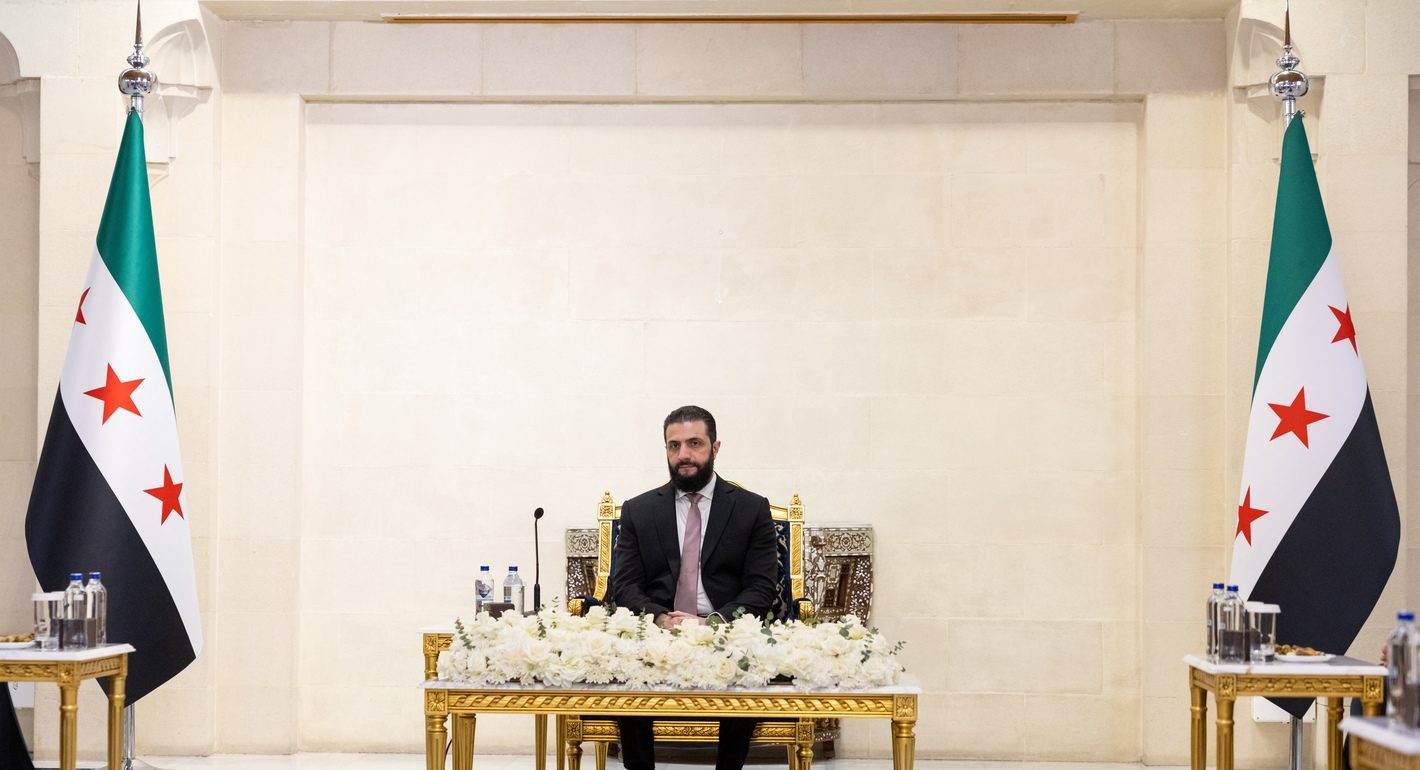
وعدت المرحلة الانتقالية في سوريا ببداية جديدة، لكن هل تعود أساليب الحكم القديمة بثوب جديد؟ يناقش هذا المقال مؤشرات ذلك وما يلزم لبناء دولة أكثر شفافية ومساءلة.
سيما بيتنجانة
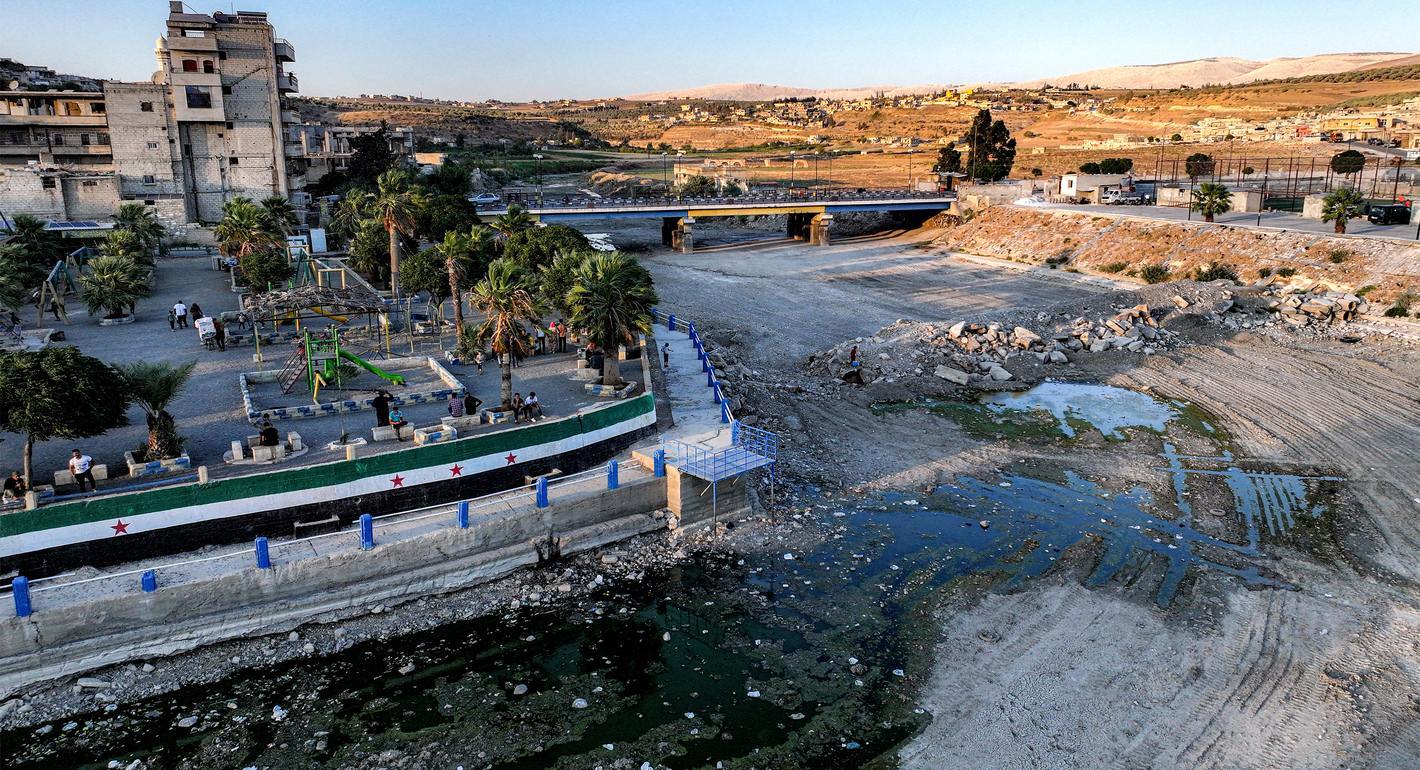
لم يعد الجفاف في سوريا أزمة موسمية عابرة. هذا التقرير يوضح كيف يفاقم تغيّر المناخ ندرة المياه ويهدد الزراعة والأمن الغذائي، وما الحلول المطروحة لتفادي الأسوأ.
ميليا اسبر
تستضيف مؤسسة كارنيغي السيناتور الديمقراطي كريس ميرفي في حوارٍ لمناقشة السياسة الأمريكية في الشرق الأوسط، محذرًا من أن الحرب على إيران خطأ استراتيجي سيدفع المنطقة والعالم نحو مزيدٍ من التصعيد.

أنجي عمر