

Other
Fiona Hill, Anatol Lieven, Thomas de Waal
{
  "authors": [
    "Anatol Lieven"
  ],
  "type": "other",
  "centerAffiliationAll": "dc",
  "centers": [
    "Carnegie Endowment for International Peace"
  ],
  "collections": [],
  "englishNewsletterAll": "ctw",
  "nonEnglishNewsletterAll": "",
  "primaryCenter": "Carnegie Endowment for International Peace",
  "programAffiliation": "russia",
  "programs": [
    "Russia and Eurasia"
  ],
  "projects": [],
  "regions": [
    "Middle East",
    "Israel"
  ],
  "topics": [
    "Security",
    "Military",
    "Foreign Policy"
  ]
}
REQUIRED IMAGE
Source: Carnegie
Like the Cold War, the war against terrorism will be a very long struggle in which ideological, political, and socioeconomic campaigns will be as important as military campaigns. Carnegie senior associate Anatol Lieven argues that, to achieve any kind of long-term success, the United States must combat not only the terrorist groups themselves, but also the wider movements that give them support and shelter. Furthermore, it is extremely important that U.S. policy makers learn the lessons of the Cold War. Above all, this means recognition of the ways in which various radical Islamist movements, like the communist movements of the past, are fueled by nationalism. Lieven writes that understanding this will help the United States to seek allies in the Muslim world and should also lead to new U.S. approaches to the Arab-Israeli peace process.
Click on link above for the full text of this Policy Brief.
About the Author
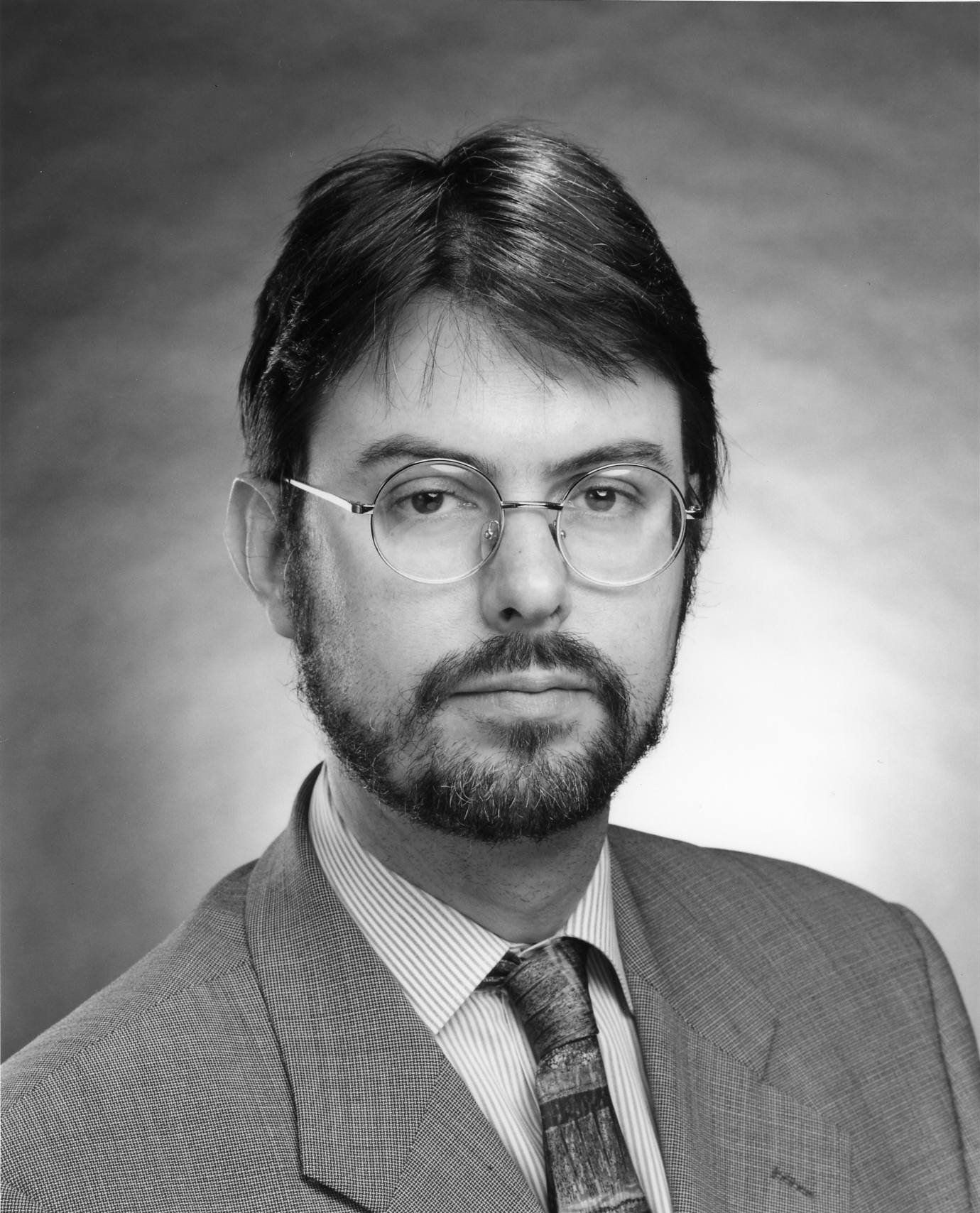
Anatol Lieven is senior associate for foreign and security policy in the Russian and Eurasian Program of the Carnegie Endowment. He was previously editor of Strategic Comments at the International Institute for Strategic Studies. Among his publications are Chechnya: Tombstone of Russian Power, The Baltic Revolution: Estonia, Latvia, Lithuania, and the Path to Independence, and Ukraine and Russia: A Fraternal Rivalry, which are largely based on his work as a correspondent for the Times of London in the former Soviet Union from 1990 to 1996. He was also correspondent for the Times in Pakistan and covered the Afghan war from the side of the anti-Soviet Mujahedin. He is also author of Soldiers Before Missiles: Meeting the Challenge from the World's Streets (Carnegie Policy Brief #4, 2001).
Former Senior Associate
Recent Work

Fiona Hill, Anatol Lieven, Thomas de Waal
Carnegie does not take institutional positions on public policy issues; the views represented herein are those of the author(s) and do not necessarily reflect the views of Carnegie, its staff, or its trustees.

But their "principal to principal" model will only be as effective as the political strength of each leader back home.

Damien Ma

U.S. unpredictability has allowed China to capitalize on its positioning as the “responsible great power”. Paradoxically, the more China wins the perception game, the more likely expectations will rise for Beijing to deliver not just words but to demonstrate with its deeds.

Chong Ja Ian

Hanoi and Beijing have long treated each other as distant cousins rather than comrades in arms. That might be changing as both sides draw closer to hedge against uncertainty and America’s erratic behavior.

Nguyễn Khắc Giang

Across Asia, China is better positioned to withstand energy shocks from the fallout of the Iran war. Its abundant coal capacity can ensure stability in the near term. Yet at the same time, the country’s energy transition away from coal will make it even less vulnerable during the next shock.
Damien Ma

Malaysia’s chairmanship sought to fend off short-term challenges while laying the groundwork for minimizing ASEAN’s longer-term exposure to external stresses.

Elina Noor