

Q&A
- +2
Judy Dempsey, Alexander Gabuev, Rose Gottemoeller, …
{
  "authors": [
    "Rose Gottemoeller"
  ],
  "type": "legacyinthemedia",
  "centerAffiliationAll": "dc",
  "centers": [
    "Carnegie Endowment for International Peace"
  ],
  "collections": [],
  "englishNewsletterAll": "ctw",
  "nonEnglishNewsletterAll": "",
  "primaryCenter": "Carnegie Endowment for International Peace",
  "programAffiliation": "russia",
  "programs": [
    "Russia and Eurasia",
    "Nuclear Policy"
  ],
  "projects": [],
  "regions": [
    "Iran",
    "Caucasus",
    "Russia"
  ],
  "topics": [
    "Foreign Policy",
    "Nuclear Policy"
  ]
}
REQUIRED IMAGE
Source: Carnegie
Breaking the Stalemate in Iran
Originally published in The New York Times on October 7, 2003. Reprinted with permission of the author.
Washington - "We never asked Russia to not build the plant at Bushehr," Secretary of State Colin Powell said last month. That's strange. When I was in the Clinton administration, we told the Russians, and more than once, not to build that nuclear power plant in Iran. When they persisted, we pushed them to narrow the scope of their cooperation. In this we succeeded.
At the United States' urging, the Russians insisted that the Iranians purchase the nuclear fuel from Russian companies and return the spent fuel to Russia for disposal. Now Russia has almost finished building a reactor at Bushehr, but because of the spent-fuel arrangement the Iranians will not be able to get material for nuclear weapons from it.
That means the Bushehr reactor is not a proliferation problem on par with the plant at Natanz, which Iran built secretly. This plant, not Bushehr, is the main problem for the International Atomic Energy Agency.
Still, Bushehr continues to be at the core of American differences with Russia over Iran. The Russians insist that they should be able to build even more reactors at Bushehr; so long as they provide fuel and carry away the spent fuel, the Russians say, there will be no danger of it being used for weapons. The Americans counter that building more reactors in Iran creates a greater potential for a weapons program.
The result is an impasse. The United States insists that Russia cease construction at Bushehr and will not move forward on other issues until Russia agrees. Impossible, say the Russians, citing the loss of a contract worth hundreds of millions of dollars.
This stalemate has prevented Moscow and Washington from working together on projects that could curtail proliferation. An example of how beneficial Russian-American cooperation could be is the Russian proposal to build an international spent-fuel storage site in the city of Krasnoyarsk in western Siberia. Utilities from around the world could send their spent nuclear fuel to Krasnoyarsk. The utilities would pay a fee for the storage; part of that money could be used to help pay for the protection of Russian nuclear facilities against theft and accident.
The project would also be a valuable tool in helping to solve crises in places other than Iran. If the Krasnoyarsk site were available, for example, Russia would be able to take the 8,000 fuel rods that the North Koreans have been using to extract plutonium for nuclear weapons and store them in a safe place.
The United States, however, is refusing to talk to Russia about any site for spent fuel, in Krasnoyarsk or elsewhere, until American concerns about the Bushehr reactor are resolved. This is counterproductive. The contours of a deal are not difficult to imagine:
Russia might agree, for the time being, to limit the project at Bushehr to a single reactor, and link continuing cooperation to Iran's willingness to work with the International Atomic Energy Agency. In particular, Iran needs to clear up questions about its nuclear program by the agency's Oct. 31 deadline. The agency's demand for additional safeguards is another necessary step, but the United States and Russia could cooperate in other areas, like monitoring the fuel services deal.
The United States, for its part, would agree that Russia has taken sufficient action to resolve concerns over the Bushehr reactor, and would move quickly to resume cooperation with Russia on nuclear issues. An international spent-fuel storage facility, like the one proposed for Krasnoyarsk, should be the first item on that agenda.
If the United States and Russia begin to work together, we could see some progress on proliferation. With nuclear crises on two continents, the United States needs every tool it can get, and it needs the cooperation of Moscow.
Rose Gottemoeller, a senior associate at the Carnegie Endowment for International Peace, was responsible for nonproliferation policy at the Department of Energy from 1997 to 2000.
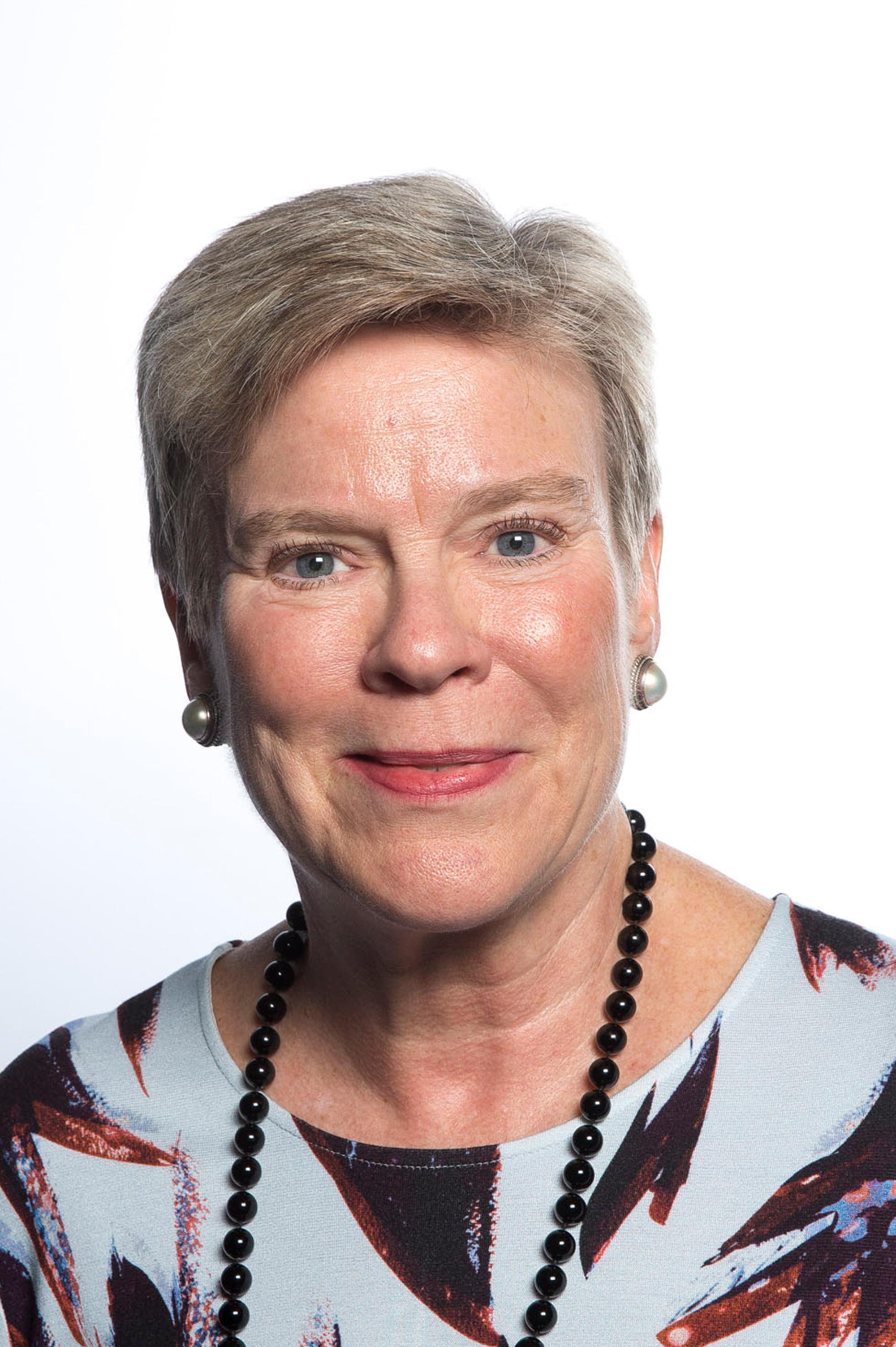
Nonresident Senior Fellow, Nuclear Policy Program
Rose Gottemoeller is a nonresident senior fellow in Carnegie’s Nuclear Policy Program. She also serves as lecturer at Stanford University’s Freeman Spogli Institute for International Studies and is a research fellow at the Hoover Institution. Ambassador Gottemoeller served as the deputy secretary general of NATO from 2016 to 2019.
Recent Work


Judy Dempsey, Alexander Gabuev, Rose Gottemoeller, …
Carnegie does not take institutional positions on public policy issues; the views represented herein are those of the author(s) and do not necessarily reflect the views of Carnegie, its staff, or its trustees.

But their "principal to principal" model will only be as effective as the political strength of each leader back home.

Damien Ma

U.S. unpredictability has allowed China to capitalize on its positioning as the “responsible great power”. Paradoxically, the more China wins the perception game, the more likely expectations will rise for Beijing to deliver not just words but to demonstrate with its deeds.

Chong Ja Ian

Hanoi and Beijing have long treated each other as distant cousins rather than comrades in arms. That might be changing as both sides draw closer to hedge against uncertainty and America’s erratic behavior.

Nguyễn Khắc Giang

Across Asia, China is better positioned to withstand energy shocks from the fallout of the Iran war. Its abundant coal capacity can ensure stability in the near term. Yet at the same time, the country’s energy transition away from coal will make it even less vulnerable during the next shock.
Damien Ma

Malaysia’s chairmanship sought to fend off short-term challenges while laying the groundwork for minimizing ASEAN’s longer-term exposure to external stresses.

Elina Noor