

Other
Anders Aslund
{
  "authors": [
    "Anders Aslund"
  ],
  "type": "legacyinthemedia",
  "centerAffiliationAll": "dc",
  "centers": [
    "Carnegie Endowment for International Peace"
  ],
  "collections": [],
  "englishNewsletterAll": "ctw",
  "nonEnglishNewsletterAll": "",
  "primaryCenter": "Carnegie Endowment for International Peace",
  "programAffiliation": "russia",
  "programs": [
    "Russia and Eurasia"
  ],
  "projects": [],
  "regions": [
    "Ukraine"
  ],
  "topics": [
    "Political Reform",
    "Economy",
    "Trade"
  ]
}
REQUIRED IMAGE
Source: The Washington Post
Ukraine's Orange Revolution was an exhilarating and joyful event. It was a classical liberal revolution for democracy and freedom and against corruption. Viktor Yushchenko became the democratically elected president, promising freedom from fear and corruption.
The biggest blow to the economy has been the new government's foggy plans for re-privatization. During the election campaign, Yushchenko advocated the renationalization of Ukraine's biggest steel mill, Kryvorizhstal, to be followed by a new privatization deal. The goal was to undo the sale of the mill to Ukraine's two biggest oligarchs in a sweetheart deal last year. The new government quickly acted to recover Kryvorizhstal, but the owners have taken the case to the European Court of Justice, where the proceedings are expected to be prolonged.

Former Senior Associate, Director, Russian and Eurasian Program
Recent Work
Anders Aslund
Anders Aslund
Carnegie does not take institutional positions on public policy issues; the views represented herein are those of the author(s) and do not necessarily reflect the views of Carnegie, its staff, or its trustees.

China’s political future will be shaped between now and next October. As the Communist Party enters its intense “campaign season” to prepare for a major political transition in 2027, reading Beijing's actions and responses may become more difficult as domestic politics weigh on its behavior more than usual.

Damien Ma
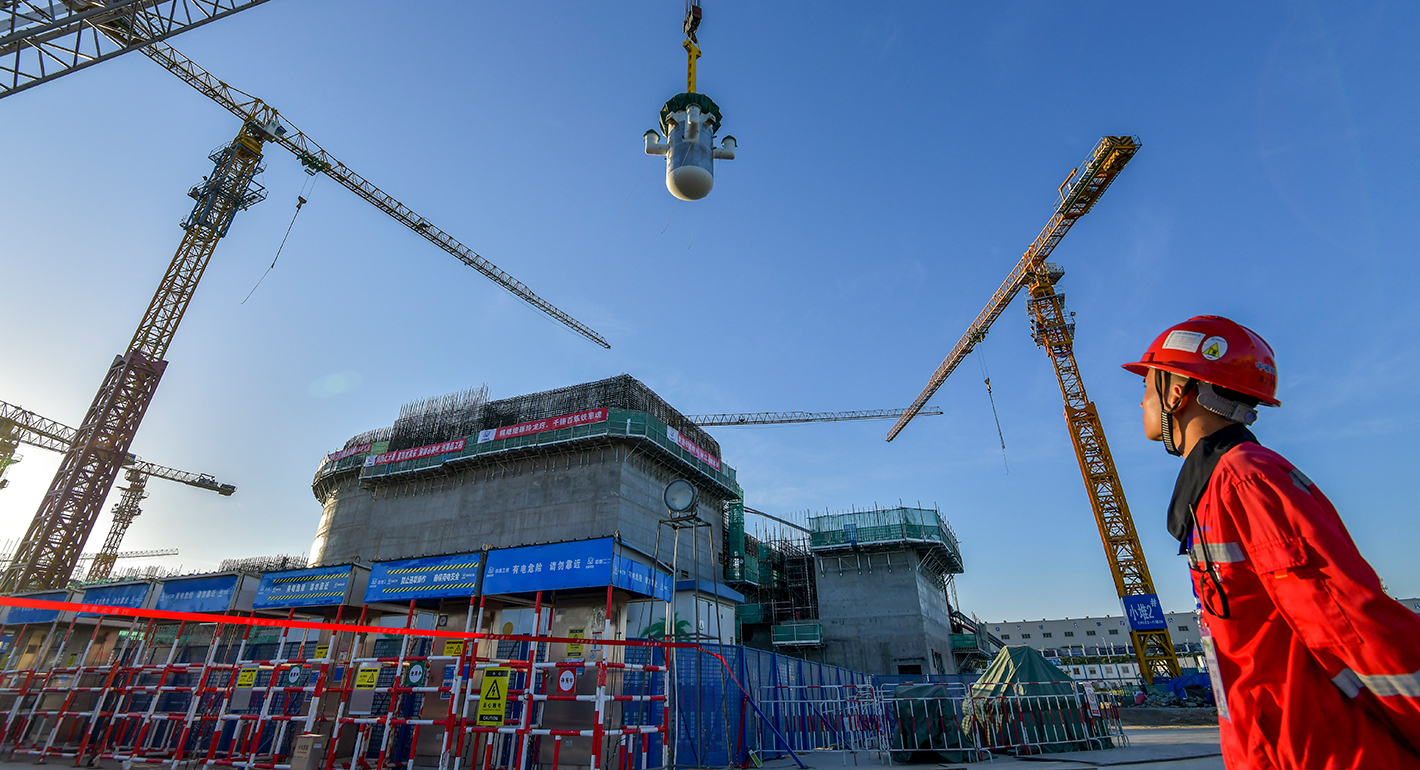
China has showcased its engineering prowess with small modular reactor demonstration projects. But turning these technological achievements into commercial success will be a greater challenge.

Tong Zhao

The Plaza Accord was not an externally imposed punishment of Japan but part of a broader restructuring that Japanese economists and policymakers themselves recognized was necessary. Its effects were undermined, however, when Tokyo responded to the resulting slowdown with policies that exacerbated investment, credit expansion, and the very imbalances the adjustment was intended to resolve.

Michael Pettis
China’s banking crisis in the 2000s was resolved by transferring the costs to households through financial repression—a decision that recapitalized the banks while exacerbating the structural imbalances that continue to shape the Chinese economy today.
Michael Pettis
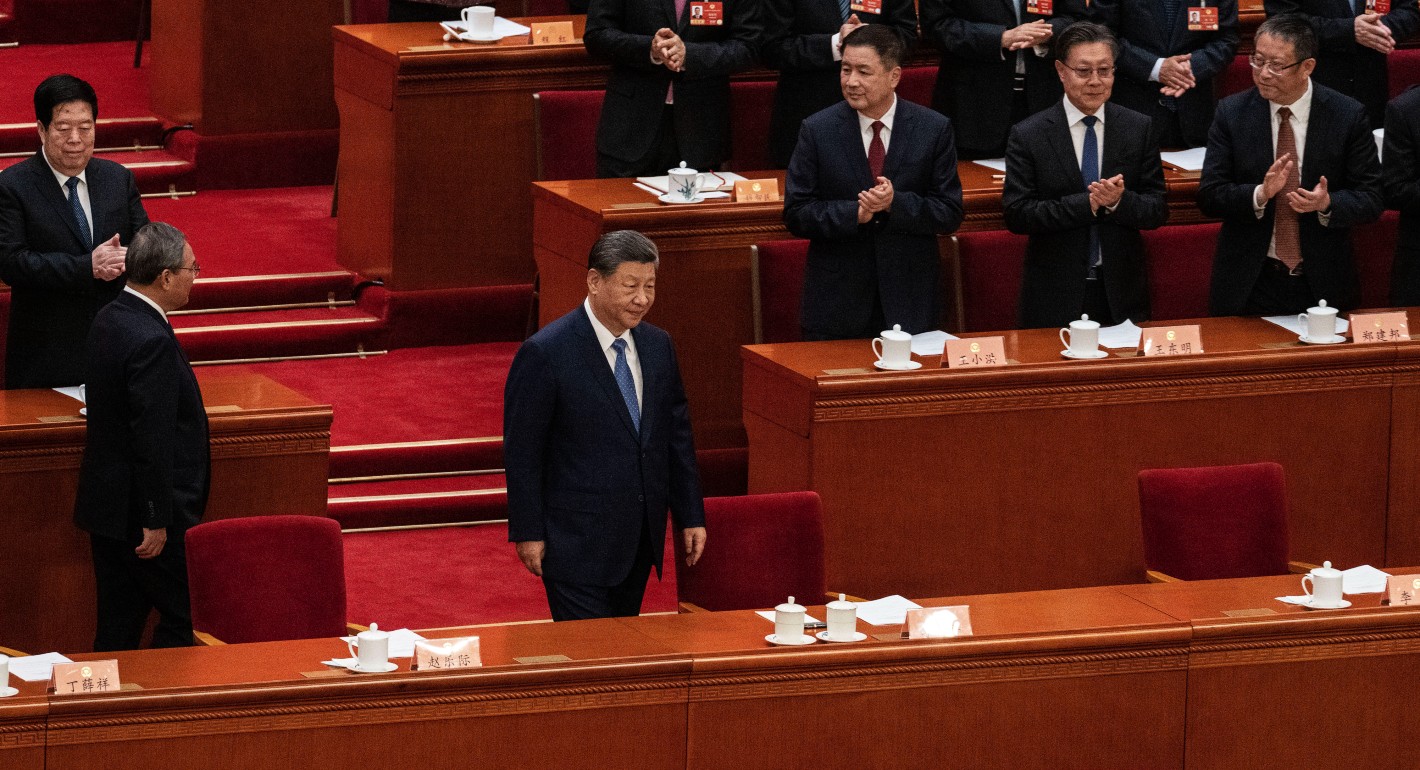
In the latest Five-Year Plan, the Chinese president cements the shift to an innovation-driven economy over a consumption-driven one.
Damien Ma