

Commentary
But their "principal to principal" model will only be as effective as the political strength of each leader back home.
Damien Ma
{
  "authors": [
    "Anders Aslund",
    "Oliver Bronsen",
    "Susan J. Cavan",
    "William Dunkerley",
    "Julian Evans",
    "David Gillespie",
    "Roger Hamburg",
    "Edward Lozansky",
    "Jeremy Putley",
    "Ira Strauss"
  ],
  "type": "other",
  "centerAffiliationAll": "dc",
  "centers": [
    "Carnegie Endowment for International Peace"
  ],
  "collections": [],
  "englishNewsletterAll": "ctw",
  "nonEnglishNewsletterAll": "",
  "primaryCenter": "Carnegie Endowment for International Peace",
  "programAffiliation": "russia",
  "programs": [
    "Russia and Eurasia"
  ],
  "projects": [],
  "regions": [
    "Caucasus",
    "Russia"
  ],
  "topics": [
    "Political Reform",
    "Democracy",
    "Foreign Policy"
  ]
}
REQUIRED IMAGE
Anders Aslund’s policy brief, “Putin’s Decline and America’s Response,” has provoked a fiery debate over the nature and future of the Putin regime. Some commentators insist that Russia’s real authoritarian turn took place under Yeltsin, while others agree, with Aslund, that Putin has tightened the screws. Some believe Putin’s government has been ineffective in dealing with crises like Beslan, while others call such criticism misguided and unfair.
Few take direct issue with Aslund’s most surprising claim: that Putin may not survive in power until the 2008 elections. But the experts vary widely in their assessment of which social forces could spark an anti-Putin movement.
This document includes postings that originally appeared on Johnson’s Russia List, including Aslund’s response to criticism of his work.
Click on the link to the right for the full text.
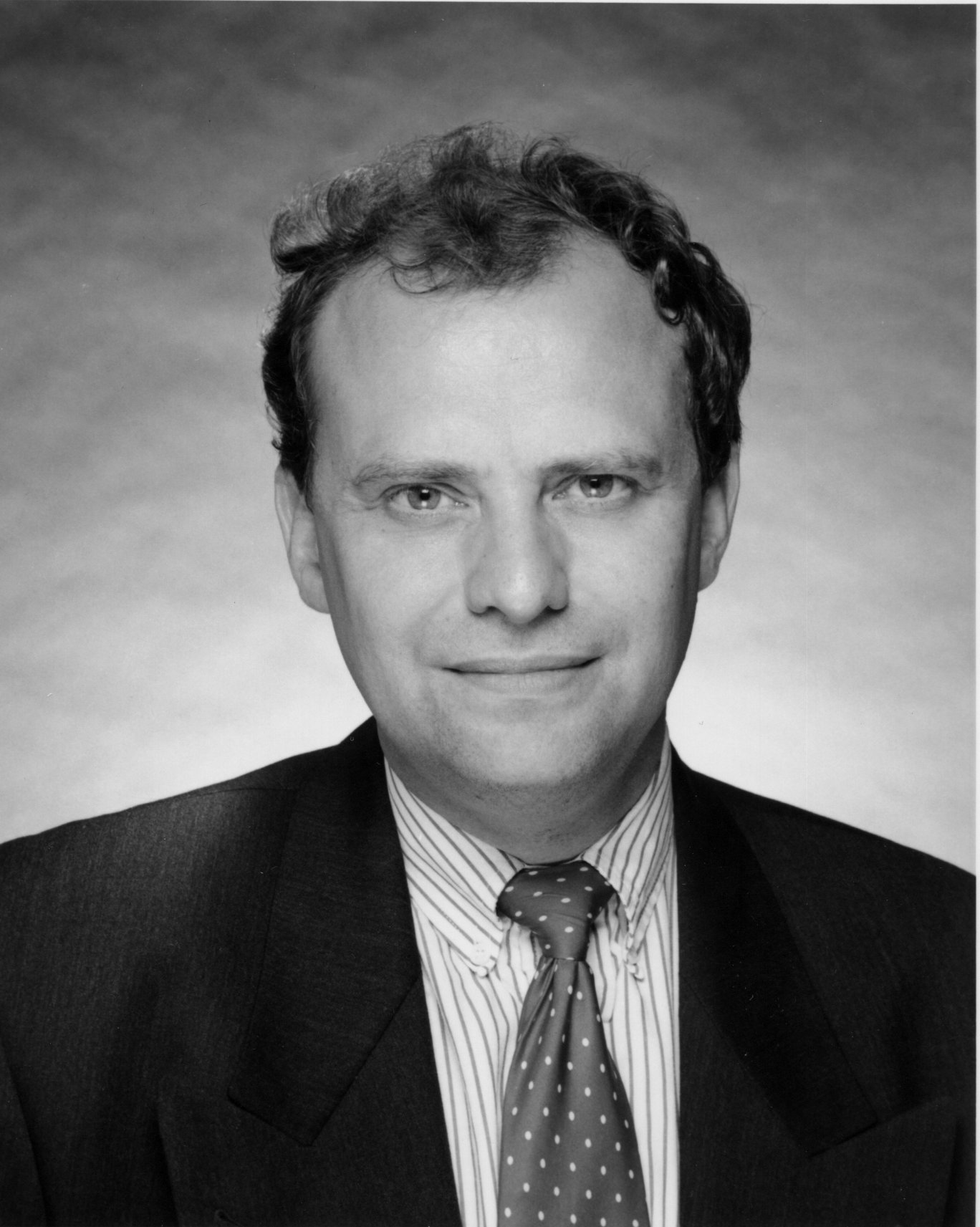
Former Senior Associate, Director, Russian and Eurasian Program
Oliver Bronsen
Susan J. Cavan
Boston University
William Dunkerley
William Dunkerley Publishing Consultants
Julian Evans
David Gillespie
Roger Hamburg
Edward Lozansky
Jeremy Putley
Ira Strauss
Carnegie does not take institutional positions on public policy issues; the views represented herein are those of the author(s) and do not necessarily reflect the views of Carnegie, its staff, or its trustees.

But their "principal to principal" model will only be as effective as the political strength of each leader back home.

Damien Ma

U.S. unpredictability has allowed China to capitalize on its positioning as the “responsible great power”. Paradoxically, the more China wins the perception game, the more likely expectations will rise for Beijing to deliver not just words but to demonstrate with its deeds.

Chong Ja Ian

Hanoi and Beijing have long treated each other as distant cousins rather than comrades in arms. That might be changing as both sides draw closer to hedge against uncertainty and America’s erratic behavior.

Nguyễn Khắc Giang

Across Asia, China is better positioned to withstand energy shocks from the fallout of the Iran war. Its abundant coal capacity can ensure stability in the near term. Yet at the same time, the country’s energy transition away from coal will make it even less vulnerable during the next shock.
Damien Ma

Malaysia’s chairmanship sought to fend off short-term challenges while laying the groundwork for minimizing ASEAN’s longer-term exposure to external stresses.

Elina Noor