• Commentary
  • Research
  • Experts
  • Events
Carnegie China logoCarnegie lettermark logo
{
  "authors": [
    "Joseph Cirincione"
  ],
  "type": "legacyinthemedia",
  "centerAffiliationAll": "dc",
  "centers": [
    "Carnegie Endowment for International Peace"
  ],
  "collections": [
    "U.S. Nuclear Policy"
  ],
  "englishNewsletterAll": "ctw",
  "nonEnglishNewsletterAll": "",
  "primaryCenter": "Carnegie Endowment for International Peace",
  "programAffiliation": "NPP",
  "programs": [
    "Nuclear Policy"
  ],
  "projects": [],
  "regions": [
    "North America",
    "United States",
    "Middle East",
    "Iran"
  ],
  "topics": [
    "Nuclear Policy",
    "Nuclear Energy"
  ]
}
REQUIRED IMAGE
REQUIRED IMAGE

In The Media

The New Brinksmanship: Iran's Nuclear Threat

Link Copied
By Joseph Cirincione
Published on Feb 8, 2006
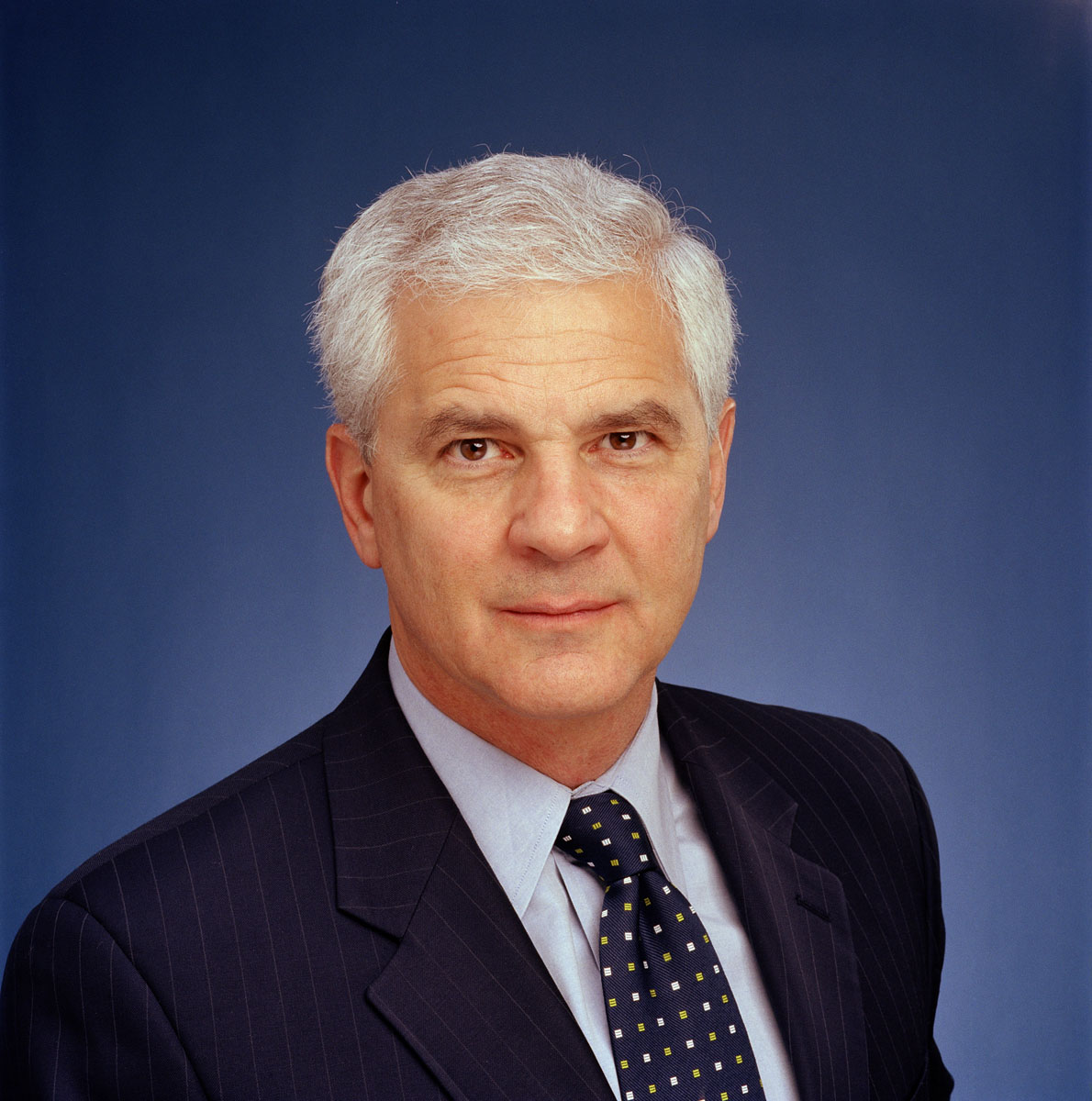
In a radio interview on February 8, 2006, Carnegie Director for Nonproliferation Joseph Cirincione discussed Iran's attempts to restart its nuclear program in defiance of the International Atomic Energy Agency. This hour-long program aired on Fresh Air on WHYY. Click here for streaming audio featured on National Public Radio's website.

About the Author

Joseph Cirincione

Former Senior Associate, Director for NonProliferation

    Recent Work

  • Report
    Universal Compliance: A Strategy for Nuclear Security<br>With 2007 Report Card on Progress
      • +2

      George Perkovich, Jessica Tuchman Mathews, Joseph Cirincione, …

  • Article
    The End of Neoconservatism

      Joseph Cirincione

Joseph Cirincione
Former Senior Associate, Director for NonProliferation
Joseph Cirincione
Nuclear PolicyNuclear EnergyNorth AmericaUnited StatesMiddle EastIran

Carnegie does not take institutional positions on public policy issues; the views represented herein are those of the author(s) and do not necessarily reflect the views of Carnegie, its staff, or its trustees.
More Work from Carnegie China

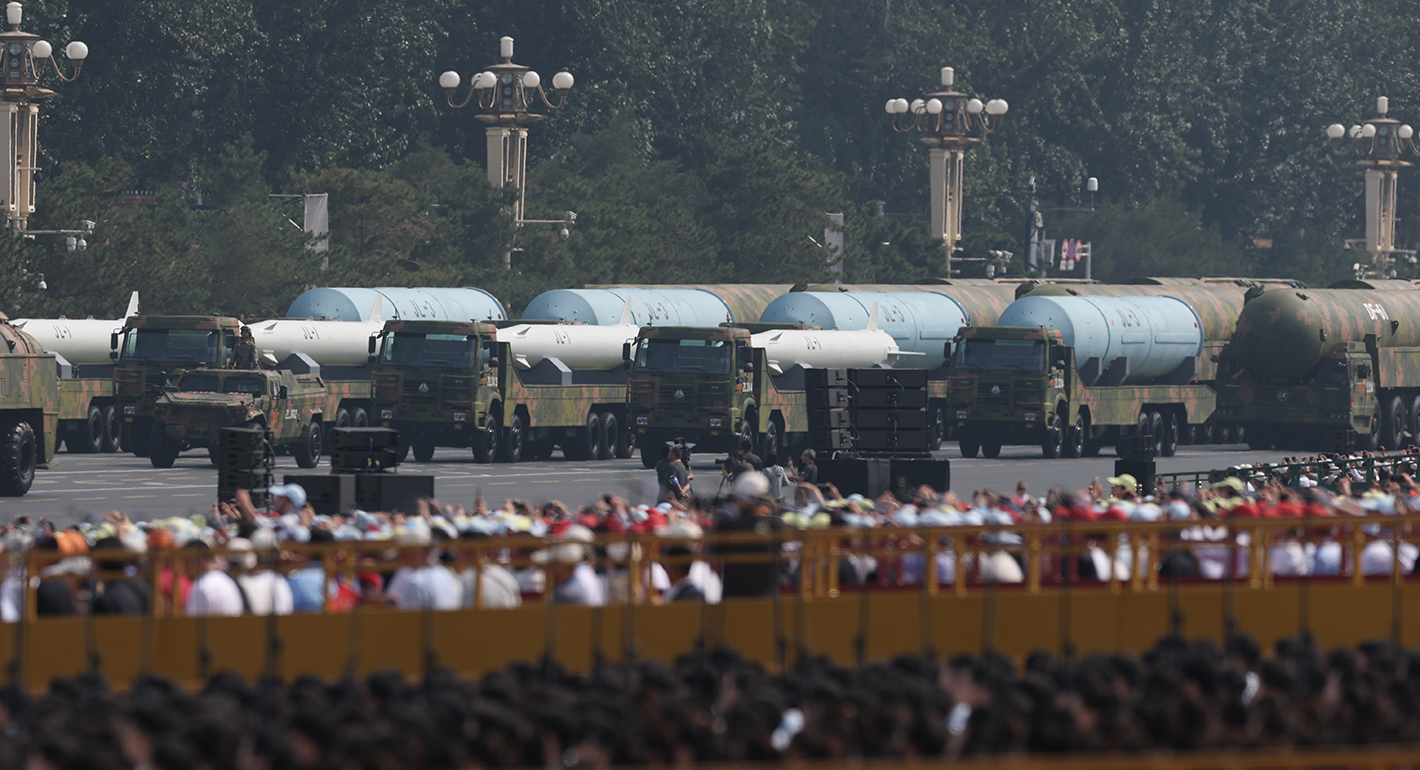
  • The nuclear missile formation passes through Tian'anmen Square during a military parade on September 3, 2025 in Beijing, China.
    Paper
    Untangling the Nuclear Knot: A Constructive Agenda for Managing China’s Nuclear Relations with the United States and Its Allies

    The nuclear relationship between China and the United States is increasingly shaped by widening perception gaps rather than deliberate strategic design.

      Tong Zhao
  • Commentary
    Emissary
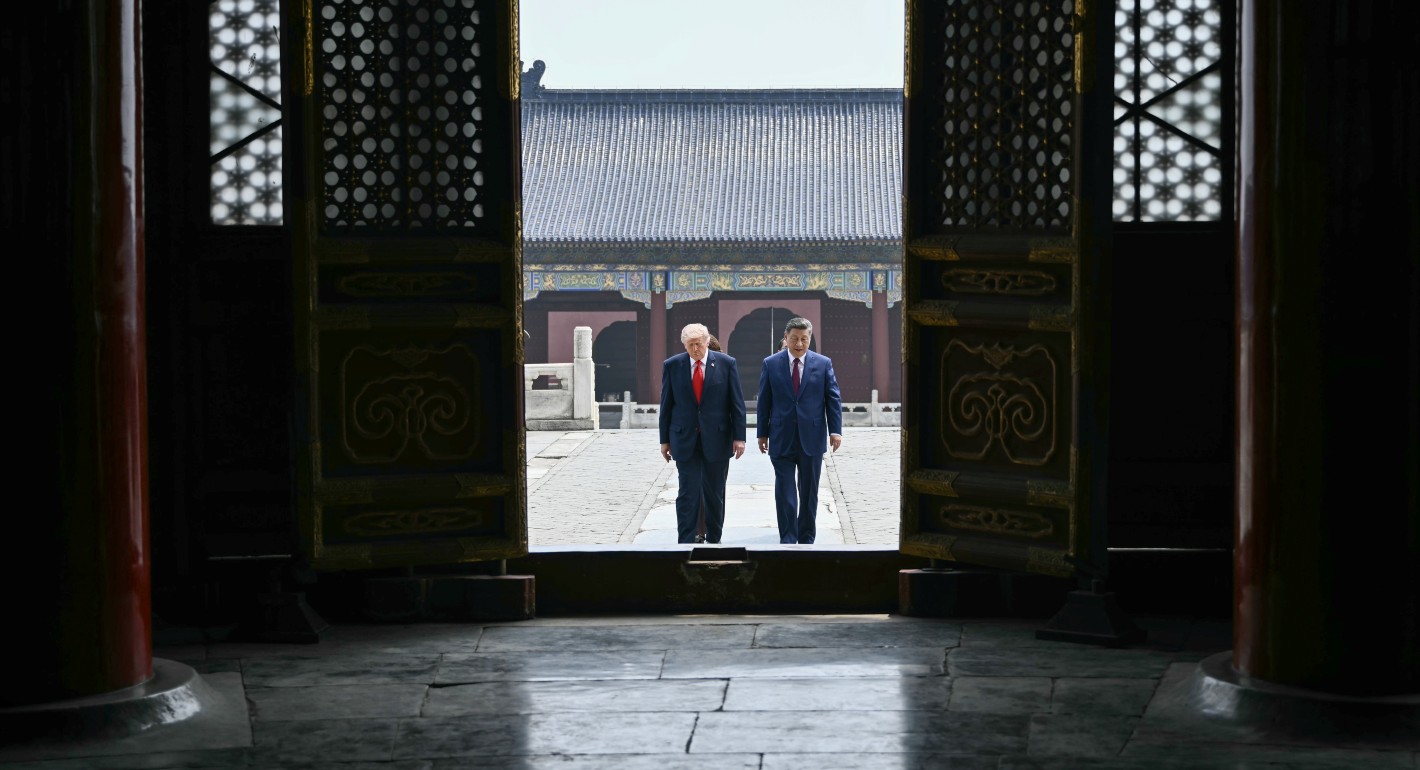
    Trump and Xi Are Angling for Three Years of Stability

    But their "principal to principal" model will only be as effective as the political strength of each leader back home.

      • Damien Ma

      Damien Ma

  • Commentary
    China Sells Stability Amid American Volatility

    U.S. unpredictability has allowed China to capitalize on its positioning as the “responsible great power”. Paradoxically, the more China wins the perception game, the more likely expectations will rise for Beijing to deliver not just words but to demonstrate with its deeds.

      Chong Ja Ian
  • Commentary
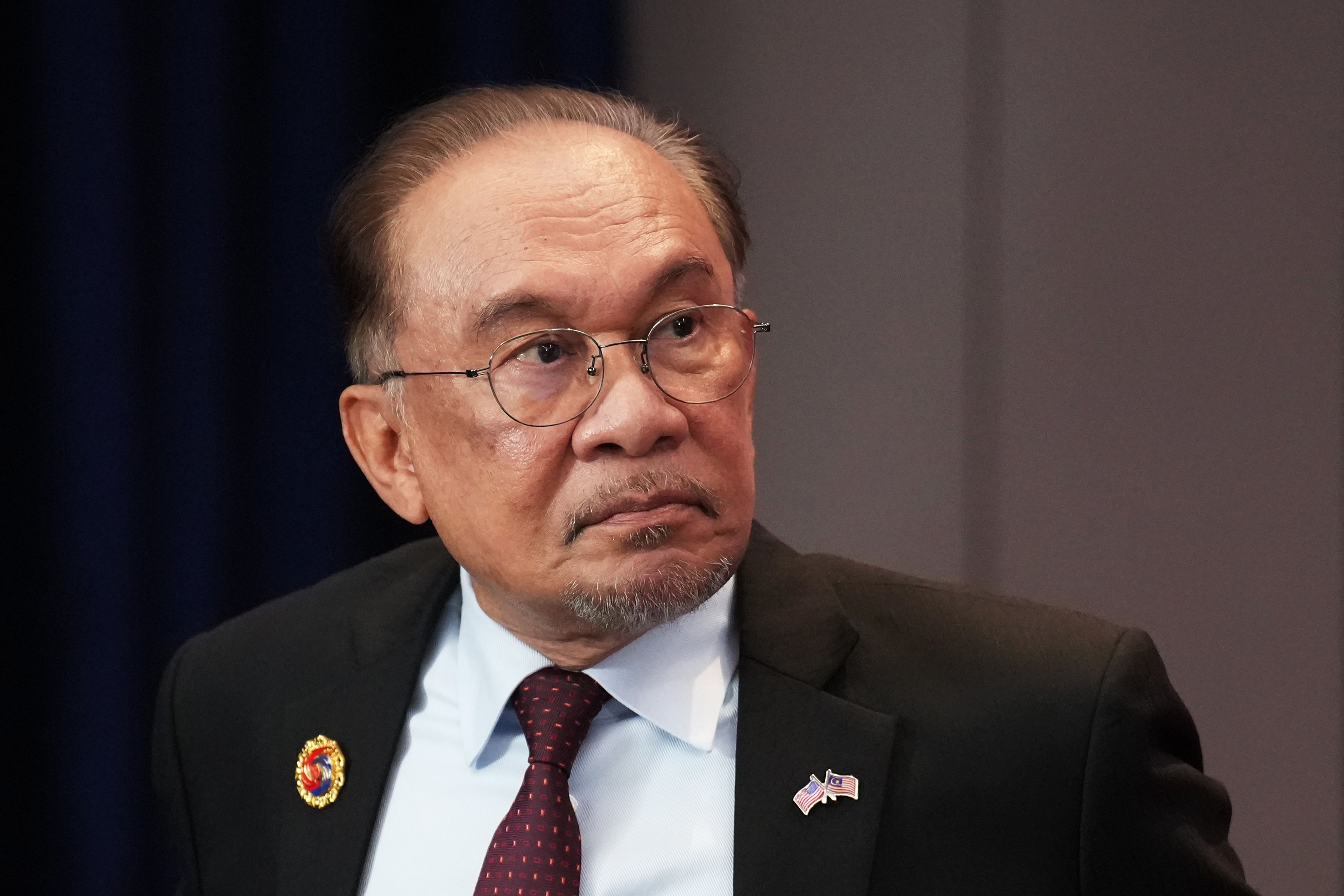
    When It Comes to Superpower Geopolitics, Malaysia Is Staunchly Nonpartisan

    For Malaysia, the conjunction that works is “and” not “or” when it comes to the United States and China.

      Elina Noor

  • Commentary
    Today’s Rare Earths Conflict Echoes the 1973 Oil Crisis — But It’s Not the Same

    Regulation, not embargo, allows Beijing to shape how other countries and firms adapt to its terms.
      Alvin Camba

Get more news and analysis from
Carnegie China
Carnegie China logo, white
Keck Seng Tower133 Cecil Street #10-01ASingapore, 069535Phone: +65 9650 7648
  • Research
  • About
  • Experts
  • Events
  • Contact
  • Careers
  • Privacy
  • For Media
Get more news and analysis from
Carnegie China
© 2026 Carnegie Endowment for International Peace. All rights reserved.