
• Commentary
  • Research
  • Experts
  • Events
Carnegie China logoCarnegie lettermark logo
{
  "authors": [
    "Michael McFaul",
    "Kathryn Stoner-Weiss"
  ],
  "type": "legacyinthemedia",
  "centerAffiliationAll": "dc",
  "centers": [
    "Carnegie Endowment for International Peace",
    "Carnegie Europe"
  ],
  "collections": [],
  "englishNewsletterAll": "ctw",
  "nonEnglishNewsletterAll": "",
  "primaryCenter": "Carnegie Endowment for International Peace",
  "programAffiliation": "russia",
  "programs": [
    "Russia and Eurasia"
  ],
  "projects": [],
  "regions": [
    "Caucasus",
    "Russia"
  ],
  "topics": [
    "Political Reform",
    "Democracy",
    "Economy",
    "Trade",
    "Foreign Policy"
  ]
}

Source: Getty

In The Media

The Myth of Putin's Success

Carnegie Senior Associate Michael McFaul takes on the conventional wisdom that Vladimir Putin's tight-fisted rule has been behind the economic growth and stability over the past seven years. "The emergence of Russian democracy in the 1990s did indeed coincide with state breakdown and economic decline, but it did not cause either," McFaul writes.

Link Copied
By Michael McFaul and Kathryn Stoner-Weiss
Published on Dec 13, 2007

Source: International Herald Tribune

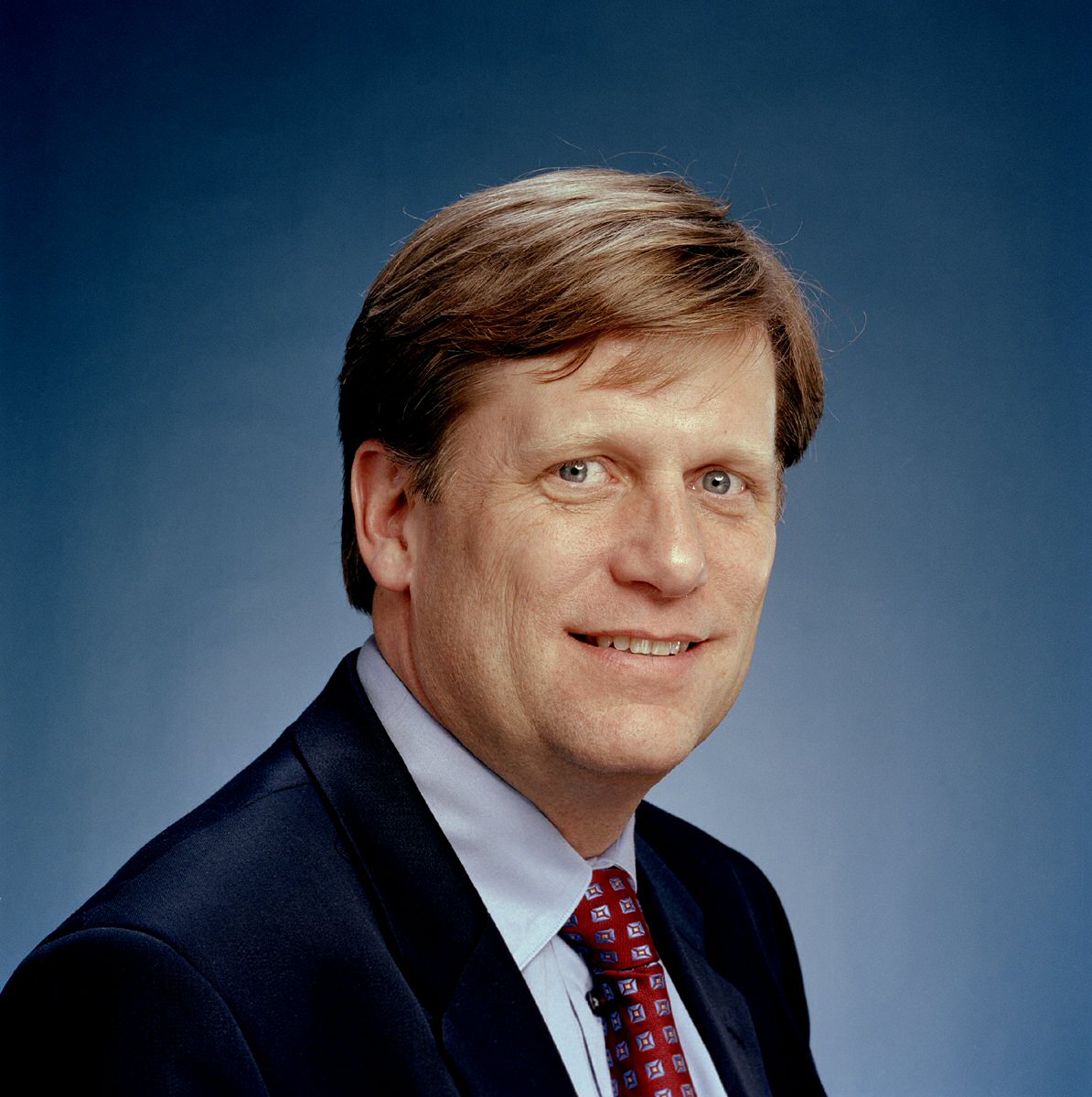
Michael McFaulCarnegie Senior Associate Michael McFaul takes on the conventional wisdom that Vladimir Putin's tight-fisted rule has been behind the economic growth and stability over the past seven years. "The emergence of Russian democracy in the 1990s did indeed coincide with state breakdown and economic decline, but it did not cause either," McFaul writes. "The reemergence of Russian autocracy under Putin, conversely, has coincided with tremendous economic growth but did not cause it. If anything, Putin's autocratic turn over the last several years has reduced gains from what they would have been had democracy survived."

Click here to read the article.

About the Authors

Michael McFaul

Former Senior Associate

In addition to his role at Carnegie, McFaul is Peter and Helen Bing Senior Fellow at the Hoover Institution and associate professor of political science at Stanford University.

Kathryn Stoner-Weiss

Authors

Michael McFaul
Former Senior Associate
Michael McFaul
Kathryn Stoner-Weiss
Political ReformDemocracyEconomyTradeForeign PolicyCaucasusRussia

Carnegie does not take institutional positions on public policy issues; the views represented herein are those of the author(s) and do not necessarily reflect the views of Carnegie, its staff, or its trustees.

More Work from Carnegie China

  • Commentary
    China’s Energy Security Doesn’t Run Through Hormuz but Through the Electrification of Everything

    Across Asia, China is better positioned to withstand energy shocks from the fallout of the Iran war. Its abundant coal capacity can ensure stability in the near term. Yet at the same time, the country’s energy transition away from coal will make it even less vulnerable during the next shock.


      • Damien Ma

      Damien Ma

  • Xi walking into a room with people standing and applauding around him
    Commentary
    Emissary
    The Xi Doctrine Zeros in on “High-Quality Development” for China’s Economic Future

    In the latest Five-Year Plan, the Chinese president cements the shift to an innovation-driven economy over a consumption-driven one.

      • Damien Ma

      Damien Ma

  • Commentary
    Malaysia’s Year as ASEAN Chair: Managing Disorder

    Malaysia’s chairmanship sought to fend off short-term challenges while laying the groundwork for minimizing ASEAN’s longer-term exposure to external stresses.

      Elina Noor

  • Commentary
    When It Comes to Superpower Geopolitics, Malaysia Is Staunchly Nonpartisan

    For Malaysia, the conjunction that works is “and” not “or” when it comes to the United States and China.

      Elina Noor

  • Commentary
    Neither Comrade nor Ally: Decoding Vietnam’s First Army Drill with China

    In July 2025, Vietnam and China held their first joint army drill, a modest but symbolic move reflecting Hanoi’s strategic hedging amid U.S.–China rivalry.

      • Nguyen-khac-giang

      Nguyễn Khắc Giang

Get more news and analysis from
Carnegie China
Carnegie China logo, white
Keck Seng Tower133 Cecil Street #10-01ASingapore, 069535Phone: +65 9650 7648
  • Research
  • About
  • Experts
  • Events
  • Contact
  • Careers
  • Privacy
  • For Media
Get more news and analysis from
Carnegie China
© 2026 Carnegie Endowment for International Peace. All rights reserved.






