

Paper
The nuclear relationship between China and the United States is increasingly shaped by widening perception gaps rather than deliberate strategic design.
Tong Zhao
{
  "authors": [
    "Jessica Tuchman Mathews",
    "Dmitri Trenin"
  ],
  "type": "legacyinthemedia",
  "centerAffiliationAll": "dc",
  "centers": [
    "Carnegie Endowment for International Peace"
  ],
  "collections": [],
  "englishNewsletterAll": "menaTransitions",
  "nonEnglishNewsletterAll": "",
  "primaryCenter": "Carnegie Endowment for International Peace",
  "programAffiliation": "MEP",
  "programs": [
    "Middle East"
  ],
  "projects": [],
  "regions": [
    "North America",
    "United States",
    "Middle East",
    "Iran",
    "Syria"
  ],
  "topics": [
    "Political Reform",
    "Security",
    "Military",
    "Foreign Policy",
    "Nuclear Policy"
  ]
}
Source: Getty
America’s relationship with the world is in disrepair. Anger, resentment, and fear have replaced the respect the United States once enjoyed. The next U.S. president should improve relations with Syria, and the mullahs in Tehran may be willing to shelve their nuclear plans permanently in exchange for a little face time with the United States.
Source: Foreign Policy
America's relationship with the world is in disrepair. Anger, resentment, and fear have replaced the respect the United States once enjoyed. Foreign Policy magazine asked a group of the world's leading thinkers,(including two Carnegie experts) to answer one question: What single policy or gesture can the next president of the United States make to improve America's standing in the world?

Carnegie President Jessica T. Mathews explains why she believes the next U.S. president should improve relations with Syria. “Syria seems to have come to the conclusion that it would rather have a relationship with the West than simply be isolated in a pot with Iran,” she argues. “Given that we have so few positive options in the Middle East, this seems to me to be an obvious opportunity that we have ignored.” Click here to read the interview about Mathews' article.
Mathews' full article is only available to FP subscribers. A short excerpt is available here: What America Must Do: Open the Door To Damascus, Foreign Policy, January/February 2008.

Carnegie's Dmitri Trenin explains that the mullahs in Tehran may be willing to shelve their nuclear plans permanently in exchange for a little face time with the United States. “The United States needs to impress upon Iran that it considers Iran a major power in the region, and that it recognizes it has legitimate interests,” he argues. “So, when the United States deals with countries such as Iran and Afghanistan, it will do so in consultation with Iran.” Click here to read the interview about Trenin's article.
Trenin's full article is only availble to FP subscribers. A short excerpt is available here: What America Must Do: Travel to Tehran, Foreign Policy, January/February 2008.
Click here for more expert answers to the question: What single policy or gesture can the next president of the United States make to improve America’s standing in the world?
Distinguished Fellow
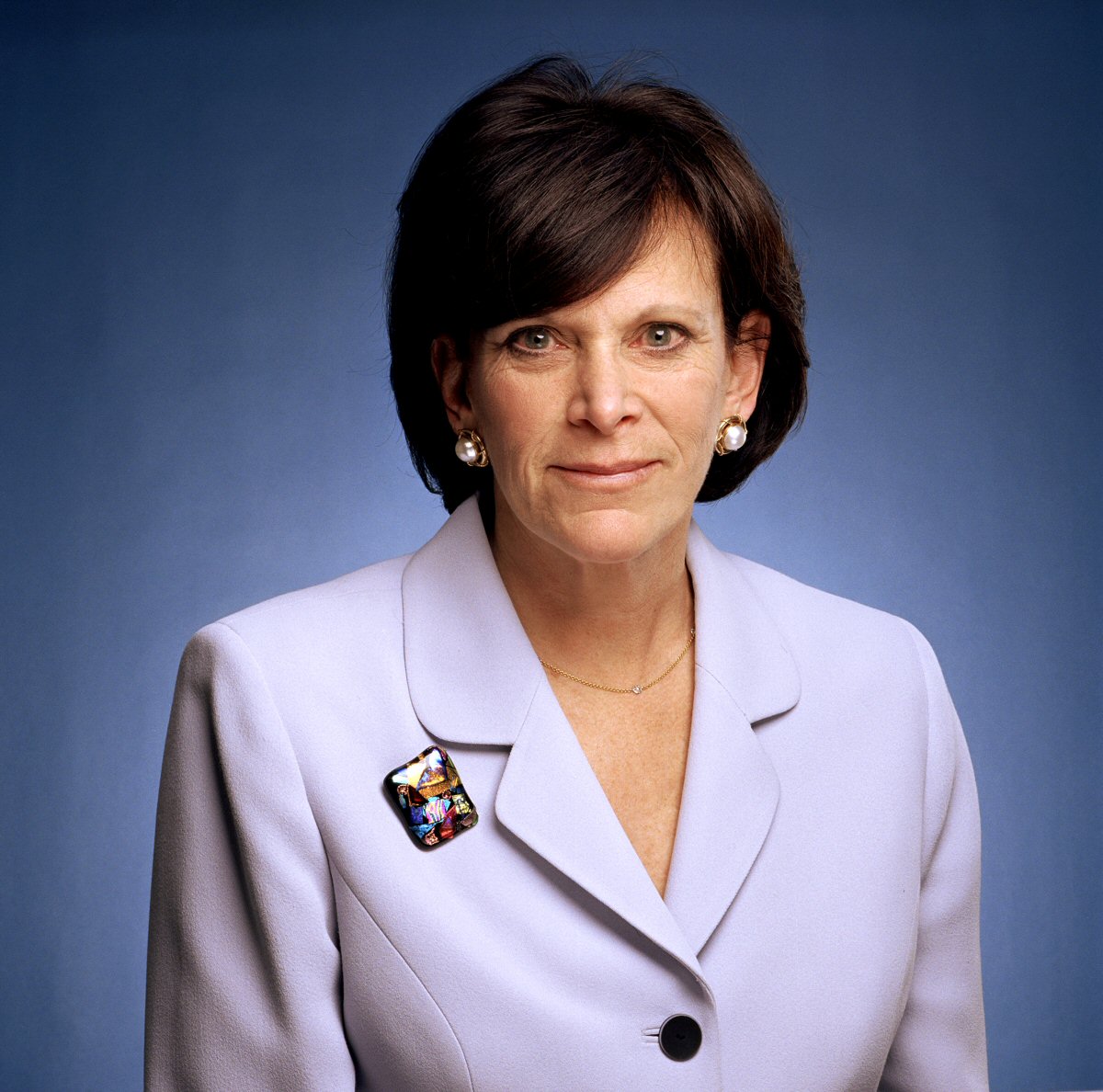
Mathews is a distinguished fellow at the Carnegie Endowment for International Peace. She served as Carnegie’s president for 18 years.
Former Director, Carnegie Moscow Center
Trenin was director of the Carnegie Moscow Center from 2008 to early 2022.
Carnegie does not take institutional positions on public policy issues; the views represented herein are those of the author(s) and do not necessarily reflect the views of Carnegie, its staff, or its trustees.

The nuclear relationship between China and the United States is increasingly shaped by widening perception gaps rather than deliberate strategic design.

Tong Zhao

But their "principal to principal" model will only be as effective as the political strength of each leader back home.

Damien Ma

U.S. unpredictability has allowed China to capitalize on its positioning as the “responsible great power”. Paradoxically, the more China wins the perception game, the more likely expectations will rise for Beijing to deliver not just words but to demonstrate with its deeds.

Chong Ja Ian

Hanoi and Beijing have long treated each other as distant cousins rather than comrades in arms. That might be changing as both sides draw closer to hedge against uncertainty and America’s erratic behavior.

Nguyễn Khắc Giang

Across Asia, China is better positioned to withstand energy shocks from the fallout of the Iran war. Its abundant coal capacity can ensure stability in the near term. Yet at the same time, the country’s energy transition away from coal will make it even less vulnerable during the next shock.
Damien Ma