

Commentary
Malaysia’s chairmanship sought to fend off short-term challenges while laying the groundwork for minimizing ASEAN’s longer-term exposure to external stresses.
Elina Noor
{
  "authors": [],
  "type": "pressRelease",
  "centerAffiliationAll": "dc",
  "centers": [
    "Carnegie Endowment for International Peace"
  ],
  "collections": [],
  "englishNewsletterAll": "",
  "nonEnglishNewsletterAll": "",
  "primaryCenter": "Carnegie Endowment for International Peace",
  "programAffiliation": "DCG",
  "programs": [
    "Democracy, Conflict, and Governance",
    "Middle East"
  ],
  "projects": [],
  "regions": [
    "North America",
    "United States",
    "Middle East",
    "Iran",
    "Israel",
    "North Africa",
    "Egypt",
    "Iraq",
    "Lebanon",
    "Palestine",
    "Bahrain",
    "Saudi Arabia"
  ],
  "topics": [
    "Political Reform",
    "Democracy",
    "Foreign Policy"
  ]
}
REQUIRED IMAGE
U.S. democracy promotion efforts in the Middle East should focus on realistic political reform goals. The most pressing issue facing Arab countries is the development of political systems that can contend with evolving socio-economic realities and open participation to political opposition, argues Carnegie Middle East Program Director Marina Ottaway.
WASHINGTON, June 4—U.S. democracy promotion efforts in the Middle East should focus on realistic political reform goals that correspond both to regional realities and the limited degree of actual U.S. influence. The most pressing issue facing Arab countries is the development of political systems that can contend with evolving socio-economic realities and open participation to political opposition, argues Carnegie Middle East Program Director Marina Ottaway.
An aggressive policy to promote a true redistribution of power is unlikely to succeed and could prove destabilizing at a time when the next U.S. president will already face crisis conditions in Iraq and Palestine, a defiant Iran, an unstable Lebanon, and high oil prices. In a new policy brief, Democracy Promotion in the Middle East: Restoring Credibility, Ottaway argues that the United States can, however, still play a useful role in encouraging reforms.
Future U.S. democracy promotion efforts should:
Ottaway concludes:
“Although the steps advocated here represent a retreat from the flamboyant rhetoric of the recent past, they are not a retreat from the promotion of political reform, which requires not words but consistent action. Democracy promotion in the Middle East has led to no positive results, while undermining U.S. credibility across the region. Neither incumbent regimes nor reform advocates believe any longer that the United States is seeking the democratic transformation of the region. Credibility will not be restored by new rhetoric but by consistent efforts to promote attainable goals.”
###

Carnegie does not take institutional positions on public policy issues; the views represented herein are those of the author(s) and do not necessarily reflect the views of Carnegie, its staff, or its trustees.

Malaysia’s chairmanship sought to fend off short-term challenges while laying the groundwork for minimizing ASEAN’s longer-term exposure to external stresses.

Elina Noor
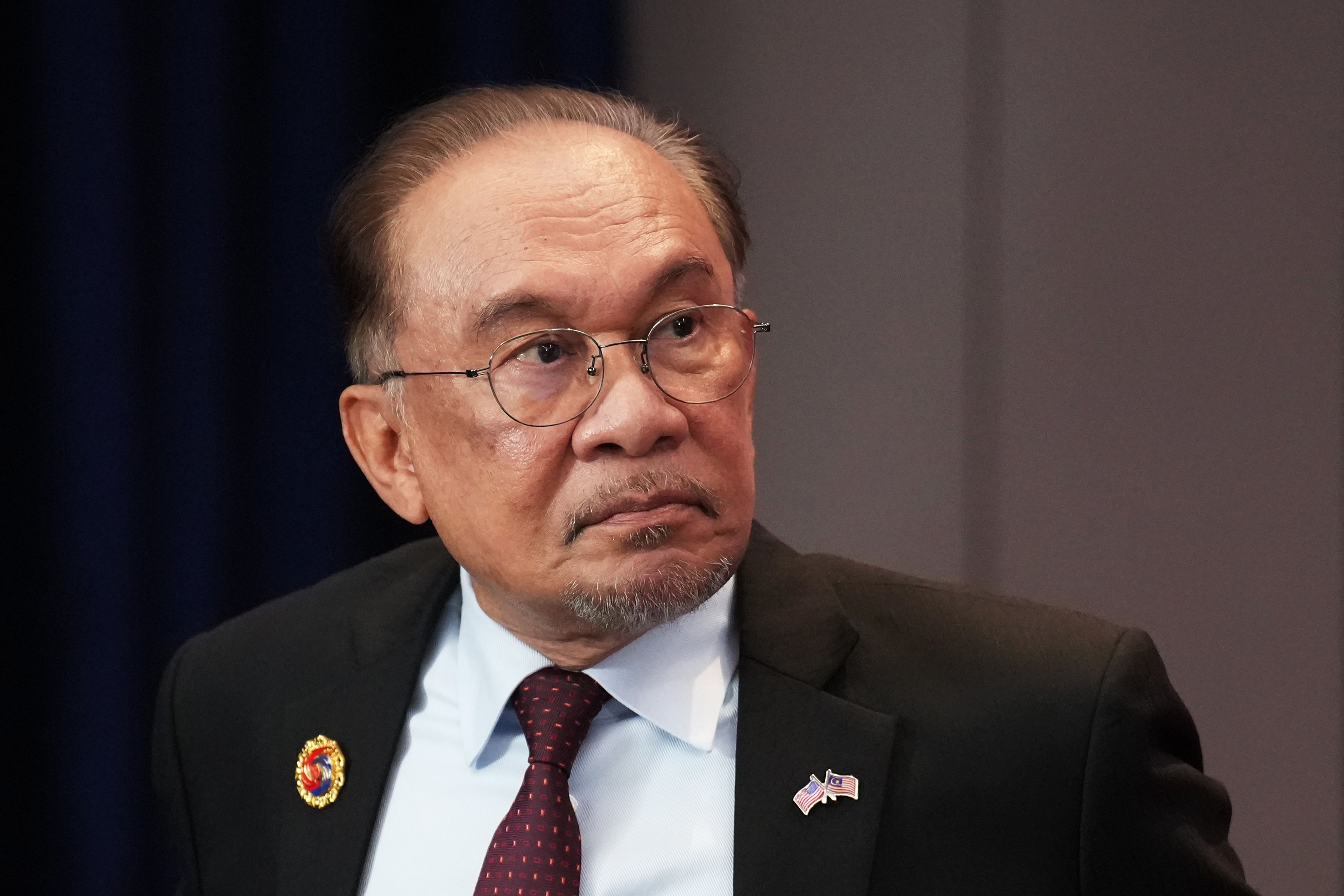
For Malaysia, the conjunction that works is “and” not “or” when it comes to the United States and China.
Elina Noor
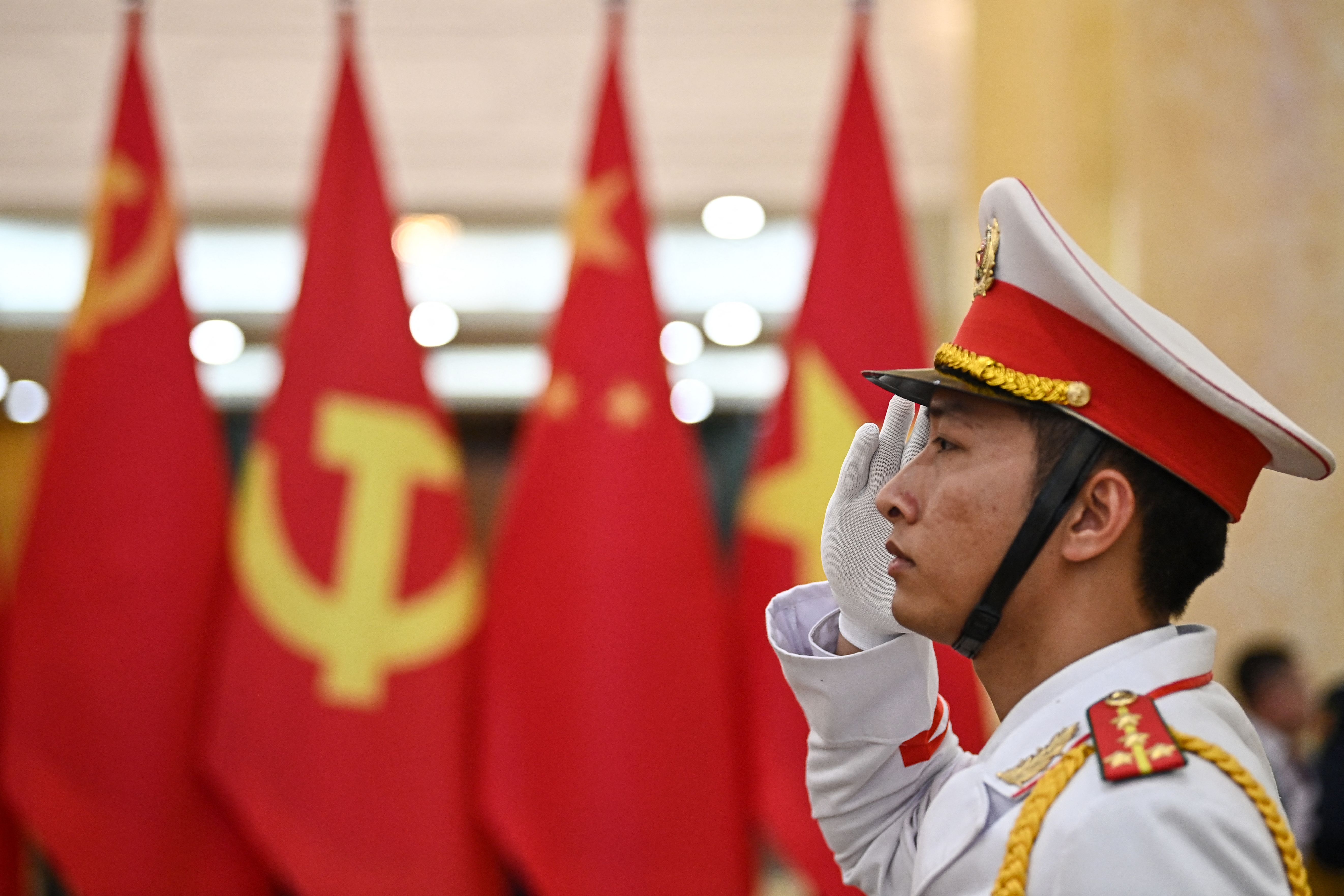
In July 2025, Vietnam and China held their first joint army drill, a modest but symbolic move reflecting Hanoi’s strategic hedging amid U.S.–China rivalry.

Nguyễn Khắc Giang
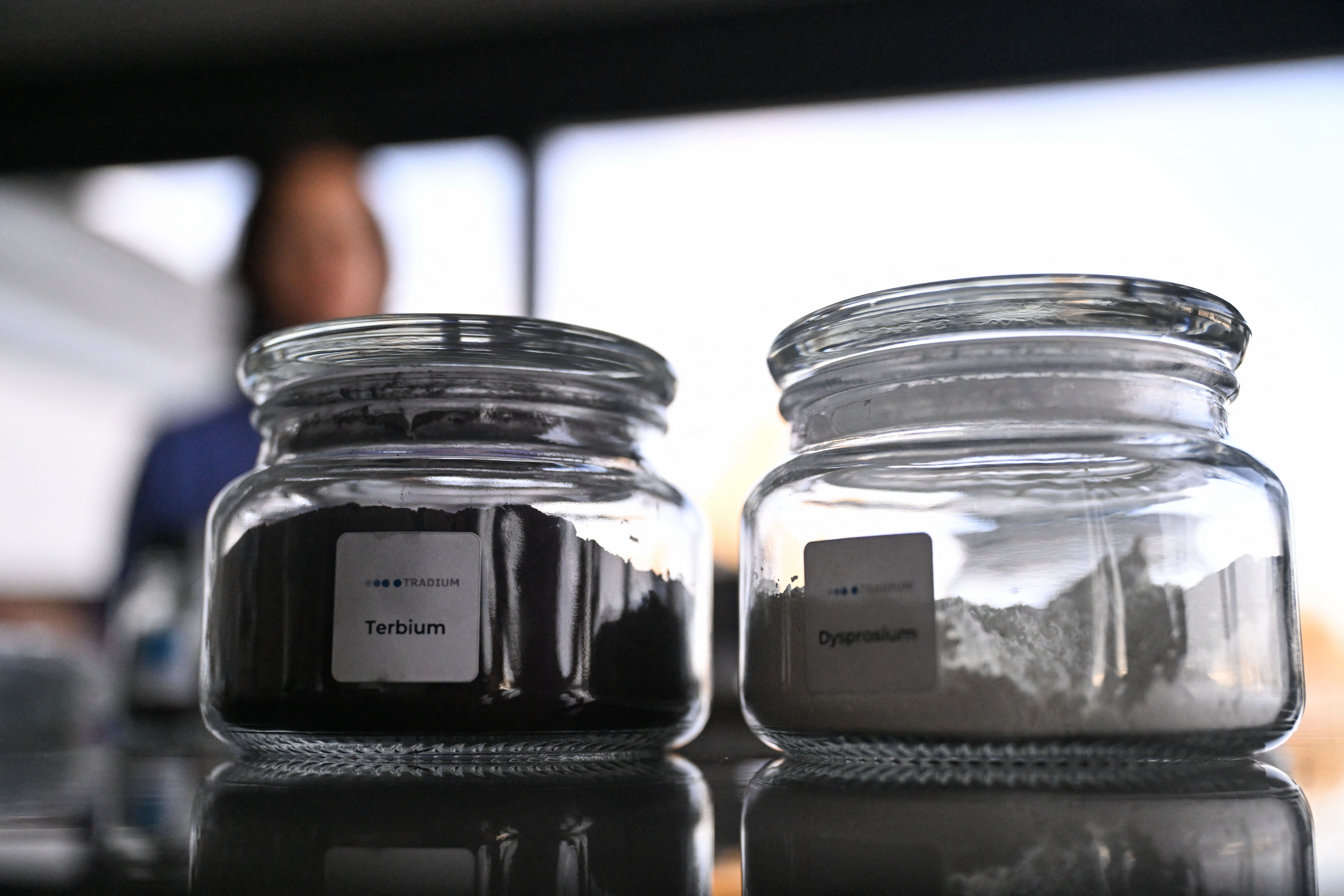
Regulation, not embargo, allows Beijing to shape how other countries and firms adapt to its terms.
Alvin Camba

The Thai-Cambodian conflict highlights the limits to China's peacemaker ambition and the significance of this role on Southeast Asia’s balance of power.

Pongphisoot (Paul) Busbarat